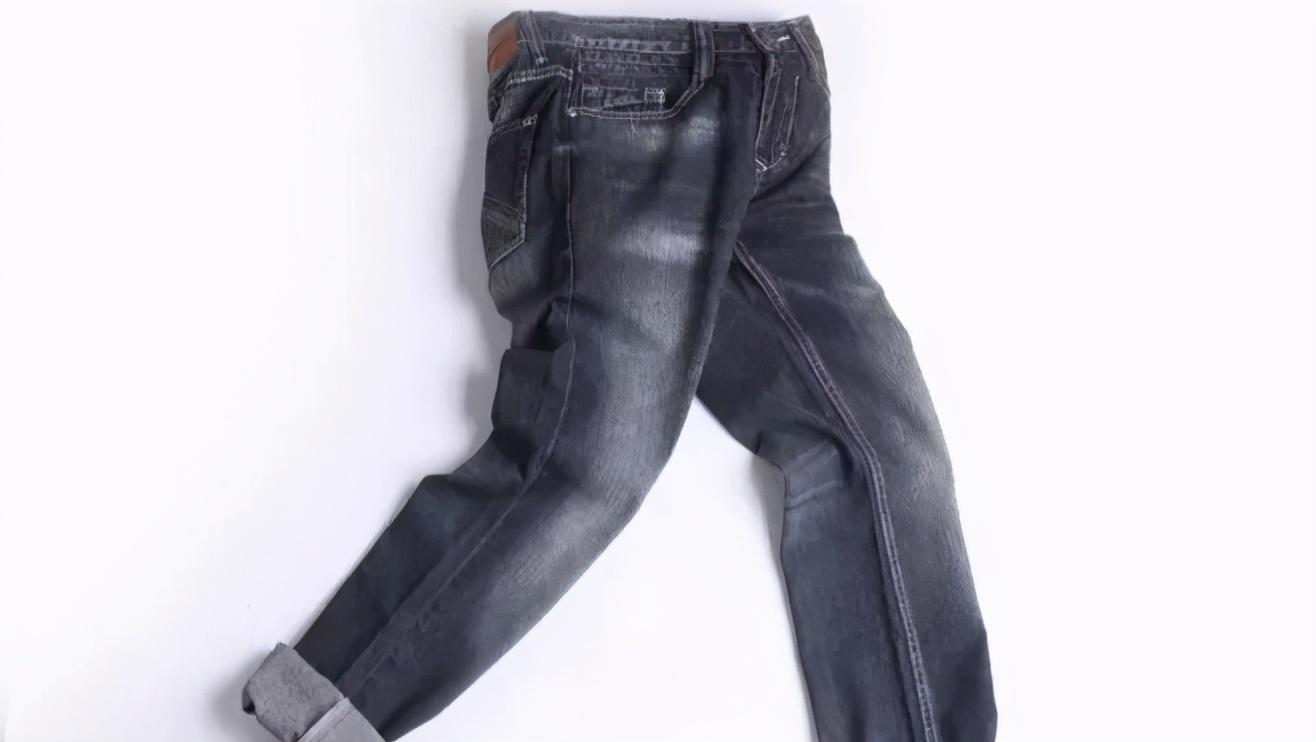

Whether it is spring, summer, autumn, winter or severe cold and heat, denim pants, denim shirts, denim jackets… series of denim-related items are almost the most common ones in our lives, and denim Elements have always been the darling of the fashion industry, and denim is one of the most popular fabrics in the world. Not only that, it also plays a very important role in shaping the overall dressing style. It’s already 2021. As the first article of the new year, let’s learn about denim!
What is tannin?
Tannin is a foreign word, transliterated from DENIM Come, refers to the twill weave, indigo dyed denim, also called denim. The origin of denim can be traced back to when Columbus discovered the New World. This tough and practical rough fabric had already appeared at that time and was mainly used to make sails. This kind of cloth originated from Nimes, a small town in France, so it was named “Serge De Nimes” in French. When this kind of twill fabric was first introduced to the UK, it was difficult for British businessmen to pronounce the French word “Serge De Nimes”, so it was called Denim for short.
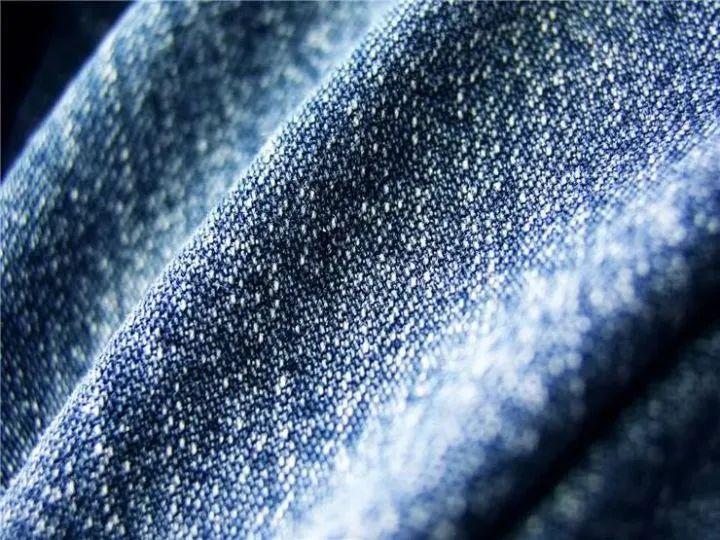
Why are denim fabrics called “jeans”
JEAN and DENIM actually refer to is a kind of fabric. The earliest record of “Jeans” is in 1567. There is a port in northern Italy called Genoa. At that time, foreign business travelers called the sailors working in the port “Genoese”. These sailors like to wear work trousers made of a rough and strong fabric produced locally, called “Genoese” or “Genes”, which has a similar pronunciation as “Jeans”.

Special terms related to denim pants
Selvage
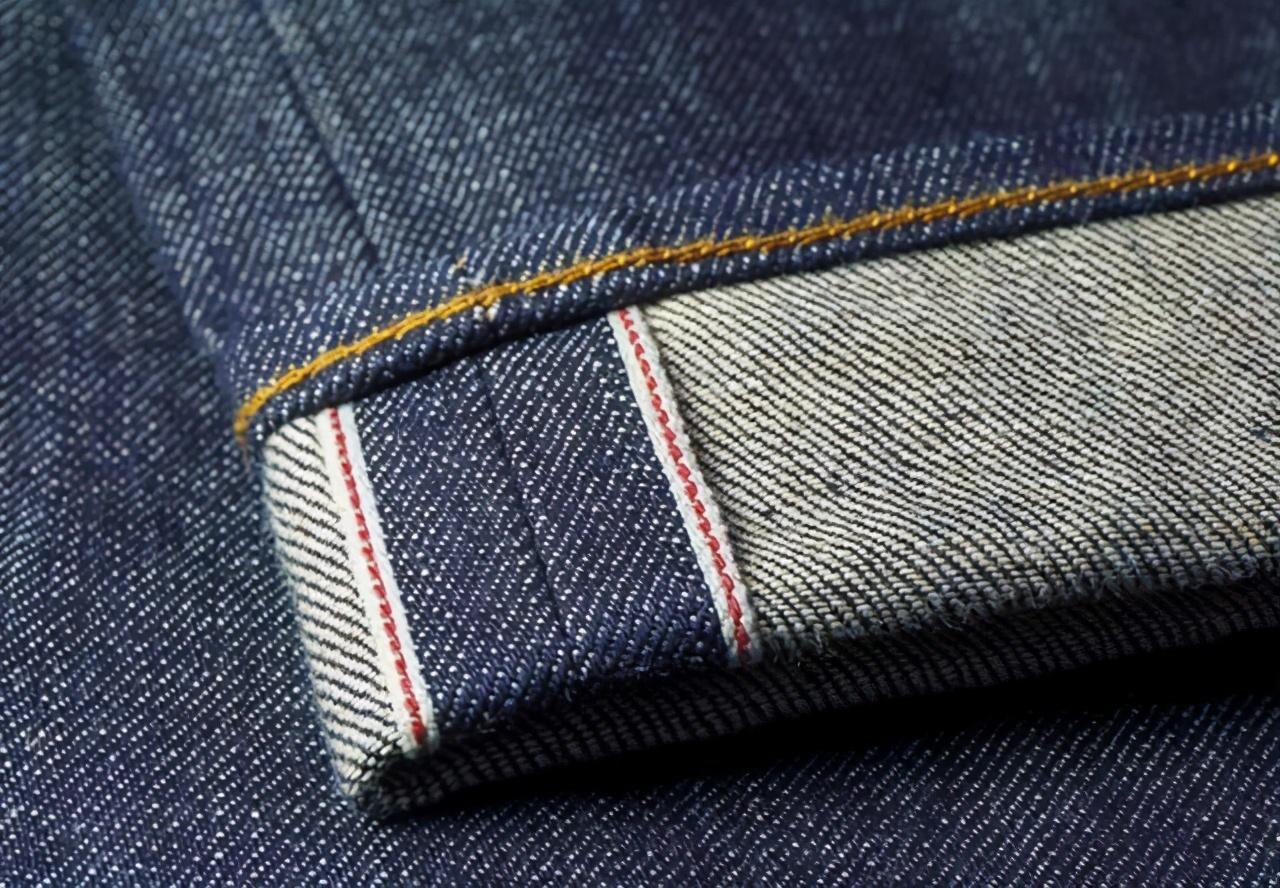
Selvedge in English refers to a kind of denim fabric produced using old-fashioned narrow shuttle looms. This fabric is much narrower than ordinary fabrics and has a generally red hem. This hemming is the selvedge. According to the different colors, they are called “red ears”, “green ears”, “black ears”, “tiger ears”, etc. The red ears can be seen when jeans are hemmed. The original function of the red ears is to prevent the edges from unraveling.
Pant ears
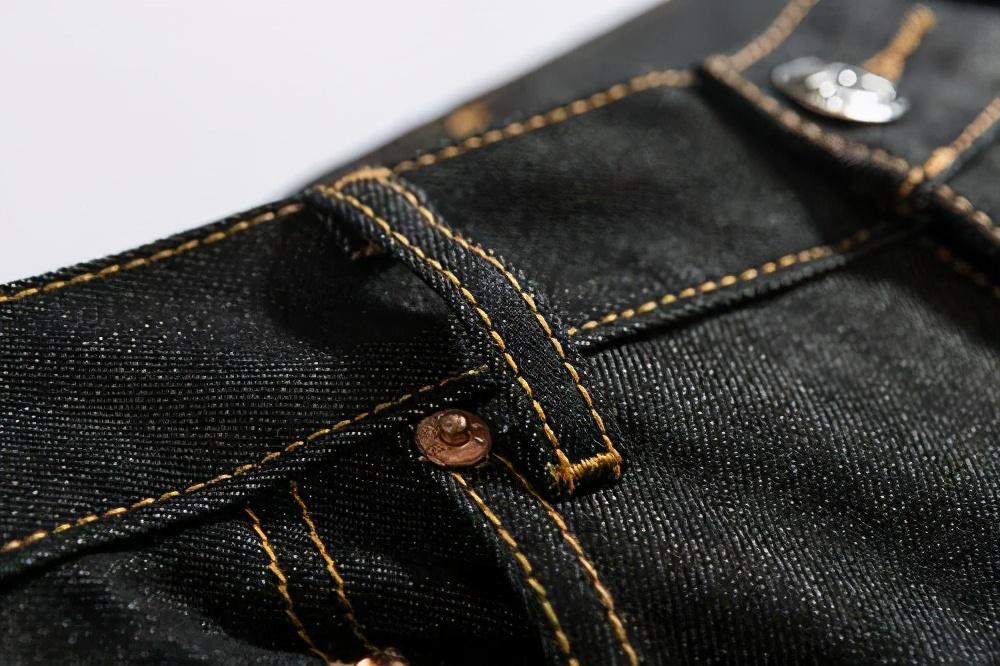
Pant ears refer to the slender strips of cloth designed at the waist, which serve to fix the belt. Generally, there are 5 buttons on pants, two on the front of the pants, one on the left and right waists, and one in the center of the back.
Pocket watch bag
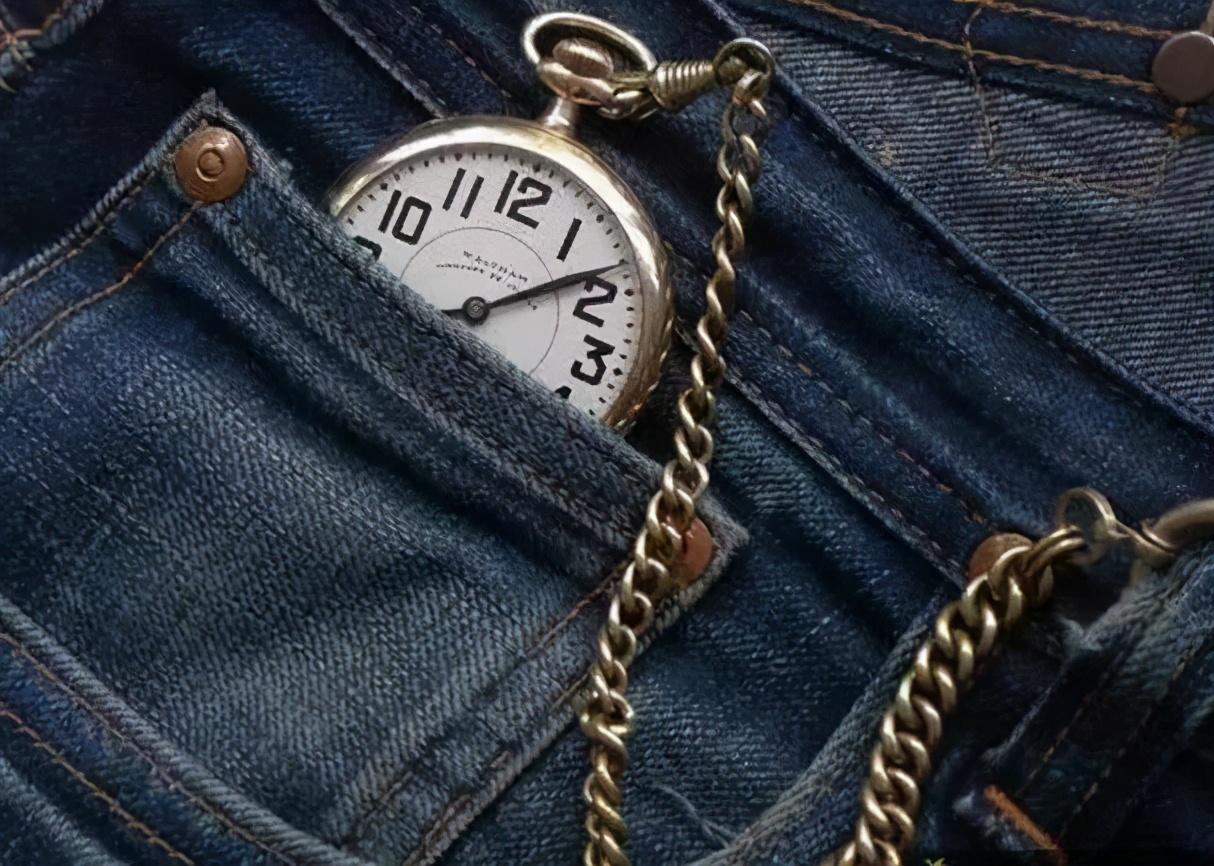
Levi Strauss, who invented jeans in 1873, founded the famous Jeans brand Levi’s originally designed trousers for workers. He discovered that workers at that time would carry a pocket watch with them to tell the time, so he added a small pocket of similar size to the trousers. To protect their pocket watches from scratches, workers would place them in small pockets of their jeans. This pocket is made very small, so the pocket watch will not fall out easily, so this small pocket is also called “pocket watch bag”!
Cat whiskers
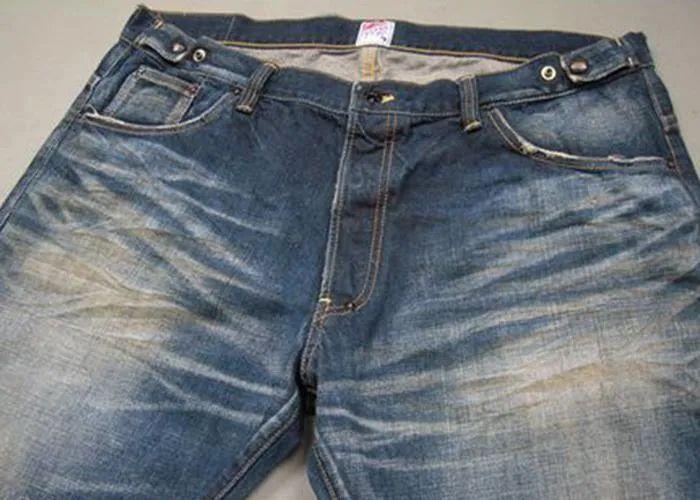
Cat whiskers are formed on the hips, knees or thighs of jeans due to long-term wear, fabric stacking and natural friction. With natural wrinkles and fade effects, these textures look like cat whiskers, so they are called whiskers.
Train rails
Refers to the fading marks on both sides of the trouser legs from top to bottom that resemble train rails.
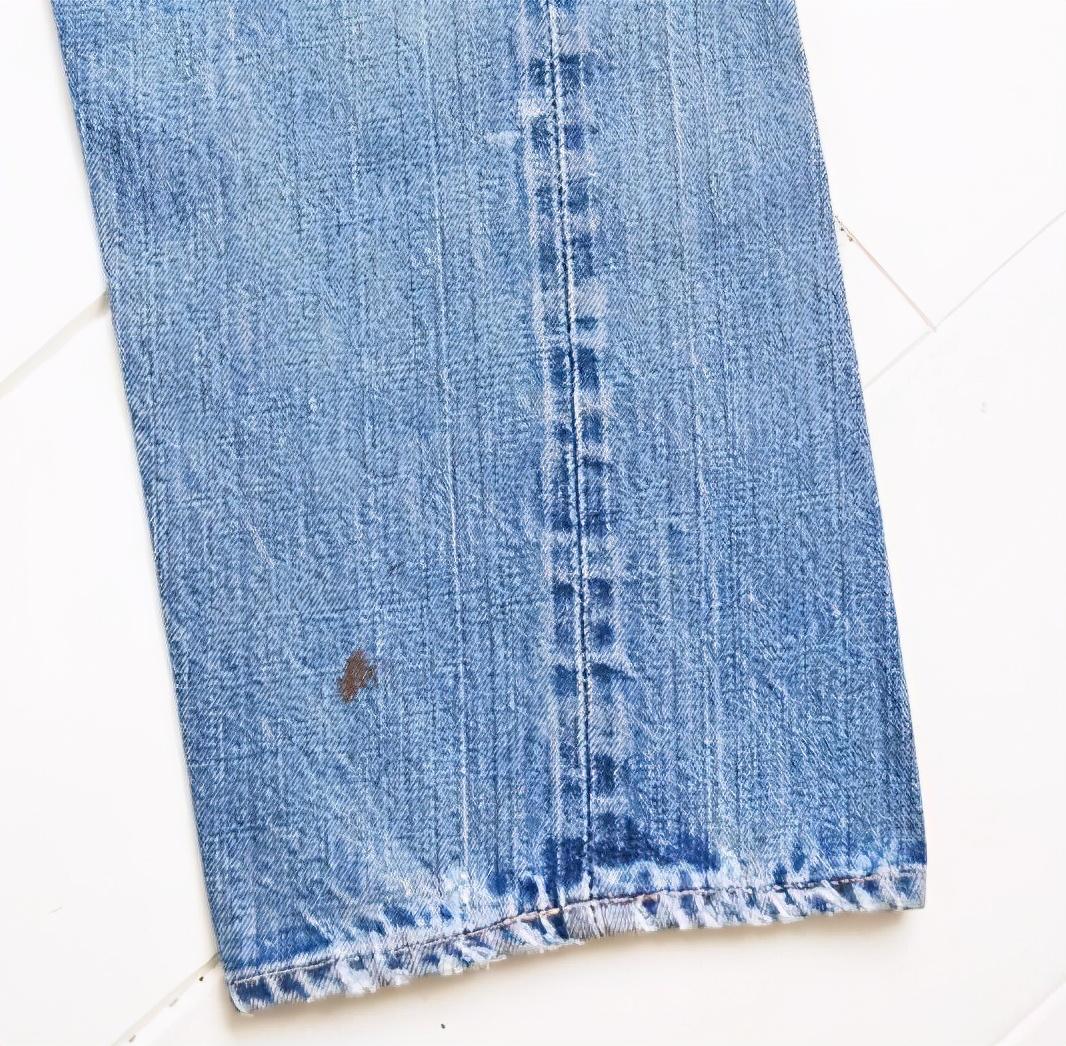
Tornado
It is located at the trouser leg and is also one of the common colors.
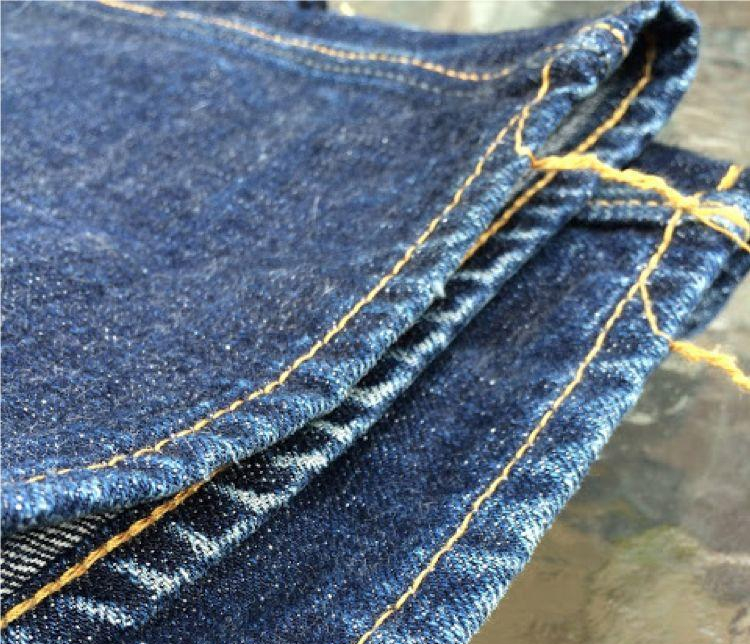
Honeycomb
Honeycombs are the creases left behind the knees of jeans while sitting. They are a visual effect pursued by senior cowboys. It is now part of the cowboy culture.
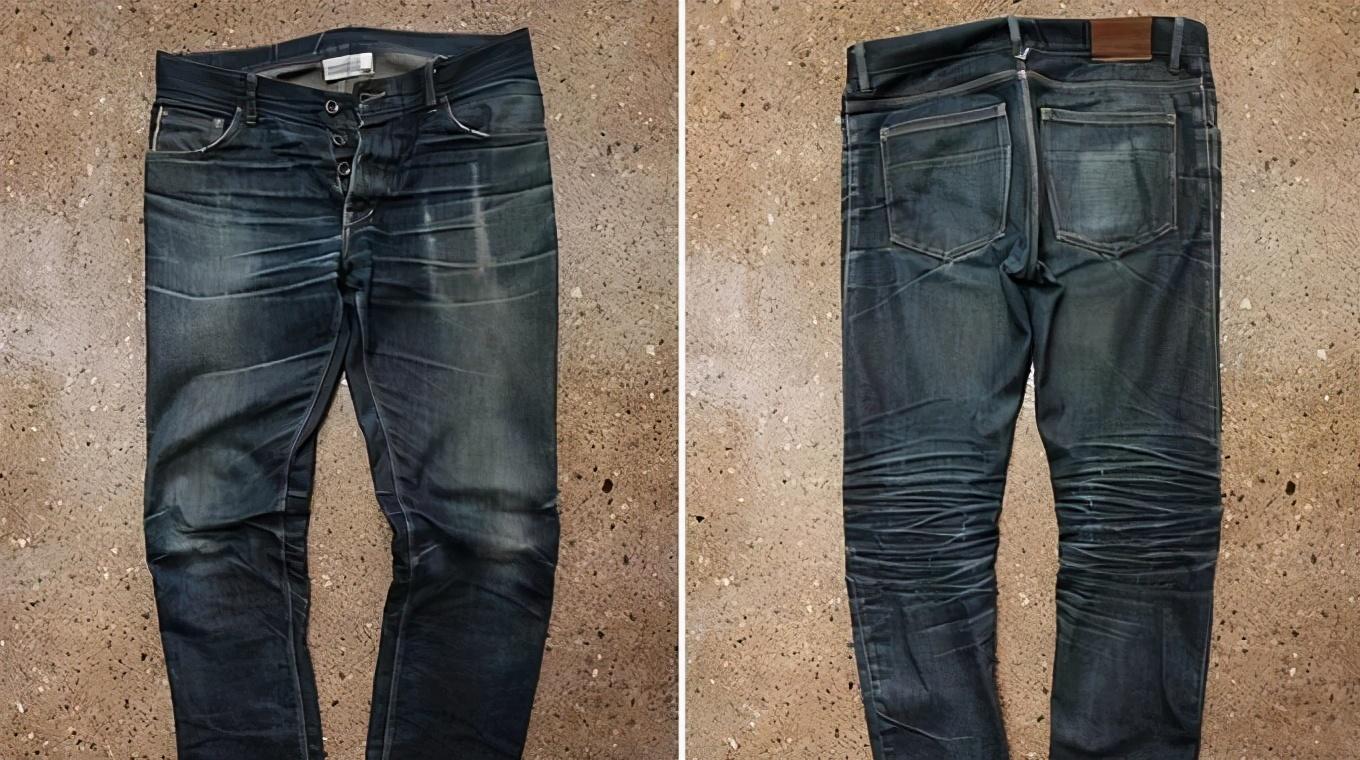
Raw cow and washed cow
During the weaving process of denim, In order to strengthen the tension of the fabric, a layer of paste will be hung on the surface. In the next steps, these jeans will go in two directions: sold as unpulped raw cows, and processed and washed, and most of the washed ones will be distressed, because they are more comfortable to wear. and convenience.
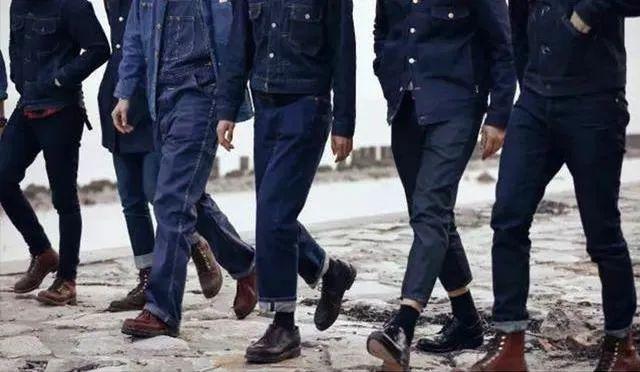
Raw denim
“Raw denim” is jeans without any post-processing. �These “raw cows” are nicknamed “iron pants” because they are heavy and as hard as iron sheets. After desizing “raw cow”, the fabric will become slightly softer, and the jeans after desizing will shrink by about 3% to 10%, because raw cow has not been shrink-proofed. Without washing raw ox, there will be no post-texture processing effects, such as cat whiskers, holes, tornadoes, etc.
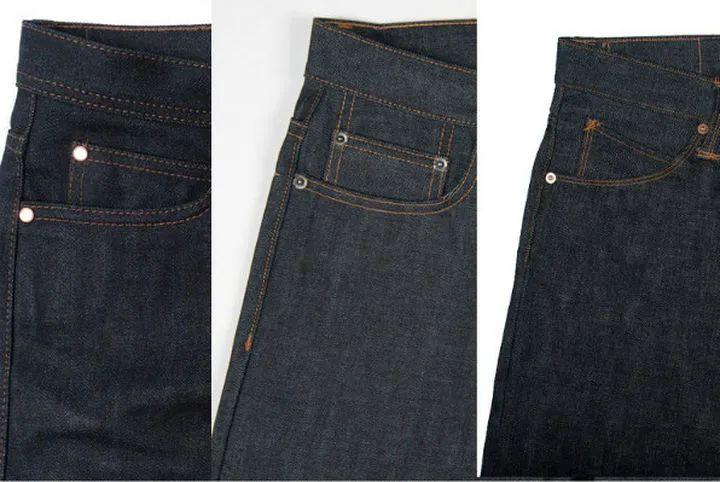
The process of going from a pair of raw jeans to a pair of good-looking jeans is called “cattle raising”. Raising cattle requires processes such as deslurrying, cleaning, maintenance, and preservation, so it requires a long period of wearing and training. Because raising cattle can produce different fading effects, the effect produced by polishing it with your own heart can truly belong to your own style. Maybe this is the charm of raising cattle.
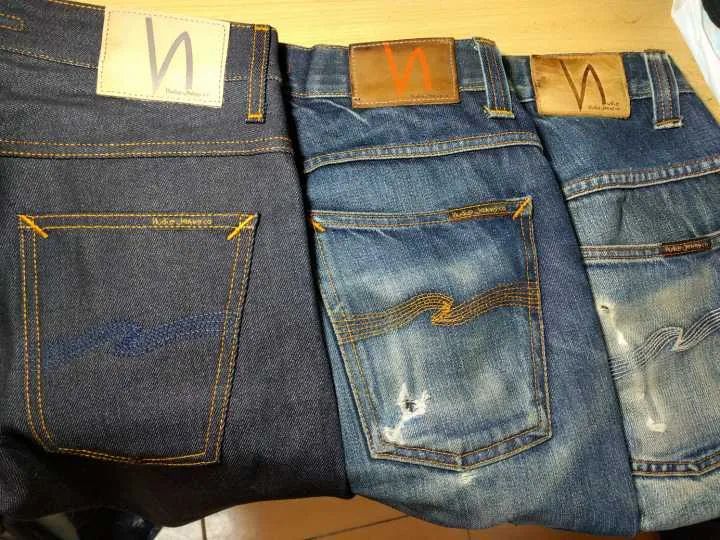
Washed cow
This kind of jeans is what most of us wear daily. It has been desizing, shrink-proof, and solid. A type of jeans that are sold to the outside world only after a series of treatments such as coloring and distressing. This kind of jeans is relatively softer and more comfortable, and you don’t need to deal with it too much yourself.