
In daily life, we often encounter various problems when washing clothes? For example: clothes fade, sweaters grow longer with more washing, pure cotton clothes become very old after not being washed a few times, etc. What? How can we keep the clothes looking the same as when we first bought them? Today I will share with you the knowledge of washing clothes.
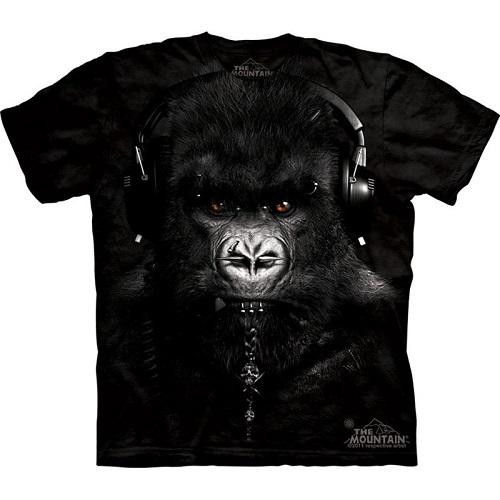
Printed T-shirts
Do not pull, rub or twist the printed area; do not iron to prevent the printing from falling off; the rib fabric has good elasticity, and the printed area will not be pulled too much when it is pulled too much. Easy to fall off.
Elastic T-shirts
Elastic fabrics cannot be ironed at high temperatures to prevent damage to the fabric’s elasticity; they cannot be floated, which will damage the fabric’s elasticity; some elastic fabrics are woven with core-spun yarn, and the yarn is relatively thin. Fluffy, be careful not to use too much weight when washing to prevent excessive fluffing.
Thin cotton T-shirts
Do not wash with too much weight, and do not wash it with other thick clothes to prevent deformation, excessive fluffing and scratches. It is best to wash it separately; light and thin fabrics have low elasticity, so be careful to prevent hard objects from snagging the yarn and causing holes when wearing it daily;
T-shirts made of other materials
Jacquard fabric has a loose structure. There are long floating threads on the reverse side of the fabric, so try not to wash them with other thick clothes or clothes with zippers to prevent snags or scratches on the fabric. Because the floating threads are on the reverse side, this type of clothing should not be washed inside out;
Viscose knitted fabrics (such as Modal – more common in women’s clothing) are soft to the touch and light and thin. These fabrics have low wet strength and are prone to fibrillation and fluffing in water, so they can only be machine washed gently.
Silk fabric clothing
After washing, place it in a cool and ventilated place to dry naturally, preferably with the wrong side facing out. This is especially important with darker or brightly colored clothing. Because silk clothing has poor sunlight resistance, it cannot be exposed directly to the sun, otherwise it will cause the fabric to fade and reduce its strength. In addition, avoid using fire to bake silk clothing.
Pure cotton, cotton and linen fabric clothing
This type of clothing can generally be placed directly in the sun, but in order to avoid fading, it is best to face out. Because the strength of this type of fiber hardly decreases or decreases slightly under sunlight, it will not deform.
Clothes made of chemical fiber fabrics
After washing chemical fiber clothes, it is best to dry them in a cool place. Because acrylic fibers are prone to discoloration and yellowing after exposure to sunlight; nylon, polypropylene and man-made fibers are prone to aging when exposed to sunlight; polyester and Velen will accelerate the photochemical decomposition of fibers under the influence of sunlight, affecting the life of fabrics.

Wool clothing
After washing, it should be placed in a cool and ventilated place to dry naturally, with the wrong side facing out. Knitted fabrics such as woolen sweaters and sweaters: In order to prevent such clothes from deforming, put them into mesh bags after washing and hang them in a ventilated place to dry; use two hangers when drying to avoid deformation due to excessive hanging; You can also use bamboo poles or plastic pipes to string them up to dry;
Which clothes are suitable for dry cleaning?
Suits, ties, woolen sweaters, cashmere coats, duvets, down jackets, blankets, leather jackets, leather gloves , suede leather jackets, fur coats, fur collars, shearlings, etc., as well as suits commonly worn by office workers, all need to be dry cleaned. If conditions permit, they can also be sent to a dry cleaner that specializes in sterilization for sterilization and dry cleaning.
Work clothes in the engineering industry suffer from serious oil and grease contamination, and they are usually made of cotton fabrics. In order to avoid shrinkage problems caused by ordinary washing, dry cleaning methods should also be used. There are also linen fabrics that shrink a lot, and clothes that fade easily need dry cleaning. Precious and elegant wool clothing is mainly dry-cleaned. Washing can easily damage the texture and wool feel of the clothing, and may also cause style distortion or discoloration.