
The structure of the jacket refers to the structure of the jacket fabric, which is also the core part of the jacket. Usually, jackets are designed with composite fabrics composed of waterproof breathable films and other materials. According to the structure , generally can be divided into 2 layers, 2.5 layers, and 3 layers. No matter how many layers a jacket has, most of their design and performance are very similar. They are basically composed of 3 layers of materials, with the main difference being the innermost layer of the jacket.
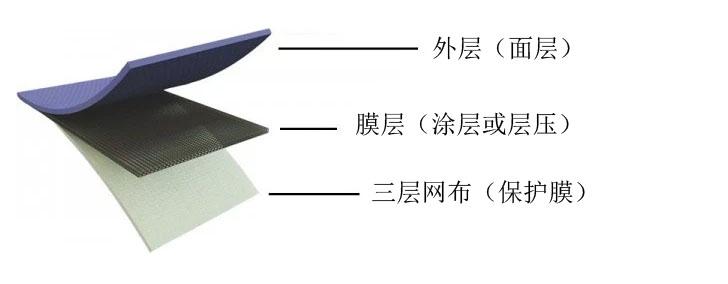
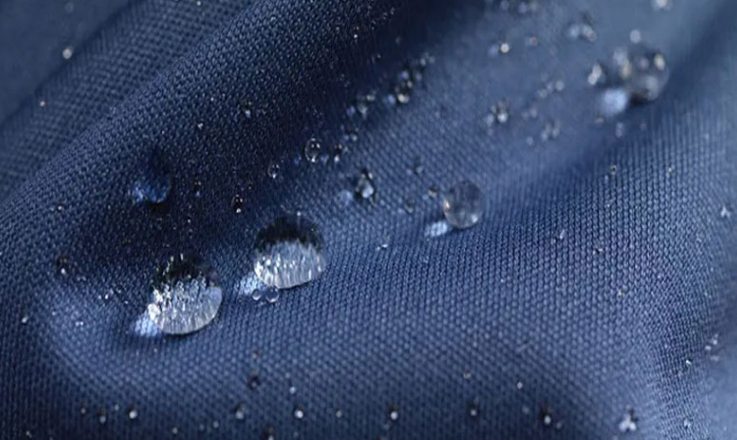
Outermost layer: It is usually a protective fabric composed of nylon or polyester fiber. Here is a value you can refer to, that is denier (D), this value represents the fiber thickness and weaving density of the fabric. The higher the value, the thicker the fabric. Its surface is generally coated with a water-repellent layer (DWR), which is why the jacket can prevent rain. .
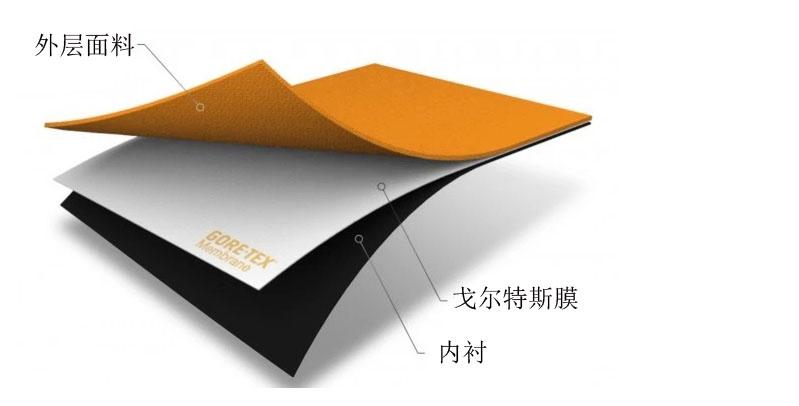
Middle layer: generally waterproof and breathable films such as EVENT, Gore-Tex, other patented films or coated fabrics. This layer of fabric is generally waterproof Breathable and waterproof membranes are adhered under the surface fabric.
The innermost layer: It is mainly used to protect the waterproof layer from the inside and is the key to all differences.
The innermost layer of the three-layer structure is usually an ultra-thin polyurethane (PU) film or other similar lining to prevent sweat and grease from clogging the pores in the waterproof and breathable coating. , thereby ensuring the breathability of the jacket. Its biggest advantage is that it is durable, and because it is protected by the lining, it is very effective in preventing tearing and preventing the breathable layer from clogging, and it is heavier than a 2.5-layer jacket.
The structures of 2.5-layer and 3-layer jackets are similar, but it is lighter than the 3-layer jacket. The reason is also that the innermost layer of the 2.5-layer jacket is a very thin polyurethane composite coating. Or other coatings, because this coating is “coated” on the waterproof layer, which is why it is called 2.5 layers. The breathability of 2.5-layer and 3-layer is the same, but the experience when wearing it is different. The 2.5-layer jacket may feel sticky and wet when worn. This is because the waterproof coating absorbs sweat, which I feel is not designed. It’s good, and that’s probably its shortcoming, but compared to 3 layers, it’s really much thinner and lighter. Finally, with the continuous updating of materials and designs in recent years, the internal stickiness of 2.5-layer jackets has been reduced a lot. 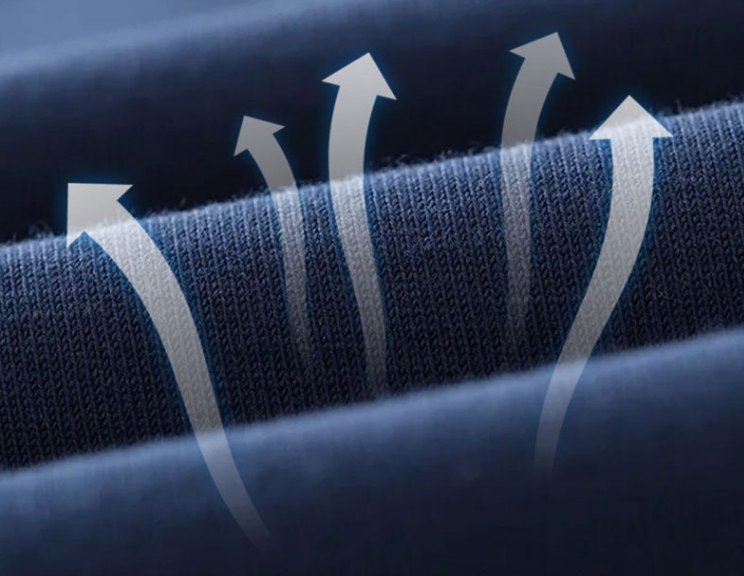
The innermost layer of a 2-layer jacket is generally an independent loose lining, usually a mesh, used to protect the waterproof and breathable coating. The price is relatively cheap. Disadvantages It is also obvious that they are generally very heavy in weight and very large in size, and are no longer suitable for outdoor use. Due to obvious shortcomings, basically few people choose them now, and there are relatively few on the market.