
Oxford cloth and nylon are two different materials. Oxford cloth is a general term for fabrics. The materials include polyester, nylon, cotton, acrylic, aramid, etc.
Nylon is a kind of material. Polyamide is commonly known as nylon (Nylon), and its English name is Polyamide. It is the general name for polymers containing amide groups in the repeating units of the macromolecular main chain.
So what is the difference between Oxford cloth and nylon? Which one is better, Oxford cloth or nylon?
Oxford cloth:
It is a new type of fabric with various functions and wide uses. Currently, the main materials on the market include: polyester, nylon, aramid, acrylic and other varieties. According to the organization, it mainly includes: plain Oxford cloth, twill Oxford cloth, plaid Oxford cloth, and jacquard Oxford cloth.
1. Polyester Oxford cloth
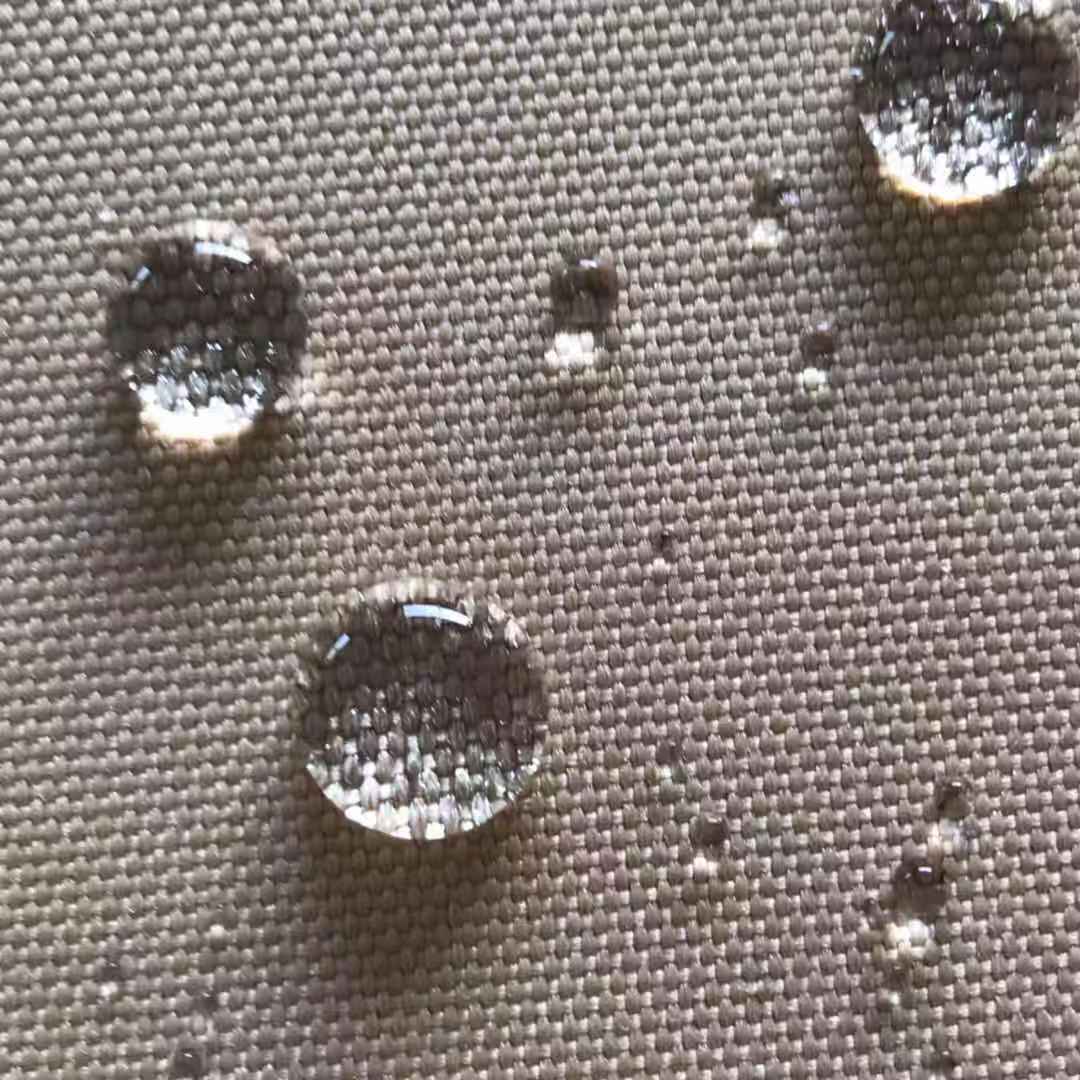
Polyester Oxford cloth is woven from polyester filament, which is divided into polyester filament, polyester low Elastic yarn, polyester staple fiber. Solid polyester Oxford cloth is divided into polyester filament Oxford cloth, polyester low elastic fiber Oxford cloth and polyester yarn Oxford cloth. After being treated with alkali, dyeing, anti-static, and coating, polyester Oxford cloth has the advantages of light texture, soft hand feel, good waterproofness, and good durability. Commonly used as bags, tents, car covers, awnings, etc.
2. Nylon Oxford cloth (nylon Oxford cloth)
Nylon Oxford cloth, also known as nylon Oxford cloth, common specifications include 210D nylon Oxford cloth, 420D nylon Oxford cloth, 840D Nylon Oxford cloth, 1680D nylon Oxford cloth, 500D nylon stretchable cloth, 1000D nylon Oxford cloth, the product is woven by water-jet loom. After being dyed, finished and coated, the gray fabric has the advantages of soft hand feel, strong drape, novel style, good waterproof performance, etc. The cloth has the luster and sensory effect of nylon silk. Because of its excellent quality and novel colors, it is deeply loved by users. The colors on the market include navy blue, light black, tiger yellow, dark green and other different colors, and various colors can be selected and dyed in batches according to customer needs.
3. Aramid Oxford cloth is woven from aramid fiber. Aramid fibers mainly include aramid 1313 and aramid 1414. Aramid fiber has excellent flame retardant properties and is often used in fire-proof oxford cloth, aramid oxford cloth, fire-fighting clothing oxford cloth, and fire-fighting oxford cloth. The products have a wide range of uses.
4. Acrylic Oxford cloth is mainly woven from acrylic staple fiber. Oxford cloth woven from acrylic liquid-dyed yarn has excellent light fastness. The light fastness can reach American standard level 4 and European standard level 8. It can be guaranteed not to fade for more than three years. Commonly used in various types of awnings, tents and other products.
Nylon
Nylon fabrics are mainly divided into three types: nylon velvet, nylon velvet, and nylon Oxford cloth.
1. Nylon fabric is woven from fine denier nylon yarn. Commonly used nylon yarn specifications are 20D.
30D, 40D, 70D.
Common specifications according to density include 190T nylon spinning, 210T nylon spinning, 260T nylon spinning, 300T nylon spinning, 380T nylon spinning, and 400T nylon spinning. Density of 300T nylon or above is commonly used in down jackets, parachutes, etc.
190T nylon and 210T nylon are often used as clothing linings. After finishing with PU coating, PVC calendering, etc., it can also be used for outdoor waterproof purposes such as raincoats and tents.
2. Nylon velvet fabric, 70D nylon filament in the warp direction and 160D in the weft direction.
320D,
It is woven from 500D nylon air-changed yarn. The air-changed yarn is a product produced using special processing technology, which produces the concave and convex feel and soft touch of natural linen. At the same time, it overcomes the wrinkle resistance of natural linen and is washable and easy to care for.
The nylon taslan woven with hollow yarn has a natural wool feel and good fastness, which is different from ordinary brushed peach skin velvet. After coating, it is often used in various types of jackets, jackets and other outdoor clothing fabrics.
3. Nylon Oxford cloth, the main specifications are 210D nylon Oxford cloth, 420D nylon Oxford cloth, 840D nylon Oxford cloth, 1680D nylon Oxford cloth, 500D nylon stretchable, 1000D nylon Oxford cloth. This has been explained in the Oxford Cloth section.
Generally speaking, Oxford materials are wear-resistant and tear-resistant, and have various kinds of finishing. Nylon materials are highly wear-resistant, ranging from light and thin nylon to thick nylon Oxford cloth. Nylon materials are expensive and have higher strength than ordinary polyester oxford cloth with the same specifications and weight.
Oxford cloth and nylon have their own application ranges, and it is impossible to evaluate which one is better from a single perspective.