
Why does it crackle when I take off my clothes in winter~
In addition to the dry weather, the generation of static electricity is also related to the composition of the clothes
Friends, do you know which fabrics are prone to pilling and static electricity? Why are pure cotton clothes so comfortable to wear? Why do people like to wear linen in summer? What is the difference between polyester, acrylic and nylon?
Common clothing fabrics on the market are divided into natural fiber fabrics and chemical fiber fabrics:
Natural fibers come from nature as the name implies
There are four common natural fibers They are silk, cotton, wool (animal fiber) and linen (plant fiber)
In addition, there are also artificial cellulose formed by processing and processing of natural cellulose such as cotton and linen
For example, rayon, acetate, modal fiber
And chemical fiber is pressurized by chemical liquid
so that it is sprayed out from a small hole
Thus forming uninterrupted, continuous columnar or thin linear fibers
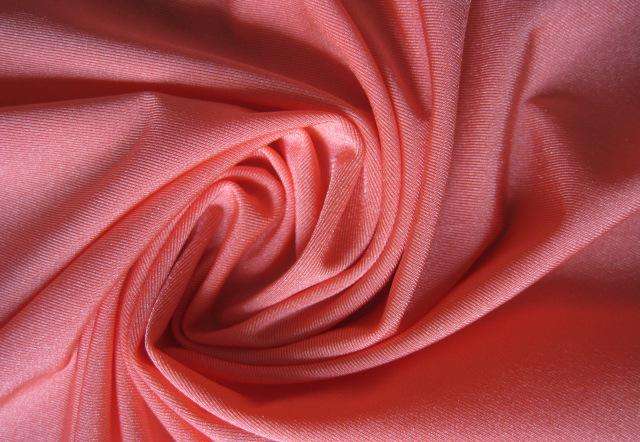
Common synthetic fibers include nylon (nylon), polyester and acrylic, which are collectively called polyester fibers
Classification of common chemical fibers
1
Polyester: good strength, easy to static electricity
Polyester feels like cotton, but the material is crisp, wrinkle-resistant and washable. In terms of output, polyester is definitely the biggest among chemical fibers. When China’s chemical industry was underdeveloped in the early days, “Chenliang” shirts were very popular, but they were actually polyester shirts. Polyester products lack affinity with the human body. Currently, polyester fabrics are often used to make blankets and carpets with various feel.
2
Nylon: strong and wear-resistant, easy to static electricity
Nylon is the first chemical fiber that appeared in the world and is the strongest and most wear-resistant among chemical fibers. variety. According to its characteristics, women’s leggings are commonly used and are generally mixed with spandex (elastic fiber). The disadvantage is that it is easy to deform under small external force, so its fabric is easy to wrinkle during wearing; it has poor ventilation and permeability and is prone to generate static electricity.
3
Acrylic: the “wool” among chemical fibers
Acrylic fabric, also known as synthetic wool, is a high-grade fiber among chemical fibers. Its performance is very similar to wool, with good elasticity. The rebound rate can still maintain 65% when stretched by 20%. It is fluffy, curly and soft. Its warmth retention is 15% higher than wool, but the cost is much lower than wool. Many wool fabrics now contain acrylic as a component. Acrylic fiber is generally used for knitted sweaters, and can be spun purely or blended to make a variety of woolen materials, blankets, and sportswear.
4
Vylon: the “cotton” among chemical fibers
Vylon is known as “synthetic cotton” and is the most hygroscopic variety among synthetic fibers, with a moisture absorption rate of 4.5% ~ 5%, close to cotton (8%). The most popular silk fillings nowadays are often vinylon.
5
Polypropylene: light, warm, non-hygroscopic
Polypropylene fiber is the lightest fiber among common chemical fibers. Because it does not absorb moisture, it can be used to make diapers and mosquito nets.
6
Spandex: Born for elasticity
Spandex, commonly known as Lycra cotton, is the fiber with the best elasticity and the weakest strength among chemical fibers. Spandex is a highly elastic fiber necessary for high-performance clothing that pursues dynamics and convenience. It is comfortable to wear, soft to the touch, wrinkle-free, and can always maintain its original silhouette. Spandex is widely used in textile fields such as underwear, underwear, casual wear, sportswear, socks, etc. due to its characteristics.
↑↑
Cotton pants are generally made of spandex
When you buy clothes in the future, will you no longer be confused about the fabric content of clothes?