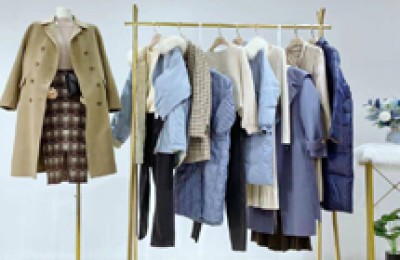

Different children’s clothing fabrics have different comfort levels
Some fabrics are good at keeping warm
Some fabrics are good at breathability
Some fabrics can better protect against cold and wind
How to choose fabrics
What are their respective advantages and disadvantages?
Cotton fabric/Cotton fabric
Introduction: Cotton fabric, also known as cotton cloth, is a fabric woven with cotton yarn as raw material. Cotton fabric has become one of the most commonly used fabrics due to its excellent wearing properties and is widely used in clothing fabrics, decorative fabrics and industrial fabrics.
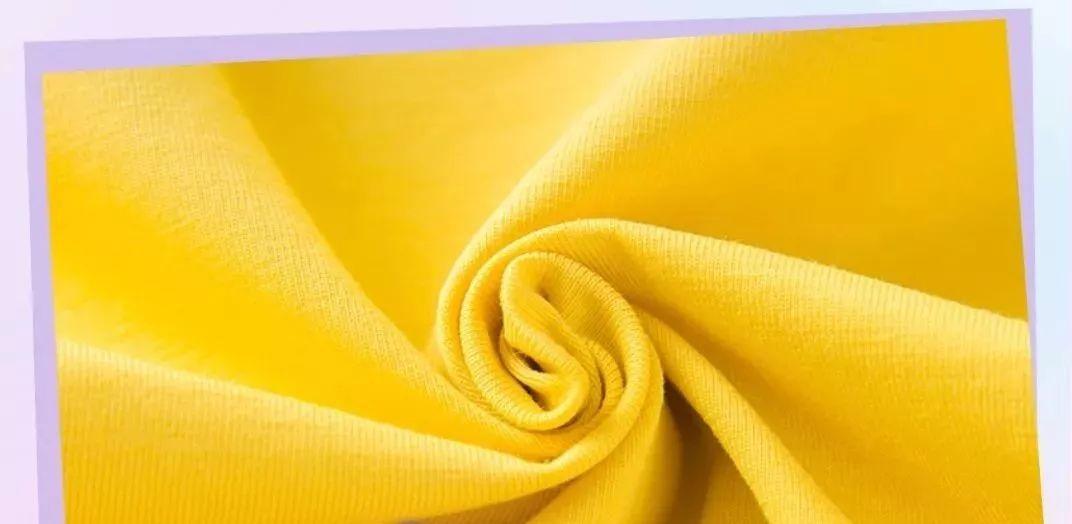
Tips on storage, use and storage of clothing and cotton cloth
Should be moisture-proof and mildew-proof
Do not expose to the sun for a long time
When drying Need to turn the inner layer out
Do not soak for a long time
Do not wring out, moisture-proof
Mold-proof, dry in the shade
Advantages and disadvantages
MERITS AND DEMERITS
Advantages: strong hygroscopicity, good dyeing performance: soft to the touch, comfortable to wear, simple appearance; not easy to be eaten by insects, strong and durable
Disadvantages : Large shrinkage, poor elasticity; easy to wrinkle, poor shape retention; easy to mildew, slight fading; not acid-resistant
Note: Ironing at low or medium temperature; ironing at medium temperature requires Cover any clothes with a dry cloth to avoid wrinkles
Whole cotton mercerized material/Whole cotton filament
Introduction: Mercerized cotton is also pure cotton, but it has one more mercerization than pure cotton. The craftsmanship is the difference in craftsmanship.
Cotton fiber products have long been loved by people because of their good moisture absorption properties, soft hand feel and comfortable touch when in contact with the human body. Unprocessed cotton fiber products are prone to shrinkage, wrinkles, and poor dyeing effects, so a large number of cotton fiber products need to be mercerized. The mercerized cotton fiber has undergone physical changes in its fiber morphological characteristics. The natural longitudinal twist disappears, the fiber cross-section expands, the diameter increases, and the cross-section is approximately circular, which increases the regular reflection of light and makes the surface of cotton fiber products It has a bright silk-like luster; and due to its tight molecular arrangement, its strength is higher than that of matte yarn, which improves the strength of the cotton fiber and its adsorption capacity for dyes.
Advantages and Disadvantages
MERITS AND DEMERITS
Advantages: Bright color, no discoloration after long-term washing; has the general luster of silk fabrics; relatively stable size, good drape Good
Not easy to pill
Disadvantages: lack of elasticity and stiffness, easy to wrinkle; low color fastness, easy to fade; poor shape retention, easy to shrink and shrink after washing Out of shape (shrinkage is about 4%-12%)
T/C Fabric/T/C Fabric
Introduction: T is polyester, the abbreviation code of TERYLENE; C is cotton , the abbreviation code of COTTON. T/C fabric is a fabric made of polyester yarn and cotton yarn interwoven according to certain rules on a woven machine.
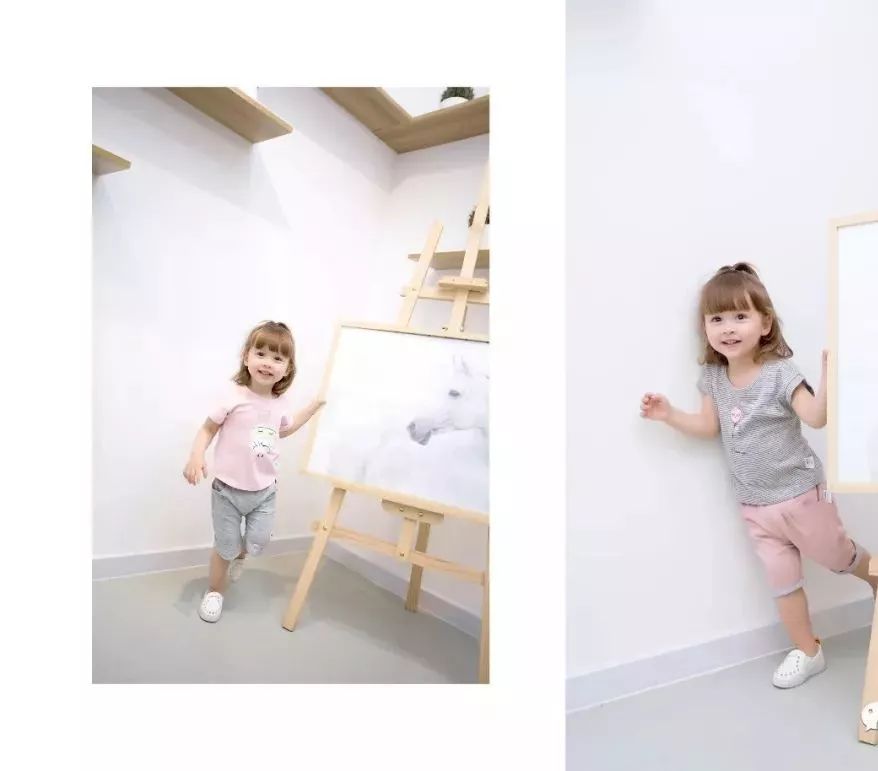
Tips on the storage, use and storage of clothing and cotton fabrics
The washing temperature should be below 30C
The washing and soaking time should not exceed 30 minutes
Do not bleach with chlorine, do not expose to the sun
Do not wring out, do not tumble dry
Suitable for drying in the shade, and pay attention to moisture-proof
Do not dry clean
Use low-temperature steam ironing at 110 degrees Celsius
Advantages and disadvantages
MERITS AND DEMERITS
Advantages: The fabric feels crisp, Smooth and bright in color; elastic in body and bones; good moisture absorption and breathability, smooth surface; certain rainproof function
Disadvantages: strong affinity to oil stains, easy to absorb oil stains; easy to produce during wearing Static electricity attracts dust; cannot be ironed at high temperature or soaked in boiling water
Wool
Introduction: Worsted wool fabrics are mainly made of pure sheep wool, and can also be mixed with a certain proportion of wool. High-end clothing fabrics made of wool-type chemical fibers or other natural fibers, processed by combing equipment, and processed through multiple carding, combining, drafting, spinning, weaving, dyeing and finishing.
Tips on storage, use and storage of clothing and cotton
Do not wash at too high a temperature
Avoid vigorous scrubbing and wringing
Avoid sun exposure
Advantages and disadvantages
MERITS AND DEMERITS
Advantages: soft and elastic feel; soft and natural luster, comfortable and beautiful to wear; good hygroscopicity, not easy to conduct heat ;Good warmth retention and wrinkle resistance
Disadvantages: Not resistant to alkali; severe shrinkage; easy to wrinkle
In addition to the above fabrics, what other commonly used fabrics are used for children’s clothing?
Corduroy
It feels soft, the velvet strips are round and straight, the texture is clear, the velvet is plump, and the texture is firm and wear-resistant.
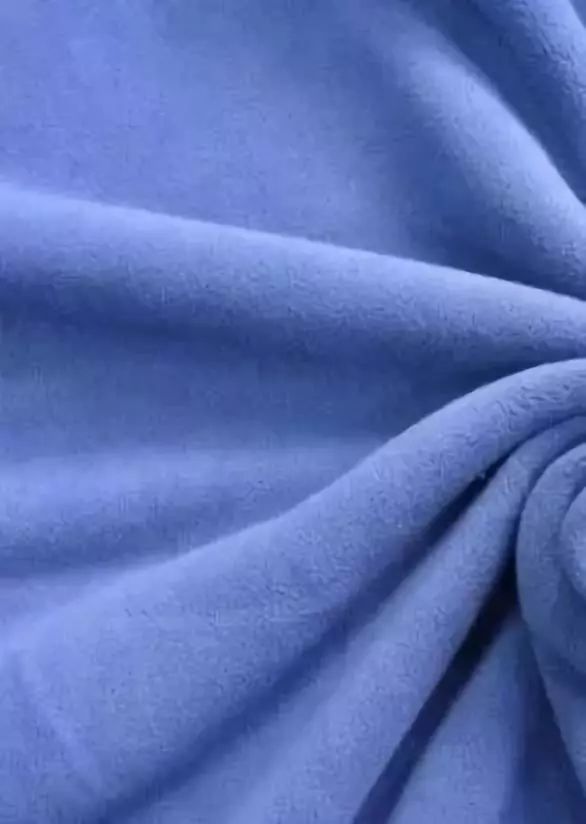
Polar fleece
Polar fleece is a kind of knitted fabric. It has a small ingot knitted structure. The front of the fabric is brushed and the polar fleece is fluffy and dense. And it is not easy to shed and pill. The nap on the back is sparse and even, the fluff is short, the texture is clear, and the fluffy elasticity is very good. Its ingredients are generally pure polyester and soft to the touch. It has been the first choice product to keep out the cold in the past two domestic winters.
Hemp fabric
The characteristics of hemp fiber are: good toughness, which is one of the strongest natural fibers. Linen fabric has higher strength and wear resistance than cotton fabric, good hygroscopicity and superior water resistance.It is easy to be corroded by water and become moldy and rotten. It conducts heat quickly and feels cool when worn. The reaction of hemp fiber to acid and alkali is similar to that of cotton, and it is also resistant to alkali but not acid; its affinity for dyes is lower than that of cotton. Due to the characteristics of hemp fiber, linen is durable, comfortable and cool, making it an ideal textile in summer.
Denim
Denim is a thicker yarn-dyed warp-faced twill cotton fabric with dark warp yarns. It is generally indigo blue, and the weft yarn is light in color, usually light gray or scoured white yarn. Also known as indigo labor cloth. The shrinkage rate is smaller than that of ordinary fabrics, the texture is tight, thick, the color is bright, and the texture is clear. Suitable for men’s and women’s jeans, denim tops, denim vests, denim skirts, etc.
Plain knitting
A. Woven: relatively thin, lightweight, but easy to deform.
B. Dense weave: relatively fine, soft, and sweat-absorbent. It is generally used for T-shirts, shorts, dresses, and jackets.
Twill fabric
The fabric is smoother and less prone to wrinkles, and is more suitable for trousers, short and medium trousers, jackets, etc.
Piqué fabric
The surface is rough and feels hard, giving people an uncomfortable illusion, but its material is not easy to deform and does not ball. Wear-resistant, suitable for T-shirts and dresses.
Cotton and linen material
The appearance is rough and easy to wrinkle, but it is breathable and cool. It is suitable for shirts, shorts, trousers, jackets, and dresses. wait.
Why do some brand-name clothes fade easily?
Some summer clothes from well-known brands or clothes worn close to the body are often particularly prone to fading. Some of them are single-color or multi-color printed. According to conventional analysis and inference, there should be no problem with the dye fastness of brand-name clothing.
With the advancement of science and technology, famous brand clothing manufacturers often choose dyes that are closer to natural ingredients for dyeing. This type of dye has poor fastness, but it is harmless to the human body and environmentally friendly.
This type of clothing should not be soaked or stacked for a long time when washing, nor should it be washed at a higher temperature. Currently, non-azo dyes are mainly used. Among textiles printed with this type of dye, some varieties have poor dye fastness. Whether they are dyed fabrics or printed fabrics, the color will fade during washing. This type of clothing is mostly made of cotton fiber-based fabrics, blended fabrics containing cotton fiber, or fabrics containing viscose fiber, and most of them are summer clothing or clothing worn close to the body, among which women’s clothing is more common. Neutral detergent should be used when washing this type of clothing. The washing operation must be continuous and rapid. It is not suitable to soak or stack in water, let alone use higher temperature washing.