
Do you know what nylon is? If you don’t know about nylon, then you must have heard of nylon. Nylon is the common name of nylon, which is a chemical synthetic fiber, and its scientific name is polyamide fiber. The advantages of nylon are: high strength, stable shrinkage, good hygroscopicity, very light, smooth and waxy feel, very good wear resistance, higher than all other fibers, 10 times higher than cotton, 20 times higher than wool, in blended fabrics Adding a little bit of nylon can greatly improve its wear resistance; it is not easy to pill, and its resilience and wind resistance are also very good. So women’s underwear, stockings, swimwear, yoga wear, sportswear, windbreaker,Down jackets all like to use nylon fabrics. Disadvantages are: poor air permeability, easy to generate static electricity, poor wrinkle resistance, not light-resistant, not heat-resistant, not suitable for exposure to the sun,Easily turn yellow when exposed to the sun.
The washing and maintenance methods of nylon fabrics are as follows:
1. The requirements for detergent are not high, and the water temperature should not exceed 40 degrees to avoid being too hot and affecting the clothes. .
2. Do not rub vigorously when washing to avoid small hair balls.
3. Light-colored clothes should be rinsed several times after washing, otherwise they will easily turn yellow over time.
4. Avoid exposure to the sun and drying, and should be dried in the shade.
5. Nylon has poor heat resistance, so ironing at low temperature must be done with steam and not dry ironing.
Nylon is also widely used in industry. Nylon can be used to make cords, industrial fabrics, cables, conveyor belts, tents, fishing nets, etc. Mainly used in national defense as parachutes and other military fabrics.
Among them, aliphatic PA has a wide variety, large output, and wide application. Its name is determined by the specific carbon number of the synthetic monomer. It was invented by the famous American chemist Carothers and his scientific research team.
Nylon fabrics are divided into pure nylon fabrics, nylon blended fabrics and rubberized fabrics.
Fabrics made of pure nylon include nylon taffeta, nylon crepe, nylon, etc.
Nylon blended fabric is a fabric obtained by mixing nylon fibers with other fabric fibers. Nylon and blended fabrics. These include nylon plain weave, nylon etc.
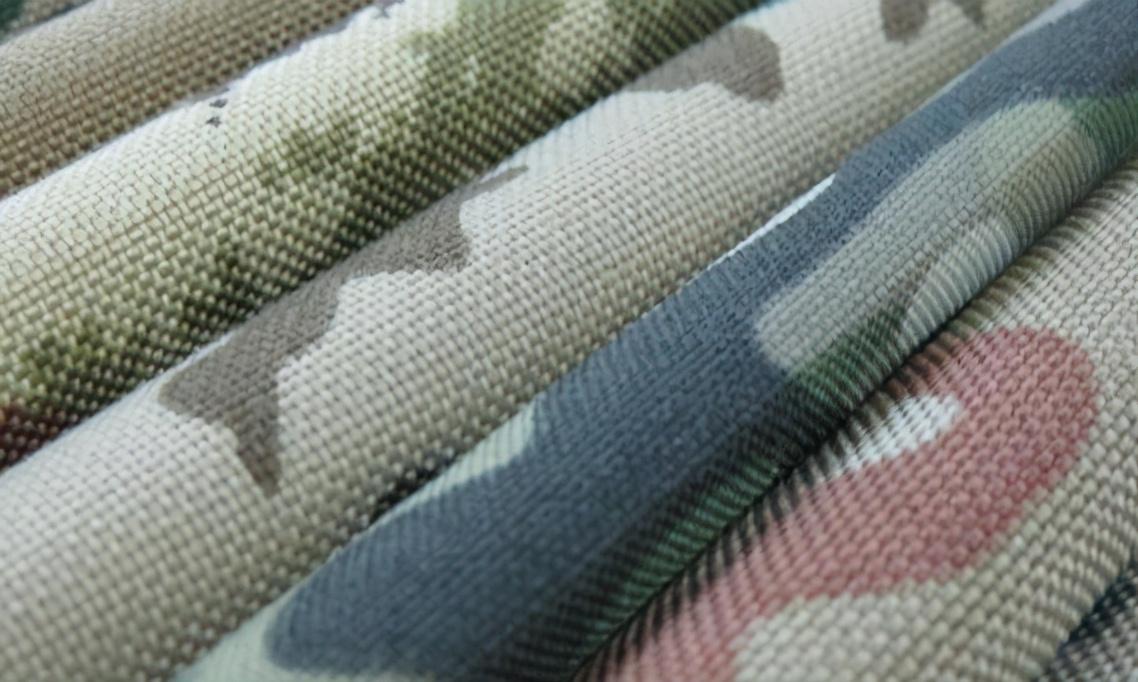
There are many varieties of nylon, but the main varieties are nylon 6 and nylon 66.
Due to its high physical practicality, nylon is not only used in fabrics, but also in other industries. The short fibers of nylon fabric can be blended with other industrial fibers to make ropes and fishing nets, cords for various tires on cars, some parasols and parachutes, etc. At the same time, the use of nylon is becoming more and more widespread. In subsequent developments, the scope of nylon has become more and more extensive.
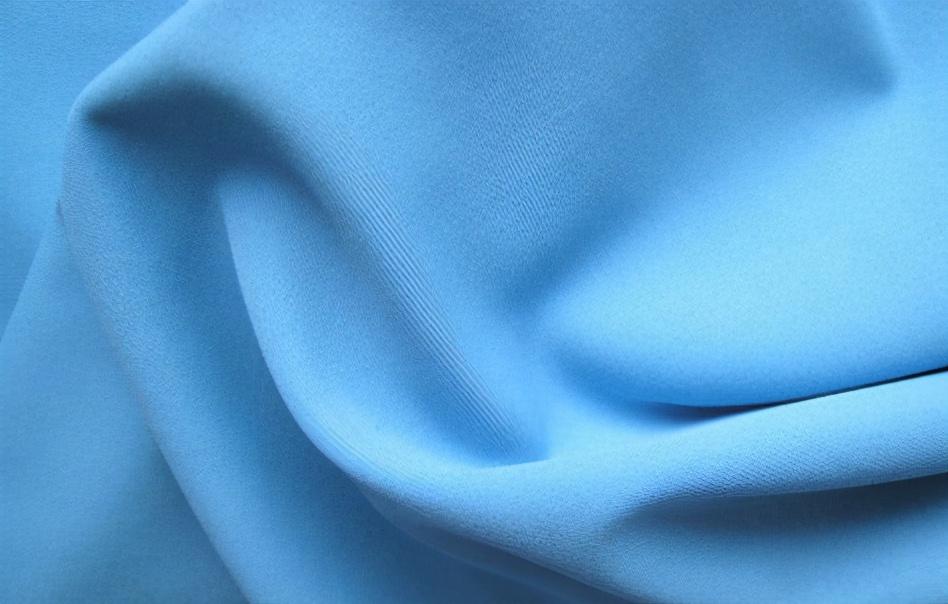
Nylon properties
1. The wear resistance ranks first among various fabrics, many times higher than other fiber fabrics of similar products, so its durability is very good.
2. Hygroscopicity is a good variety in synthetic fiber fabrics, so clothes made of nylon are better than polyester Clothes are more comfortable.
3. It is a lightweight fabric, second only to polypropylene and acrylic fabrics among synthetic fabrics. Therefore, it is suitable for making mountaineering clothing and winter clothing.
4. Excellent elasticity and elastic recovery, but it is easy to deform under the action of a small external force, so the fabric is prone to deformation during wearing. Easy to wrinkle.
5. The heat resistance and light resistance are poor. Pay attention to the washing and maintenance conditions during wearing and use, to avoid damaging the fabric.
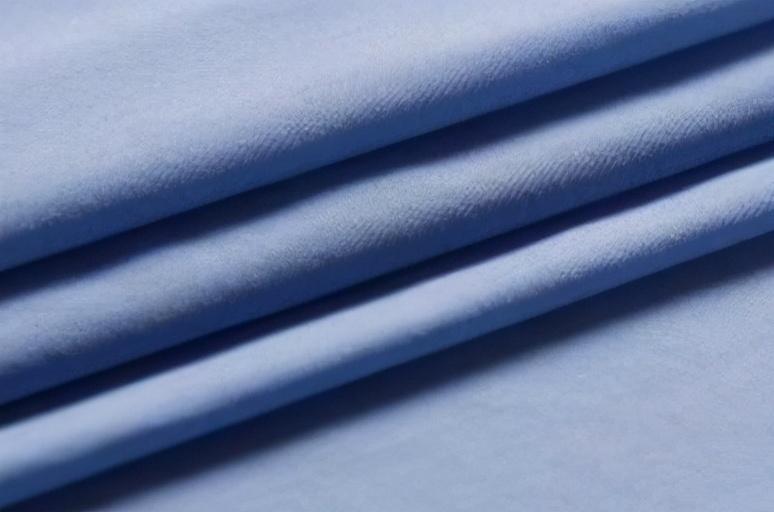
Advantages of nylon
1. High strength and good wear resistance. The biggest advantage of nylon fabric is that it is strong and wear-resistant. Its wear-resistant performance ranks first among all fabrics, many times higher than other fiber fabrics of similar products. It is an ideal material for manufacturing wear-resistant products.
2. Light weight. The density of nylon fabric is small and the fabric is light. It is listed only among synthetic fabrics, after polypropylene and acrylic fabrics, and is lighter than cotton and viscose. Therefore, it is suitable for making mountaineering clothing and winter clothing.
3. Good elasticity and fatigue resistance. Nylon fabric has excellent elasticity and elastic recovery, and its coagulation degree and shape retention rate are second only to polyester.
4. Good dyeability. Nylon has better dyeability than polyester
5. It has good alkali resistance and reducing agent resistance, and is not afraid of mold and insects.
6. Low temperature resistance. Nylon filament has good low temperature resistance. When the temperature is below minus 70 degrees Celsius, its resilience does not change much.
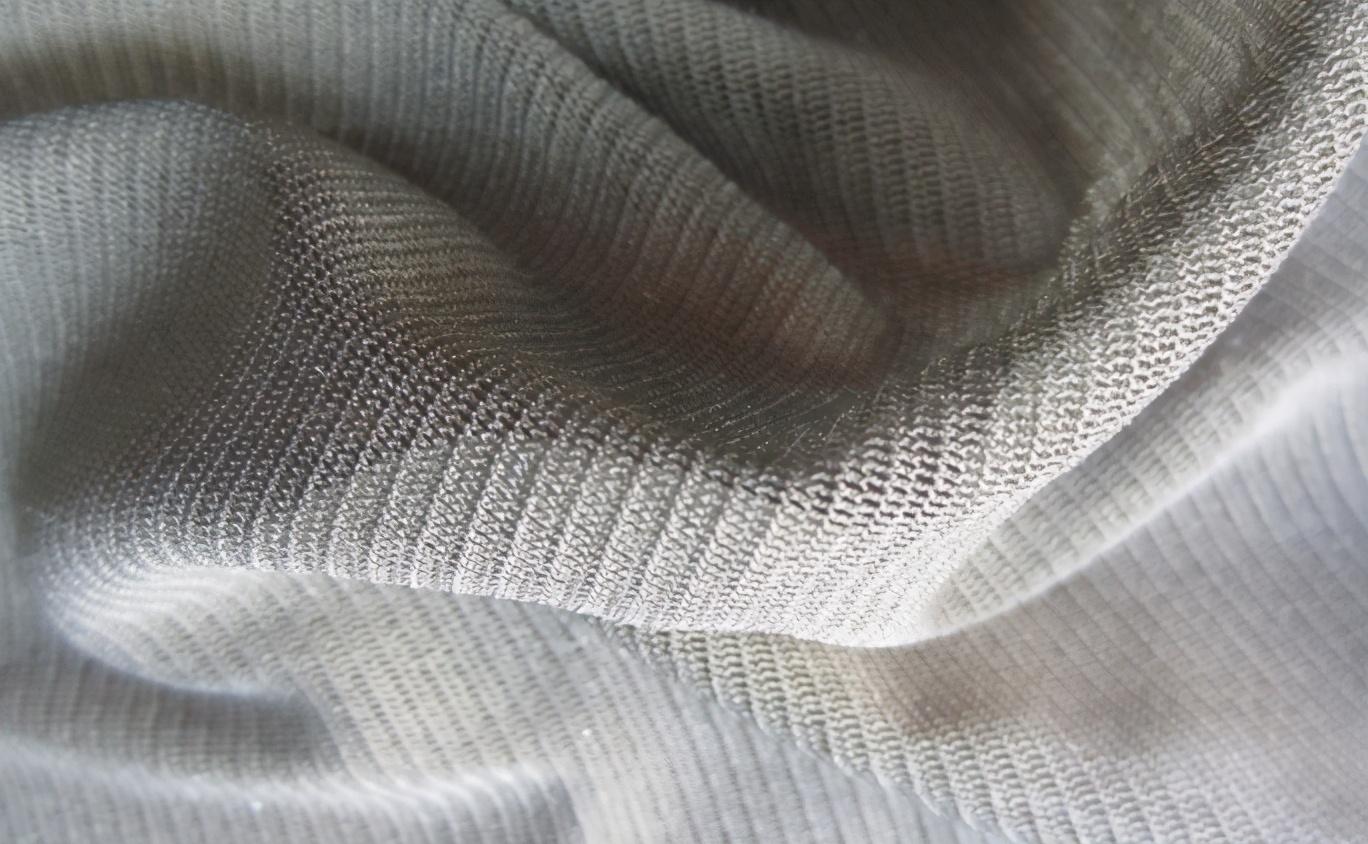
Disadvantages of nylon
1. Poor heat resistance. It turns yellow after 5 hours at 150°C, the strength and elongation are significantly reduced, and the shrinkage is increased. When wearing and using nylon fabrics, you must pay attention to the washing and maintenance conditions to avoid damaging the fabric.
2. Poor light resistance. The biggest disadvantage of nylon fabric is its poor sunlight resistance. After prolonged exposure, the fabric will turn yellow and lose strength. It is not suitable for outdoor fabrics with poor hygroscopicity
3. Low moisture absorption capacity and poor comfort, but better than acrylic and polyester ;
4. Poor acid resistance and poor oxidation resistance.
Static electricity. Its DC conductivity is very low, and it is prone to static electricity due to friction during processing, and it is prone to fluffing and pilling when wearing clothes for a long time.
5. Easily deformed. The initial modulus of nylon is small and it is easy to deform under the action of external force, so its fabric is easy to wrinkle during wearing, and the fabric is not hard.