
In recent years, regenerated cellulose fibers (such as viscose, Modal, Tencel and other fibers) have continued to appear, meeting people’s needs in a timely manner, while also partially alleviating the current shortage of resources and the natural environment. The problem of destruction.
Because regenerated cellulose fiber has the dual performance advantages of natural cellulose fiber and synthetic fiber, it is being widely used in textiles on an unprecedented scale.
Today we will learn about the differences between the three most common fibers: viscose fiber, modal fiber, and lyocell fiber.
01

Ordinary viscose fiber
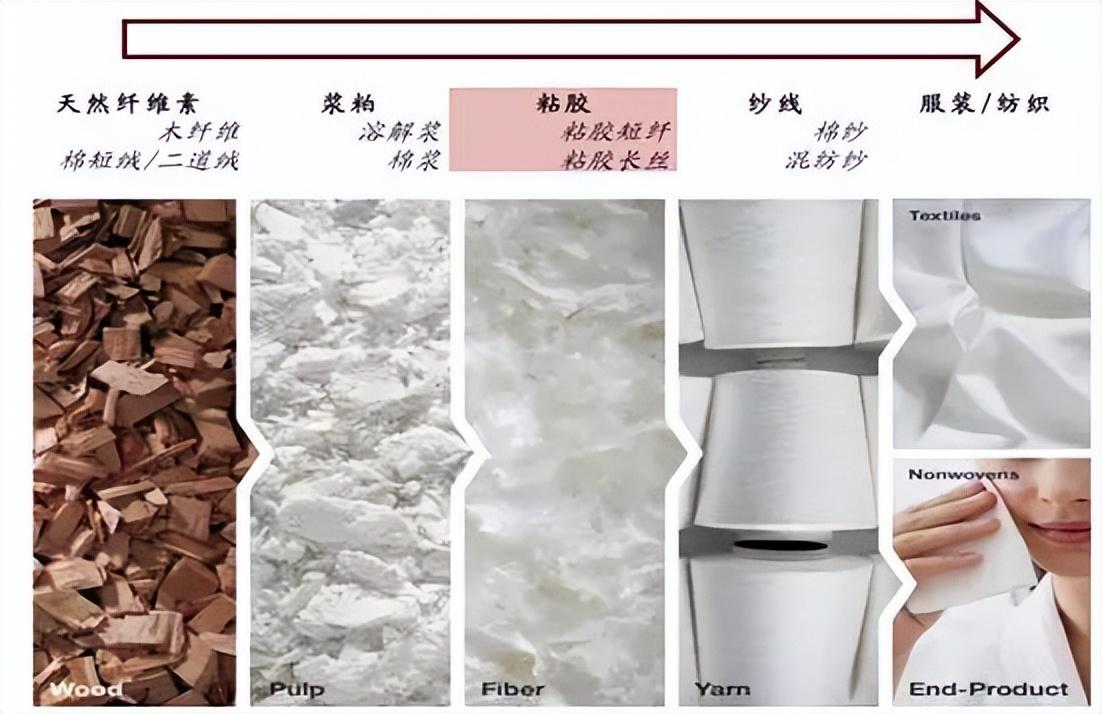
Viscose Fiber (Viscose), the full name of viscose, uses “wood” as the raw material, cellulose fiber obtained by extracting and reshaping fiber molecules from natural wood cellulose.
Preparation method
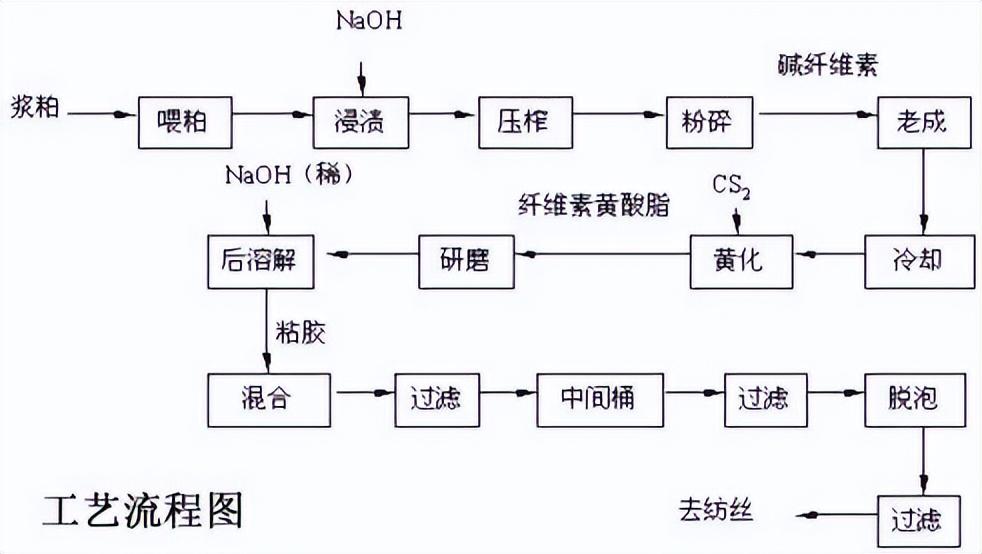
The plant cellulose is alkalized to form alkali cellulose, and then reacts with carbon disulfide to form fiber Viscoxanthate is dissolved in dilute alkali solution and the viscous solution obtained is called viscose. The viscose is made into viscose fiber after wet spinning and a series of processing steps.
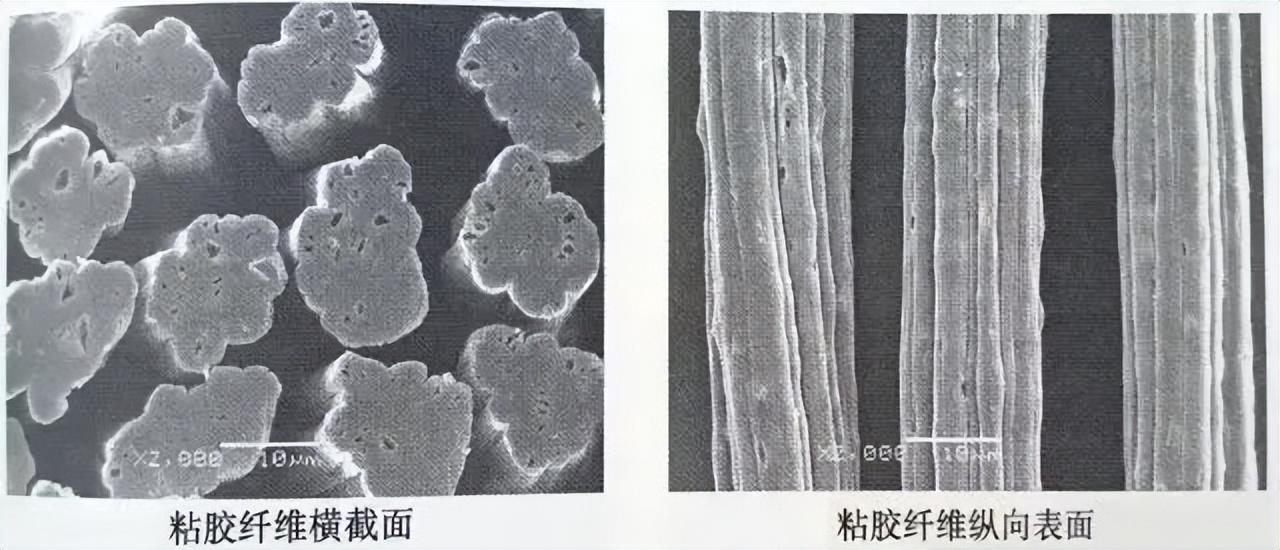
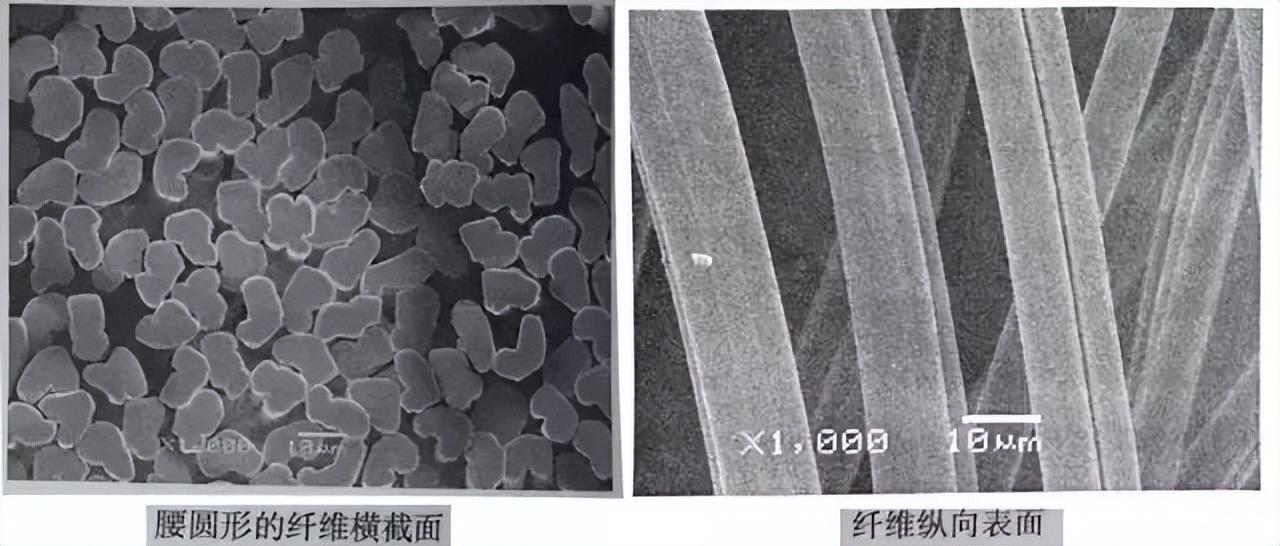
The inhomogeneity of the complex molding process of ordinary viscose fibers will cause the cross-section of conventional viscose fibers to be waist-round or irregular, with holes inside and longitudinal holes. Irregular grooves. Viscose has excellent hygroscopicity and dyeability, but its modulus and strength are low, especially the wet strength.
02

Modal fiber
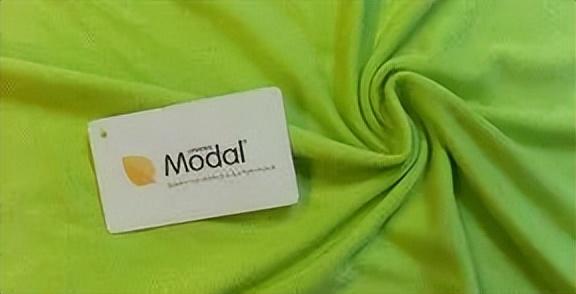
Modal fiber is The trade name of high wet modulus viscose fiber. The difference between it and ordinary viscose fiber is that modal fiber improves the shortcomings of low strength and low modulus of ordinary viscose fiber in the wet state. It has high strength and modulus, so it is often called high wet modulus viscose fiber.
Similar products from different fiber manufacturers also have different names, such as Austrian Lenzing Company’s ModalTM brand fiber (Lenzing ModalTM), glass Nosik fiber (Polynosic), Product names such as Fuqiang Fiber, Tiger Kapok and Newal.
Preparation method
The acquisition of high wet modulus properties is endowed by the special process of the production process. The differences from the general viscose fiber production process are:
(1) Cellulose should have a high average degree of polymerization (about 450).
(2) The prepared spinning solution has a higher concentration.
(3) Prepare the appropriate coagulation bath composition (such as increasing the content of zinc sulfate), and reduce the coagulation bath temperature to slow down the molding speed, which is conducive to obtaining a dense structure and crystallization. High fiber content. The inner and outer layers of the fiber obtained in this way have a relatively uniform structure. The sheath-core structure of the fiber cross-section is not as obvious as that of ordinary viscose fibers. The cross-sectional shape tends to be round or waist-round, and the longitudinal surface is also smooth. The fiber is in the wet state. It has high strength and modulus, and its excellent hygroscopic properties are also suitable for underwear.
The structure of the inner and outer layers of the fiber is relatively uniform. The sheath-core structure of the fiber cross-section is not as obvious as that of ordinary viscose fiber. The cross-sectional shape tends to be round or waist-round, and the longitudinal direction is smoother. , has higher strength and modulus in the wet state, and has excellent hygroscopic properties.
03

Lyocell fiber
Lyocell fiber Purcell fiber is made from natural cellulose polymer and is a kind of man-made cellulose fiber. It was invented by the British Cotauer Company and later produced by the Swiss Lenzing Company. The trade name is Tencel. The trade name in my country adopts its homophonic “Tencel”.
Preparation method
Lyocell uses N-methylmorphine oxide (NMMO) aqueous solution as the solvent, which can directly dissolve cellulose pulp. The spinning solution is obtained, and then the wet spinning or dry-wet spinning method is used, using a certain concentration of NMMO-H2O solution as the coagulation bath to form the fiber, and then the spun nascent fiber is stretched, washed, and oiled , a new type of cellulose fiber produced by drying.
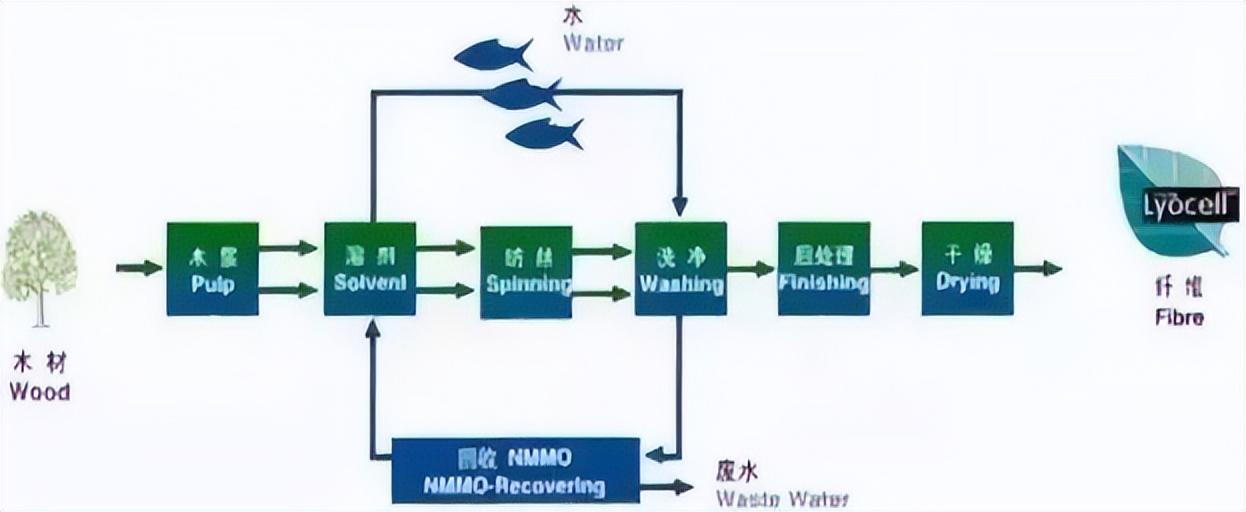
This spinning method is different from conventional viscose fiber.Compared with other production methods, the biggest advantage is that NMMO can directly dissolve cellulose pulp, the production process of spinning dope can be greatly simplified, and the recovery rate of NMMO can reach more than 99%, and the production process hardly pollutes the environment.
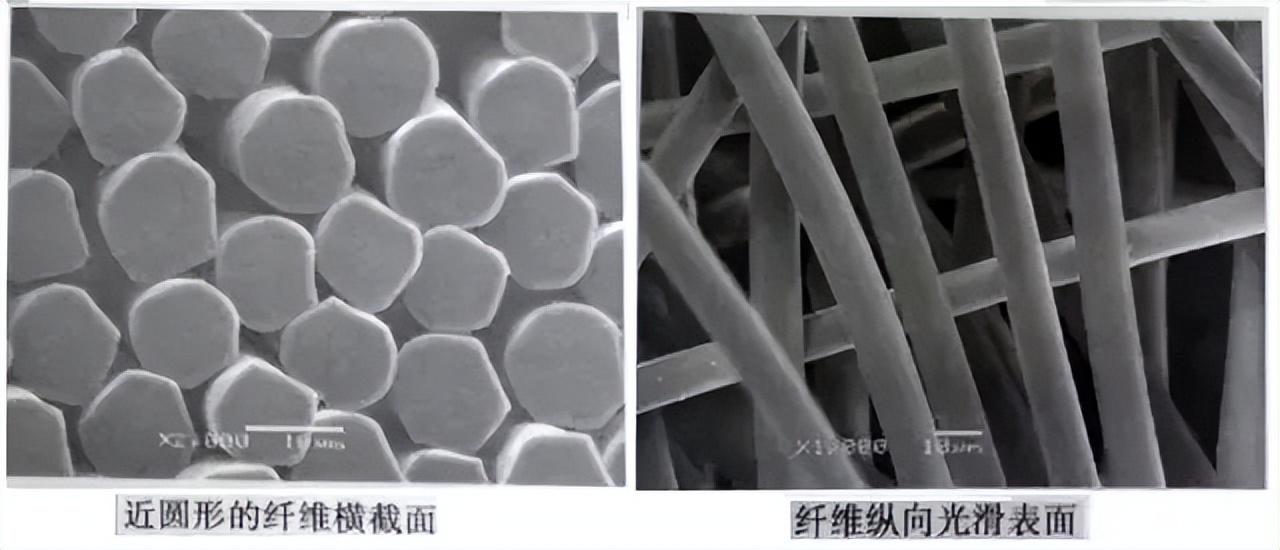
The morphological structure of Lyocell fiber is completely different from that of ordinary viscose. The cross-sectional structure is uniform and round, and there is no distinction between skin and core layers. The longitudinal surface is smooth and has no grooves. , has superior mechanical properties than viscose fiber, good dimensional stability in water washing (shrinkage is only 2%), and high hygroscopicity. Beautiful luster, soft hand feel, good drape, and good elegance.
04

The difference between viscose, modal and lyocell
1 Fiber cross section

2 Fiber characteristics
- Viscose fiber
It has good hygroscopicity and meets the physiological requirements of human skin. The fabric is soft and smooth, has good air permeability, is not prone to static electricity, is UV-resistant, comfortable to wear, and easy to dye. , after dyeing, the color is bright, the color fastness is good, and it has good spinnability. The wet modulus is low, the shrinkage is high and it is easy to deform. It feels hard after being put into water, and has poor elasticity and wear resistance.
- Modal fiber
Soft touch, smooth, bright color, color fastness Good, the fabric feels particularly smooth, the cloth surface is bright, and the drape is better than the existing cotton, polyester, and viscose fibers. It has the strength and toughness of synthetic fibers, has a silk-like luster and feel, and its fabric is wrinkle-resistant. It has good water absorption and air permeability, but its fabric has poor stiffness.
- Lyocell fiber
A variety of natural fibers and synthetic fibers Excellent performance, natural luster, smooth feel, high strength, and basically no shrinkage. It has good moisture and air permeability, is soft, comfortable, smooth and cool, has good drape, and is durable.
3 Scope of application
- Viscose fiber
Short fibers can be spun purely or blended with other textile fibers, and are suitable for making underwear, outerwear and various decorative items. The filament fabric is light and thin. In addition to being suitable for clothing, it can also be used to weave quilts and decorative fabrics.
- Modal fiber
Modal knitted fabrics are mainly used to make underwear and also Used for sportswear, casual wear, shirts, high-end ready-to-wear fabrics, etc. Blending with other fibers can improve the shortcomings of poor stiffness of pure Modal products.
- Lyocell fiber
Covers all fields of textile, whether cotton, High-quality and high-end products can be produced in wool, silk, linen products, or in the knitting or weaving fields.