
Nowadays, online shopping is very convenient, with many choices and convenience. However, one disadvantage is that you cannot touch the texture like in a physical store. You can only understand the products through display pictures, product information, etc. It’s hard to tell what the texture of the clothing is like from the pictures.
For example, T-shirts, which are often worn in summer and are also highly consumables, basically need to be replaced every year, and many people only focus on one indicator when shopping online. Look, that is whether it is “pure cotton”. Many people place an order as soon as they see the word “pure cotton”.
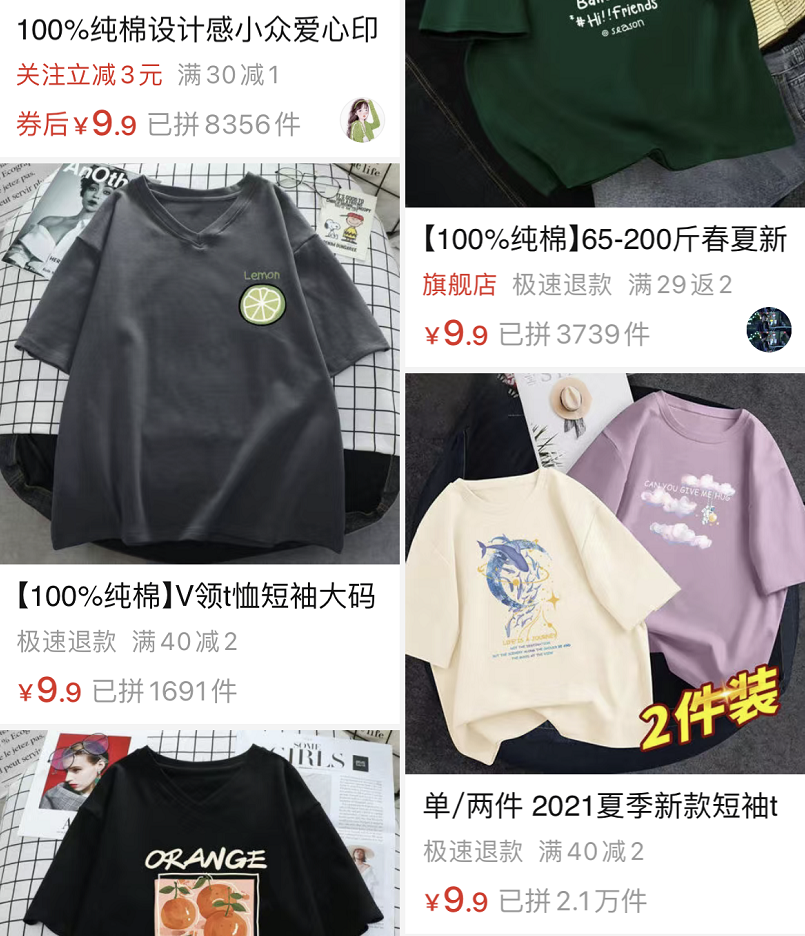
But if you look carefully, you will find that the T-shirts on the market now, whether they are ninety-nine yuan with free shipping or hundreds or thousands of T-shirts, all have “pure” Cotton” label. That’s also labeled as “pure cotton”. What’s the difference between a nine-nine-dollar T-shirt and a hundred-dollar T-shirt? How to choose a cost-effective pure cotton T-shirt?
1. There are different types of “cotton”
Cotton is a seed fiber, and there are many classifications. According to Fiber length and thickness are subdivided into fine-staple cotton and long-staple cotton. For example, cheaper T-shirts are mostly made of fine velvet cotton that wrinkles easily, shrinks, has low elasticity, and generally has a very low count.
Although this kind of T-shirt is also labeled as pure cotton, the actual quality can be seen at a glance. The surface is not smooth, and some are even very hard. The difference between a few dollars and dozens of dollars lies in the number of pieces.
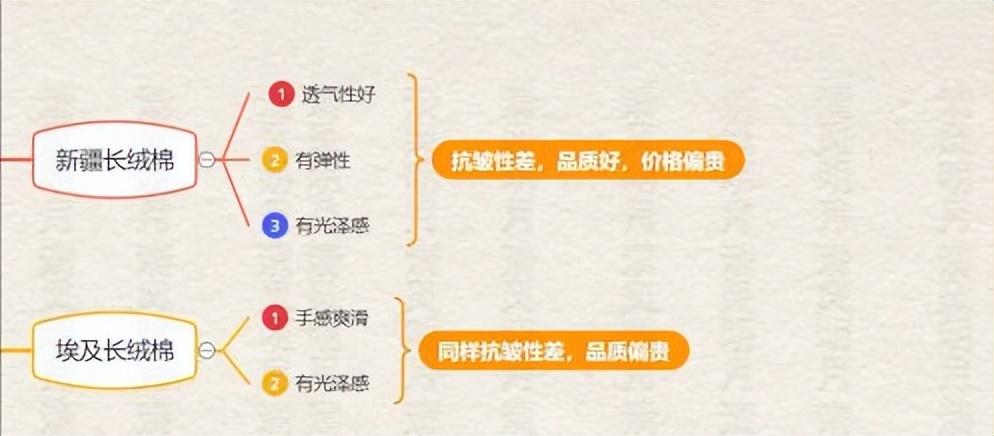
The better long-staple cotton is soft, drape well and has a shiny feel. Egyptian long-staple cotton, which is often used in high-end fabrics, has the luster of silk and is considered the most expensive cotton. Most of us choose better cotton, which is Xinjiang long-staple cotton, which is strong, durable, not easy to wrinkle, and has a lustrous feel.
2. “Fabrics” are different
As ordinary consumers, most of us when buying clothes are Look for the word “pure cotton” on it. In fact, 100% cotton T-shirts are easy to wrinkle and shrink. If you want to ensure good ductility and comfort, cotton clothing will basically add other materials to assist.
The so-called pure cotton on the market does not refer to 100% cotton, but a cotton content of more than 70% can become pure cotton.
Spinning cotton includes: cotton + polyester fiber, cotton + spandex, cotton + linen, cotton + Tencel, cotton + mulberry silk, etc. Among them, polyester fiber (polyester) is cheaper than cotton, is not breathable, wrinkles when exposed to water, has no elasticity and is prone to pilling; generally better T-shirts are made of spandex, which is elastic and has a better drape; and The most comfortable ones are Tencel and mulberry silk, and the prices are a bit higher.
3. “Technology” difference
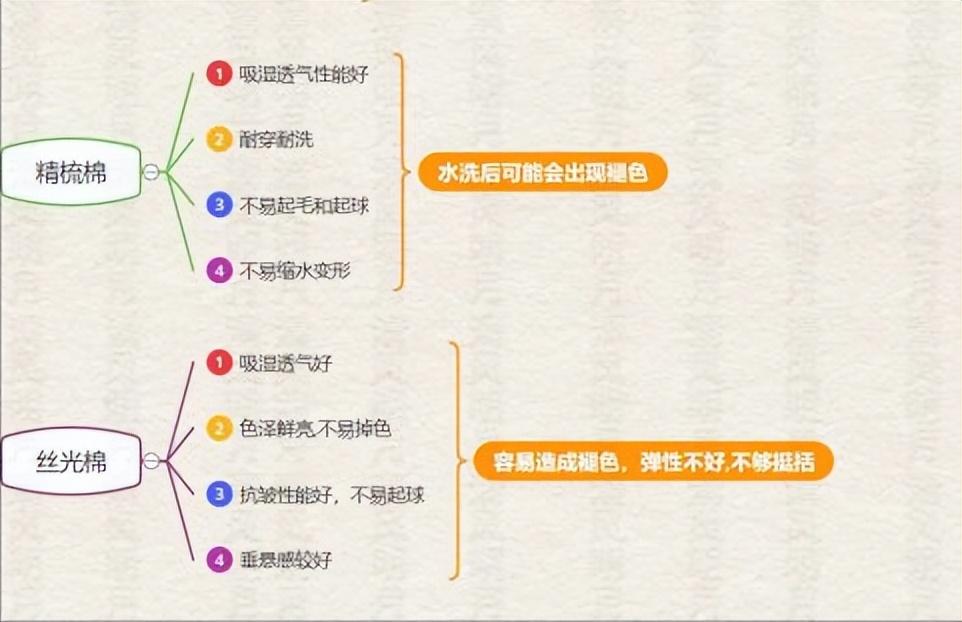
When cotton is processed into yarn, there is a process that removes the seasoning. The short fibers among them leave neat long fibers, which are combed cotton, while those without this process are called carded cotton.
The carded cotton process is very common, not smooth, grainy and easy to fade.
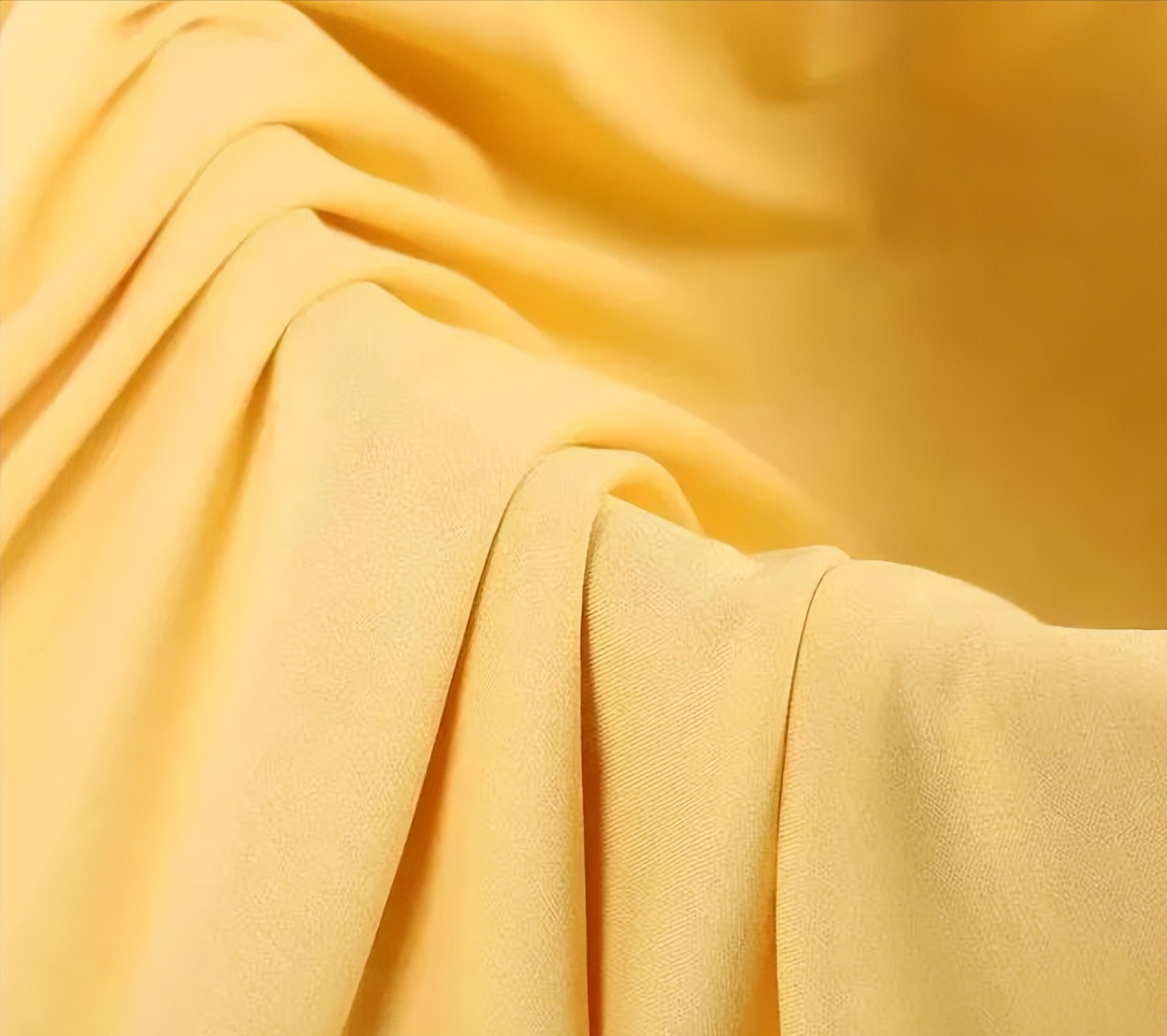
Combed cotton is smooth, soft and comfortable, and the cloth is not prone to shrinkage and pilling, so it is more recommended. Combed cotton is later made into high-quality mercerized cotton through some processes. This kind is softer and more comfortable than ordinary cotton, has a silky luster, and is more expensive.
Now that we know the reason why the prices vary greatly for the same pure cotton, let’s talk about how Choose a cost-effective pure cotton T-shirt:
1. Look at the count and weight
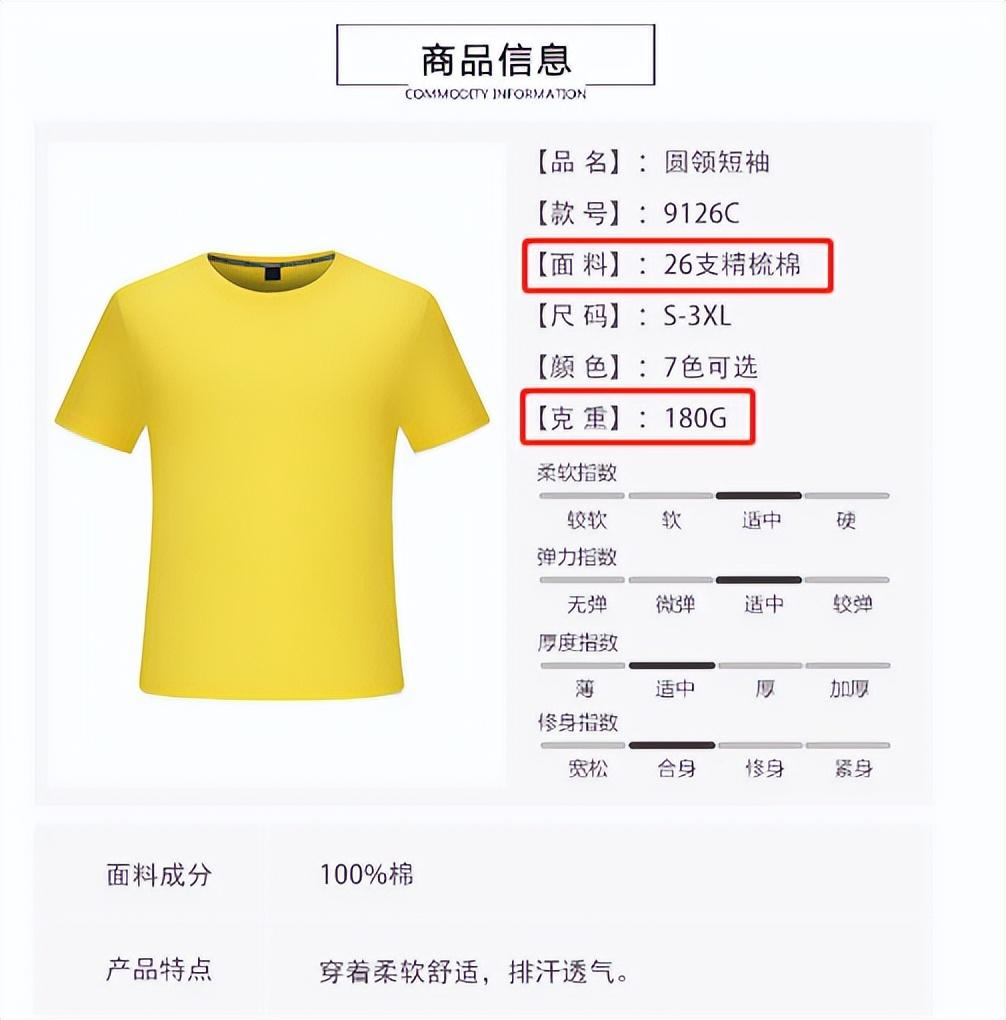
The count and weight It is a relatively common selection indicator for T-shirts. Gram weight refers to the grams of cotton fabric per square meter. Generally speaking, the greater the gram weight, the thicker the clothes. For T-shirts, choose ones with a gram weight between 180g and 220g that will not be too thin or too thick.
The higher the thread count of the clothes, the softer and smoother it is, which means the workmanship is more complex. For ordinary T-shirts, it is enough to choose 21, 32 or 40. If it is too high, it will not be durable.
2. Neckline
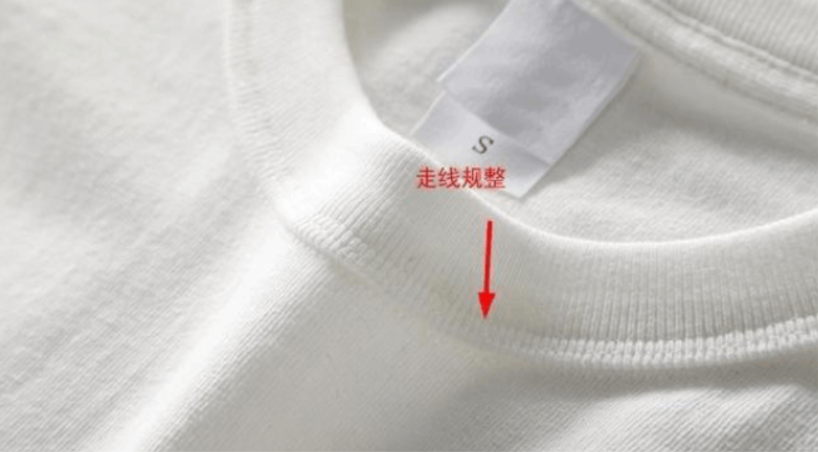
The real craftsmanship of a T-shirt lies in the neckline. The collar craftsmanship largely determines the durability of the clothes. If the craftsmanship is not good, it will be very difficult to wear. It is prone to deformation and lotus leaf collar.
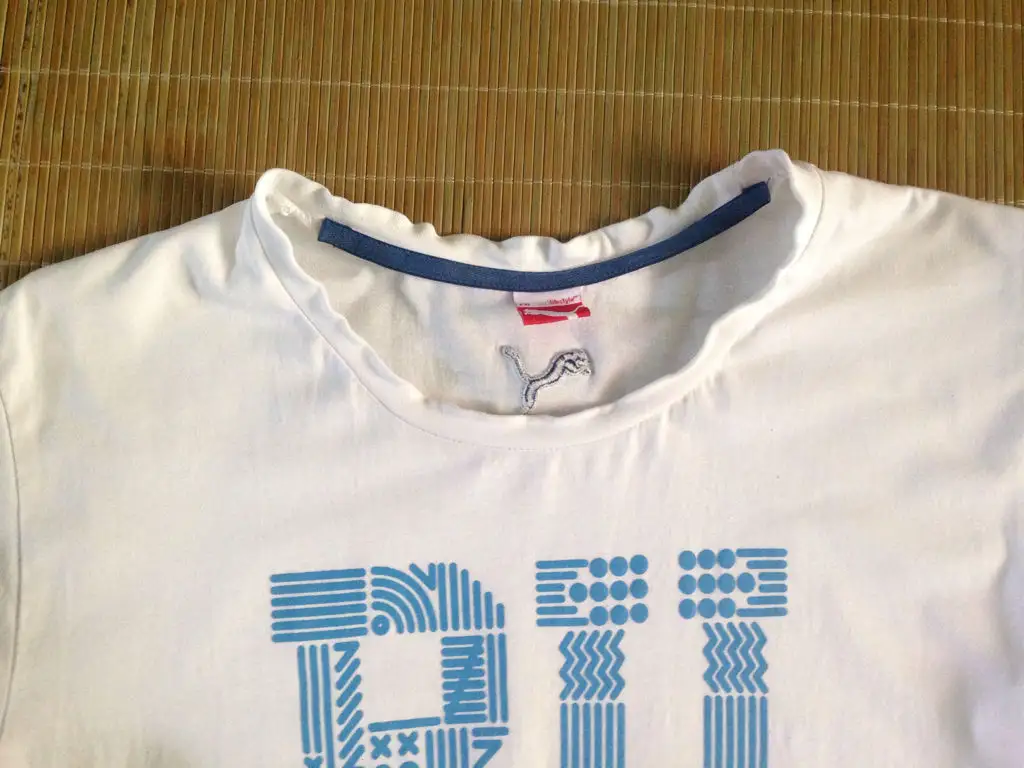
Good collar craftsmanship depends on two points:
First, whether there are threads. The advantage of the threaded collar is that it can effectively reinforce the collar and prevent deformation. Another thing to note is that if the fabric contains spandex, it will be more elastic.
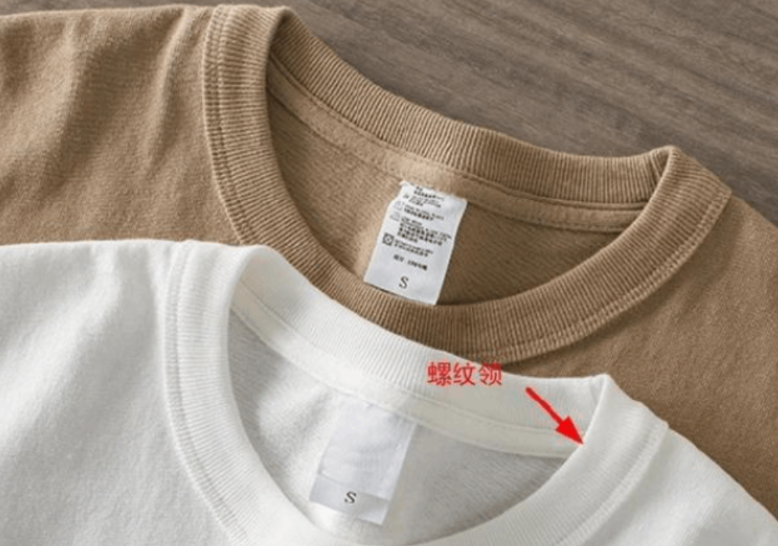
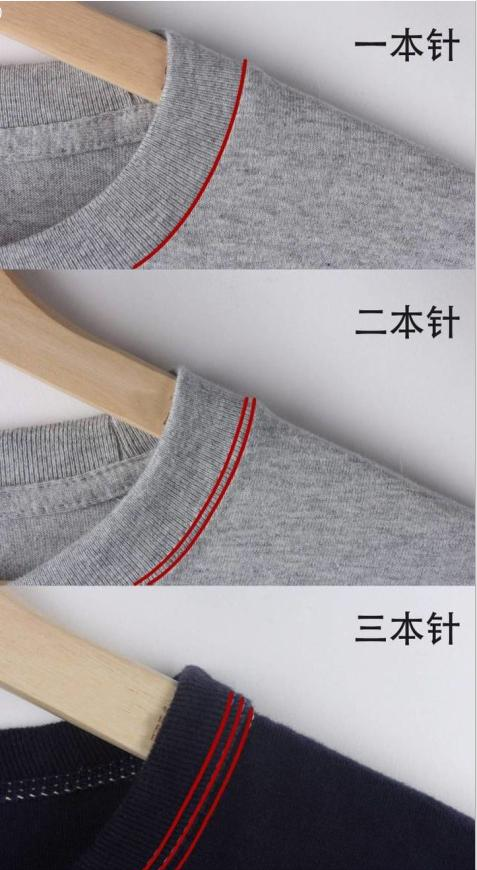
The second is to look at the needle and thread. The craftsmanship of the collar is divided into one needle, two needles and three needles. The more needles, the more durable it is and less likely to deform. However, for daily T-shirts, two needles are enough.
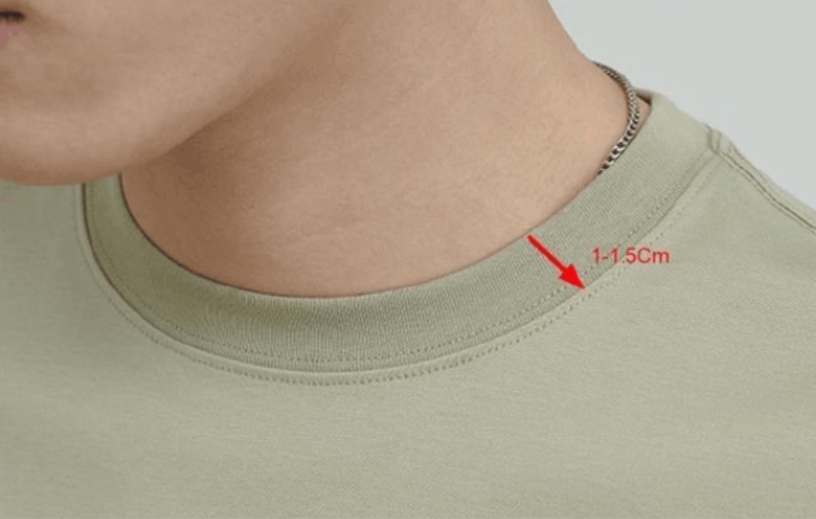
In addition, the height of the collar also has a range, generally between 15mm and 25mm, and the safer size is 1.5cm.
3. Look at the wiring
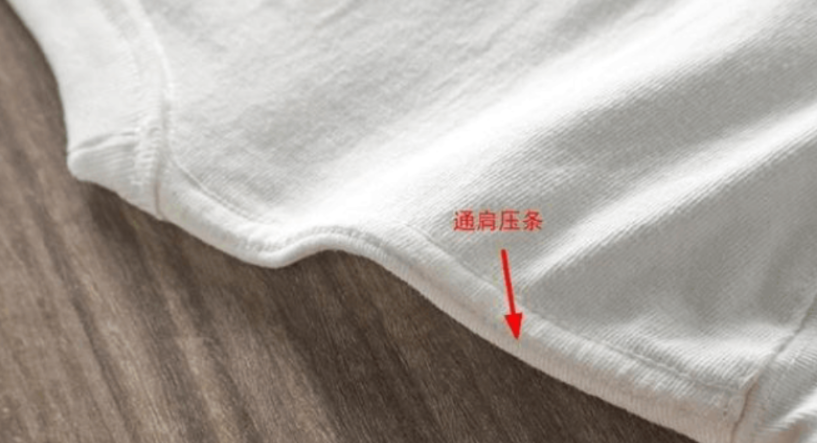
Good T-shirt wiring must be natural, even and flat. It is also incomparable to cheap T-shirts. In addition, you also need to pay attention to the shoulders and hem. The workmanship on the shoulders will affect the basic outline of the T-shirt. Choosing a T-shirt with shoulder straps can ensure that the T-shirt will not deform and has a sense of contour.
Finally, the cost of a normal T-shirt is not very high, but it is not as low as imagined. It is difficult to achieve basic guarantees on cotton selection and workmanship for cheap T-shirts.
Okay, about the selection of T-shirts, I will share it here in this issue. If you still have questions about T-shirt selection, please leave a message in the comment area. See you next time~