
Polyester-cotton
Polyester-cotton refers to polyester-cotton blended fabrics, which are made of polyester as the main component. Polyester-cotton blended fabrics are made of polyester as the main component, using 65%-67% polyester and 33% -Textiles made of 35% cotton mixed yarn, polyester-cotton cloth is commonly known as cotton.

1 Characteristics of polyester and cotton:
It not only highlights the style of polyester but also has the advantages of cotton fabrics. , good elasticity and wear resistance under wet conditions, stable dimensions, small shrinkage, tall and straight, not easy to wrinkle, easy to wash, and quick-drying. Do not use high temperature ironing or soaking in boiling water.
2 Disadvantages of polyester and cotton:
The polyester fiber in polyester and cotton is a hydrophobic fiber, which has a strong affinity for oil stains, easily absorbs oil stains, and easily generates static electricity during wearing. It absorbs dust, is difficult to wash, and cannot be ironed at high temperatures or soaked in boiling water.
3 Classification of polyester and cotton:
Customers who often buy shirts know that the fabrics of many shirts are labeled polyester-cotton or cotton-polyester. “Polyester cotton” and “cotton polyester”, when the order of the two words is changed, they become two different fabrics. “Polyester-cotton” fabric means that the composition of polyester is more than 60%, and the composition of cotton is less than 40%; “cotton-polyester” is just the opposite, meaning that the composition of polyester is more than 60%, and the composition of polyester is less than 40%.
So, which fabric is better, “polyester-cotton” or “cotton-polyester”? This depends on the customer’s preferences and actual needs. In other words, if you want the fabric of a shirt to have more polyester properties, choose “polyester-cotton”; if you want the fabric of a shirt to have more polyester properties, choose “cotton-polyester”.
Polyester cotton is a mixture of polyester and cotton, and its feel is not as comfortable as pure cotton. It is better to wear cotton than to absorb sweat. Polyester is the largest variety of synthetic fibers with the highest output. Polyester has multiple trade names, and “polyester” is the trade name in my country. The chemical name is polyethylene terephthalate, which is usually polymerized by chemicals, so the scientific name often contains “poly”.
Polyester is also called polyester. Structure and performance: The structural shape is determined by the spinneret hole. Conventional polyester has a circular cross-section and no central cavity. By changing the cross-sectional shape of the fiber, special-shaped fibers can be produced. Improve brightness and cohesion. The fiber macromolecules have high crystallinity and high orientation, so the fiber has high strength (20 times that of viscose fiber) and good wear resistance. It has good elasticity, is not easy to wrinkle, is stiff and has good shape retention, good light and heat resistance, quick-drying and no ironing after washing, and good washability and wearability.
Polyester is a chemical fiber fabric and does not wick away sweat easily. It feels prickly to the touch, easily generates static electricity, and looks shiny when tilted.
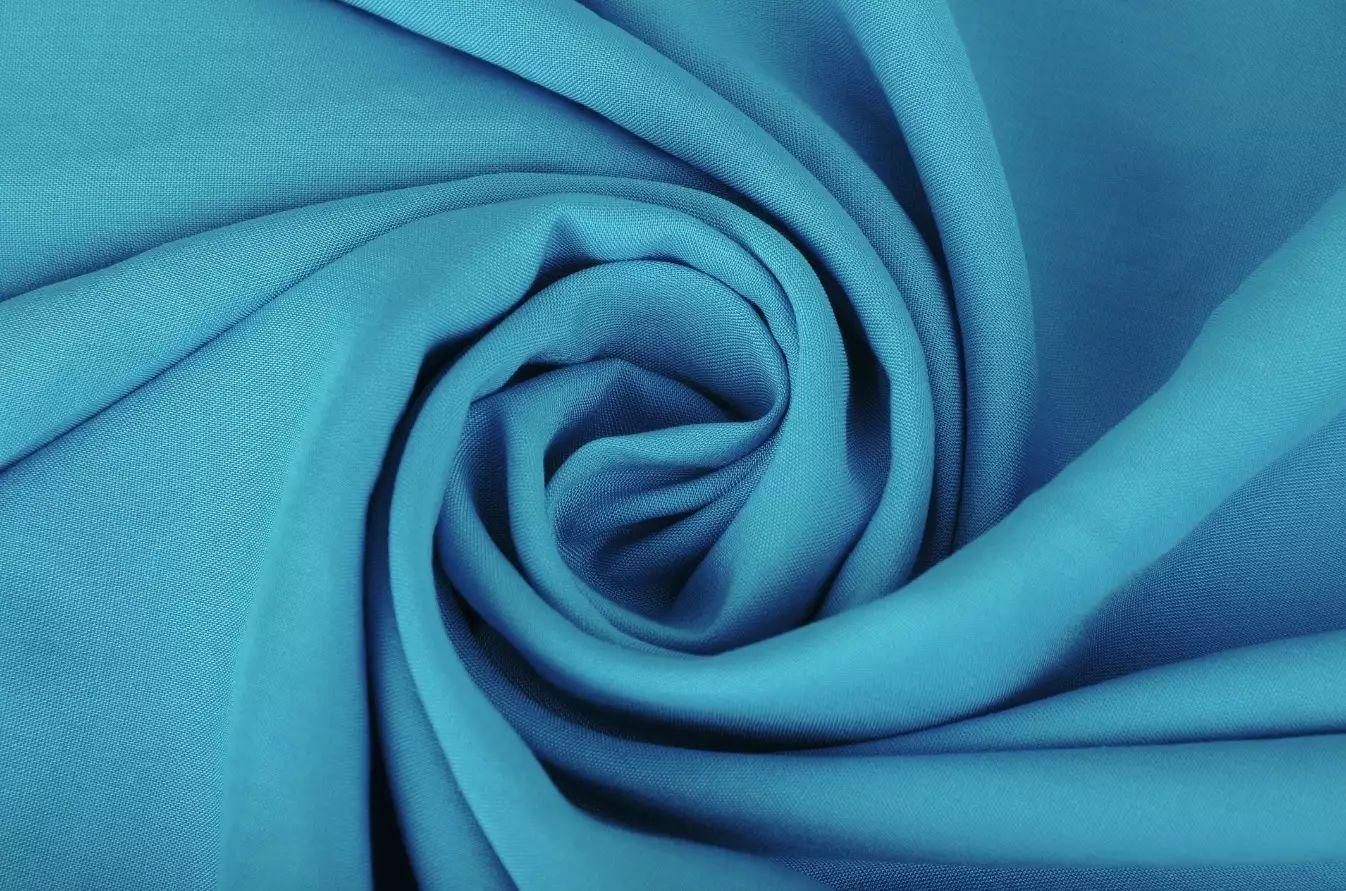
Polyester-cotton blended fabric is a variety developed in my country in the early 1960s. The fiber is crisp, smooth, quick-drying, Due to its durability and other characteristics, it is deeply loved by consumers. At present, blended fabrics have developed from the original ratio of 65% polyester to 35% cotton to blended fabrics with various ratios such as 65:35, 55:45, 50:50, 20:80, etc. The purpose is to adapt to different levels of consumer demand.