
Acetate fiber has been around for more than 100 years, but until this summer, there were only a handful of discussions about it on the Internet. However, this year it suddenly became popular and became a hot topic among major brands. The focus of pursuit has become a hot discussion topic in the industry on a certain book, a certain website, and a certain website.
People who know little about acetate fabrics may be confused about this: What exactly is acetate fabrics? Why is it so admired? Today we will talk about acetate, a familiar yet unfamiliar fabric.
01-
What is acetate fabric?
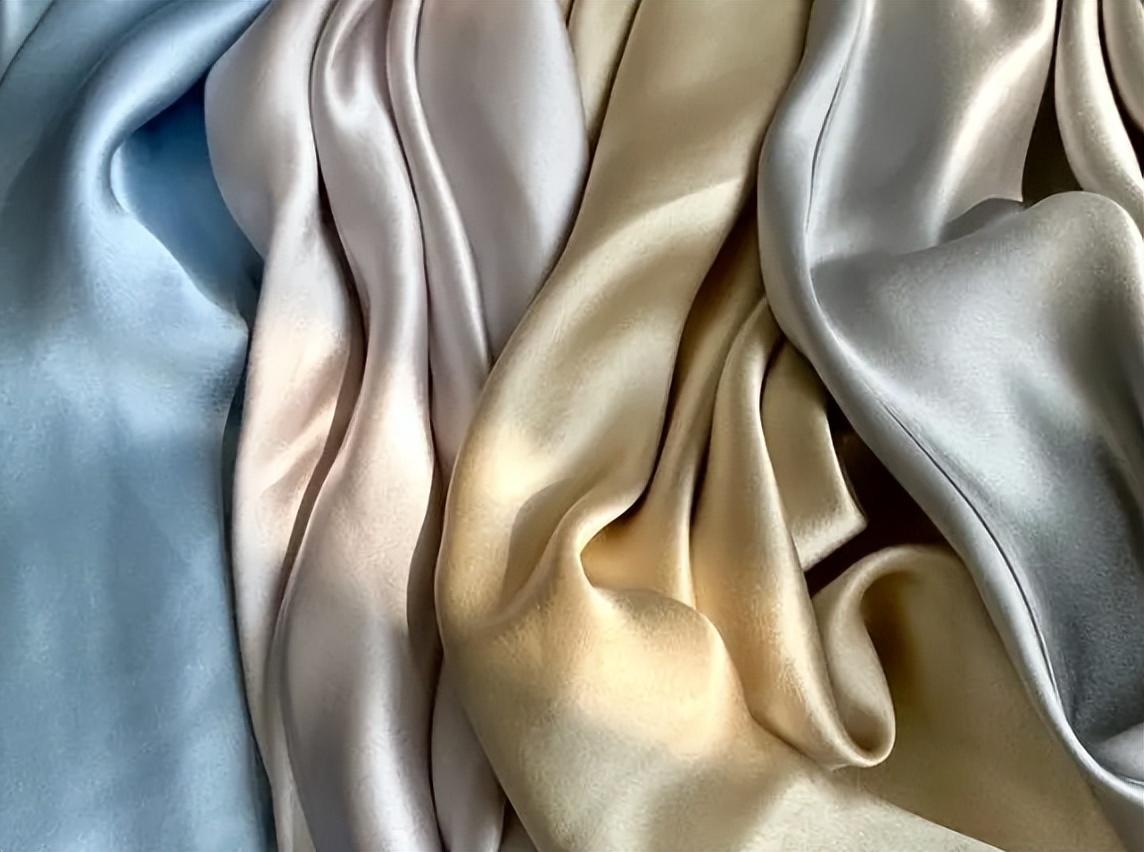
Acetate fabric is acetate fiber (acetate fiber), commonly known as acetate cloth. Man-made fiber made from refined wood pulp cellulose combined with other raw materials through esterification reaction is one of the earliest chemical fibers developed in the world. Its fabric has a strong glossy appearance and bright color, has good moisture absorption and breathability properties, and is naturally degradable and environmentally friendly. It is widely used in the clothing and home furnishing industries.
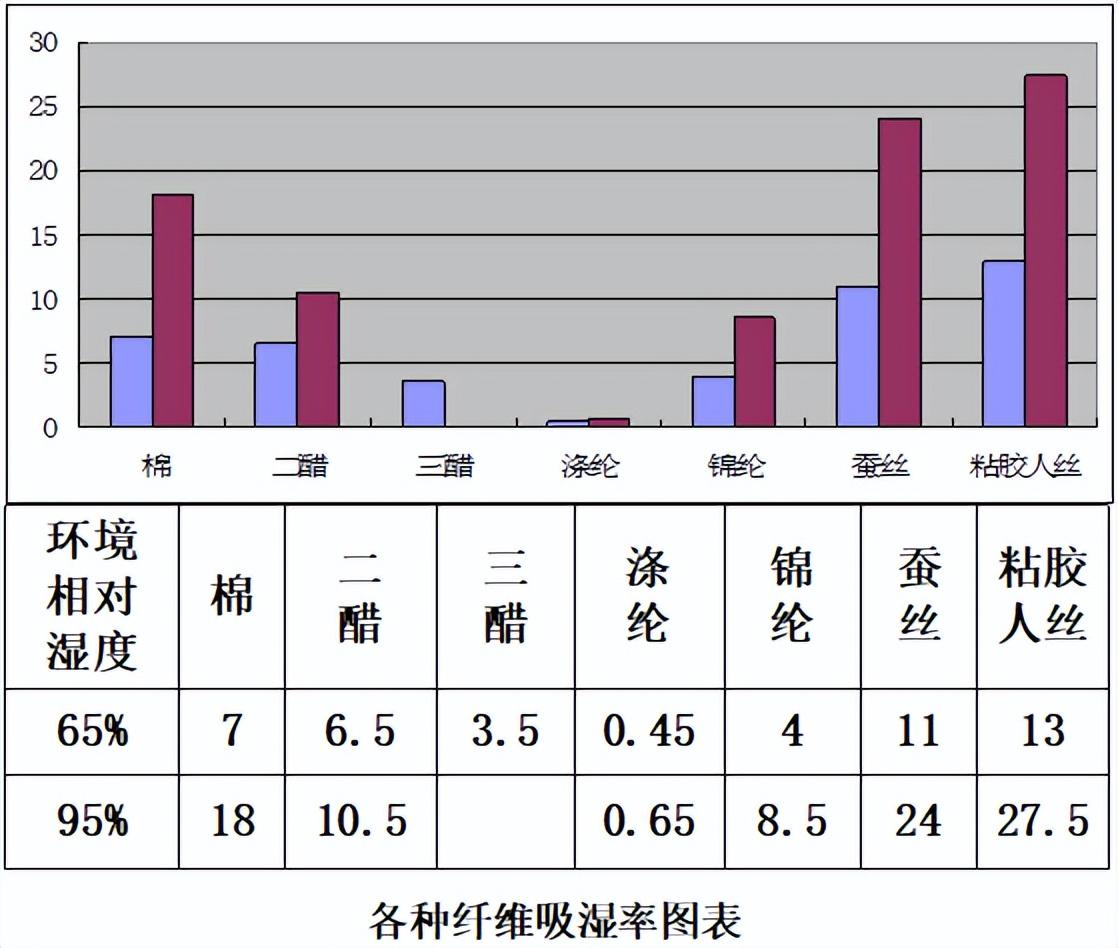
Acetate fiber can be divided into type II acetate fiber and triacetate fiber. Among them, the degree of triacetyl esterification is high, the light and heat resistance is strong, the dyeing performance is poor, and the moisture absorption rate (also called moisture regain) is relatively low (about 3.5%).
Generally speaking, when talking about acetate fabrics, unless it is specifically mentioned as triacetate fiber, the acetate fiber refers to diacetate fiber.
02-
Why are acetic acid fabrics so popular?
1. It has superior performance
1) Cool and comfortable to the touch
Acetate fiber is smooth and has few impurities. When the finished textile is finished, the fabric is flat, the air volume is small, the thermal conductivity is large, and the heat is easily dissipated, so it is compatible with The moment it comes into contact with the skin, there will be a cooling sensation, especially suitable for hot summer days.
2) Soft and skin-friendly
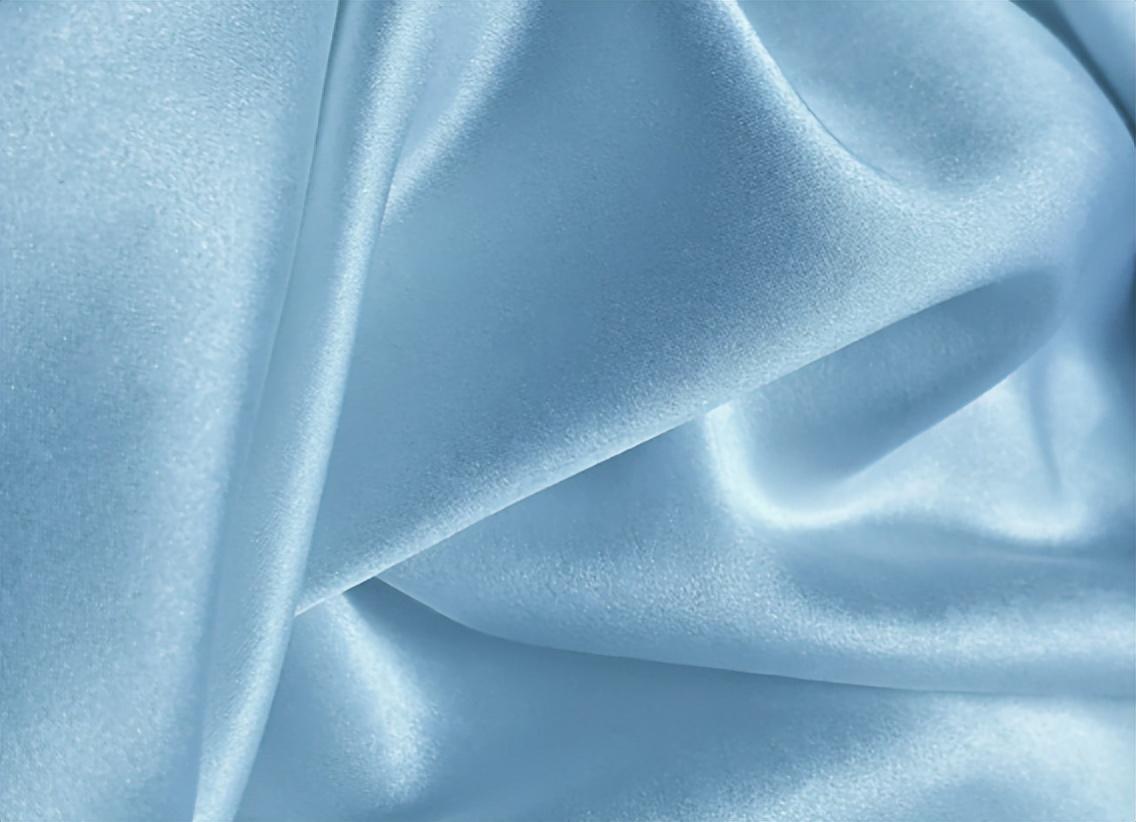
The feel of acetic acid fabric is close to that of silk. The fabric is delicate, smooth, light and comfortable when in contact with the skin. It can make people feel cared for.
3) Gorgeous texture
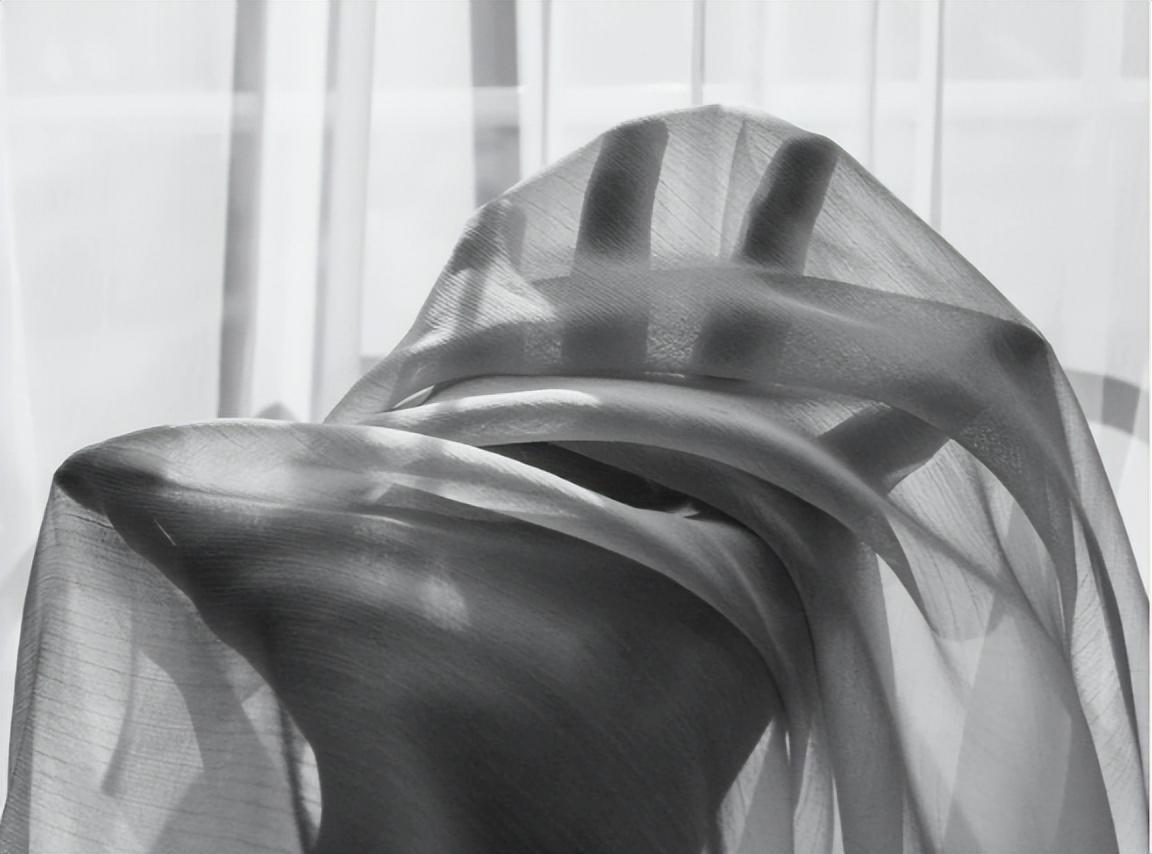
The acetic acid fabric is as lustrous as pearls, smooth and delicate, and the gorgeous texture is revealed With a sense of elegance and wealth.
4) It is not easy to generate static electricity
Acetic acid fabric has a certain anti-static ability, so it is not easy to adhere to dust and is not easy to Breeds fungi.
5) Easy to care
Acetate fabric itself has good heat resistance and wear resistance, so dry cleaning , it can be hand washed and machine washed at temperatures below 40°C. It dries quickly after washing and is wrinkle-free and non-stiff. It is easy to care for and does not require as many worries as other fabrics.
2. It is a perfect substitute for silk
Among all the silk fibers, acetic acid The performance of the fiber is closest to that of silk. Except that its strength and hygroscopicity are inferior to those of silk, its appearance, gloss, softness and smoothness are similar to those of silk, and its specific gravity and drape feel are the same as those of silk. Today, as silk raw materials continue to rise, acetate fabrics are a good substitute.
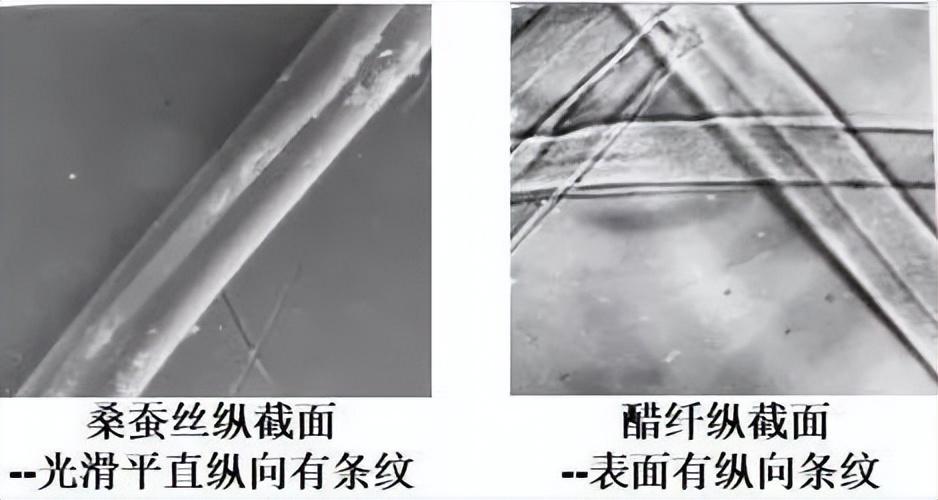
Cross-sectional comparison of acetate fiber and silk, picture source network
03-
What is the difference between acetate and silk?
Although the properties of acetate fiber are similar to those of real silk, after all, it is an imitation silk product and is different from real silk. There are still some differences.
First, the raw materials and processes of the two are different. Acetate fiber is made from natural wood pulp, while silk is made from silk, which is a natural fiber. The difference in raw materials also determines the difference in production processes between the two. Compared with silk, the production process of acetate fiber is simpler.
The second is that the performance of the two is different. The hygroscopicity (moisture regain) of acetate fiber is only about 1/2 of that of silk, and its strength is not as good as silk. However, it also has advantages that silk does not have. For example, it has better wear resistance and is easier to care than silk that cannot be machine washed, so it is called “washable silk”.
Third, the prices are different. Differences in raw materials, production processes, performance, etc. also create price differences between the two. The current price of finished acetate fiber fabrics per meter is between 50-150 yuan, while the price of silk is between 80-300 yuan per meter. The price is about2 times that of acetic acid fabric. From this point of view, acetate fabrics are more cost-effective.