
1. Cotton
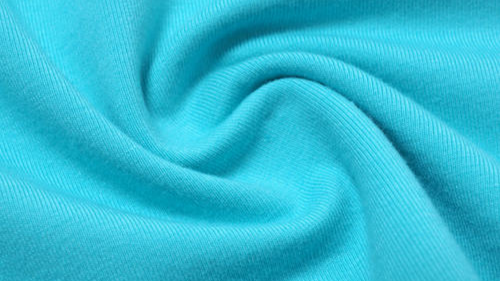
1. Pure cotton
All cotton is woven as raw material. It is mostly used to make fashionable clothes, casual wear, underwear and shirts.
Advantages: easy to keep warm, soft and close-fitting, strong hygroscopicity, good breathability, heat and alkali resistance, clean and hygienic.
Disadvantages: Easy to shrink, wrinkle and pill. The appearance is not crisp and beautiful. It must be ironed frequently when wearing.
2. Polyester-cotton
Compared with pure cotton, it is a blend, that is, a blend of polyester and pure cotton.
Advantages: Soft and not easy to wrinkle.
Disadvantages: The hygroscopicity is poorer, and compared with “fine shuttle cotton”, it is easier to pilling
3. Ice cotton
An excellent fabric to withstand summer. It just adds a coating to the cotton cloth. The color is mainly single tone, including white, military green, light pink, light brown, etc. It is suitable for women to make dresses, cropped pants, shirts, etc.
Advantages: It feels smooth and cool, the fabric is thin but not transparent, cool, comfortable, soft and breathable, will not shrink, has natural wrinkles on the surface, and has a unique style when worn.
Disadvantages: Ice cotton is as afraid of insects as pure cotton, and is prone to mildew in humid environments. These shortcomings will seriously affect the appearance of the fabric, so we must pay attention to the daily care of ice cotton fabrics. Follow maintenance.
4. Combed cotton
Pure cotton products are better woven and processed better.
Advantages: Fabric-like fabric can prevent pilling to the greatest extent.
Disadvantages: Darker combed cotton may fade after washing. Another disadvantage is that its price is much higher than that of pure cotton.
5. Washed cotton
Used as raw material, high-quality washed cotton has a uniform layer of plush on the surface and has a unique style.
Advantages: soft to the touch, soft luster and color, no need for ironing, resistant to deformation and fading after washing, slight wrinkles add a bit of old material feel.
Disadvantages: Products made of washed cotton tend to fall apart over time and are easily deformed.
6. Lycra cotton
It is cotton cloth with Lycra added. Lycra is an artificial elastic fiber exclusively invented and produced by DuPont. It can be stretched freely 4 to 7 times, and quickly returns to its original length after external force is released. It cannot be used alone and can be interwoven with any other man-made or natural fibers. Its extraordinary stretch and recovery properties enhance the color of any fabric.
Advantages: Comfortable and fit to wear, freedom of movement, unique ability to restore wrinkles, long-lasting clothing without deformation.
Disadvantages: It is harmful to the human body. Due to the addition of chemical fiber material, the breathability is average.
7. Mercerized cotton
Selecting high-grade cotton raw materials and adopting sophisticated technology, it is the best cotton species.
Advantages: soft and comfortable, moisture-absorbing and breathable, bright and shiny, good dyeability, and the fabric is not easy to break.
Disadvantages: Often stretched and easily deformed.
8. Mesh cotton
Pure cotton, special weave.
Advantages: absorbs sweat and is not easily deformed.
Disadvantages: accompanied by a certain degree of fluffing and pilling.
2. Hemp
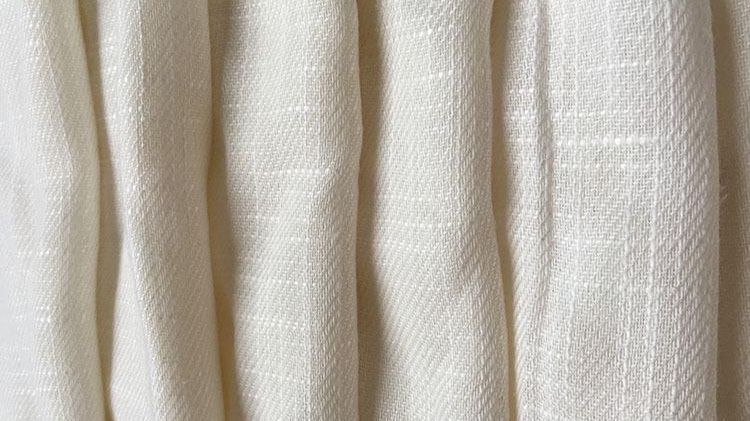
The fabrics are made of linen, ramie, jute, sisal, abaca and other types of hemp. Made of plant-like fiber. It is generally used to make casual wear, work wear and women’s wear. Currently, it is also used to make ordinary summer wear.
Advantages: Strong hygroscopicity, alkali and heat resistance, good breathability, not sticky after sweating, crisp and stylish to wear.
Disadvantages: poor wearing comfort and rough appearance.
Cotton and linen blending
Generally, 55% linen and 45% cotton or 50% linen and 50% cotton are used for blending.
Advantages: The appearance is rough and crisp, and the tentacle cotton fabric is soft and not easy to fluff. Cotton and linen interwoven fabrics have a firm and smooth texture and are softer than pure linen; linen and cotton blended interwoven fabrics have a light and thin texture and are suitable for summer clothing.
Disadvantages: The luster is dull, the worsted type has a softer feel, and the woolen type has a loose feel. The elasticity and stiffness of this type of fabric are not as good as pure wool and wool-polyester, wool-polyester blended fabrics.
Three, Mao
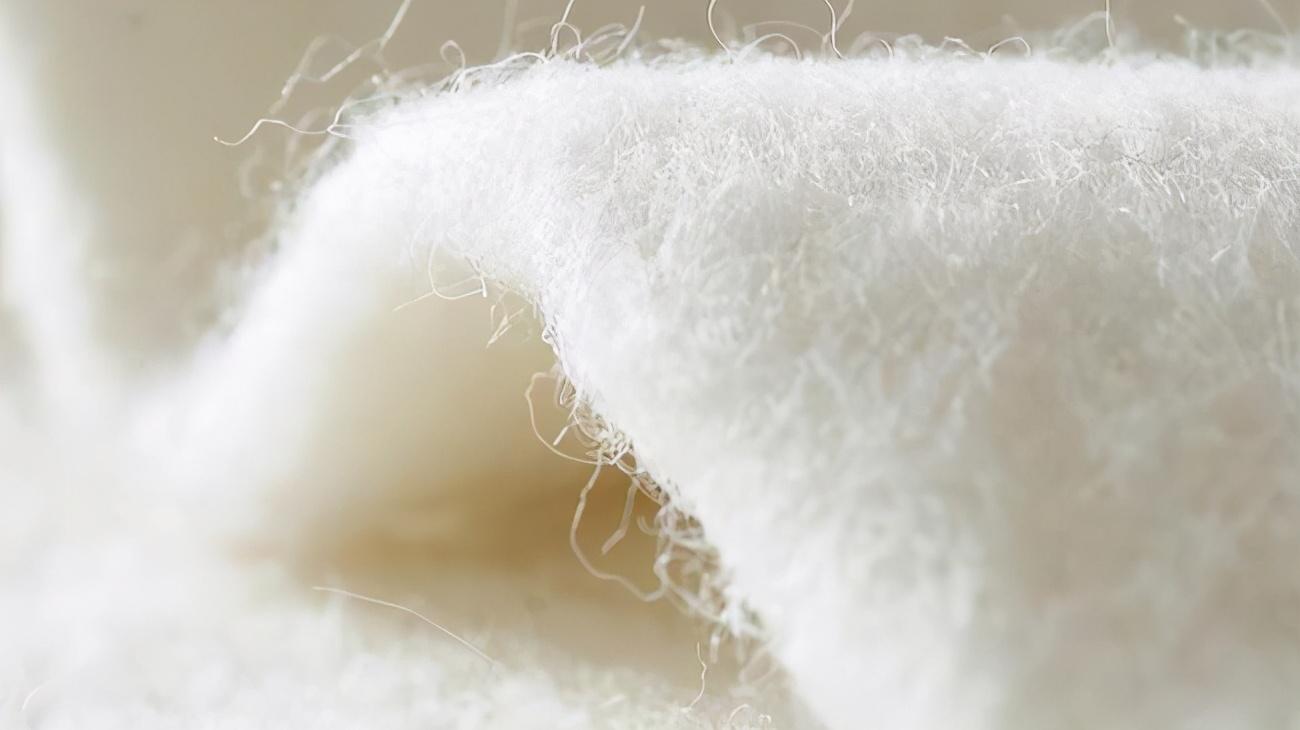
1. Pure wool
(1) Pure wool worsted fabrics
Advantages: Most of them are thin in texture, smooth in surface and clear in texture. The luster is natural, soft and beautiful. The body is straight, soft and elastic to the touch. If you hold the material tightly and then release it, there will be basically no wrinkles. Even if there are slight creases, they will disappear in a short time.
(2) Pure wool woolen fabrics
Advantages: Most of them are thick in texture, plump in texture, soft in color and light enough. Woolen and suede surfaces do not reveal the texture. The grain texture is clear and rich. It feels gentle, stiff and elastic.
2. Wool blending
(1) Wool and polyester blending
p>
Advantages: There are shiny spots on the surface under the sun, the fabric is crisp, and the elasticity is better than that of pure wool fabrics. When you hold the material tightly and release it, there are almost no creases.
Disadvantages: It feels stiff and lacks the softness of pure wool fabrics, which becomes more prominent as the polyester content increases. The feel is not as good as pure wool and woolen blended fabrics.
(2)、�� Feel
Large extensibility and elasticity
Good breathability and wrinkle resistance
Easy to fall apart and curl, Easy to snag and not as durable as woven fabrics
Commonly used varieties
Plain weave: continuous unit coils are strung together in one direction. It has detachment and severe hemming, and is prone to weft skew.
Rib: greater elasticity and extensibility in the transverse direction. Not easy to fall apart, no curling, and good dimensional stability. French rib is a double-sided rib with small lateral elastic extensibility and poor dimensional stability.
Knitted jacquard: changing yarn thickness, quantity, color, etc. to form fabric pattern.
5. Chemical fiber fabrics
(1) Man-made fiber fabrics
Man-made fiber fabrics are basically Refers to viscose filament and short fiber fabrics, which are well-known artificial cotton, rayon fabrics and viscose fiber blended fabrics.
Advantages: The moisture absorption performance is the best among chemical fibers; it feels soft, has bright color, is breathable and comfortable; its wearing comfort and dyeability are better than synthetic fiber fabrics; it has good drape; it is acid and alkali resistant and light resistant. Good performance.
Disadvantages: However, the shrinkage rate is large; the stiffness, resilience and wrinkle resistance are poor, the shape retention of the clothing is poor, and wrinkles are prone to occur;
(2), polyester fabric
Advantages: strong strength and elastic recovery; durable, no need for ironing, easy to wash and quick to dry. It has good acid, alkali and light resistance, and is not afraid of mold and insects.
Disadvantages of wearing: poor hygroscopicity, feeling stuffy, easy to generate static electricity and attract dust and stains.
(3) Acrylic fabric
Advantages: It is known as synthetic wool. Its elasticity and fluffiness can be compared with natural wool, and its color is bright. It is wrinkle-resistant and has good warmth retention, about 15% higher than similar wool fabrics. It has light resistance, heat resistance and light weight.
Disadvantages: Poor hygroscopicity, feeling stuffy when worn.
(4) Spandex elastic fabric
Advantages: Also known as elastic fiber, it has excellent elasticity and is suitable for tights. Generally, products do not use 100% polyurethane, and usually mix 5%–30% in the fabric. The appearance style, moisture absorption and air permeability are close to similar products of natural fibers such as cotton, wool, silk, hemp and so on.
Characteristic comparison
Fading: Cotton>Blended>Chemical fiber;
Easily deformed: Knitted>Woven;
Fuzzing and pilling : Cotton fabric < blended fabric (polyester-cotton) < wooly nitrile fabric;
Static generation: chemical fiber > cotton;
Shrinkage: cotton > blended > chemical fiber;
Anti-wrinkle: Cotton<Blended<Chemical fiber.
The reasons why fabrics are full-dyed and half-dyed
1. Full-dyed:
A In order to achieve different color effects – the same raw material Dyeing different colors cannot be done after printing and dyeing, but it can be done by using yarn-dyed fabrics.
B Requirements for color fastness and shading – yarn-dyed products have good color fastness and good shading.
C Requirements for layering – a good layering is required.
2. Semi-dyed weaving:
Differences in warp and weft raw materials – using different warp and weft yarn raw materials to have different performance requirements for dyeing, semi-dyed weaving can be used to reduce costs. , increase the style.
7. Fur and leather fabrics
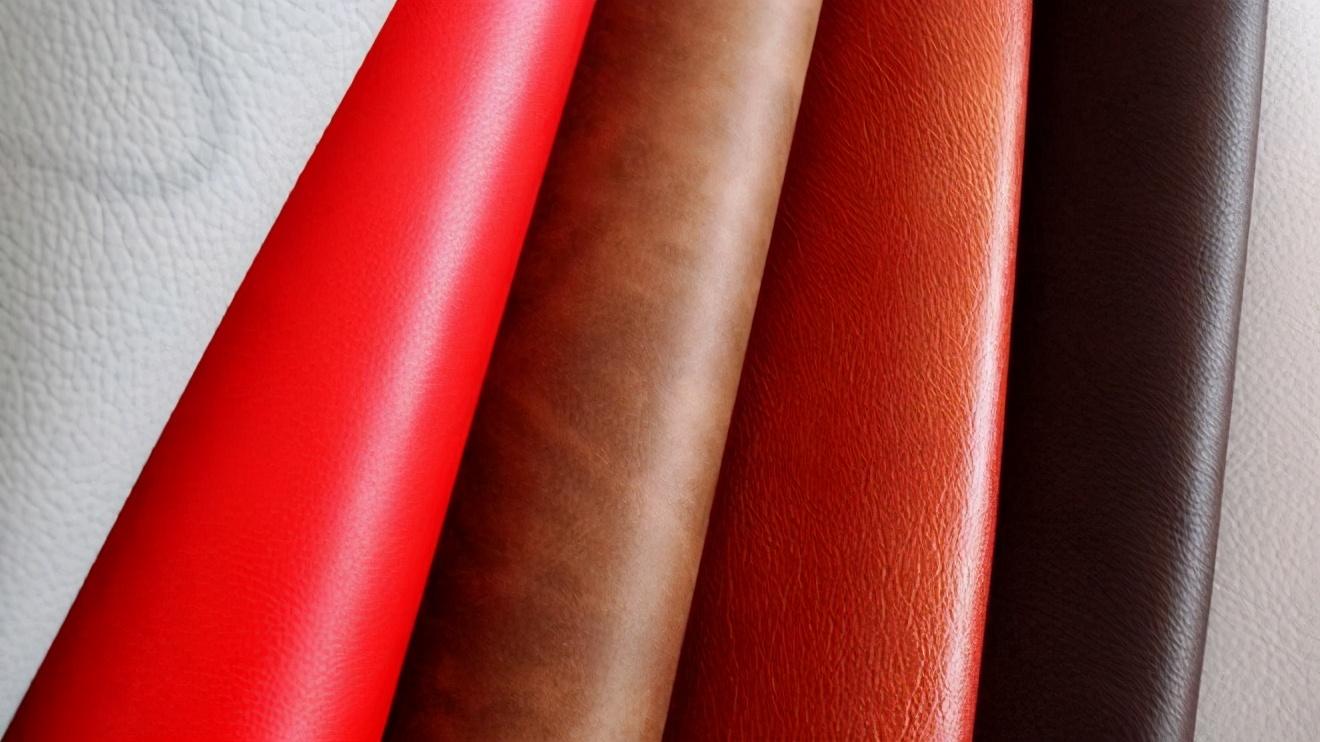
1. Fur
Advantages: natural and beautiful , elegantly dressed, gorgeous and noble, comfortable and warm.
2. Artificial fur
Advantages: warm, beautiful appearance, plump, soft to the touch, fluffy, good elasticity, loose texture, light, wear-resistant, antibacterial and insect-proof, easy to store, Washable
Disadvantages: poor wind resistance and high lint loss rate.
3. Natural leather
Advantages: not easily deformed when exposed to water, easy to shrink when dried and washed, resistant to chemicals, anti-aging
Disadvantages: but different sizes , the processing is difficult to rationalize.
4. Artificial leather
Advantages: soft texture, comfortable to wear, beautiful and durable, warm, moisture-absorbent and breathable, moth-proof, no ironing required, stable size.