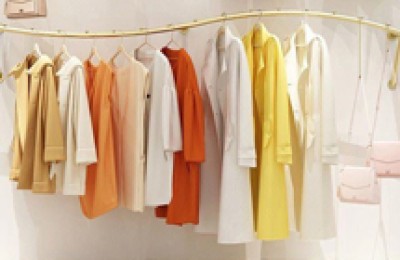

Today we will share our understanding of fabrics in the process of development, production and cooperation with brands (only my own opinions). I hope it can help you in getting goods, selecting styles and writing copy. Helps. Whether a piece of clothing has texture and a high-end feel is mainly affected by four factors: fabric, pattern, craftsmanship and design. The texture of the fabric, the fit of the pattern, the fineness of the sewing, printing and embroidery techniques, and the novelty of the design will all affect the way a piece of clothing feels. But fabrics can best reflect texture. Today we will only talk about fabrics.
Everyone is selling goods, and they only talk about practical things, without asking for professional vocabulary.
The classification of fabrics is mainly based on composition and craftsmanship.
Fabrics can be divided into knitted and woven types according to technology.
Knitted fabrics are generally softer and softer. For example, base layers, T-shirts, sweatshirts, sweatpants, and sweaters are generally made of knitted fabrics.
Woven fabrics are generally stiff and tight. For example, windbreakers, dresses, shirts, suits, and jackets generally use woven fabrics.
Needle and woven fabrics only have different weaving techniques and are not good or bad.
Fabrics can be divided into natural fiber fabrics, chemical fiber fabrics, blended fabrics, etc. according to their composition.
Natural fiber fabrics: cotton, linen, wool cashmere, modal, silk, etc.
Chemical fiber fabrics: polyester, nylon, spandex, acrylic (DeRong is a kind of acrylic), etc.
Blended fabrics : Cotton-polyester blend, nylon-ammonium blend (lululemon’s yoga pants), wool blend, etc.
For daily wear, try to choose fabrics with high natural fiber content, which are more comfortable;
Chemical fiber fabrics are mainly used For functional clothing, such as sports, outdoor, etc., it has the functions of quick-drying, wear-resistant, waterproof, etc.;
Blended fabric: combines the comfort of natural fibers with part of chemical fibers performance, more cost-effective.
In high-end clothing and high-end social circles, natural fibers are still more classy.
For example, the book “Style” says, “The slightest bit of polyester in an Oxford shirt will be noticed, because it is a sad sign of the middle class” (if If you are in the brand or high-end business, you can read this book)
1. Soft or stiff
The fabric of a piece of clothing, intuitively speaking, is soft or stiff when you look at it and touch it. Knitted fabrics are generally softer, and woven fabrics are generally stiffer. The soft fabric must be soft to be good, such as Cashmere feels softer than wool, and wool is softer than blended wool mixed with polyester. Shirts made from high-count cotton have a wider feel than shirts made from lower-count cotton. Modal fabrics are generally softer and suitable for underwear. 2. Delicate or rough
Delicate or rough mainly depends on the count of the fabric. Delicate fabrics such as silk are generally of high count, more delicate and The touch is softer, and it looks more refined and high-end. The same is true for summer short-sleeves. They are also pure cotton, with a higher count, and the upper body is more delicate and even quite wide, which naturally makes people feel more high-end.
Rough fabrics are only suitable for specific styles, such as linen and coarse knitted sweaters. They appear rougher and wilder, but it is difficult to give people a high-end feel. The small fragrance style (tweed) that has been popular in the past two years is relatively rough, but because it is endorsed by the brand, it can also look high-end. 3. Whether it is light or heavy, woolen, velvet, and fur will look heavier, while silk, modal, chiffon and other fabrics will look lighter and thinner. Different fabrics are used in different seasons, so there is no way to compare them horizontally, but the same fabric will have different weights. difference.
For example, for sweatshirts, the weight and cost are very different between 280g and 350g, and the feeling of the upper body is also very different. Autumn and winter sweatshirts with higher weight will naturally be more expensive.
4. Shiny or matte. Shiny fabrics such as genuine leather, mercerized cotton, fabrics treated with liquid ammonia, and satin fabrics are more high-profile, and matte Fabrics such as cashmere, linen, and pure cotton are more low-key. Generally speaking, shiny fabrics are more high-profile and difficult to control, making it difficult to wear them with a sense of quality.
Clothing fabrics are ever-changing. On the surface, they can be analyzed from these perspectives, but the quality of fabrics also involves indicators such as color fastness, resilience, shrinkage, etc. Even if I have been in the industry for many years, but I have never actually worked in a yarn factory, dyeing factory, or finishing factory. I only have a superficial understanding of many technical indicators and the quality of fabrics.
But textured fabrics have certain similarities
Firstly, they are delicate and have no obvious texture; secondly, the color is generally more Soft, without bright colors or gloss; again, the fabric drape naturally without wrinkles or bulging.