
What process is best for T-shirt heat transfer? I believe many friends will have this question. In fact, there are many T-shirt heat transfer processes on the market, such as offset heat transfer, silk screen printing, T-shirt direct printing, etc., but when it comes to which process is better, there is actually no accurate answer, because each process has its own characteristics. The value of its existence is that what is suitable is the best. Today, the editor brings you a new T-shirt heat transfer process. Do you want to know what it is? Follow the editor and read below.
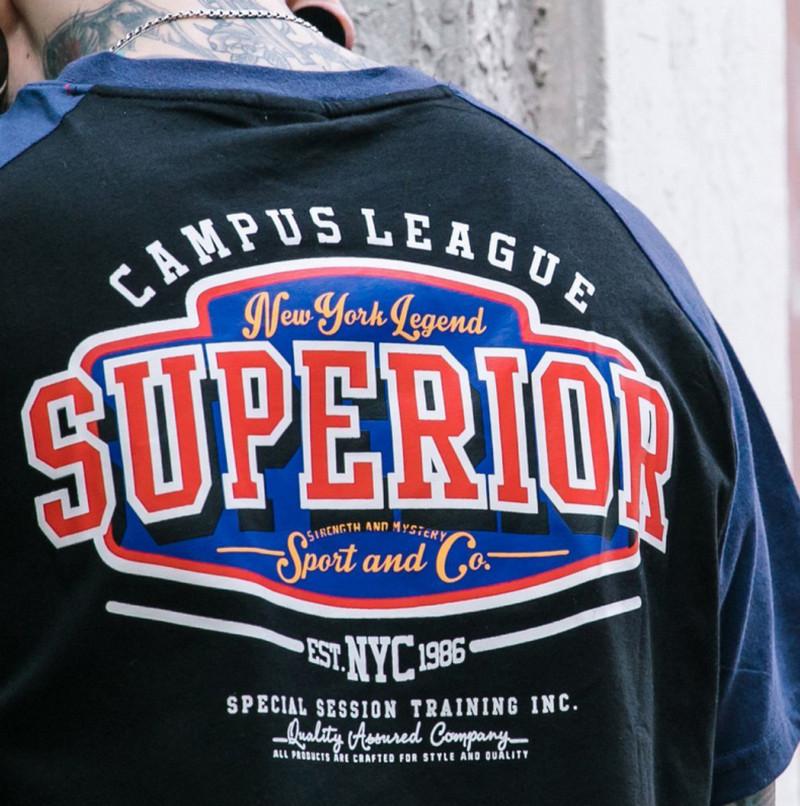
Yes, today I will introduce to you the Bosway digital offset heat transfer process. The biggest difference between this process and offset heat transfer is that there is no need for plate making or backing glue. Offset heat transfer requires mass production, while digital offset heat transfer can achieve small batch production and print in one piece. Customer personalized customization needs. So what is the digital offset heat transfer process?
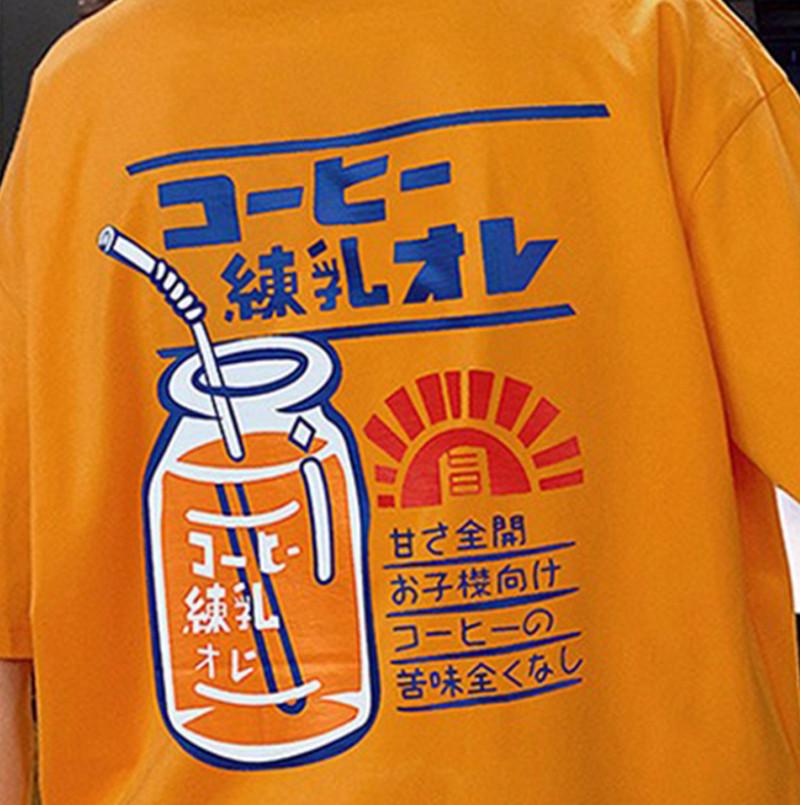
Digital offset heat transfer is actually to use an offset heat transfer printer to print the pattern on a special printing film, and then use a powder shaker to print the pattern on the printed film Sprinkle hot melt adhesive powder on the back of the pattern, then place it on the fabric and press it. Digital offset heat transfer can also clearly print craft lines and small letters, and has the advantages of no engraving, no hollowing, and no waste discharge.
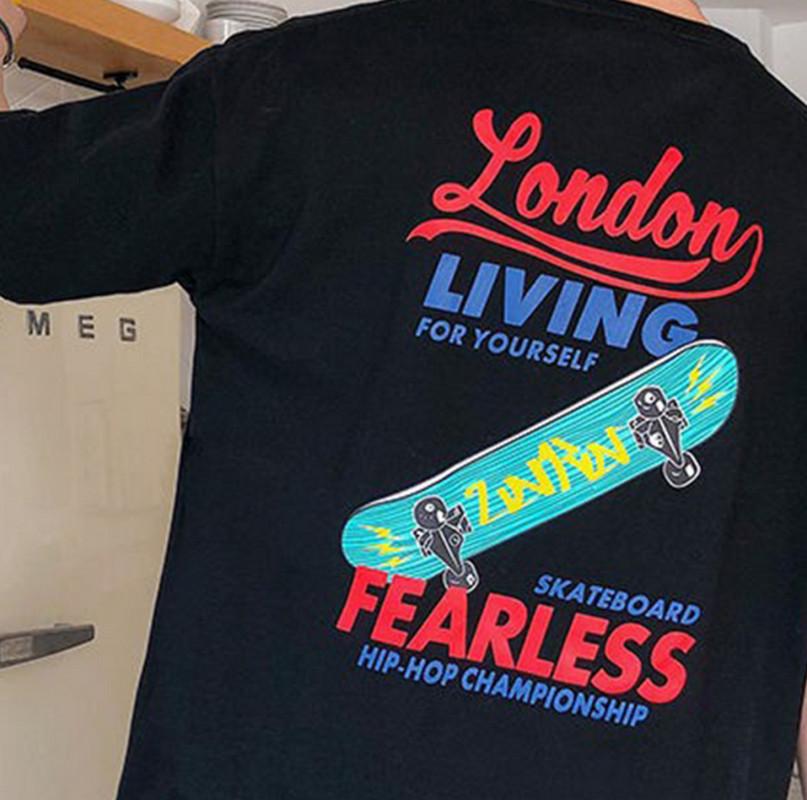
Why do clothes of the same fabric have different printing patterns and different prices?
- That is because different printing methods and production costs require different manpower and material resources. Naturally, the prices of finished garments also vary.
Woodblock printing:
Its production efficiency is low, the cost is high, and it requires a lot of manpower The cost is high and depends on the skill level of the workers. Limited in terms of repeating patterns. The printable range is wider and the printing gloss is better.
Engraving roller printing:
It has higher production efficiency, higher cost and higher labor cost. The operating technical level is relatively high. Very fine details and tonal effects can be rendered. The color of the dye is darker than that of screen printing
Flat screen printing:
Its production efficiency is higher. The cost is on the high side. Can print very clear details. The printable range is wider. The colors produced by printing and dyeing are bright.
Rotary screen printing:
Its production efficiency is higher. Lower cost. Can print and dye clearer details. The colors produced by printing and dyeing are bright.
Transfer printing:
Its production efficiency is low. The cost is lower and the labor cost is also low. It works better on synthetic fabrics. Unable to achieve 100% color saturation
Water transfer printing:
Its production efficiency is low. The cost is lower and the labor cost is also low. It repeats the pattern partly depending on the size of the paper. Printing and dyeing cannot achieve 100% color saturation
Digital printing:
Its production efficiency is low and the cost is high . It repeats the pattern in part depending on the width of the printer. Printing and dyeing cannot achieve 100% color saturation