
Cotton clothing has a good wearing feel and is one of the common T-shirt fabrics. It is naturally soft, feels plump and thick, and is very suitable for wearing. In daily life, people often think that pure cotton fabrics and 100% cotton fabrics are the same fabric. In fact, they are still different. The main difference lies in the different production processes. There are many ways to identify whether a T-shirt is made of pure cotton. Let’s learn about it with me.
The difference between pure cotton T-shirts and pure cotton T-shirts
1. Cotton T-shirts mean that the fabric is made of 100% cotton, while pure cotton T-shirts are made of cotton. As a textile raw material, a T-shirt made of warp and weft yarns interwoven vertically and horizontally. Cotton containing more than 75% cotton is pure cotton. However, with the development of the clothing industry, people usually regard these two fabrics as having the same meaning, but they have different meanings.
2. Depending on the processing procedures and techniques, there are certain differences in the clothes produced by cotton T-shirts. For example, pure cotton clothes are easy to wrinkle, while some 100% cotton clothes are not easy to wrinkle because of the different fabrics processed. .
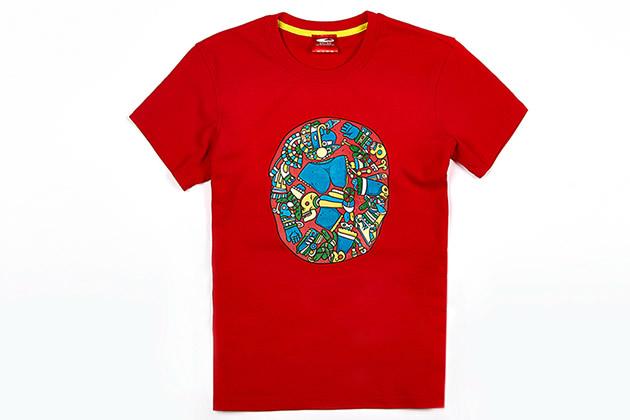
How to identify whether a T-shirt is pure cotton fabric
1. Look at the feel
Pure cotton fabric feels naturally soft, plump and thick. It has a slightly astringent and sinewy feel, can be pulled to a small extent, and recovers slowly after pulling; while chemical fiber fabrics feel soft and slippery, stretch to a large extent, and will bounce back to their original shape once you let go. Rub the edge threads. After rubbing the pure cotton, a lot of thin threads will come out. You can see fibrous substances of different thicknesses. The structure of the chemical fibers is very uniform, and the change in thickness is not obvious. But be careful, you must choose the thread ends of the fabrics on the clothes. The threads used for sewing are often made of cotton and cannot be used as a reference for distinction
In addition, because cotton yarn is relatively tough and has weak elasticity, Therefore, the recovery time of pure cotton clothes will be slightly longer after they are wrinkled. Let me teach you the most rustic and best way to identify them: you pick them up and hold them in your hands, and then let go. If they are very wrinkled, it means they are cotton. Or there are a lot of cotton ingredients. If there are very few wrinkle marks, it means other ingredients are mixed with it.
You can also fold the fabric in half, and then use your fingernails to scrape along the edge. After unfolding, the more obvious the scratches are, the higher the cotton content is, while pure fiber fabrics will not leave scratches.
2. Look at the luster
Except for mercerized cotton treated with caustic soda, pure cotton fabrics have no obvious luster, and the color is natural and soft. When the clothes are put down naturally, they have a natural drape. To reduce the phenomenon of “reflection”, when purchasing, you can flatten the clothing and add a certain amount of tension, and then place the fabric at a 45-degree angle to the body and face the light source. If there is bright light, then this must be a high-content chemical fiber clothing. In addition, due to the addition of fluorescent whitening agents, white clothing made of chemical fiber will be whiter than pure cotton clothing, and may even feel dazzling.
3. Look at the water absorption
As we all know, pure cotton fabrics are quite absorbent. Soak the cotton clothes with some water, and then squeeze the water out with your hands. If the water cannot be squeezed out, it proves that it is not pure cotton. If it is pure cotton, it will show wrinkles after squeezing out the water.
4. Smell the smell
Pull out a small piece of yarn from the seam of the clothing and conduct a fire inspection. Real natural cotton fibers will not melt and shrink when burned, but will resemble Paper will also produce a natural yellow flame and the smell of burning paper. After burning, it will produce gray-white ash that can be crushed; while chemical fiber will melt and drip when burning, and there will be black smoke and burning glue smell. Forms into black hard spots. Of course, this inspection method is unsafe and unrealistic for ordinary consumers, so we can only use the first few methods to judge.