
I would like to share my opinions based on my limited clothing knowledge. If there is anything wrong, please share more information:
Aesthetics It’s a bit of a matter of opinion, but I think the fabric of a good-looking T-shirt should look textured, have a certain degree of elasticity on the upper body, be cut in line with the human body, and have a sense of design in the pattern and style, but should not be too slim or tight, which may make it appear restrictive and expose body defects, and it should not look like the body when worn. The kind of T-shirt that is popular with X treasures and has the style of a quick-witted young man that looks very cheap at first glance.
And a basic T-shirt that is comfortable to wear, washable, durable and not easily deformed, is different from its Fabric material is related to workmanship details and pattern. Today we will talk about the issues that need attention from the following aspects!
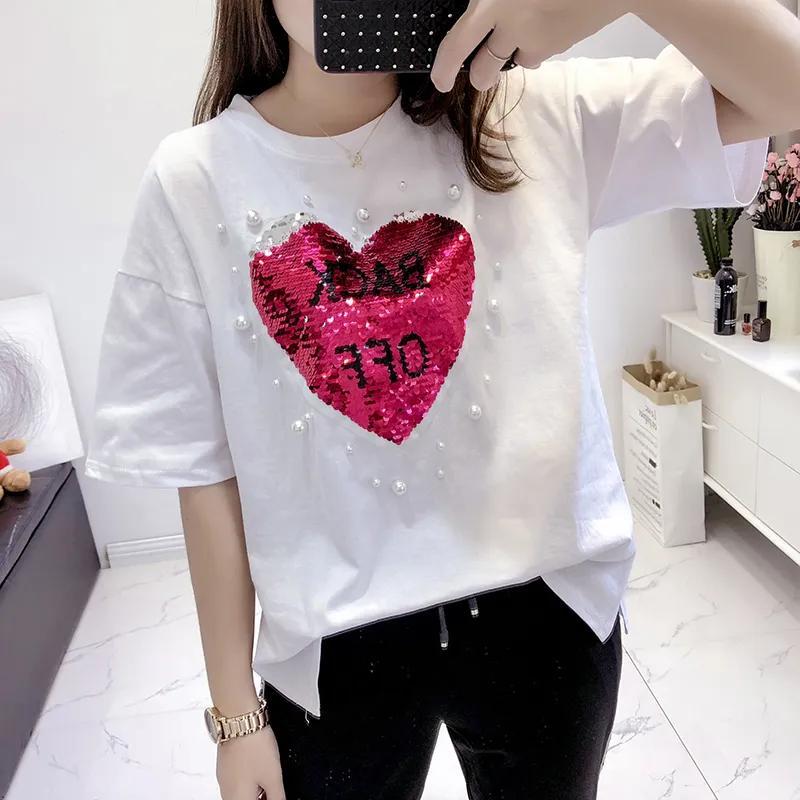
1. Look at the material, weight and count of the fabric:
The material of the fabric determines the texture of the clothes and the feeling of wearing them
When choosing a T-shirt for daily wear, the first thing is to look at the fabric. The materials of common T-shirt fabrics are roughly : Pure cotton, polyester, cotton blended fabrics
The advantages of pure cotton fabrics are that they are comfortable and skin-friendly, and have good moisture absorption, heat dissipation and air permeability. The disadvantages are that they are easy to wrinkle and absorb dust. , poor acid resistance
Pure cotton fabrics are also divided into [combed cotton] and [ordinary cotton]. Combed cotton has an additional combing machine during weaving. The process removes shorter fibers and impurities leaving neat and longer fibers.
The single yarn made in this way is longer and tougher and has better quality after being woven into clothes. It is not easy to deform when worn, is not easy to pill, and has a glossy texture and good texture.
Key point: If you see a combed cotton T-shirt, you are right to buy it
Polyester is also polyester Fiber: smooth to the touch, strong and durable, good elasticity, not easily deformed, corrosion-resistant, easy to wash and quick-drying, but comfortable to wear and has poor breathability.
Spandex material features are not easy to wrinkle and fade, have high extensibility, good shape retention, and are acid, alkali and abrasion resistant. They are commonly used for fabrics blended with cotton. It has good elasticity, feels smoother, is not easily deformed, and feels cooler on the body.
There are also flax, acrylic, silk, etc. The former fabric is prone to wrinkles and has an antique flavor when worn. It is not very beautiful when used in T-shirts. Linen, acrylic, silk, etc. The former fabric is prone to wrinkles and has an antique flavor when worn, so it is not very beautiful when used in T-shirts.
In terms of fabrics, 4+5 recommends the following selection: For T-shirt fabrics for daily wear in summer, choose pure cotton (preferably combed cotton) fabrics with a certain weight. Or blended ones such as cotton + spandex, cotton + modal, for example, about 95% combed cotton + 5% others. For sports T-shirt fabrics, you can choose polyester fiber/blend type.
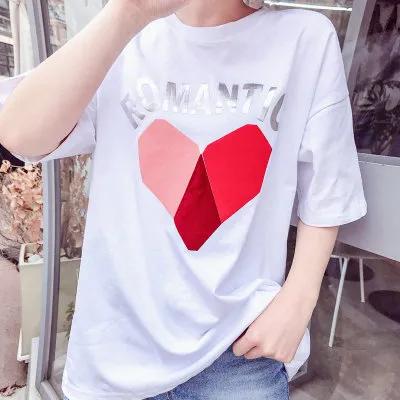
2 fabric crafts
T-shirts are commonly found in plain and Sanding (hair erosion) are two processes.
There will be obvious differences in the feel of the fabrics between the two processes: for example, our fabric data are all 180g/20 counts, and the sanding process is softer and more skin-friendly than the plain weave process
p>
As for which T-shirt to choose from these two crafts, it depends on personal preferences and needs. For example, if you are looking for softness and comfort or if you like to match American retro Ami khaki and other styles, you can consider wearing it. Ordinary/heavyweight T-shirts made of wool. If you like simple, easy care and durability, choose regular plain weave.
Thirdly look at the price
Speaking of this, a good question comes to mind: What is the difference between expensive clothes and cheap clothes?
Take T-shirts as an example, the difference lies in material, workmanship, details, brand, layout design, packaging experience. Cheaper T-shirt embroidery is The wiring is very crude and rough, and the stitching in various places on the clothes also looks very “perfunctory”, making it look very cheap. Expensive clothes will have a lot of work put into them that you don’t notice, such as logo printing/embroidery with a sense of design, detailed workmanship, and neat and beautiful stitching.
In addition, there are brands that have a greater impact on prices, such as GUCCI, Supreme, etc. and various niche fashion brands. An ordinary solid color T-shirt with a After the logo is put up, the price can often increase N times. Many people may say that the quality of the brand’s clothes is guaranteed. The production cost of these T-shirts generally does not exceed 100 (a cost of 100 is considered very + very + very high) or even within 30. The money is mainly spent on marketing. (Poor textile workers)
Because there is an upper limit on the production cost of T-shirts, most of the better fabrics cost forty or fifty yuan per kilogram (there are also more expensive ones). A piece of cloth of about 20 kilograms can produce about a hundred T-shirts, and the fabric cost of each piece of clothing is about ten yuan (some are more than ten yuan (some big brands develop their own fabrics, and the cost will also increase/decrease)) , plus sewing/printing/labor/packaging and other miscellaneous discounts, the price is probably about 15 to 50 per piece, 9.9 free shipping on DuoduoThe cost of a relatively inferior T-shirt is generally about 3 yuan…