
As a qualified textile fabric practitioner, you must master various printing processes related to fabrics. Below, the editor will introduce to you the following most common printing methods~
Adhesive printing
Advantages: wide application, bright colors, high degree of reduction, affordable price, can print large areas of multiple colors, strong hiding power .
Disadvantages: It will stick to each other in hot weather and feels hard.
Material: Suitable for printing of various dark colors and materials.
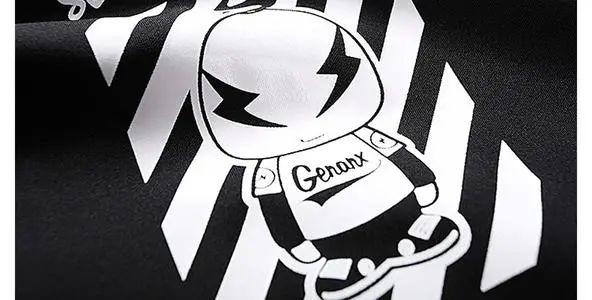
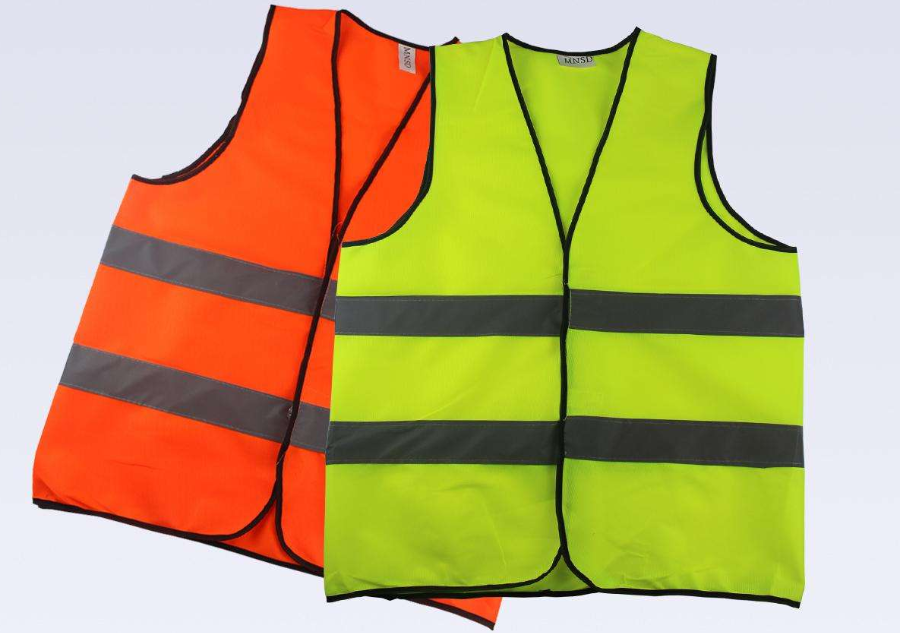
Reflective printing
Advantages: Reflective printed textiles have With a strong “eye-catching” effect, safety clothing (or signs) made of this high-visibility reflective material can be easily recognized by the wearer regardless of whether he is in a distant place or under interference from light or scattered light. Night drivers find it, thus successfully solving the problem of “seeing” and “being seen” while driving at night.
Disadvantages: easy to crack, not washable.
Material: used in highway signs, advertisements, posters, special uniforms, police uniforms, and sanitation clothing.
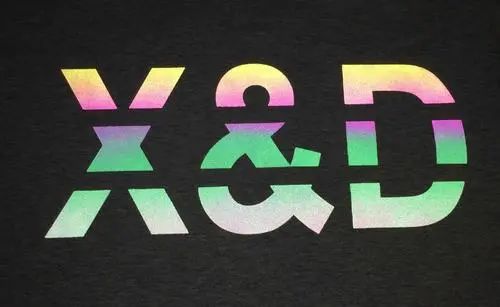
Optical variable printing
Advantages: Several high technologies are added to the dye The ultraviolet light excites the Mars microparticles, and the color changes instantly when exposed to ultraviolet light.
Disadvantages: easy to crack, not washable.
Material: used for cultural shirts, children’s clothing, advertising paintings, etc.
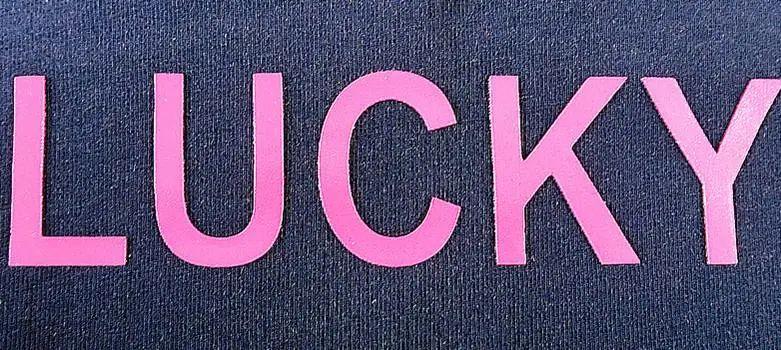
Thick plate printing
Advantages: A very neat three-dimensional effect can be achieved.
Disadvantages: The cost is relatively high.
Material: Suitable for various knitted fabrics.
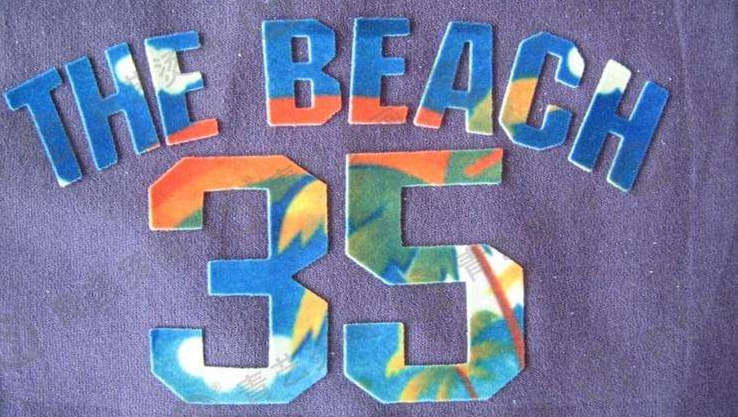
Flocking printing
Advantages: soft feel and good warmth retention. Wool is woven onto cloth using a specific process.
Disadvantages: It is easy to fall off when the number of washing times increases, and there will be sticky hair.
Material: Suitable for all types of warm fabrics or trademarks.
Transfer printing
Advantages: fine patterns, rich and clear layers, high artistry, and strong three-dimensional effect. It is beyond the reach of ordinary printing methods and can print photography and painting-style patterns; the printing colors are bright, and during the sublimation process, the tar in the dye is left on the transfer paper and will not contaminate the fabric.
Disadvantages: The disadvantage is that a large amount of transfer paper is consumed, and it is washed after printing, which consumes water and produces sewage at the same time.
Material: In addition to being suitable for synthetic fiber fabrics, transfer printing can also be used for printing pure natural fiber fabrics and their blended fabrics.
Digital printing
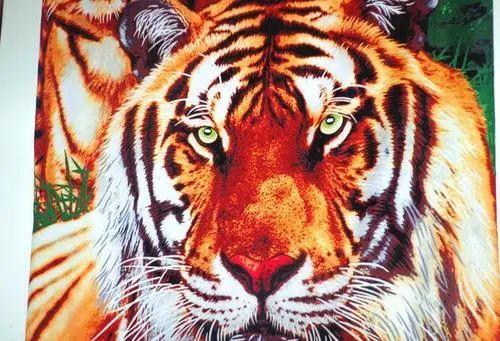
Advantages: fast response, good proofing effect, high customer recognition rate, widely used.
Disadvantages: slow printing speed and high ink price.
Materials: various gift boxes, various decorative items printed with patterns, photos, etc.
Penetration printing
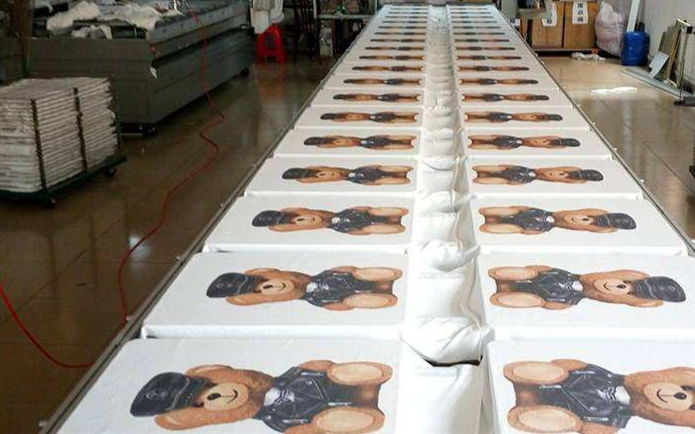
Advantages: soft feel, wide application, both front and back There is a pattern.
Disadvantages: The color is not too bright.
Material: Generally used for blanket printing.
Ink printing
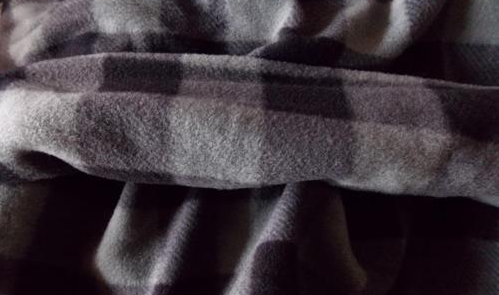
Advantages: clear patterns, bright colors, soft hand feel, and more beautiful patterns than glue printing.
Disadvantages: The price is more expensive than glue printing.
Material: The fabric must be loose and light.
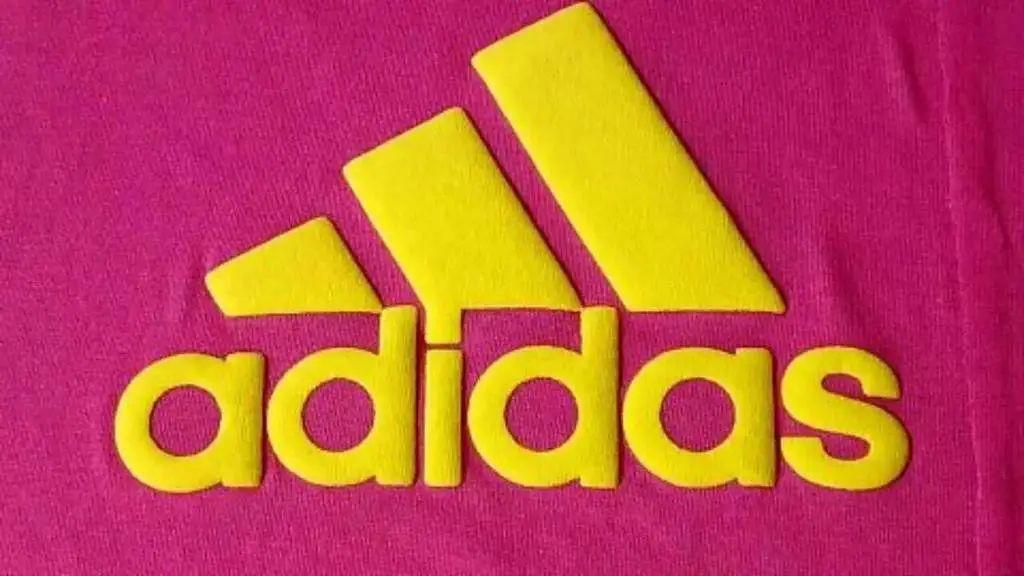
Foam printing
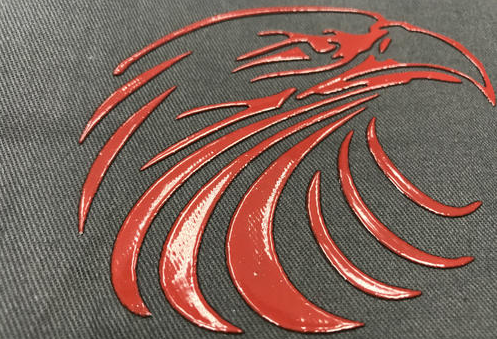
Advantages: strong three-dimensional effect, prominent printing surface , expansion.
Disadvantages: The color fastness of the printing part is difficult to control.
Material: widely used in cotton, nylon cloth and other materials.
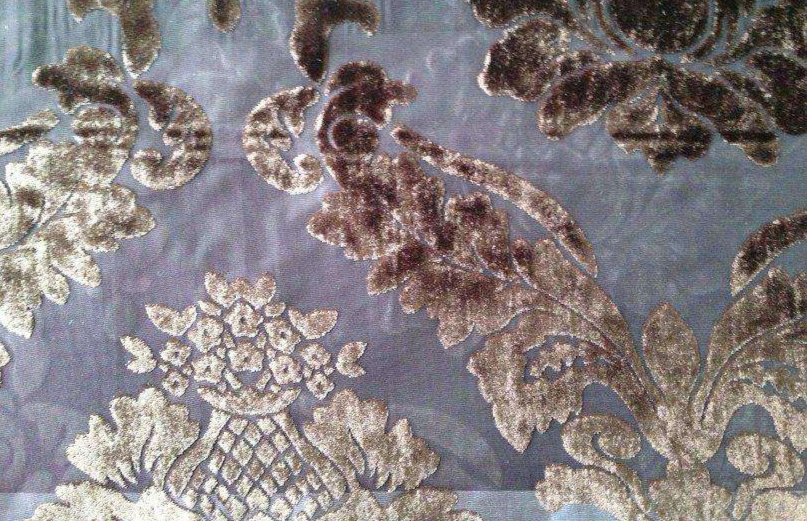
Burnout
Advantages: translucent texture, concave and convex patterns, The flowers are natural in shape, unique in style and colorful.
Disadvantages: Cannot use cotton fabrics.
Material: In addition to rayon and silk, polyester-cotton core-spun yarn is currently used as raw material.
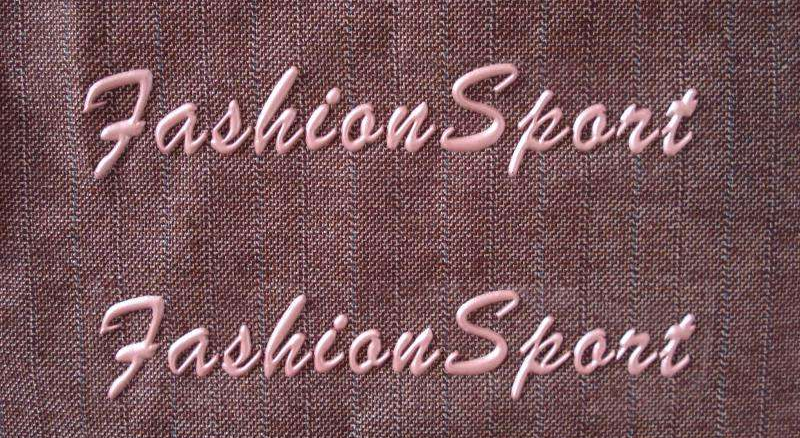
Silicone printing
Advantages: soft to the touch, sticky, non-sticky , washable and wearable, with strong color fastness.
Disadvantages�The price is not as expensive as glue printing.
Material: Suitable for various fiber fabrics.
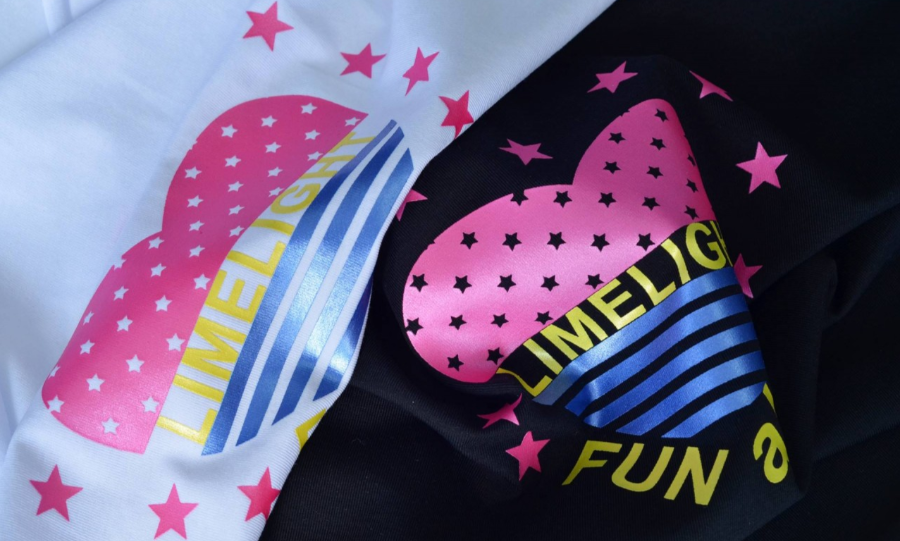
Pigment printing
Advantages: bright and gorgeous color, light stability good. It can give the fabric a plump, dry and soft feel, excellent washing fastness, and good breathability of the fabric.
Disadvantages: The pigment-printed area feels slightly harder and perhaps thicker than the unprinted area.
Material: Suitable for various fiber fabrics.
Discharge printing
Advantages: soft touch.
Disadvantages: It has peculiar smell and must be washed with water. The color is difficult to control and it is easy to change color.
Material: Suitable for various fiber fabrics.
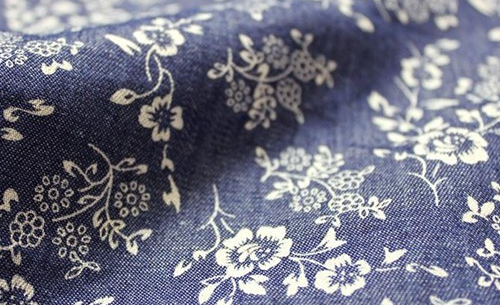
Water slurry printing
Advantages: wide application, good flower position stability , softer to the touch and cheaper.
Disadvantages: The coverage is not strong and the color is not too bright.
Material: Suitable for printing on light-colored fabrics.