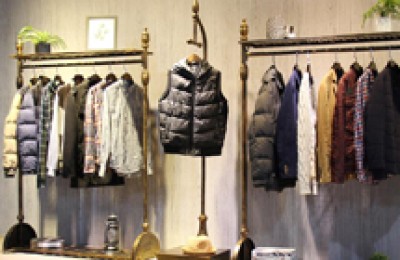

Synthetic fibers:
Chemical fibers refer to fibers that are made from natural or synthetic high polymers and processed through chemical methods. They can be divided into two categories: man-made fibers and synthetic fibers. . There are two types of man-made fibers, namely man-made cellulose fibers (such as viscose fiber, rich fiber, etc.) and man-made protein fibers (such as soybean fiber, peanut fiber, etc.). The camp of synthetic fibers is relatively large, including polyester fiber (ie polyester fiber). ), polyamide fiber (nylon 6, nylon 66, etc.), polyacrylonitrile fiber (acrylic fiber), polyvinyl formal fiber (vinylon), polypropylene fiber (polypropylene), polyvinyl chloride fiber (chloropropon), polyamide Formate fiber (spandex).
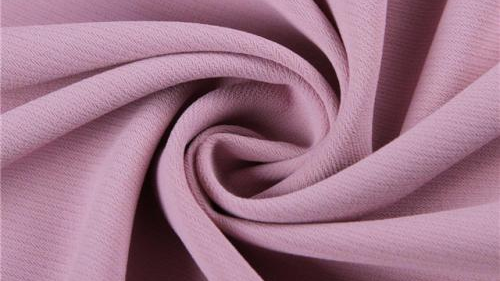
Polyester fiber
English name: polyester fiber; Chinese trade name Made of polyester.
Polyester fiber is also called ice silk in the clothing industry. It is currently the largest variety of synthetic fibers. It is a fiber-forming polymer made from purified terephthalic acid (PTA) or dimethyl terephthalate (DMT) and ethylene glycol (EG) through esterification or transesterification and polycondensation reaction. —Polyethylene terephthalate (PET), a fiber made by spinning and post-processing. Polyester, commonly known as “Qianliang” in China, has a wide range of uses and is widely used in the manufacture of clothing fabrics and industrial products. Polyester has excellent shaping properties. The flat, fluffy or pleated shapes produced by polyester yarn or fabric after shaping can still remain unchanged after being washed many times during use. It is loved by people because of its characteristics such as strong and durable, good elasticity, not easily deformed, corrosion-resistant, insulating, crisp, easy to wash and quick-drying.
Polyester is also called triclon, and Americans also call it “dacron”. When it appeared on the Hong Kong market, people translated it as “Chen Liang” in Cantonese, which became a household name.
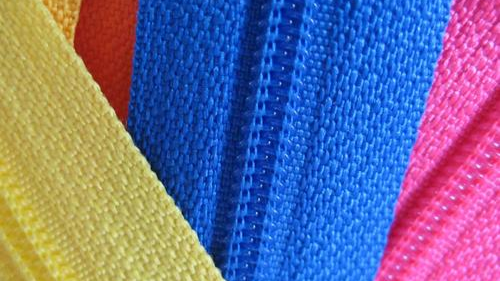
Polyamide fiber
The English name is Polyamide (PA for short), commonly known as nylon , invented by the famous American chemist Carothers and his scientific research team. Nylon is a term for polyamide fiber, which can be made into long fiber or short fiber.
Nylon is the trade name of polyamide fiber, also known as Nylon. It is the first synthetic fiber in the world. The emergence of nylon has given a new look to textiles. Its synthesis is a major breakthrough in the synthetic fiber industry and an important milestone in polymer chemistry.
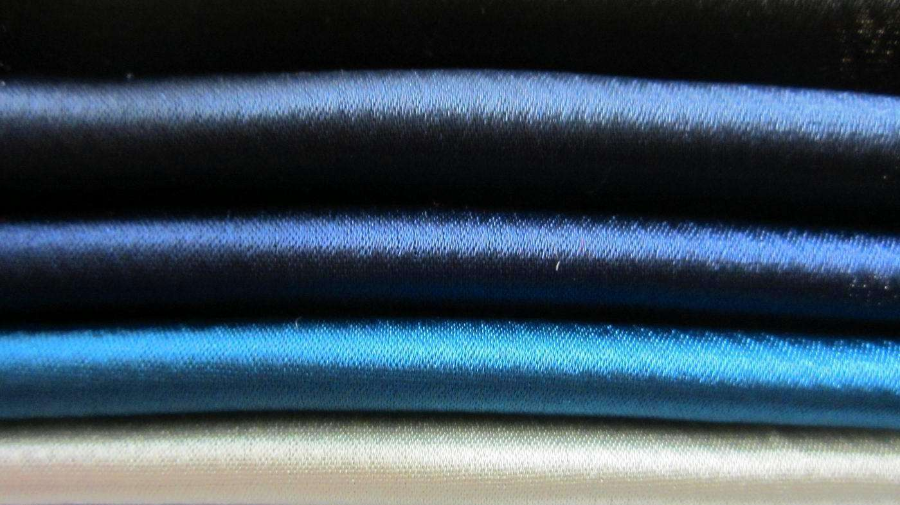
Acetate fiber
English name: acetate
fiber, cellulose acetate
fiber, also known as acetate fiber. Acetate fiber has better light resistance, but poor dyeing performance. It is generally made into short fibers and can be used as artificial hair. Acetate filament has good luster, soft and smooth feel, good drape, and strong silk feel. Suitable for making underwear, bathrobes, children’s clothing, women’s clothing and interior decoration fabrics, etc. Short fibers are used for blending with cotton, wool or other synthetic fibers. The fabric is easy to wash and dry, and is mildew- and moth-free.
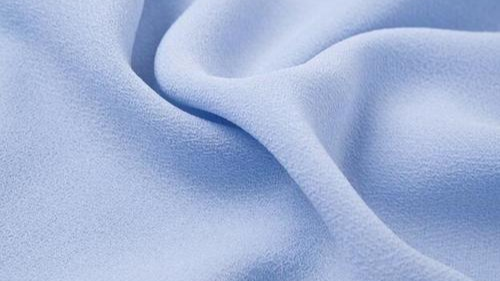
Viscose fiber
Viscose fiber is made from wood and plant α-cellulose extracted from cellulose raw materials such as rods, or artificial fibers made from cotton linters, processed into spinning solution, and then wet-spun. Viscose fiber is the full name of viscose fiber. It is divided into viscose filament and viscose staple fiber.
Viscose fiber – also called rayon and viscose filament. In recent years, new high-end varieties of viscose fiber called Tencel and bamboo fiber have appeared. Viscose fiber is a cellulose fiber produced from cotton or other natural fibers. Among the 12 major textile fibers, the moisture content of viscose fiber is most in line with the physiological requirements of human skin, and it has the characteristics of smooth, cool, breathable, antistatic, and brilliant dyeing. Viscose fiber is a regenerated cellulose fiber. It uses natural cellulose as raw material, undergoes alkalization, aging, sulfonation and other processes to make soluble cellulose sulfonate, then dissolves it in dilute alkali liquid to make viscose, and is made by wet spinning. Using different raw materials and spinning processes, ordinary viscose fiber, high wet modulus viscose fiber and high-strength viscose fiber can be obtained respectively. Ordinary viscose fiber has general physical, mechanical and chemical properties, and is divided into cotton type, wool type and filament type, commonly known as artificial cotton, artificial wool and rayon. Viscose fiber has good hygroscopicity, and under normal atmospheric conditions, the moisture regain is about 13%. It expands significantly after absorbing moisture, and its diameter increases by up to 50%. Therefore, the fabric feels hard and has a large shrinkage rate after being soaked in water.
1. Ordinary viscose fiber
(1) Viscose cotton type short fiber has a cutting length of 35~40mm and a fineness of 1.1~2.8 Blending dtex (1.0~2.5 denier) with cotton can be used to make muslin, validine, gabardine, etc.
(2) Viscose wool type short fiber, cut length 51~76mm, fineness 3.3~6.6dtex (3.0~6.0 denier), can be spun purely or blended with wool, can be made into tweed and coats Wait.
2. Rich and strong fiber
(1) It is an improvement of viscose fiberp>
Usage: Mainly used for civilian purposes, it can be spun purely or blended to make a variety of woolen materials, woolen yarns, blankets, and sportswear. It can also be used: artificial fur, plush, bulked yarn, hoses, parasol cloth, etc.
5. Vinylon (water-soluble hygroscopic)
The biggest feature is its high hygroscopicity, the best among synthetic fibers, known as “synthetic cotton” “. The strength is worse than that of brocade and polyester, but it has good chemical stability and is not resistant to strong acid and alkali. Sunlight resistance and weather resistance are also very good, but it is resistant to dry heat but not wet heat (shrinkage) and has the worst elasticity. The fabric is easy to wrinkle, dyeing is poor, and the color is not bright.
Usage: mostly blended with cotton: muslin, poplin, corduroy, underwear, canvas, waterproof cloth, packaging materials, work clothes, etc.
6. Polypropylene (lightweight and warm)
Polypropylene fiber is the lightest fiber among common chemical fibers. It is almost non-hygroscopic, but has good wicking ability, high strength, dimensionally stable fabrics, good abrasion resistance and elasticity, and good chemical stability. But: poor thermal stability, not resistant to sunlight, and prone to aging and brittleness.
Uses: Can be used to knit socks, mosquito nets, quilts, thermal fillers, wet diapers, etc. Industrially: carpets, fishing nets, canvas, hoses, medical tapes to replace cotton gauze and make sanitary products.
7. Spandex (elastic fiber)
It has the best elasticity, the worst strength, poor moisture absorption, and good light resistance and acid resistance. , alkali resistance, wear resistance.
Uses: Spandex is widely used in textile fields and medical fields based on its characteristics, such as underwear, women’s underwear, casual wear, sportswear, socks, pantyhose, bandages, etc. . Spandex is a highly elastic fiber necessary for high-performance clothing that pursues dynamics and convenience. Spandex can stretch 5-7 times longer than the original shape, so it is comfortable to wear, soft to the touch, wrinkle-free, and can always maintain its original contour.