
Whether it is a summer T-shirt or a winter sweatshirt, you can see colorful patterns on many clothes in shopping malls or online stores, and many of these are prints. How much do you know about the categories and techniques of prints? ?
Now, the editor will take you to quickly understand these printing processes, so that you can also add a sentence when others are talking about clothing printing. Perhaps, in the future life, something may be successful because of this
Pyrography
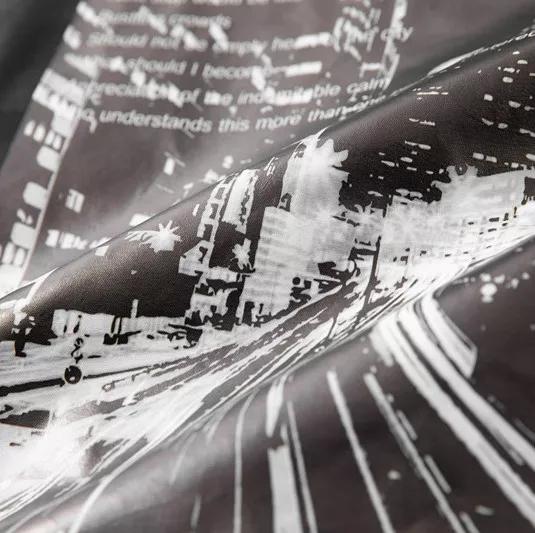
Pyrography is to first print the pattern on heat transfer paper (commonly known as heat transfer paper). After drying, the heat transfer paper is ironed to the surface of clothes or other fabrics through high temperature and high pressure, leaving the pattern. Tear off the waste film and complete the heat transfer process, also called “heat transfer heat transfer”.
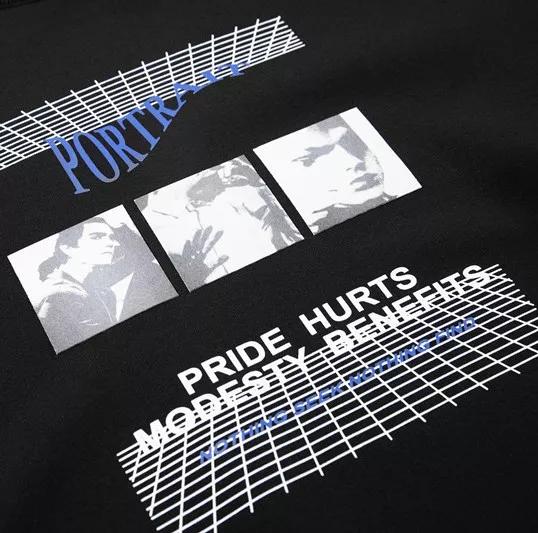
The heat transfer process can print high-precision character photos and 3D game animations and other colorful, full-level, and delicate-toned patterns. The effect can be compared with that of computers. The design draft is very close.
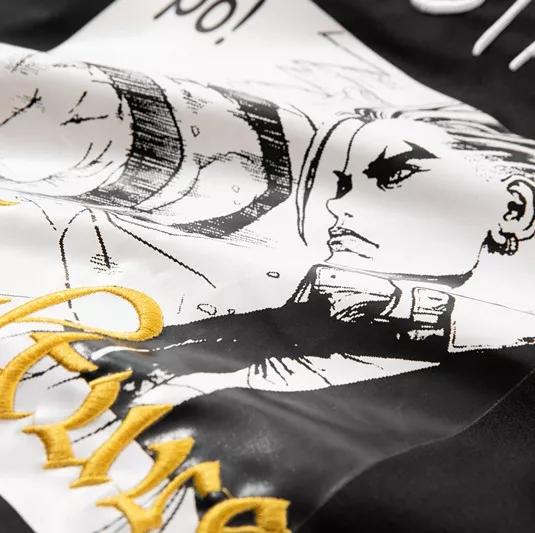
Glue printing
The glue printing process uses a special chemical gel Highly seamless blend with dyes. The dye is firmly attached to the fabric through the medium of gel, overcoming the limitations of water slurry printing.
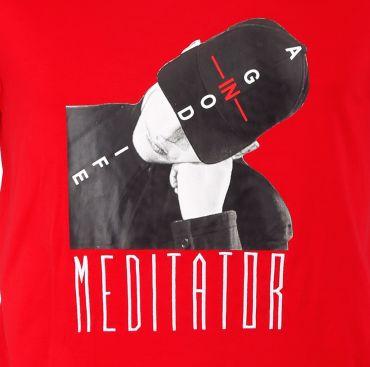
Glue printing has beautiful colors, high degree of reduction and wide application.
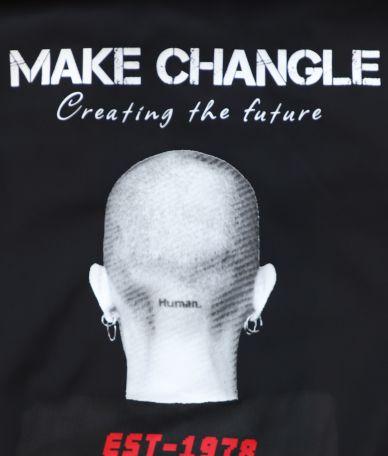
Digital printing
In short, digital printing is the process of converting patterns into It is input to the computer in digital form, edited and processed by the computer printing color separation and tracing system (CAD), and then the computer controls the micro-piezoelectric inkjet nozzle to directly spray the special dye solution onto the textile to form the desired pattern. Compared with traditional printing processes, digital printing production is faster and higher-definition.
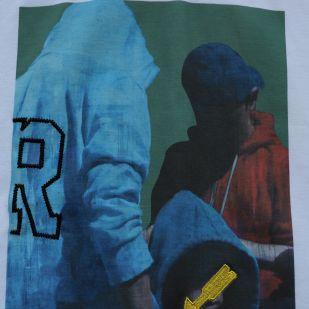
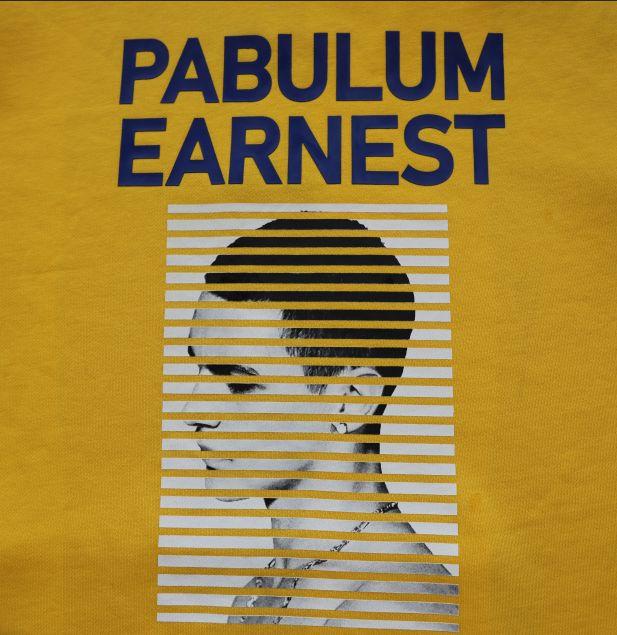
Thick plate glue printing
Thick plate glue printing presents The effect is more like the glue is superimposed and printed multiple times, and the visual effect is more neat and three-dimensional, as if it is integrated with the fabric. Thick plate glue printing has relatively high technical requirements, but the pattern formed has excellent adhesion, color fastness and elasticity.
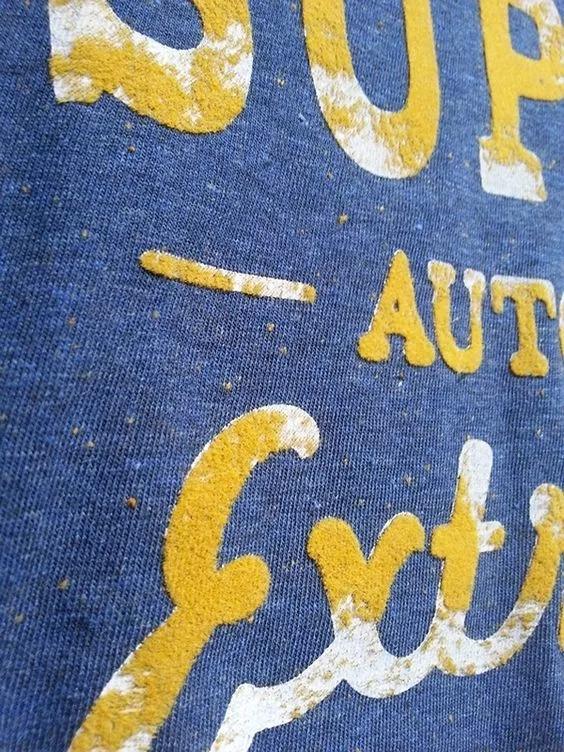
Flocking printing
The principle of flocking printing is to combine high-strength compound The resin adhesive brightener is transferred to the surface of the substrate using a screen containing the desired flower positions, and then the fiber fluff is charged through a high-voltage electrostatic field of hundreds of thousands of volts, causing the fluff to “hit” the adhesive vertically and evenly at a rapid speed On the fabric, a layer of fluff is “paved” on the surface of the fabric, and then cured and formed at high temperature.
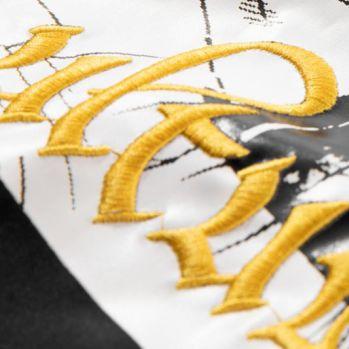
Three-dimensional embroidery
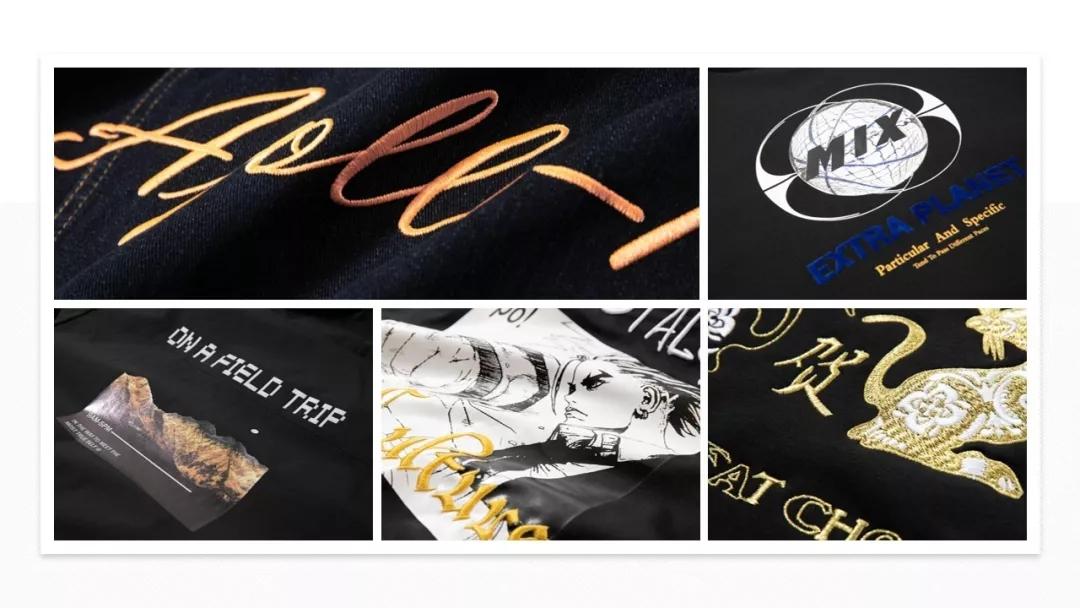
Three-dimensional embroidery was developed in England in the early 17th century and is also known as “draft carving”. The patterns formed by three-dimensional embroidery are very three-dimensional and can be called “3D art on fabrics”. From spring, summer to autumn and winter, brand clothing uses a large amount of three-dimensional embroidery to make it more visually dynamic.
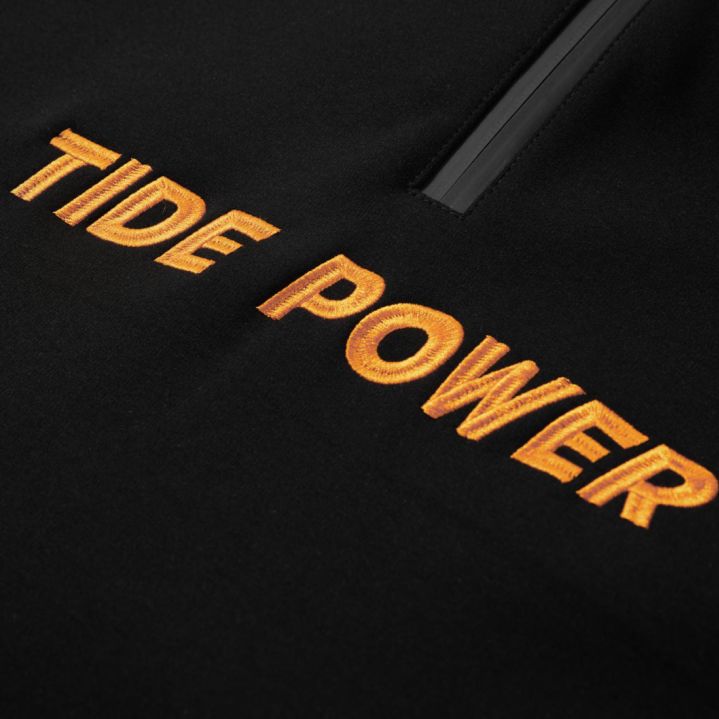
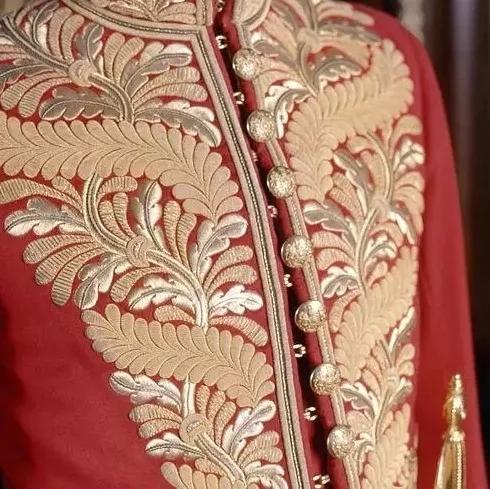
Gold thread embroidery
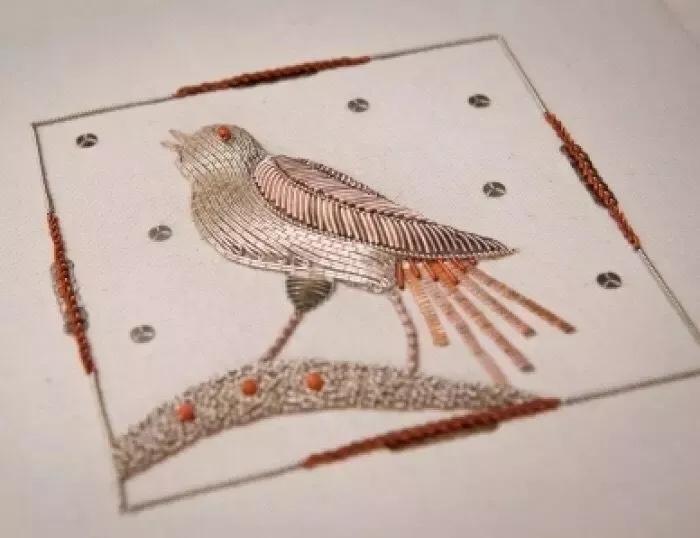
Goldwork is an embroidery technique that uses metal threads to embroider. Although the name contains the word “gold wire”, the wire used is not limited to gold. Because the material is too soft, even pure gold is rarely used. Silver, copper, gold or other metal alloy wires are mostly used. .
The winter black and red two-color Lunar New Year sweatshirt uses gold embroidery, which is exquisite, gorgeous and full of nobility!
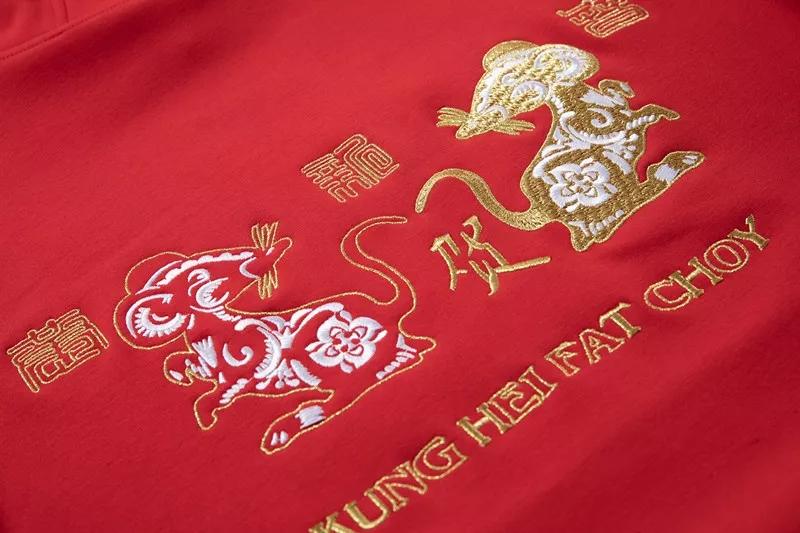
The craftsmanship of clothing is diverse, and it is these exquisite craftsmanship details that give clothing its unique beauty. The brand is committed to the pursuit of quality and also pays attention to every detail!