
Plain crepe satin
It feels soft and waxy, and is more shiny than other silks, but the luster will become darker after washing a few times. And the front and back are different. The reverse side is matte.
The plain crepe satin is woven so tightly that the lines are difficult to see with the naked eye. The disadvantages are that it is easy to snag, wrinkle, and has a large shrinkage rate. However, heavy plain crepe satin does not have this problem. It has a soft luster, thick and crisp feel, and is not easy to deform, snag, or wrinkle.
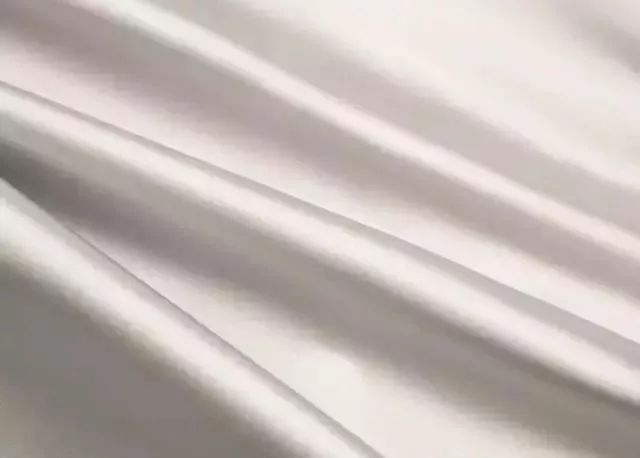
Stretch Satin
Similar to plain crepe satin is stretch satin. It is not 100% mulberry silk, but generally contains 5% to 10% spandex. Compared with plain crepe satin, it has a certain elasticity, is not easy to wrinkle, is easy to take care of, and also makes up for the shortcomings of pure silk.
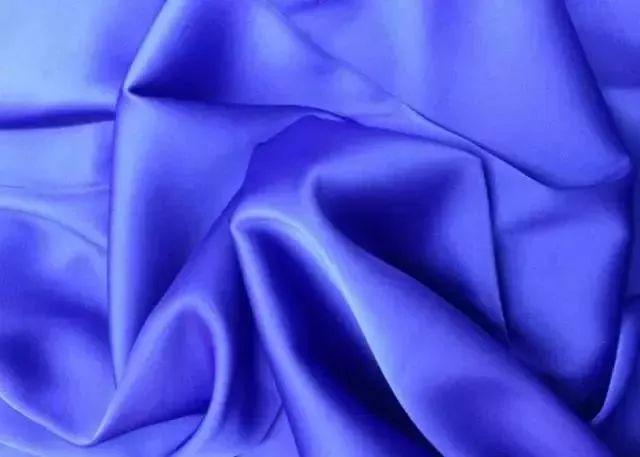
Pearl satin
It has pearl luster and obvious crepe on the surface. The luster is fat and bright, similar to plain crepe satin, but the front and back are different. There is only pearl silk, and it is not mulberry silk, but tussah silk. It has a slight concave and convex feel, is soft and opaque, and is suitable for shirts, dresses, etc.
Crepe de Chine
The surface is crepey, with slightly concave and convex and wavy scale crepe lines. It has a soft luster, soft hand feel, comfortable wearing and good anti-wrinkle performance. Crepe de chine is easier to recognize, the concave and convex feel is somewhat obvious, the texture is visible, and it is light and slightly transparent. Suitable for shirts, skirts, etc., it should be one of the most common types of silk.
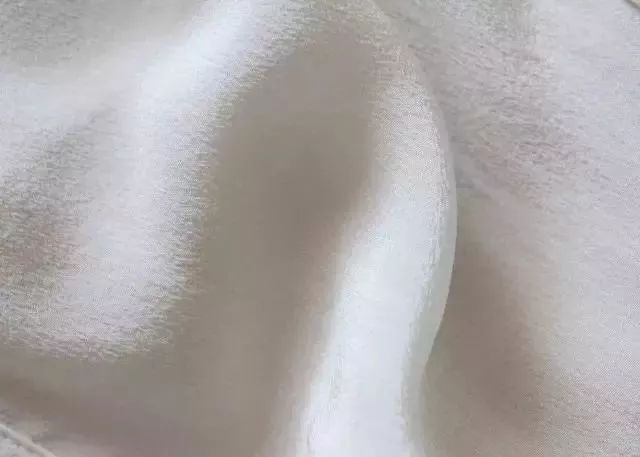
Georgette
Also known as Georgette crepe. The texture is very similar to chiffon, I mean chemical fiber chiffon. The difference between silk chiffon and Georgette can be distinguished at a glance. Georgette is light and permeable, feels soft and elastic, has good air permeability and drape, the silk surface particles are slightly convex, and the structure is loose. In fact, there are many specifications for Georgette crepe, which mainly depends on the thickness of the mulberry silk raw material, the number of threads combined, the twist and the warp and weft density. Therefore, the thickness of ordinary georgette is different. The common ones are 4.5 mm and 12 mm. The arrangement of warp and weft is not discussed here. Personally, I prefer Chongqiao, which is opaque, smooth, not easy to wrinkle, and easy to take care of.
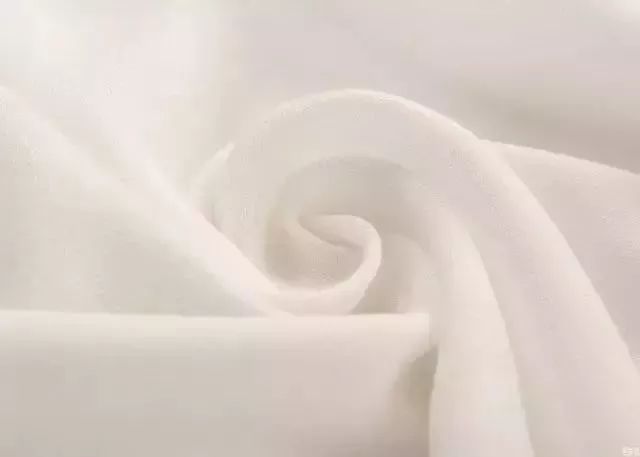
Silk chiffon
Chiffon is more familiar to the public because of its recent popularity in clothing, but most of the chiffons on the market are imitation silk chiffon. Characteristics of silk chiffon: thin, soft, good drape, light luster, slightly loose structure, clear holes visible. The disadvantages are that it’s easy to snag, and… it’s not easy to dry.
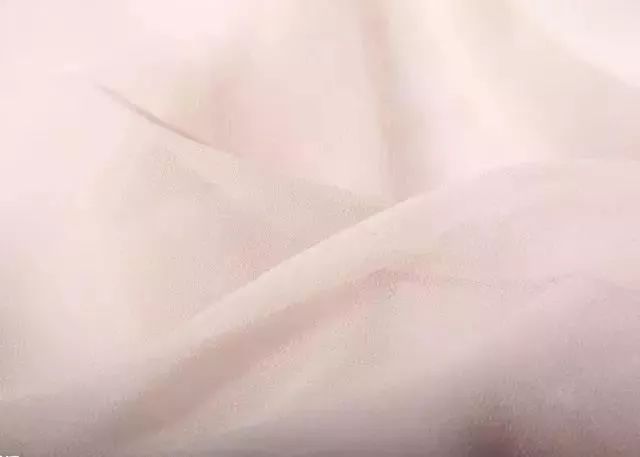
Shunyu crepe
It is also called bark crepe, named after its shape like tree bark. It is light, permeable, not easy to wrinkle, and has good drape.
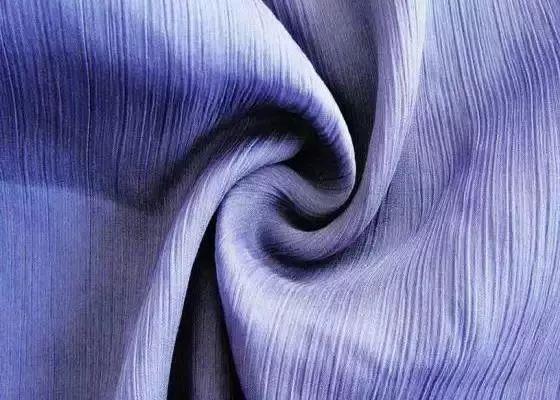
Silk organza
Organza is not necessarily real silk, and can also be divided into chemical fiber and real silk. The organza in many shopping malls or Taobao stores is made of chemical fiber, because it is difficult to distinguish between silk organza and chemical fiber organza with the naked eye. Silk organza is hard, but not as hard as chemical fiber.
Silk organza feels softer, will not prick the skin, and is slightly stiff, but not as stiff as chemical fiber organza. The disadvantage is that it is very easy to break and snag. Chemical fiber ones are much better. Organza is easy to see through and is suitable for wedding dresses and dresses, but it must be lined.
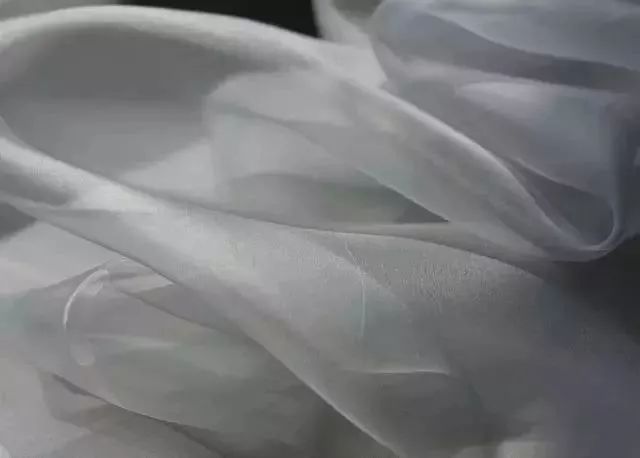
Electric spinning
Mulberry silk raw weaving silk fabric. The texture is tight, fine and clean, and the luster is fat and bright. It was first made by hand using raw silk as raw material and using wooden looms. Later it was switched to using factory silk as raw material and was woven using electric looms. There are also many specifications for electric spinning, ranging from 8.36m/m to 16.26m/m. Thin electric spinning can be used as the lining of wool, cashmere coats, silk dresses, etc., and slightly thicker ones can be used as shirts, dresses, etc. Interwoven electric spinning, the warp mulberry silk and the weft rayon are interwoven. The luster of power-spun satin is slightly inferior to that of plain crepe satin, but the two sides of power-spun are the same.
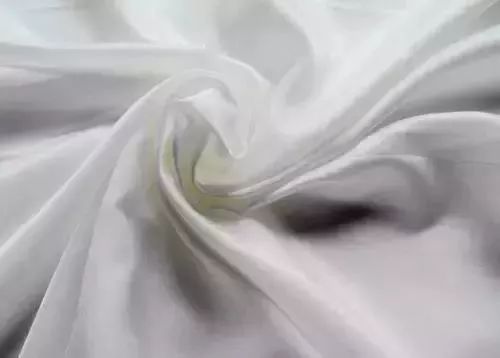
Double Palace Silk
Double Palace Silk is an anomaly among real silks. Normally, one silkworm forms a cocoon, while Double Palace Silk is a cocoon formed by two silkworms. The double palace is thick, straight and rough, with pimple lines and clearly visible knots, which are pimples. There are yarn-dyed fabrics and white fabrics, and yarn-dyed double palace silks are divided into solid colors and flash colors. The texture is medium and thick, and the weight ranges from 16.5m/m to 30.2m/m. You can see clear knots in the picture. In short, people who like it will like it very much, because the double palace is really special and easy to take care of.
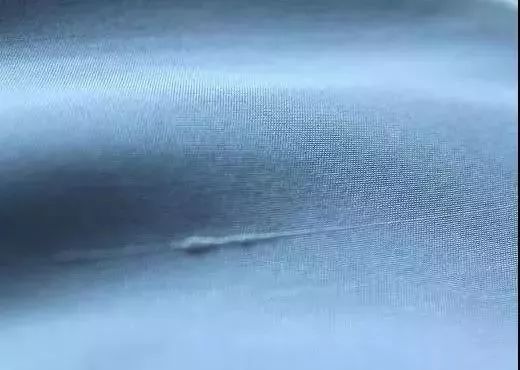
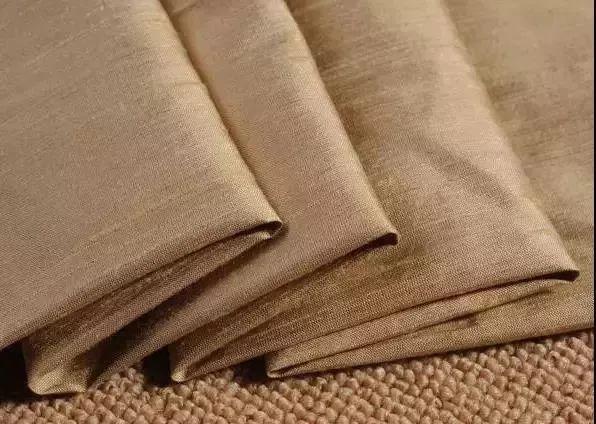
Taffeta
Silk-type silk fabric woven with cooked silk. It has good luster, is delicate and crisp, and feels like umbrella cloth. It is particularly easy to wrinkle and form permanent creases, so it is not suitable to be folded and pressed. It is often packaged in rolls. Yousu Taffe Silk, striped taffeta and floral taffeta are all traditional varieties of my country that are world-famous and are also specialty varieties of Suzhou and Hangzhou in my country. Especially the taffeta produced by Suzhou Dongwu Silk Weaving Factory, collectively known as “Tower King”. Suitable for umbrellas, skirts, and shirts. It’s really stiff before entering the water, but it’s terrible after entering the water. It’s not suitable for beginner silk lovers, and it’s not an ordinary trouble to take care of.

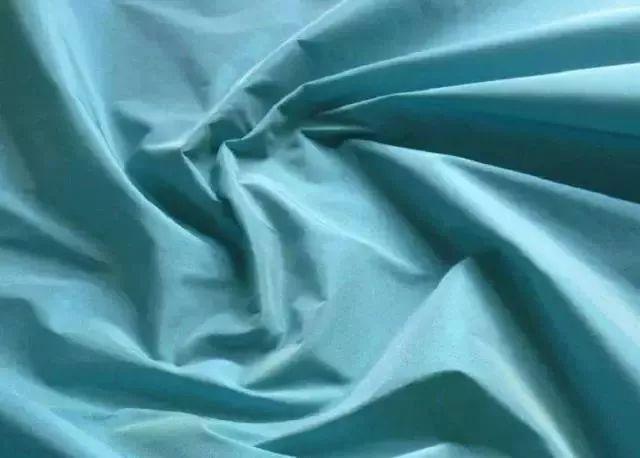
Brushed silk
As the name suggests, the silk has been brushed. It feels fluffy, delicate and not knotted. It is suitable for scarves and is particularly warm. Of course, it is not suitable for summer. I personally feel that it is better than wool scarves. The pilling depends on the raw material of mulberry silk.
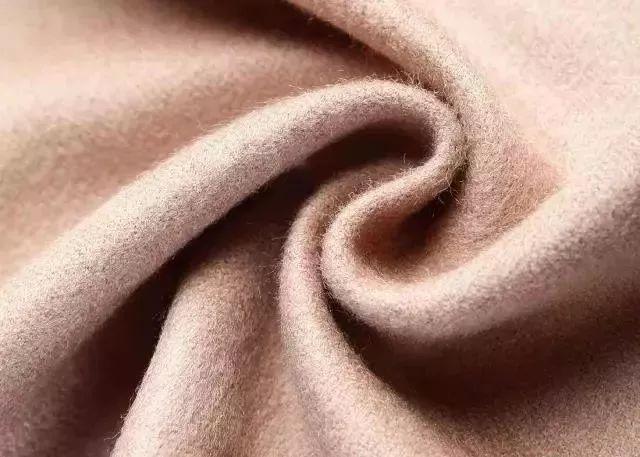
Fourteen major categories of silk
In ancient times, silk fabrics were basically named according to fabric structure, fabric pattern, and fabric color. Modern silk still uses many of the old names, such as crepe, damask, silk, and silk. , some foreign words are also used, such as georgette, taffeta, etc. At present, according to the organizational structure of silk varieties, the use of raw materials, processing technology, texture, appearance and main uses, it can be divided into yarn, silk, damask, silk, spun , silk, crepe, brocade, satin, silk, kudzu, woolen, velvet, silk and other fourteen categories.
Yarn
All or part of it is twisted by warp yarns to form an even distribution. Silk fabric with eyelets (i.e. “yarn eyes”) is also called plain yarn
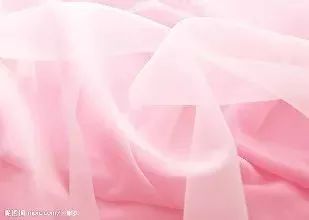
Luo
The general name for floral fabrics that use Luo silk weaving to have gauze holes on the surface of the fabric. Luo silk is characterized by elegant fabric style, tight and strong texture, ventilated and cool yarn holes, comfortable and cool to wear, and is a good summer clothing material.
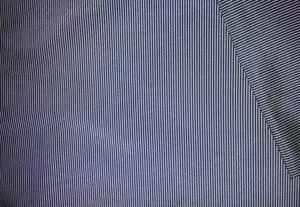
Aya
A twill weave is used, and the silk surface is a fabric with obvious diagonal lines. It is generally light and thin in texture. It has been used in painting, embroidery and brocade box fabrics in ancient times. Because the surface is in the shape of a stacked mountain, it looks like ice when you look at it, so it is called Ling. Some are used for framing calligraphy and painting, brocade box packaging, and some are used for clothing materials.
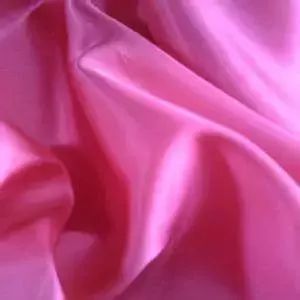
Silk
Using plain weave, a natural silk fabric with fine, smooth and crisp texture

Spun
adopts plain weave, A silk fabric with no or weak twist in the warp and weft threads and a light, thin and soft texture
Bamboo
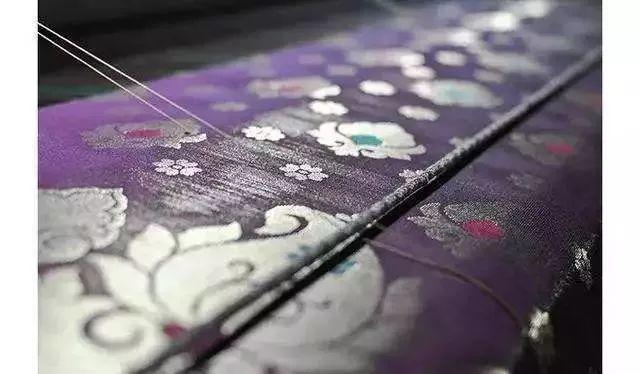
A colorful yarn-dyed jacquard silk fabric woven with heavy texture and multi-color silk threads . Brocade is a famous jacquard silk. In ancient times, there was a saying that “weaving and harvesting are as valuable as gold.” There are Shu brocade, Song brocade and Yun brocade.
Satin
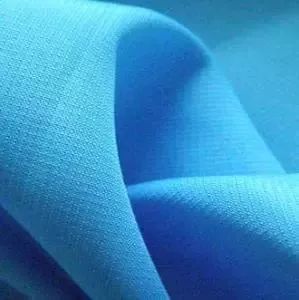
Satin is a fabric with a satin weave and a smooth and bright silk surface. It has many varieties and a wide range of uses and is suitable for all kinds of clothing. Satin fabrics are among the silk products with the most complex processing technology, the most colorful fabric appearance, and the most advanced craftsmanship. Our common types include floral satin, plain satin, brocade satin, antique satin and other types.
绨
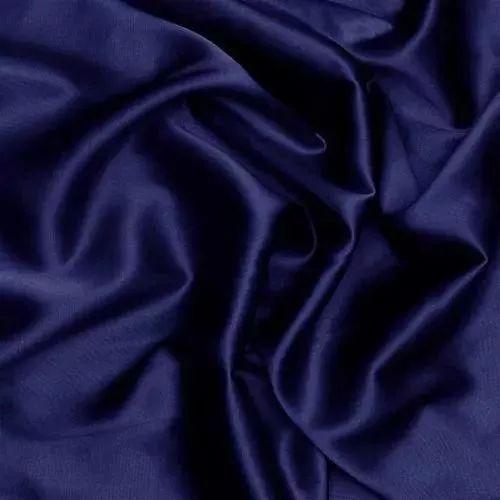
It adopts plain weave, using filament as warp and cotton or other yarn as weft. It is a silk fabric with thick texture and clear texture. There are plain thread tapestry and flower thread thread tapes
Ge
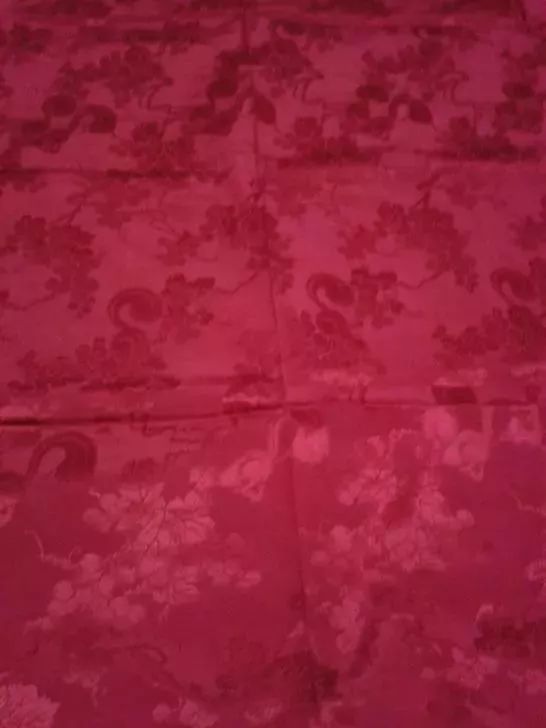
Using plain weave, twill weave and their changes, the warp and weft are sparse, the warp and weft are thin, and the surface of the fabric appears Horizontal weave, thick silk fabric
It adopts various structures, uses thicker warp and weft threads, and is rich in texture and has a wooly feel
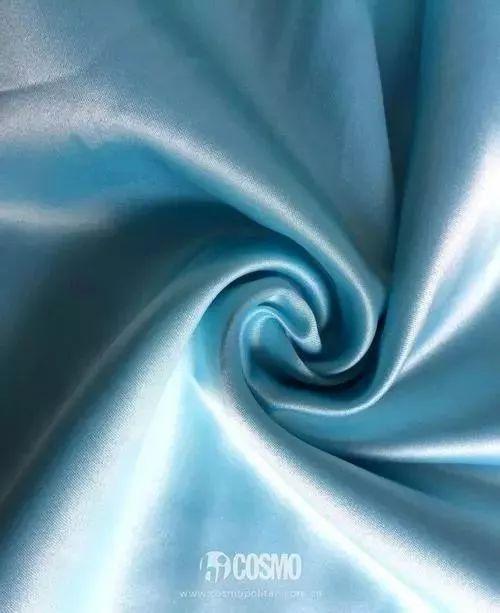
Fleece
A silk fabric that is wholly or partially made of fleece tissue and has velvet or loops on the surface
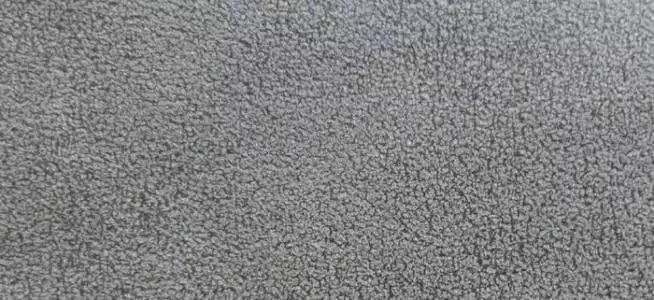
Silk
Silk is the most popular among silk fabrics. The important category is fabrics that use plain or changed weaves and have tightly interlaced warp and weft. They are characterized by a flat and delicate silk surface, a smooth feel, and a wide range of uses. “Silk” is often used as a general term for silk fabrics, such as silk and satin. The word “Silk” can also be used to represent silk fabrics; those that use rayon as raw materials are also called artificial silk.
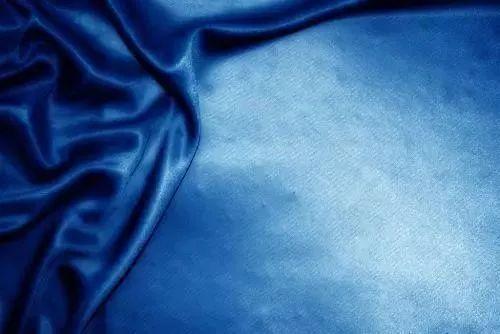
Silk fabric
Using plain weave or fake yarn weave, the texture is light and thin, showing a perforated silk fabric.
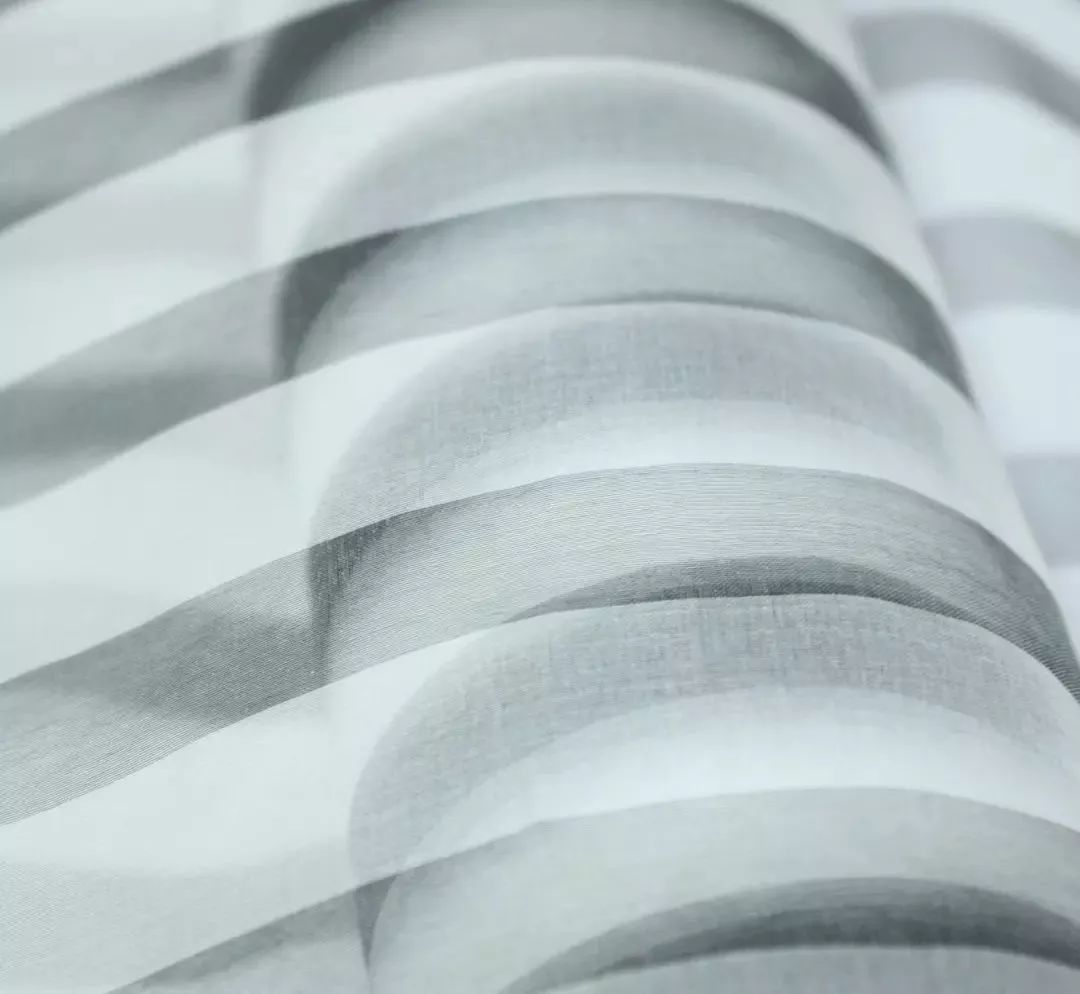
Crepe
A silk fabric that uses a plain weave or other weave, and uses processes such as warp and weft enhanced twisting to create a wrinkle effect on the fabric. Its characteristics are: the silk mask has bidirectional wrinkles, soft luster, elastic feel, and good anti-crepe effect
7/1-23010GQ332U8.jpg” class=”syl-page-img” style=”height: auto;”/>
Silk
Silk is the most important type of silk fabrics Category, is a fabric that uses plain weave or changed weave, and the warp and weft are closely intertwined. It is characterized by a smooth and delicate silk surface, a smooth feel, and a wide range of uses. “Silk” is often used as a general term for silk fabrics, such as silk and satin, and can also be used as a word. “Silk” represents silk fabric; rayon is also used as raw material, which is called artificial silk.
绡
Using plain weave or fake yarn structure, the texture is light and thin, showing through holes silk fabric.
Crepe
It is a silk fabric that adopts plain weave or other tissues, and uses processes such as warp and weft to strengthen twisting, so that the fabric shows a wrinkle effect. Its characteristics are: the silk mask is bidirectional. Wrinkles, soft luster, elastic feel, good anti-crepe effect