
When purchasing, some materials often attract the attention of some friends, such as: polyester and polyester fiber, clearly Friends who are familiar with it will say that this is a kind of material. Friends who are not clear about it wonder why the same material has different names.
Is there any difference between polyester and polyester fiber?
By name
Polyester fiber is a common international name, mainly famous for its earliest production name, and now it has become an internationally common name;
Polyester is a Chinese name, and in China polyester fiber The fiber is usually polyester.
From this point it is clear that there is no difference between them.
Introduction to polyester
Usually refers to polymer compounds obtained by the condensation of dibasic acids and diols, including Fibers composed of linear macromolecules containing more than 85% of all molecular chains of glycol terephthalate.
There are many varieties of polyester fiber, which are given in GB/T4146.1-2009 There are three types, namely polyethylene terephthalate (PET) fiber, polybutylene terephthalate (PBT) fiber and polytrimethylene terephthalate (PTT) fiber. Among them, the trade name of PET fiber in my country is polyester. It can be seen that polyester is only a type of polyester fiber. Due to its easy availability of raw materials and excellent performance, polyester has become the fiber with the largest output and the most widely used among chemical fibers. It is precisely because of this that people mistakenly think that polyester fiber is polyester. However, in recent years, with the With the improvement of fiber production technology, polyester fiber has added two new members, PBT and PTT.
PTT fiber has the characteristics of both polyester and nylon. It is easy to wash, quick-drying and has elastic recovery. It has good wear resistance and stretch recovery properties, and is more suitable for making composite fibers, elastic fabrics, carpets and other materials. In addition to the advantages of polyester, PBT fiber also has better dyeing properties and has become one of the promising differentiated fibers in the field of synthetic fibers. In addition, it also has good aging resistance, chemical reactivity resistance and heat resistance. properties, making it widely used in engineering plastics, home appliance casings and other fields. The emergence of these two new types of polyester fibers not only breaks the dominance of polyester fiber, but may even replace it to a certain extent.
With the emergence of PTT fiber and PBT fiber, polyester fiber is no longer polyester Exclusive. However, in actual detection, since these three types of fibers are difficult to distinguish through ordinary methods, theoretically, they can be identified through a combination of infrared spectroscopy and melting point methods, but there are also difficulties in the identification process. Therefore, according to the standard GB/T
4146.1-2009, under normal circumstances, a “polyester fiber” report will be issued. Only when the client explicitly requests it and the sample can be determined to be “polyethylene terephthalate (PET)”, the testing agency can issue a report. “Polyester”.
Introduction to polyester
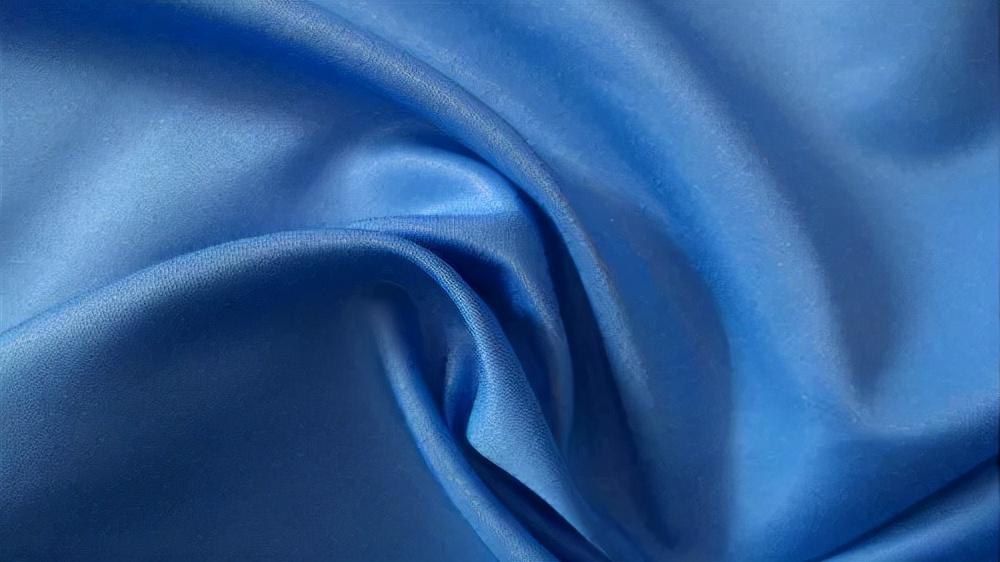
Polyester (also commonly known as “Qianliang”). Polyester is the simplest of the three major synthetic fibers and its price is relatively cheap. In addition, it is strong and durable, has good elasticity, is not easily deformed, is corrosion-resistant, insulating, crisp, easy to wash and quick-drying, etc., and is loved by people.
Polyester is the most important synthetic fiber variety among textile fiber raw materials. Polyethylene terephthalate is a polymer made from dicarboxylic acid (PTA) or dimethyl terephthalate (DMT) and ethylene glycol (EG) through esterification or transesterification and polycondensation reaction. Alcohol ester (PET), a fiber made by spinning and post-processing.
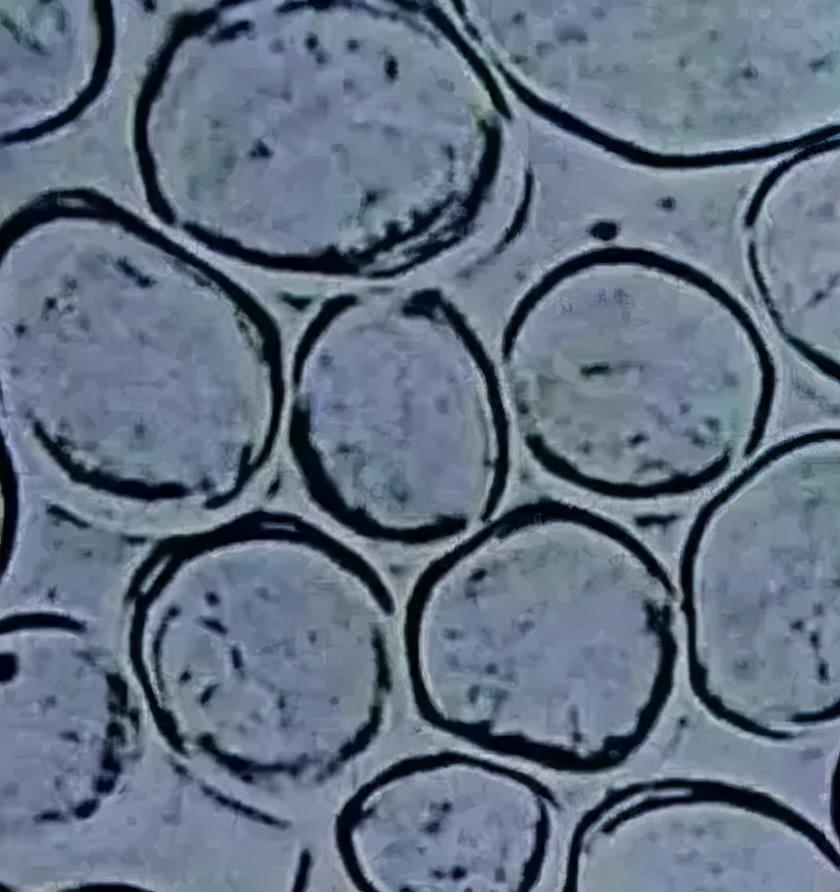
Generally produced by melt spinning method, the morphological structure observed under the microscope has a round shape cross-section and no special longitudinal structure.
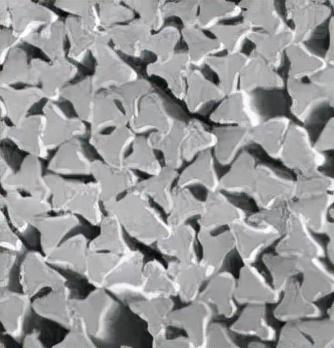
Special-shaped fibers (non-circular cross-section) can change the elasticity, giving them special luster and bulk, and Improve the cohesion performance and coverage ability, anti-pilling, reduce static electricity and other properties. For example, triangular fibers have a flash effect; pentacle-shaped fibers are shiny, feel good, and resist pilling; hollow fibers have low density and good warmth retention due to the cavity inside.
Advantages and disadvantages of polyester:
1. high strength. The strength of short fiber is 2.6-5.7cN/dtex, and the strength of high-strength fiber is 5.6-8.0cN/dtex.
2. Good elasticity. The elasticity is close to that of wool. When stretched by 5% to 6%, it can almost completely recover. The wrinkle resistance is better than other fibers, that is, the fabric does not wrinkle and has good dimensional stability.
3. Heat resistance. Polyester has a relatively high melting point and the best heat resistance among synthetic fabrics.
4. Good thermoplasticity but poor melt resistance. It is thermoplastic and can be used to make pleated skirts for a long time, but it has poor melt resistance and can easily form holes when exposed to soot, sparks, etc. When wearing, avoid contact with cigarette butts, sparks, etc.
5. Good wear resistance. Second only to nylon among synthetic fibers.
6. Good light fastness. Second only to acrylic fiber among synthetic fibers.
7. preservative. Resistant to bleach, oxidants, hydrocarbons, ketones, petroleum products and inorganic acids. Resistant to dilute alkali and not afraid of mold, but hot alkali can cause it to decompose. It also has strong acid and alkali resistance and UV resistance.
8. Good color fastness and not easy to fade.
9. It has poor hygroscopicity and feels stuffy when worn. It is also easily charged with static electricity and easily Contaminated with dust, it is easy to fluff and pill.
10. Quick-drying and good washability and wearability.
Polyester type:
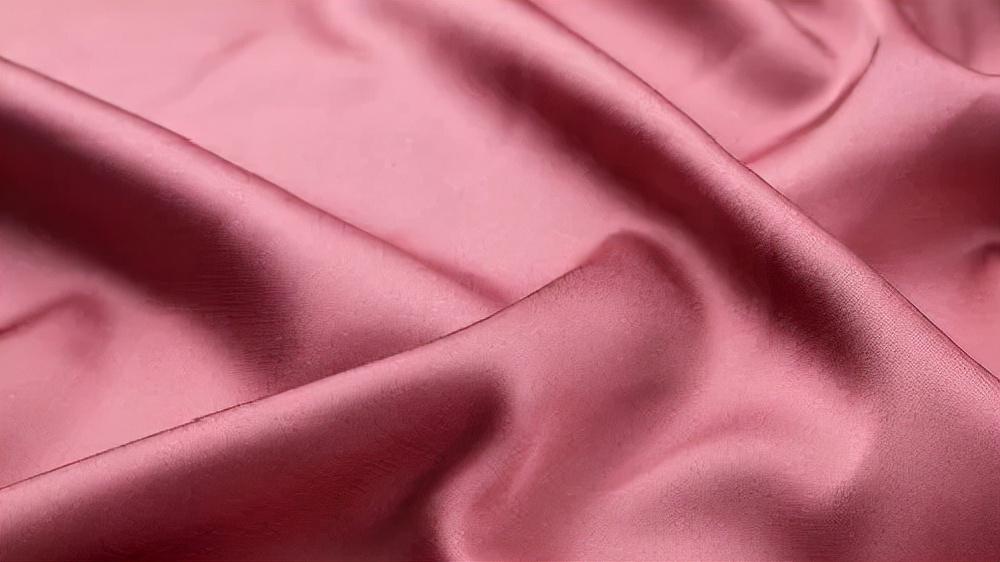
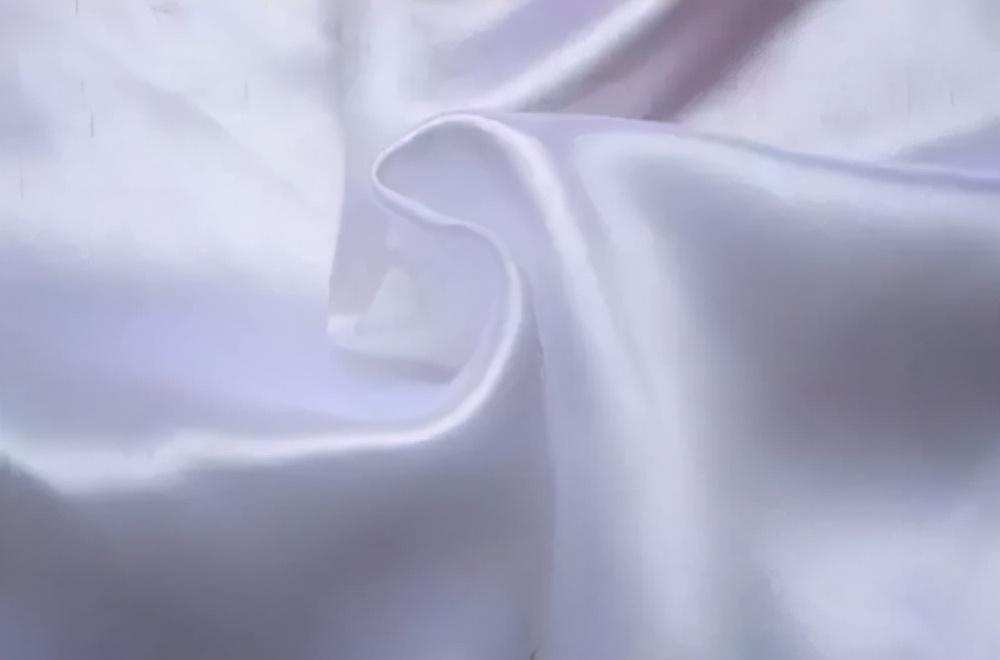
1. Polyester imitation silk fabric, which is a polyester fabric with a silk appearance style woven from polyester filament or short fiber yarns with round and special-shaped cross-sections. It has the advantages of anti-wrinkle and non-ironing. Very popular with consumers. These varieties have the elegant drape, smoothness, softness and pleasingness of silk fabrics. At the same time, they have the stiffness, wear resistance, easy washing and ironing-free of polyester fabrics. They are also low in price. The only drawback is that these fabrics have poor moisture absorption and breathability, making them difficult to wear. Not too cool.
2. Polyester wool-like fabric, made of polyester filaments such as polyester plus stretch yarn, polyester Network yarn or polyester yarn with various special-shaped cross-sections are used as raw materials, or fabrics with a woolen style are woven from medium-length polyester short fibers and medium-length viscose or medium-length acrylic blended into yarn. They are called worsted imitations. The price of wool fabrics and mid-length wool-like fabrics is lower than similar wool fabric products. It not only has the characteristics of wool, which is plump and fluffy, and has good elasticity, but also has the characteristics of polyester, which is durable, easy to wash and quick-dry, flat and stiff, not easy to deform, not easy to fluff, and not easy to pilling.
3. Polyester imitation linen fabric, made of polyester or polyester/viscose strong twisted yarn Plain or raised striped fabric has the dry feel and appearance of linen fabric. Not only does it look rough and feel dry, it is also comfortable and cool to wear. Therefore, it is very suitable for the production of summer shirts and skirts.
4. Polyester cotton-like fabric, with a soft and fluffy feel similar to cotton and hydrophilicity It has the characteristics of moisture absorption, but also has the wear resistance, high strength, easy washability, non-ironing, and low price of polyester fabrics. Currently used in bedding, T-shirts, towels, etc.
5. Polyester blended fabrics. In addition to weaving pure polyester fabrics, there are many and Products blended or interwoven with various textile fibers make up for the shortcomings of pure polyester fabrics and provide better wear performance.
The above briefly analyzes polyester and polyester fibers, and understands their differences. You can It can be seen that there is no difference in terms of materials. The only difference is the different names. I hope that everyone will no longer be influenced by the names when purchasing, and can choose the right product according to their own needs.