
There are many types of clothing printing processes, but the most widely used one is the white ink heat transfer process. White ink heat transfer printing technology products have become a beautiful landscape in our lives. Clothing, home textiles, home life, etc. are inseparable from white ink heat transfer printing technology. The main reason why the white ink heat transfer process has become so popular is personalized product customization. At present, many young people are at the forefront of the trend, and their demand for personalized customized products is increasing day by day, which has directly led to an increase in the demand for white ink heat transfer printing printers.
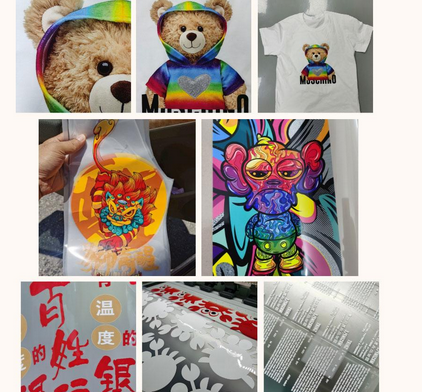
What is the clothing printing process that is popular around the world? White ink heat transfer printing machine
The white ink heat transfer printing process does not require plate making and can be produced in single pieces. Highly environmentally friendly, the white ink heat transfer printing process is a green and environmentally friendly production method with no waste materials, waste water discharge and less pollution. White ink heat transfer printing process has high precision and good printing effect. Printing high-precision patterns such as color gradients and moirés expands the design space for textile patterns.
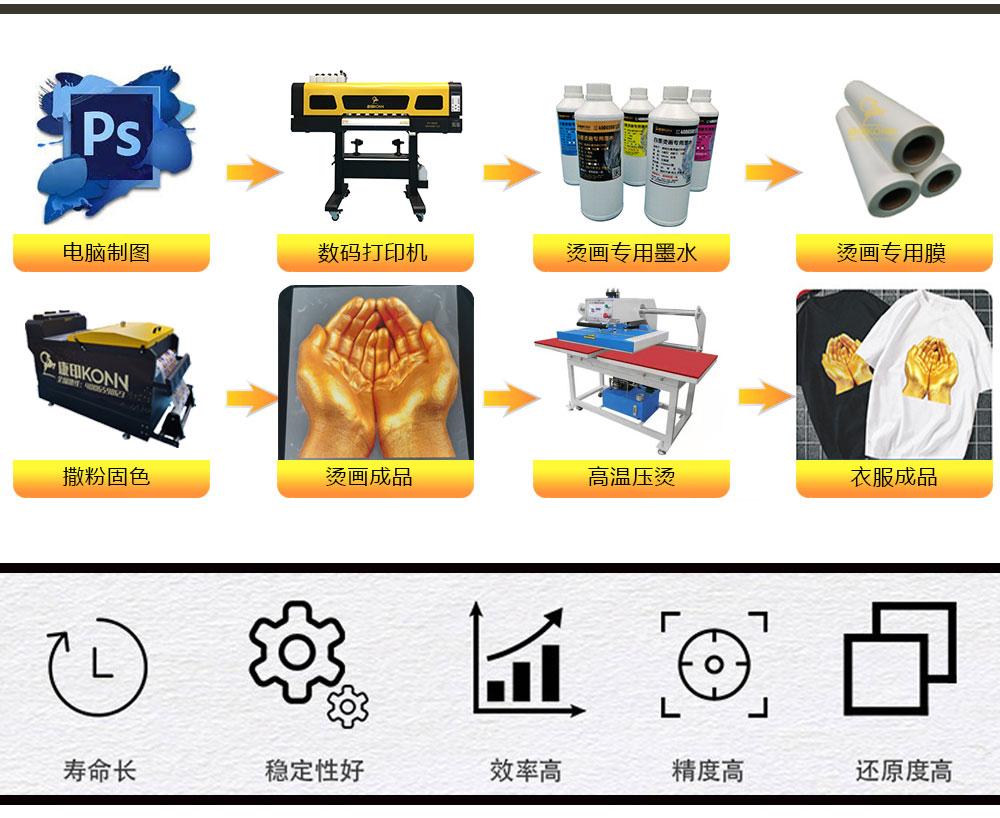
What is the clothing printing process that is popular around the world? White ink heat transfer printing machine
The white ink heat transfer printing process has low printing cost and high efficiency, and the cost of small batch printing is lower than traditional printing. The white ink heat transfer process lays the foundation for adapting to the multi-variety and small-volume market. The heat transfer process is different from other printing processes. Other processes always have some limitations. For example, the main limitation of the direct injection process is on the fabric, while the screen printing process is only suitable for mass production. The price of small batch production is very high. OK White ink heat transfer does not select fabrics or patterns, and the finished product is produced immediately after printing. There is no need to wait and there is no inventory risk. It is a new printing process that truly caters to the 21st century.