

Cotton is the largest cash crop among my country’s agricultural products and an important commodity involving the two major industries of agriculture and textile industry. Cotton fiber is the main raw material of the textile industry, and the quality of its fiber directly affects the quality of cotton spinning products.
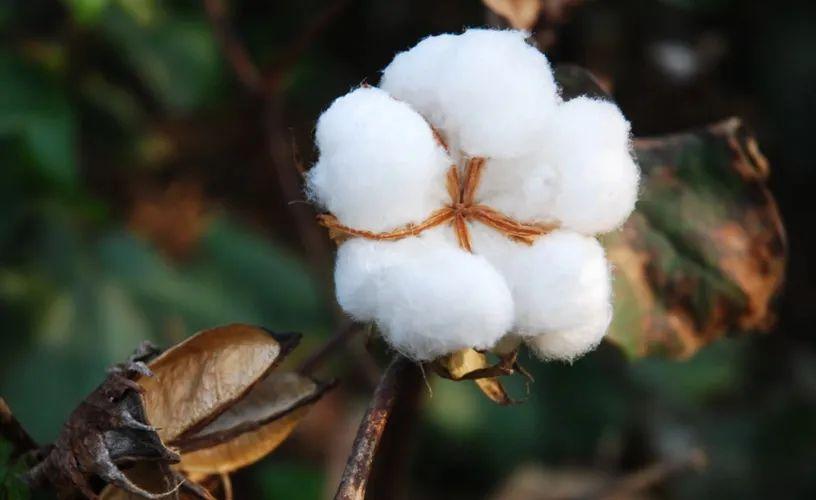
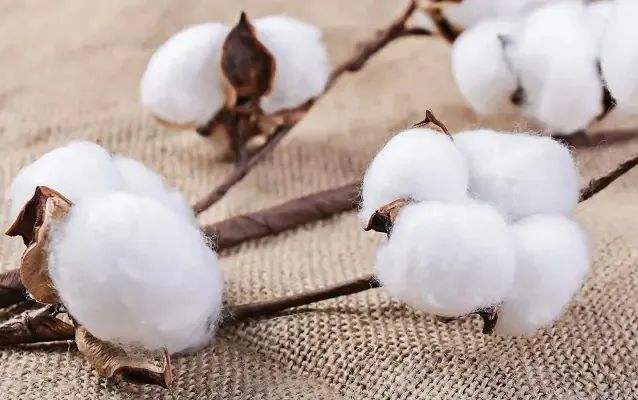
The picture comes from the Internet
According to the place of origin and the length and thickness of the cotton fiber, cotton can be divided into different types, and the quality is different. So how to judge The quality of cotton is good or bad, and how to classify the grade of cotton?
Let’s first take a look at several major indicators that affect cotton quality:
Grade
Grade refers to the level of cotton quality, which is divided according to the maturity, color characteristics and ginning quality of cotton. Currently, fine-staple cotton is divided into grades one to seven, and long-staple cotton is divided into grades one to seven. Level five, the standard level is level 3.
Color grade
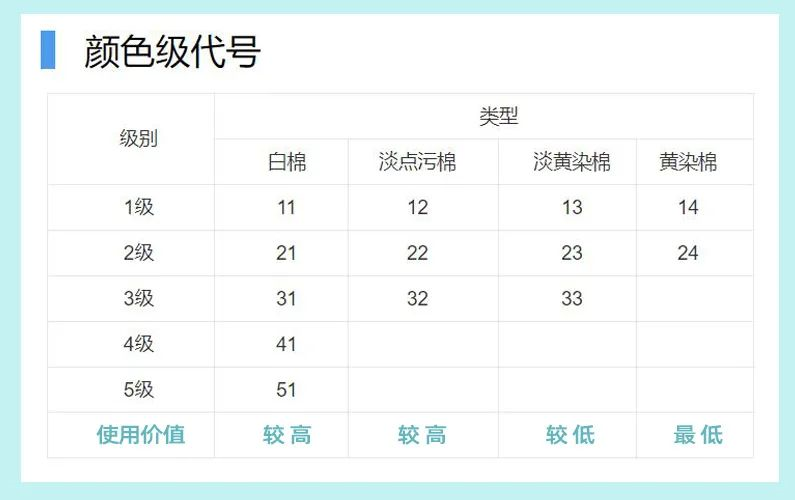
Color grade is an indicator used to judge the type and level of cotton color, where the type is based on the depth of yellow (+b) determined, the level is determined according to the degree of lightness and darkness (Rd), divided into 4 types and a total of 13 color levels, namely white cotton level 1 to level 5, light spot stained cotton level 1 to 3, light yellow dyed cotton level 1 to 3, Yellow dyed cotton is grade one to grade two, among which grade three white cotton is the standard grade.
Fiber length
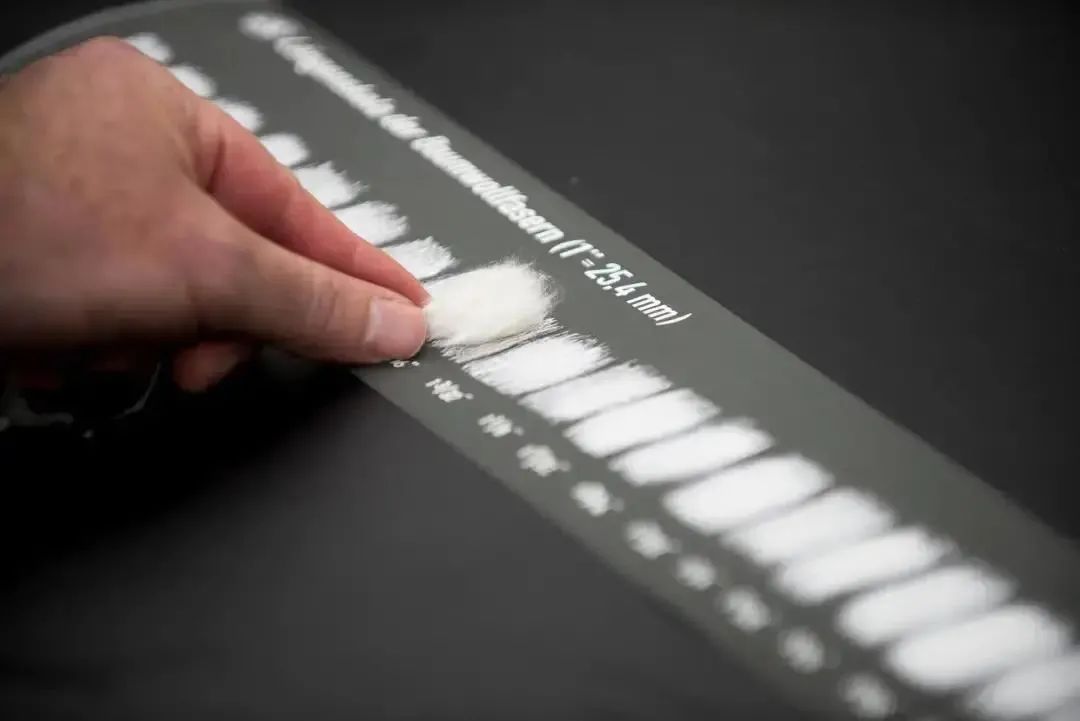
Fiber length refers to the straightened cotton fiber length after. The national standard stipulates: 1 mm is used as the step interval. The standard length is 28mm. Generally, the fiber length of cotton is 23 to 38 mm, while the fiber length of Xinjiang cotton is generally 33 to 39 mm. Under other conditions being the same, yarn spun from longer cotton fibers has greater strength and better elasticity.
Micronaire
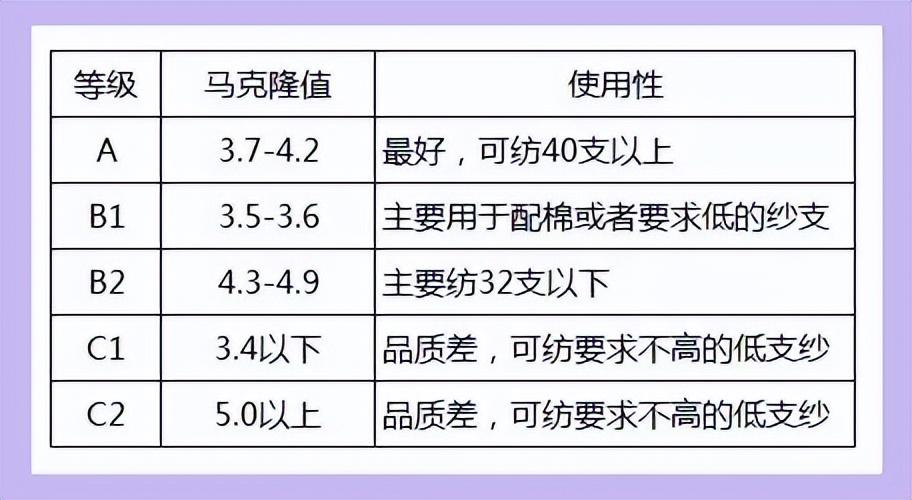
The micronaire of cotton fiber is The comprehensive reflection of fiber fineness and maturity can be used as a comprehensive index to evaluate the intrinsic quality of cotton fiber, which directly affects the color, strength, elasticity, moisture absorption, dyeing, etc. of the fiber. The micronaire value is divided into three levels: A, B, and C. Level B is the standard level.
Moisture regain
Moisture regain refers to the moisture contained in cotton The percentage of moisture to dry fiber weight. National standards stipulate that the official moisture regain rate of cotton is 8.5%.
Impurity rate
When picking cotton, it is inevitable that branches, leaves, bell shells, soft seed epidermis and other debris will be mixed into the cotton. , the national standard stipulates that the impurity content of roller cotton is 3.0%, and the impurity content of sawtooth cotton is 2.5%.
Short fiber rate
Refers to the weight of fibers shorter than 16 mm and below as a percentage of the total fiber weight . Limit regulations: cotton of grade standard grade and above (i.e. grade 1, 2) should be less than 12%, and the maximum should not exceed 18%; cotton of grade standard grade and the next grade (i.e. grade 3, 4) should be less than 15%, and the maximum should not exceed 15%. More than 20%; other grades of cotton are not required.
Neps
Neps refer to dead knots where fibers become entangled during cotton processing. Limit requirements: sawtooth cotton must not exceed 500 grains per 100g for standard grade and above, and shall not exceed 700 grains per 100g for standard grade. There are no requirements for products below standard grade. Excess processing: Cotton with neps exceeding the limit requirements will be downgraded by one level.
As mentioned above, cotton grade is a comprehensive indicator of cotton quality. The greater the grade, the worse the quality. So how to classify cotton grades? There is a concept of main grade.
Main grade
Main grade refers to a batch of cotton containing adjacent grades, accounting for 80% or more grade. In the same batch of cotton, in addition to the proportion of the main grade reaching 80% and above, cotton of different main grades is not allowed.
For example: In a batch of cotton, (1) if grade 1 accounts for 10%, grade 2 accounts for 80%, and grade 3 accounts for 10%, the main grade of this batch of cotton is level 2. (2) If grade 1 accounts for 90% and grade 3 accounts for 10%, although the proportion of main grade 1 reaches 90%, there is grade 3 cotton, which belongs to the scope of cross-main grade 1. This batch of cotton does not meet the national standards. The requirements need to be rearranged.
Cotton grade
Cotton grade is the general term for grade and length , if the grade of this batch of cotton is 129, it means: the grade is grade 1, and the length grade is 29 mm. The standard grade of cotton in my country is 328B, referred to as standard grade 328B, which means: the grade is grade 3 (standard grade), the length grade is 28 mm, and the micronaire value is grade B.