
“Polyester fabrics are prone to pilling, and pure cotton clothes tend to deform. So what fiber has the excellent characteristics of cotton and polyester to make up for the shortcomings?”
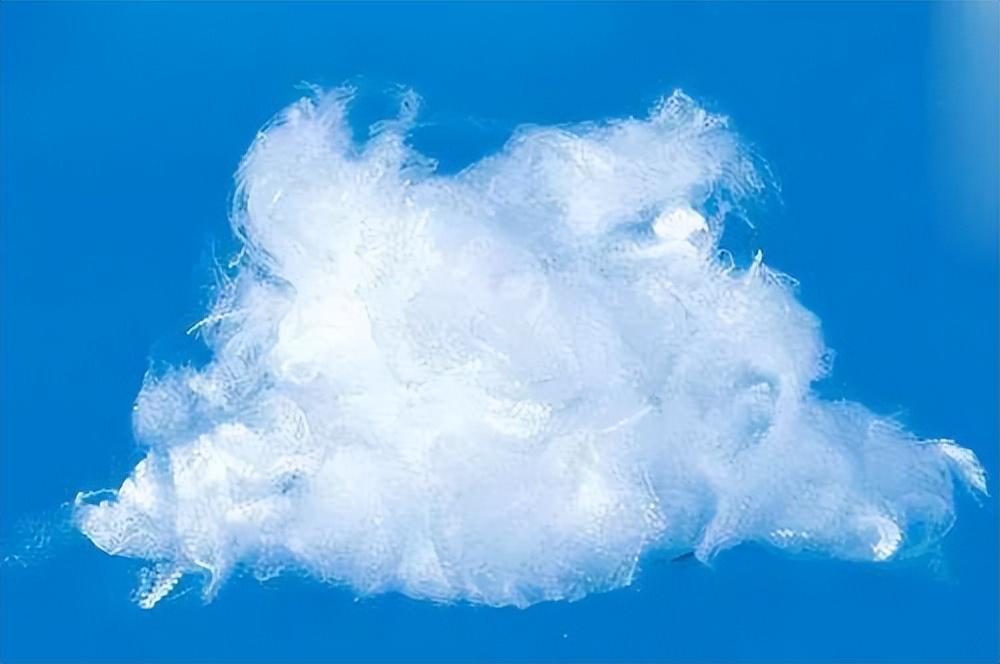
“That’s super imitation cotton”
What is super imitation cotton?
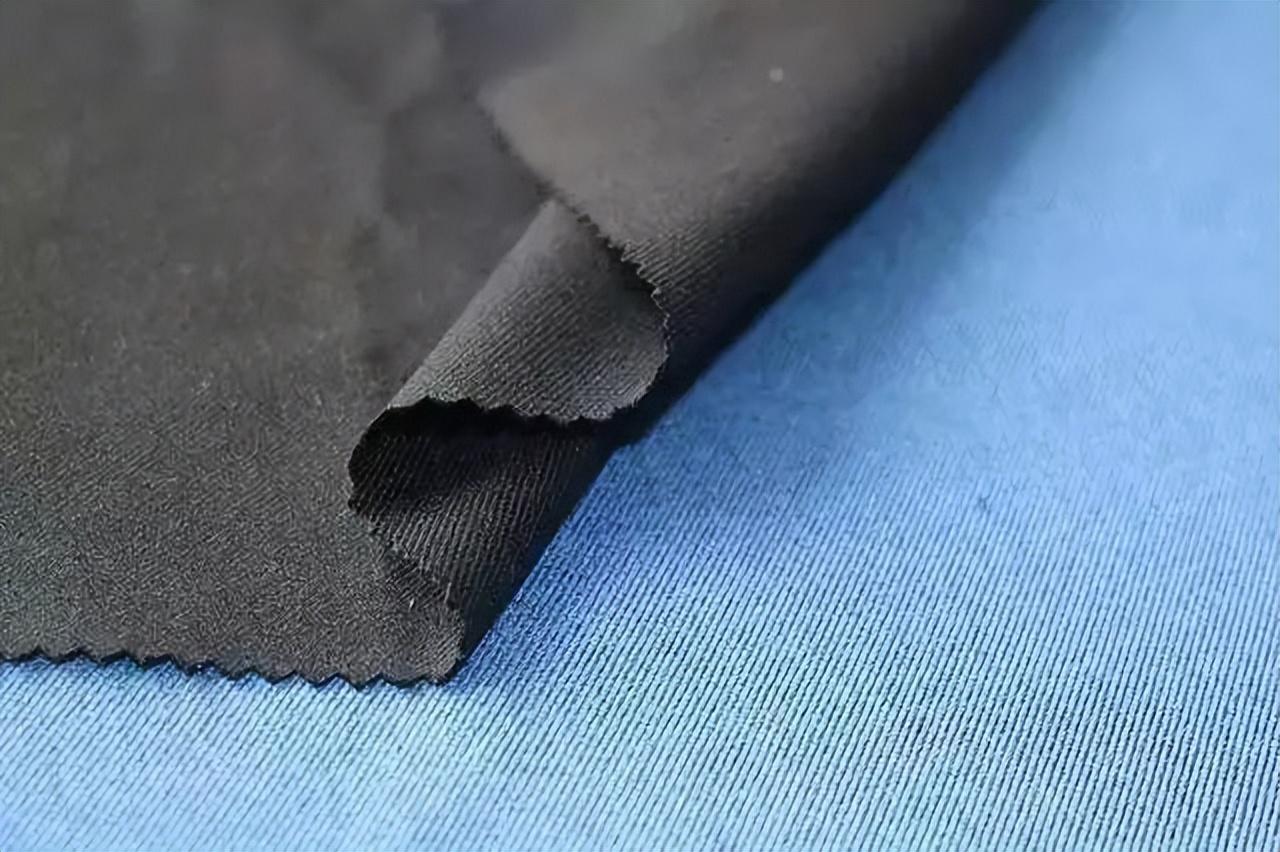
Super imitation cotton” is mainly polyester with a polyester content of more than 85%. It is a differentiated and functional polyester fiber, including filament imitation cotton and short fiber imitation cotton. To put it more vividly, super-imitation cotton products look like cotton (visual), feel like cotton (tactile), wear like cotton (compatibility), and are more convenient to use than cotton (washability). There are imitation cotton products. The excellent characteristics of cotton-like and cotton-like imitation are better than cotton. They are the product of the mutual integration and integration of multiple technologies such as polymerized modified spinning, spinning, weaving, dyeing and finishing.
What does super imitation cotton imitate?
01
Imitate the characteristics of cotton fiber
① Imitate wooly feel and bulkiness
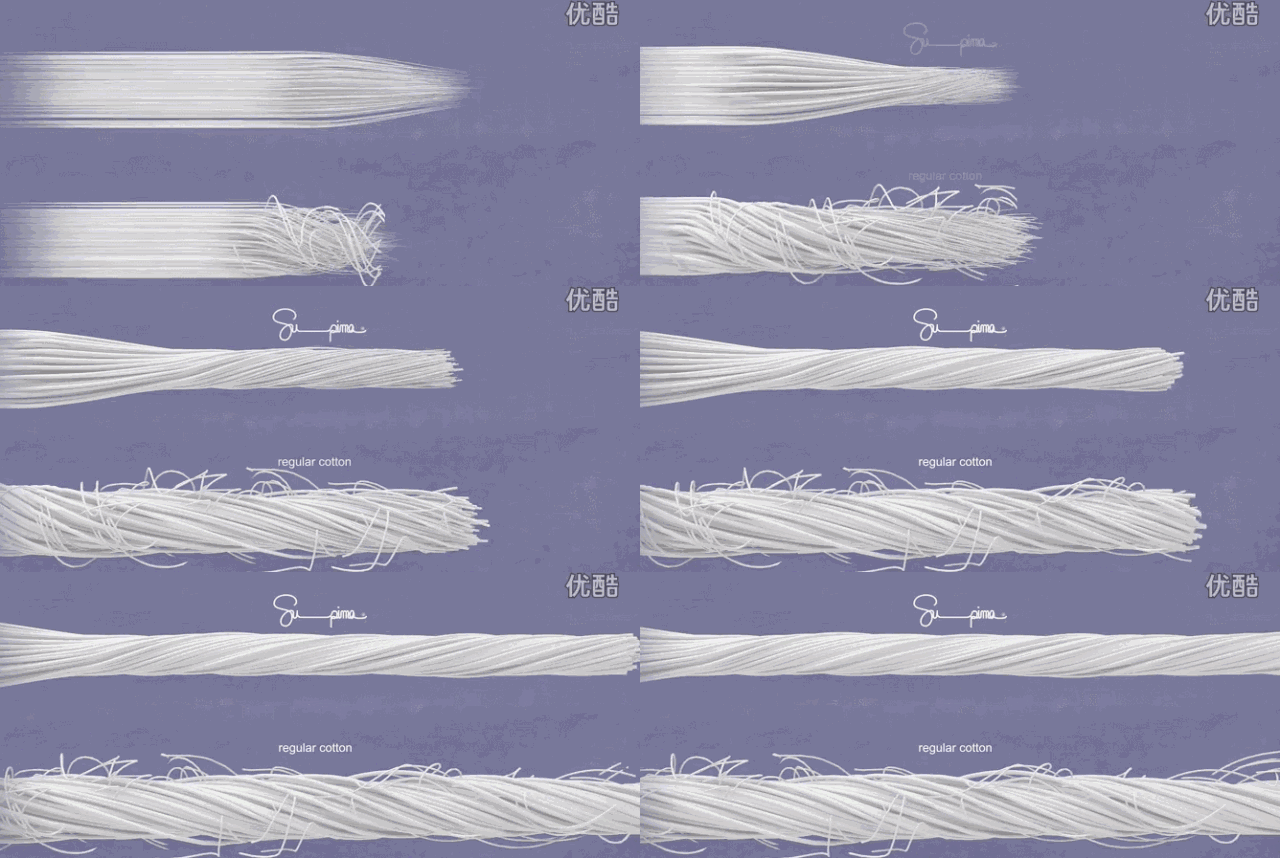
Polyester filament has high bundleability and smooth surface. In order to make the surface have a cotton-like wooly feel, it must be Change the structure of the fiber. At present, there are several ways to improve the wool feel and bulkiness of polyester: using the air network form to blow the filaments apart and intertwining them to form irregular structures, and using different combinations of raw materials to form a three-dimensional curled and bulky form. Etc.
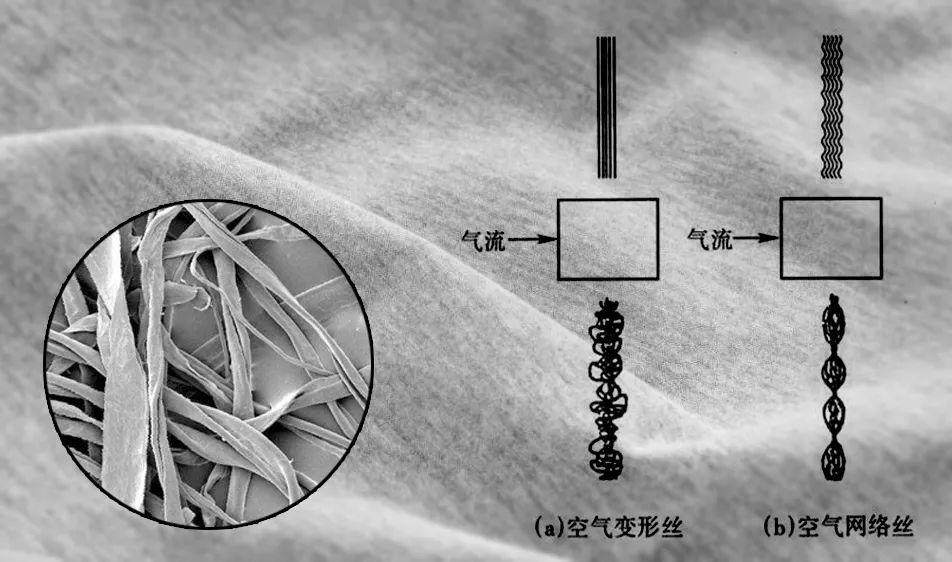
Observed from the hair feel, the air network deformation imitation cotton silk has uneven fineness, and the hair feel is greatly different. The imitation cotton silk with different raw material combinations has uniform fineness. , the wool feeling can be highlighted during finishing, and generally does not affect the production of subsequent processes.
② Imitate the hygroscopicity of cotton fiber
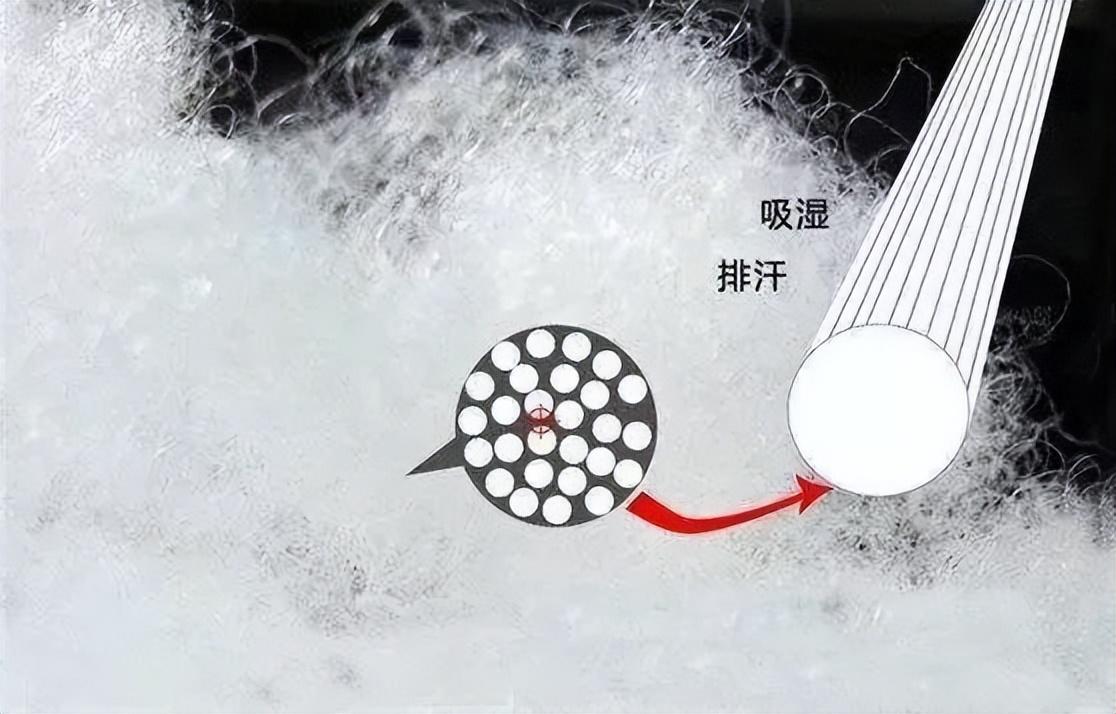
The current methods to improve the hygroscopicity of polyester mainly include: using fine or ultra-fine denier filaments to increase the specific surface area of the fiber and increase the capillary wicking speed; modifying the fiber cross-section to add moisture absorption and moisture-conducting grooves to speed up moisture absorption. Speed; perform hydrophilic modification on the fiber, add hydrophilic groups on the fiber, and enhance the moisture absorption capacity of the fiber.
③ Imitate the luster of cotton fiber
To improve the gloss of polyester and achieve the effect of cotton fiber, it is necessary to form diffuse reflection on the fiber surface to weaken the reflection ability of light. Methods to weaken the gloss include: modifying the fiber surface, Reduce the reflection of light on its surface, or absorb part of the light to form a soft luster. Use fine or ultra-fine denier wire to improve the diffuse reflection ability and make the light soft.
02
Make up for the defects of cotton fiber
Utilization The characteristics of polyester make up for the shortcomings of cotton fiber fabrics. For example, polyester has good weather resistance properties such as light resistance, heat resistance, and mold resistance, which can make up for the lack of durability of cotton fabrics; polyester has a large initial modulus, is stiff, and is not easy to deform, and has good shape retention, which can make up for the shortcomings in durability of cotton fabrics. Cotton fabrics are prone to wrinkles, deformation, and wear resistance.
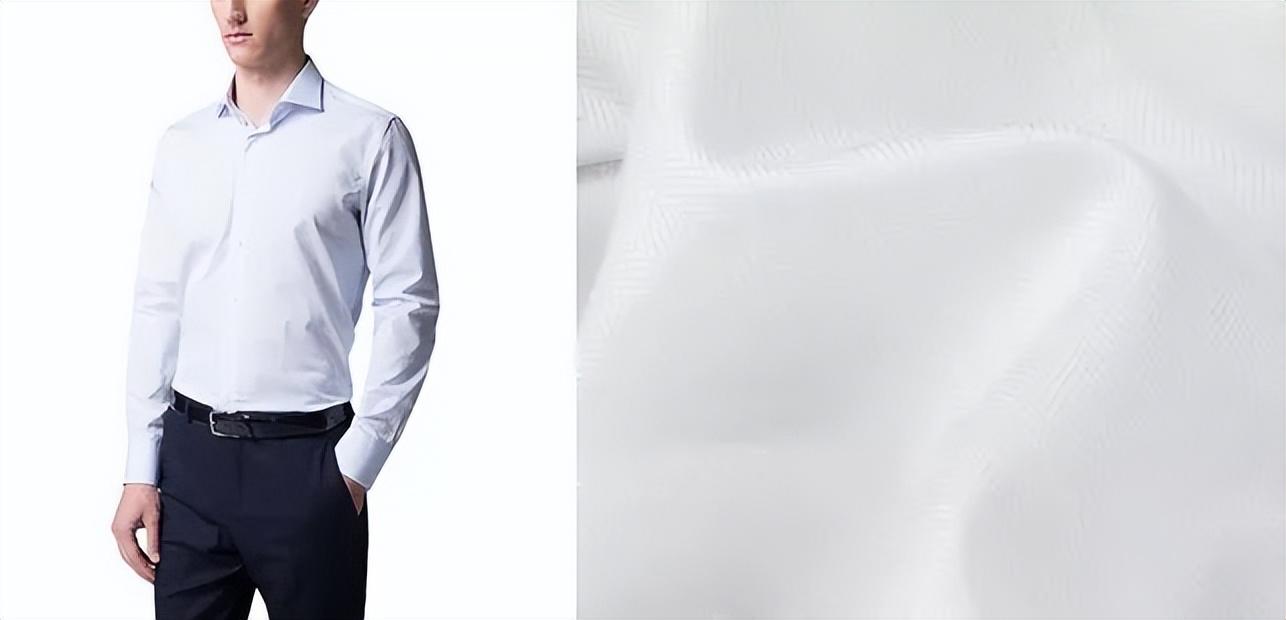
It is also developed according to the different needs of users, different fields of use and the needs of some specific functions. Some even have superior performance and usability than pure cotton fabrics. By using different hydrophilic agents and different cross-sectional shapes to modify the fiber, the hygroscopicity of the super-cotton-like fiber can have different characteristics to meet the needs of people with different amounts of exercise.
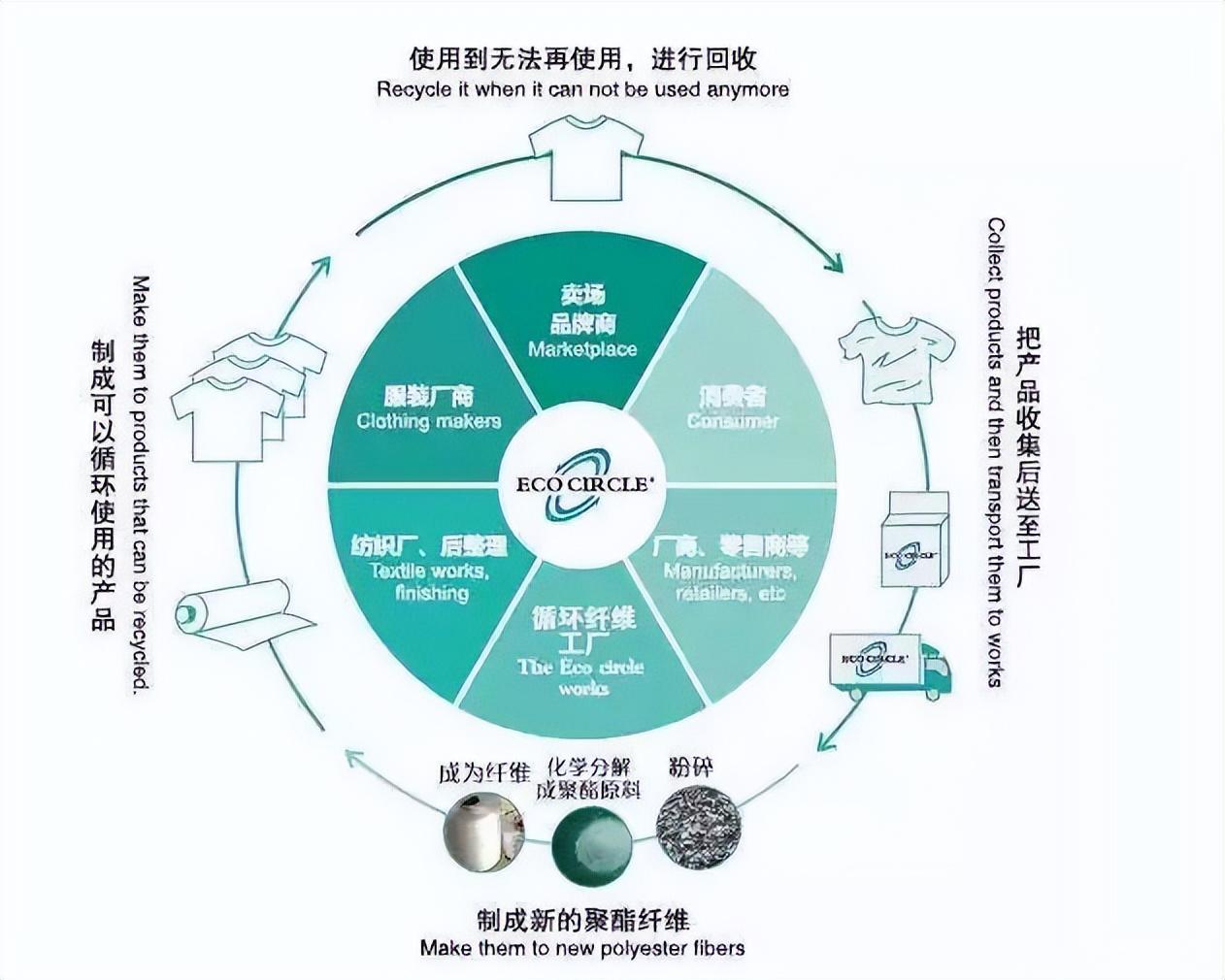
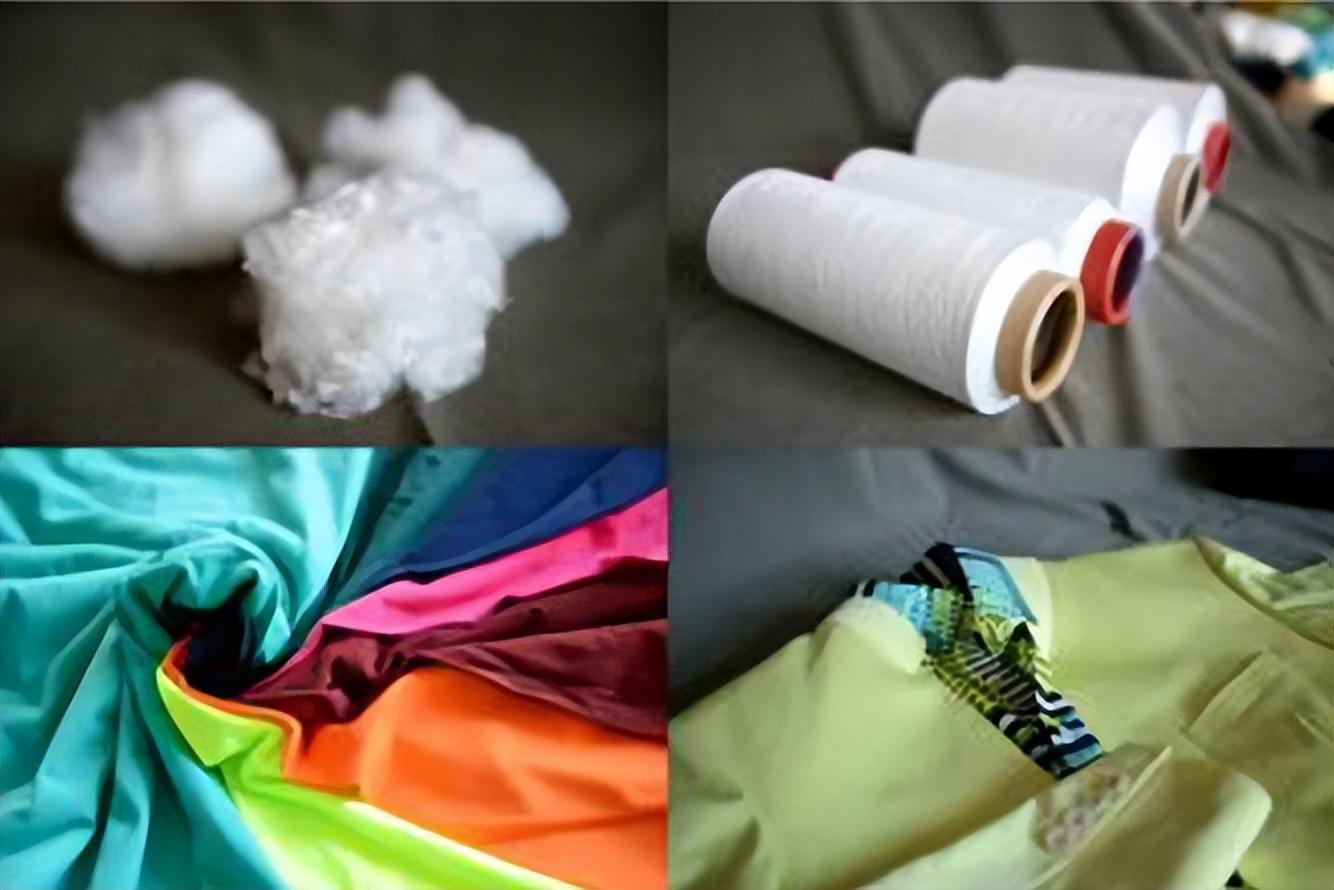
Recycled beverage bottles, discarded coffee grounds, etc. are reused to produce super-imitation cotton fiber, giving the super-imitation cotton fiber new green and environmentally friendly characteristics.
How to imitate super imitation cotton?
01 Weaving process
① Organizational structure
Super The cotton-like effect of imitation cotton fiber first depends on the organizational structure of the fabric. Because the fibers are thinner, the capillary phenomenon is stronger, and the special-shaped cross-section has better hygroscopicity. However, in the fabric structure, in order to enhance its hygroscopicity, the fabric weave must be designed according to the different application fields of the fabric. Sometimes the plain weave is better, and sometimes the twill weave is better.
② Warp and weft density settings
Due to the special properties of super-imitation cotton fiber, taking into account the fiber during the finishing process Shrinkage characteristics. The latitude and longitude density should be designed properly so thatAfter heat shrinkage, the fibers fully reflect the thickness and fluffiness of the fabric.
02 Dyeing and finishing process
A large part of the cotton-like effect of super-cotton-like fiber is reflected through post-finishing Due to the special properties of the raw materials, in order to enhance the cotton-shaped effect, it must be preformed, so that the fibers can fully shrink and the fluffiness will be more prominent.
General process flow:

Soft tenter shaping finishing
Due to the large modulus of polyester, the fabric is relatively stiff, overcoming the shortcomings of pure cotton fabrics that are easy to deform and are not durable. But the stiffness is too strong and it will be uncomfortable to wear. To make the fabric have a moderately soft feel, the fabric needs to be softly finished. During the process of thermal shrinkage of the fabric, it is tentered and shaped taking into account that the fabric has fully shrunk to enhance the cotton-like feel of the fabric.
Feeling finishing
After felting, the fabric feels fuller and softer, further improving the degree of simulation and Taking performance.
Application of super-imitation cotton products
Super-imitation cotton products are not only close to cotton fabrics in terms of fiber surface morphology and fabric style , and more importantly, the performance and function of its fabric are cotton-like and super-cotton, and it has excellent dynamic thermal and moisture comfort performance. Therefore, its fiber can be widely used in knitting, woven, sportswear, casual wear, shirts, underwear, outerwear, home textiles and other products.