
Warm reminder: Precautions for dry cleaning
1. The following clothes that cannot be dry cleaned are mainly classified as:
1. Clothes with coated chemical fiber texture cannot be dry cleaned. High temperatures and organic solvents will harden the coating.
2. Electrostatic flocking fabric clothing. This fabric looks like corduroy, but the suede will fall off after dry cleaning.
3. Artificial leather and clothing with artificial leather accessories. It will crack and harden after dry cleaning.
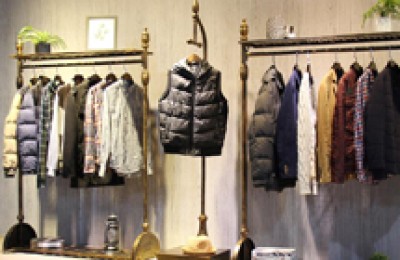
4. Down clothing cannot be dry cleaned. Dry cleaning of down clothing will degrease the down, so it is better to wash it in water.
5. Clothes with many beads cannot be dry cleaned. The buttons on some clothes will also melt and deform during dry cleaning. Generally, dry cleaners will remove the buttons for customers.
6. Striped clothing with large color contrast and weak dyeing is easy to bleed during dry cleaning and is not suitable for dry cleaning.
7. Clothes printed and dyed cannot be dry cleaned.
2. Check the accessories on the clothes before washing and pay attention during washing:
1. Check the pockets and trouser pockets before washing to avoid washing accidents caused by blades, pens, etc. ;
2. The logo on the collar of the suit and the accessories on the work uniform (it is easy to be damaged during the washing process, and it is easy to scratch and tear the fabric, so take it off and keep it to avoid losing it);
3. Some rubber buttons, plastic buttons and their cloth-covered buttons must be dissolved in dry-cleaning oil when washing (use dry-cleaning oil on the inconspicuous back of the button. If it is sticky, it means it needs to be dissolved, so remove it. )
4. Buttons made of plexiglass, inlaid with bright beads, coated with a layer of bright film, pigment film, paint film, oddly shaped, cloth-covered buttons (which are prone to appear separately during washing) If the glass is broken, the bright beads fall off, the film discolors or undergoes oxidative discoloration, abnormal damage, buckles fall off, glue dissolves, etc., remove them and keep them properly);
5. Plastic glue or broken glass teeth and metal bottoms Sit on glued buttons (it is easy for the adhesive to fail and fall off and be lost during washing, or the plastic surface will dissolve and only the metal base will remain. Remove them and keep them.)
6. For use with sequins and beads Clothes stitched with threads or clothes with metal chains (threads and chains are easy to break during washing, and sequins and beads are easy to slip and be lost, so it is best to wash them by hand.)
7. There are bright beads and sequins stuck to them. Attached to clothes (beads and sequins are easy to fall off and dissolve during washing, so it is best to explain to customers first or be careful when washing by hand.)
8. There are synthetic leather accessories (leather is easy to crack, real leather is not Yes, it is best to wash it by hand.)
9. The leather fasteners are fastened with metal nuts (the nuts are easy to fall off due to mechanical force during washing, so they must be removed.);
10. Delicate clothes such as cashmere sweaters and knitted sweaters that are easily deformed and elongated, fur collars that are easy to shed, real fabrics that are prone to snagging, sliding, and tangling, and Tang suits are best washed in the same category and in mesh bags. Install, slow dry cleaning, and the washing time should be as short as possible.
3. The necessity of pre-removal of water-soluble dirt and some special stains before washing.
Water-soluble dirt: mud, vomit, rice grains, sugar cubes, soy milk, milk, dough residue, human secretions.
Special stains: blood, ballpoint pen stains, lipstick, ink pads, coffee, tea, red wine, tomato ketchup, glue, ink, plaster.
It is best to remove these stains before dry cleaning, because dry cleaning cannot remove them. After the dry cleaning process, some dirt is easy to produce denatured stains, which are firmly bound to the fibers and increase the stains. The stains are more difficult to remove and may never be removed.
IV. Correct classification and sorting of clothes before dry cleaning
1. Classify clothes according to color: white, light, brown, dark or light, dark, faded;
2. Classification according to the thickness of the clothes: different washing times and drying times
3. Classification according to the dirtiness of the clothes: different amounts of detergent and different washing times
4. Classification according to clothing fabrics: different detergents and different washing processes
5. Special classification of clothing: different washing temperature, time, concentration, mechanical force, and PH value (i.e., the five elements of washing)
p>
Precautions for washing
1. Correctly sort machine washing and hand washing
Clothes suitable for hand washing: cashmere sweaters that are easily deformed, elongated and enlarged, cashmere sweater coats And knitted mesh fabrics; clothes with special accessories (sequins, bright beads, hanging chains, tops, metal wires, etc.); delicate silk clothes that are easy to hang, slide, and dotted, coated printing, and flocking Clothing.
2. Choose the correct detergent
Neutral detergent is suitable for silk and wool protein fiber clothes, and alkaline detergent is suitable for fiber, cotton and linen clothes.
3. Correctly choose washing tools
It is advisable to use a soft-bristled brush when scrubbing fabrics with loose yarn structure and satin weave, and brush carefully along the grain.
4. Sort the colors of clothes correctly to prevent color mixing and matching.
5. Clothes that are easily deformable must be spread flat to dry. Do not hang them on hangers.
Five basic techniques for manual washing
1. Scrubbing: Use a washboard and the strongest mechanical force;
2. Scrubbing: “Three levels and one level” “That is, the washing surface should be flat, the clothes should be spread out, the washing brush should be driven flat, and the force should be even.
3. Rub and wash: Put the clothes between your hands and rub them gently.
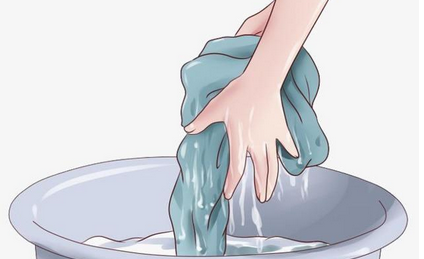
4. Squeeze washing: Soak the clothes in the washing liquid, shake them loose, squeeze out the washing liquid with both hands, shake them loose again, and repeat.
5. Twisting and washing: Twist both sides of one end of the clothes with both hands. After twisting up and down in the washing liquid several times, twist the two sides of the other end of the clothes with both hands and throw them up and down in the washing liquid. water several times.