
In late April, the temperature in most southern cities has approached 30°, and sweatshirts and sweaters are no longer suitable for wearing. Now it is the main battlefield for T-shirts.
T-shirts appear the most in a year and are the most purchased items. However, they are also the most controversial items and people don’t know how to choose them. Online shopping always encounters this situation. The price of the same T-shirt is very different. It is impossible to tell whether it is good or bad based on the appearance. It is simply believed that the more expensive ones must be of better quality.
However, I bought a lot of T-shirts in a year, but I found that the difference between tens of dollars and hundreds of dollars was not very obvious. T-shirts were washed every day, and they would fade and deform after a summer. I couldn’t help but feel It makes people wonder, is a few hundred dollars not good enough? You have to buy a 4-digit number.
What is the difference between a 50-yuan and a 5,000-yuan T-shirt? The quality of T-shirts from big brands must be very good? Not necessarily. Let’s talk about what a good T-shirt looks like and how we can buy high-quality and low-priced clothing.

The feel and smoothness of a cotton T-shirt mainly depends on the type of cotton used in the fabric, the textile process and the yarn Thread count.
1. Fabric
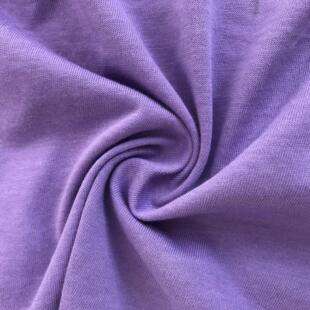
As a consumer, we have I don’t know much about the material of clothes. Most of the time when choosing a T-shirt, I pay attention to pure cotton. But in fact, those products that say pure cotton are not 100% cotton. Real 100% cotton materials have poor elasticity and support, are prone to deformation, wrinkles, and are not wear-resistant.
Therefore, fabrics with a cotton content of more than 75% on the market can be written as pure cotton, and fabrics with a cotton content of 100% are called pure cotton. Most pure cotton fabrics are blended with polyester or Lycra, which have better water absorption and perspiration properties and are more wear-resistant.
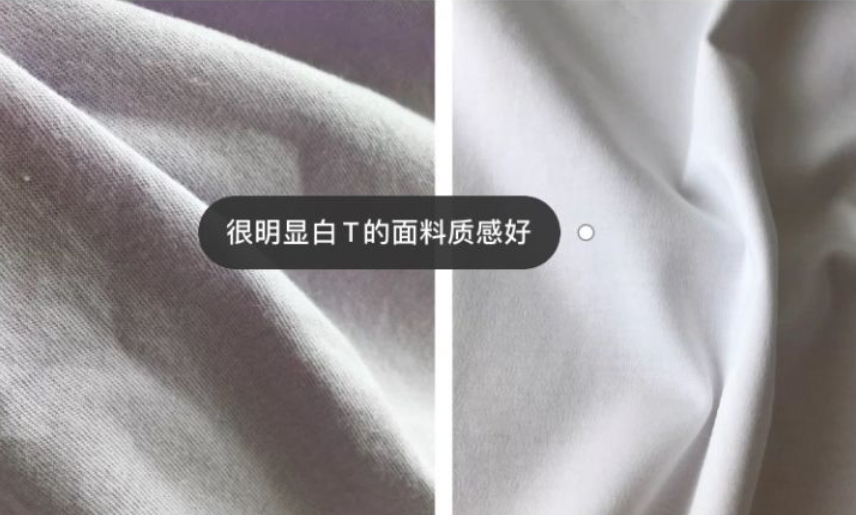
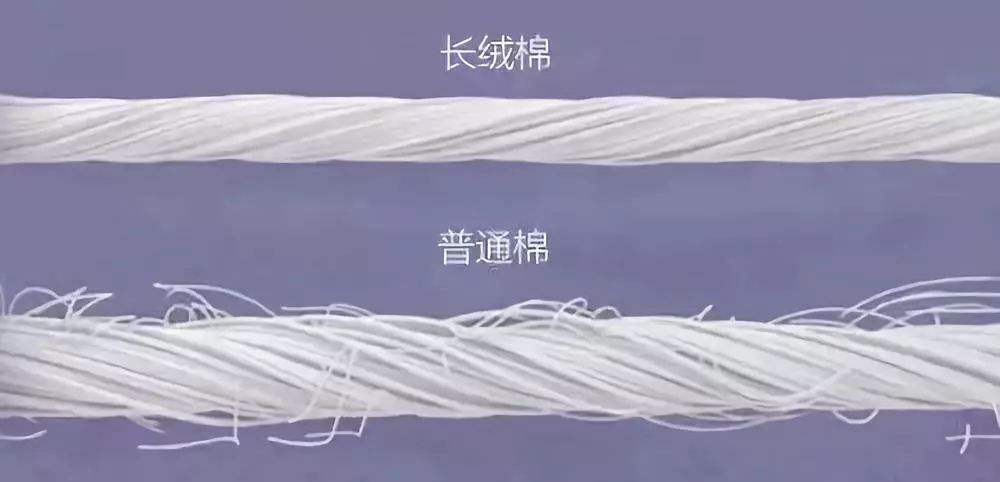
What determines the quality of clothes is the type of cotton. The common ones are long-staple cotton > fine-staple cotton > coarse-staple cotton. Cotton, quality from high to low. The quality of cotton is different, and the feel is different, which affects the color and degree of yellowing of the clothes.
2. Textile technology
How is a piece of clothing made? , mainly depends on its weight and count.
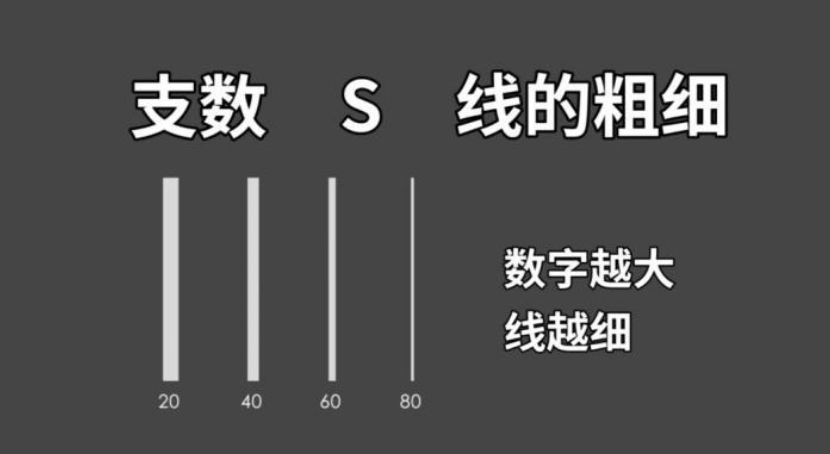
The count is related to the length and weight of the yarn. The higher the count, the finer the yarn, the thinner and softer the fabric will be, and the higher the requirements for raw materials and machines. , resulting in high costs. However, the higher the count of T-shirts, the better. Thin fabrics may also have the risk of showing through, so ordinary T-shirts have a yarn count between 21-32.
The gram weight is not the total weight of the clothes, but the grams per cubic meter of fabric, which determines the three-dimensionality of the clothes. The greater the weight, the thicker the clothes. If it is thin, it will be transparent, if it is thick, it will be hot. Generally, the best choice is between 180-280.
3. Post-processing
After all the raw material problems are solved, it is necessary to decide whether the clothes will fade, shrink or be anti-static. It depends on the finishing process of the fabric.
The stiffness of clothes is due to the late use of film-forming polymer material slurry padded on the fabric. After drying, a film is formed that adheres to the surface of the clothes, giving the clothes smoothness and elasticity. Stiff feel.
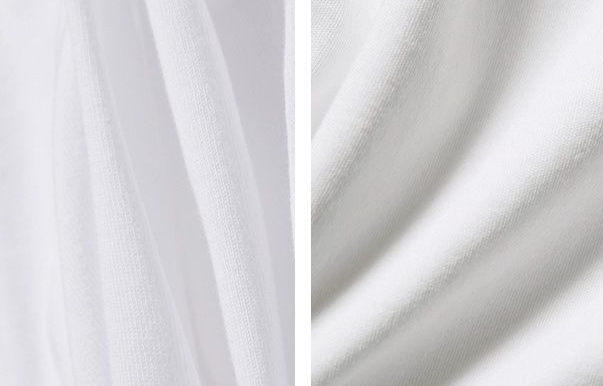
Then through width setting and mechanical pre-shrinking, the deformation factors of the fabric are reduced, the shape is obtained, and the width before and after stenter is obtained Whether the clothes are qualified or not determines whether the clothes will shrink.

After understanding the material and workmanship of clothes, I believe everyone will have a good idea of what kind of T-shirt That’s a good thing. But don’t think that you can definitely buy good clothes as long as you have the data. I searched for T-shirts ranging from 50 to 5,000 on TB, and found that none of the products accurately stated the fabric and weight of the clothes.
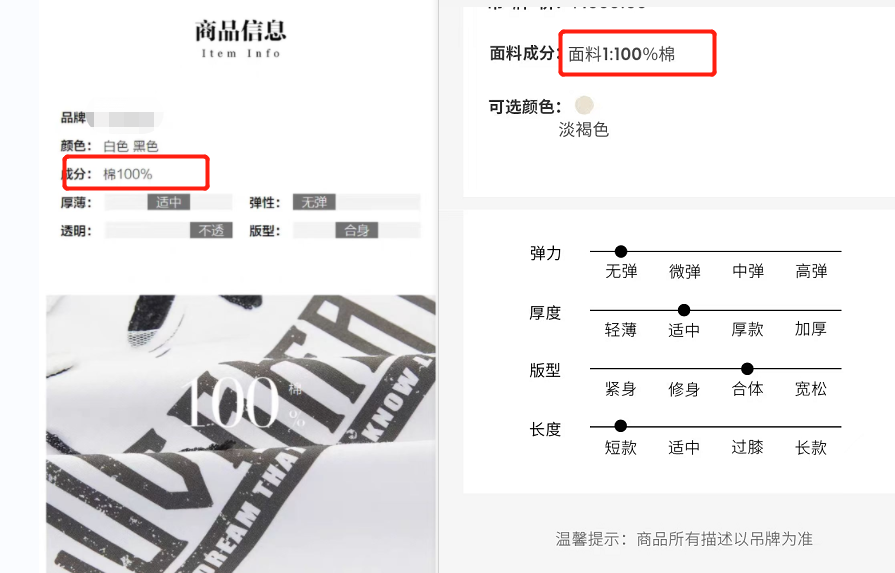
This means that ordinary people who want to buy T-shirts cannot see the essence through the phenomenon. Some external cuts and the gloss of the clothes can determine the workmanship and fabric of the clothes.
1. Glossiness
T-shirt fabrics are divided into carded and combed yarns. When you see/get it Later, I found that the surface of the clothes had a grainy feel and the material felt hard, indicating that the cotton yarn and production process used in the clothes were not very good.
The surface is relatively clean, the hand feels very soft, the surface is shiny, and it is not rough to the touch, indicating that the clothes have been�After combing out impurities and short fibers, clothes made with this kind of workmanship will be more tough and less likely to pill.
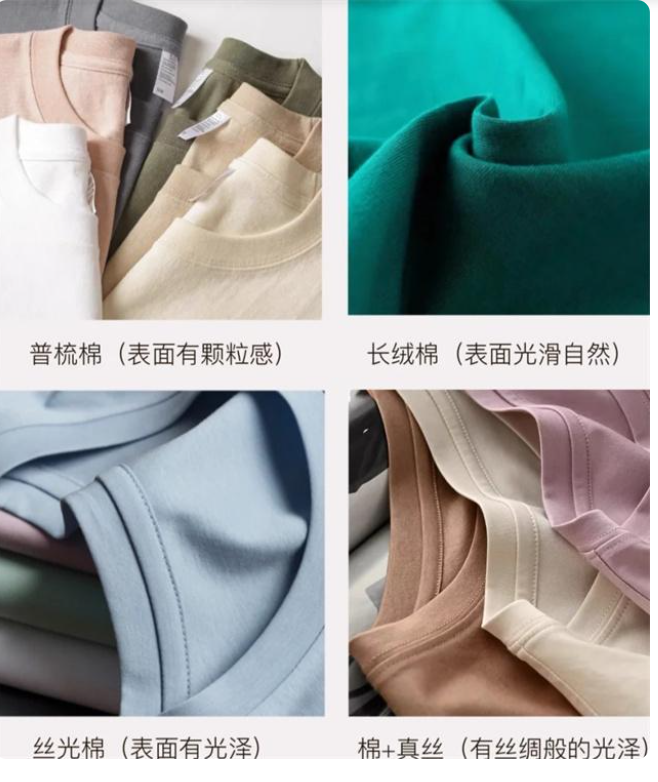
2. Pattern
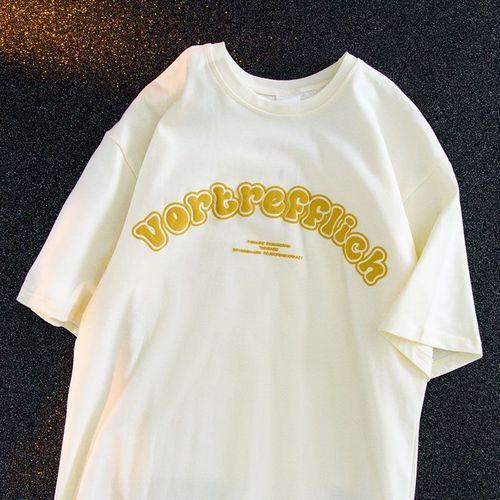
Most T-shirts have printed designs , if you want to know whether the pattern is easy to fall off, it depends on what kind of printing method it is.
Clothing printing is divided into two methods: screen printing and transfer printing. Screen printing generally means that the color is printed on the sand and integrated with the clothing fabric, unless The color of the clothes will fade, otherwise the pattern will not fade.
Transfer printing is to print the pattern on the transfer paper, and then print the pattern on the T-shirt fabric through high temperature and high pressure. It feels slippery to the touch like very thin glue. , this kind is easy to fall off. It will look worn out in the second year of wear.
3. Stitches
From collar, cuffs, waist The workmanship can be seen from the stitching. First, look at the neckline to see if there is a built-in elastic strap. This strap is used to reinforce the neckline and will not be easily deformed no matter how long it is worn.
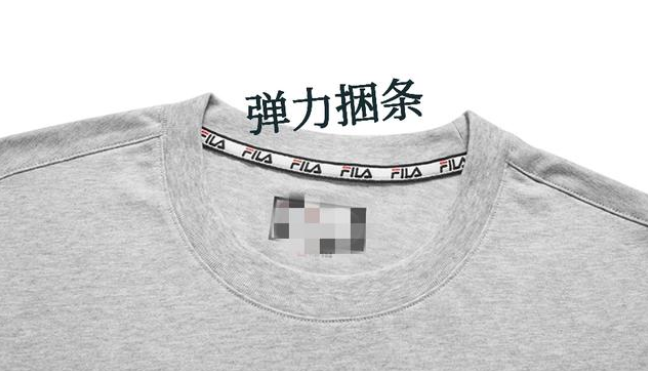
Generally, T-shirts in ordinary stores do not have binding strips, so it depends on whether the seams at the neckline are reinforced. There are two lines on the top, and the collar is made of elastic rib fabric, which is more durable and less likely to deform than the original cloth collar.
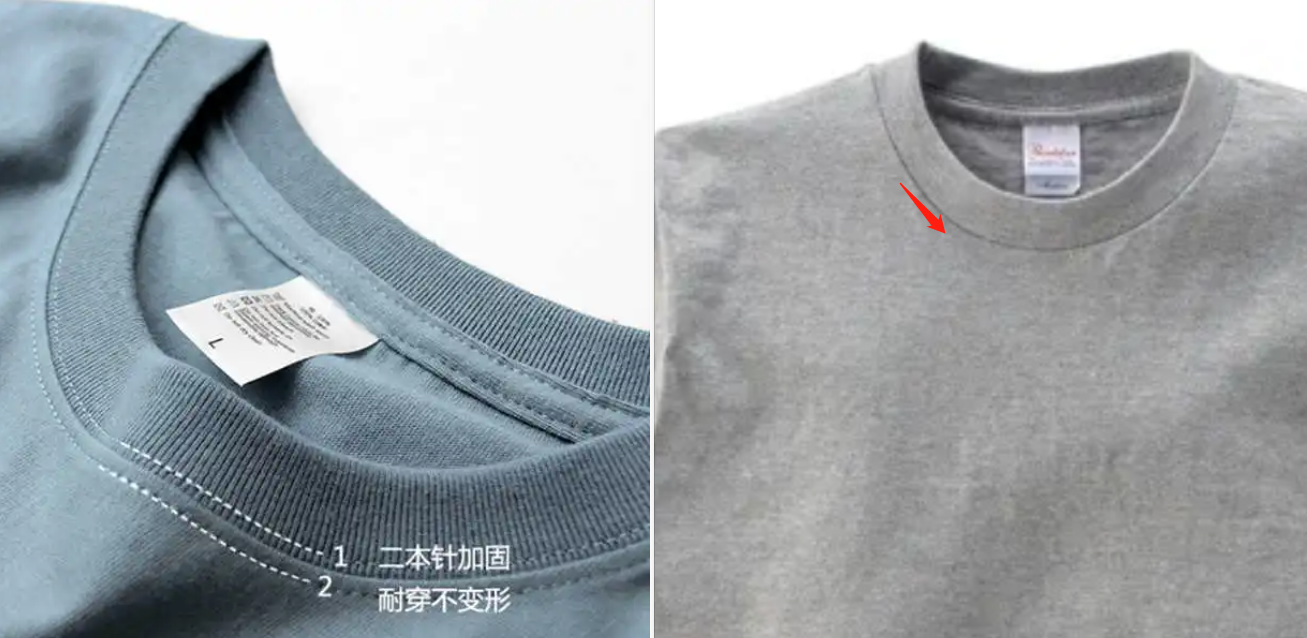
The same goes for the cuffs and waist. The stitches are fine and not easy to deform, while the stitches are rough and only one suture line is of poor quality.