
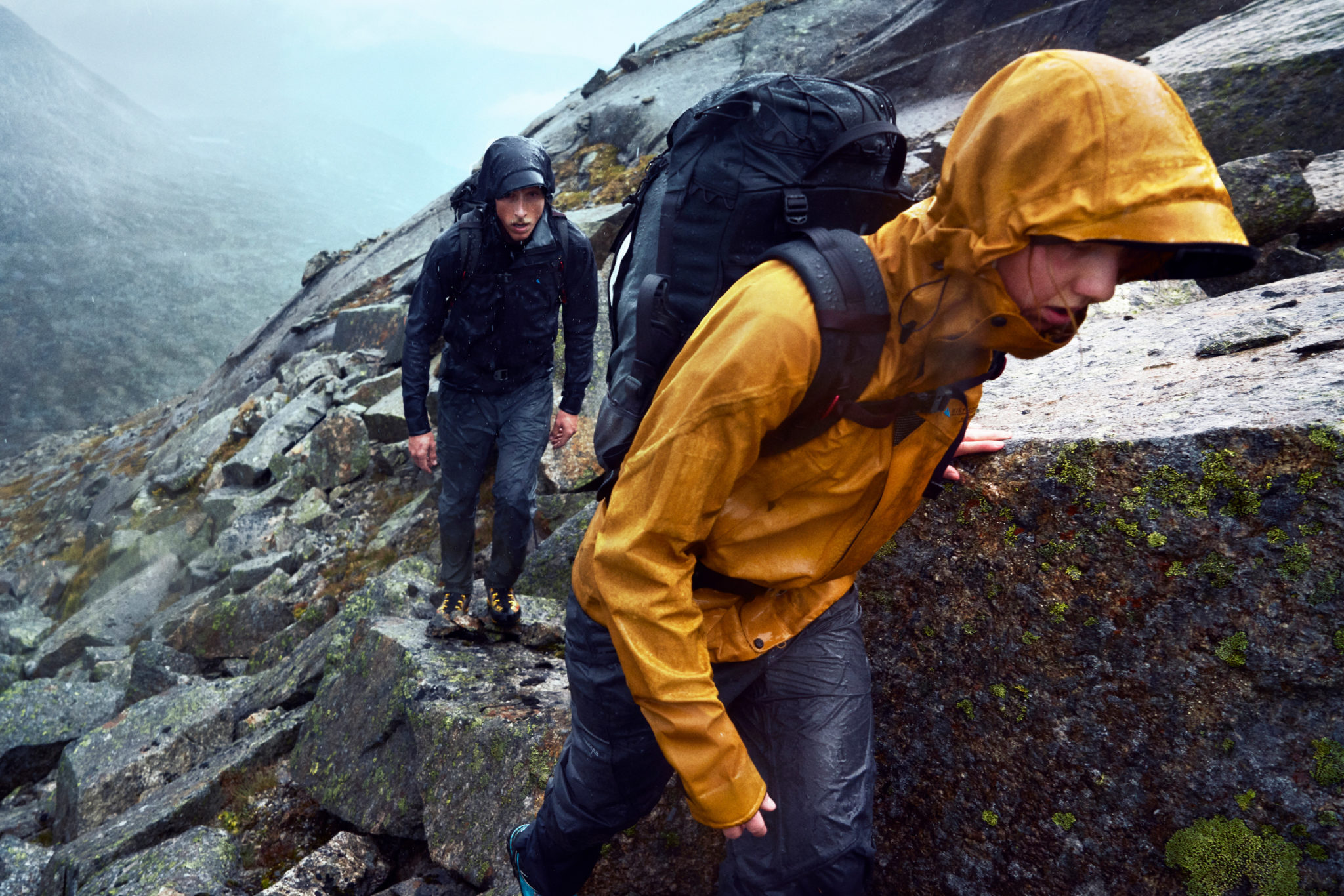
How to judge the waterproof coefficient of mountaineering jacket? What waterproof coefficient is suitable for outdoor sports? The ideal outer layer of a mountaineering jacket should be windproof, waterproof, and breathable. However, there is no material on the market that is completely waterproof and completely breathable at the same time. However, we can choose it based on three key points: waterproof coefficient, breathability, and wear resistance. Choose a mountaineering jacket that suits you.
This article will introduce the difference between the waterproof coefficient and breathability coefficient of mountaineering jackets, and teach you how to choose a mountaineering jacket that suits you!
1. Select according to the waterproof coefficient of the jacket
Waterproof coefficient (mmH2O): Calculate the maximum number of millimeters (mm) of water column that each square millimeter (mm) of area can withstand without water seepage. , the larger the value, the better the water pressure resistance (waterproofness).
How much waterproof coefficient is enough?
Generally speaking, the coefficient that can be called a waterproof jacket is above 2000mm. It is recommended to choose a waterproof jacket coefficient for mountaineering and outdoor use above 10000mm. You can also choose different coefficients according to the degree of waterproofing you need. water proof coat.
Waterproof coefficient (mmH2O)
Grade
Applicable
More than 10,000
Excellent
Outdoor sports/heavy rain
Above 8000
Very good
Sports/heavy rain
Above 5000
Good
Daily life/moderate to heavy rain
Above 2000
Fair
Daily life/light to moderate rain
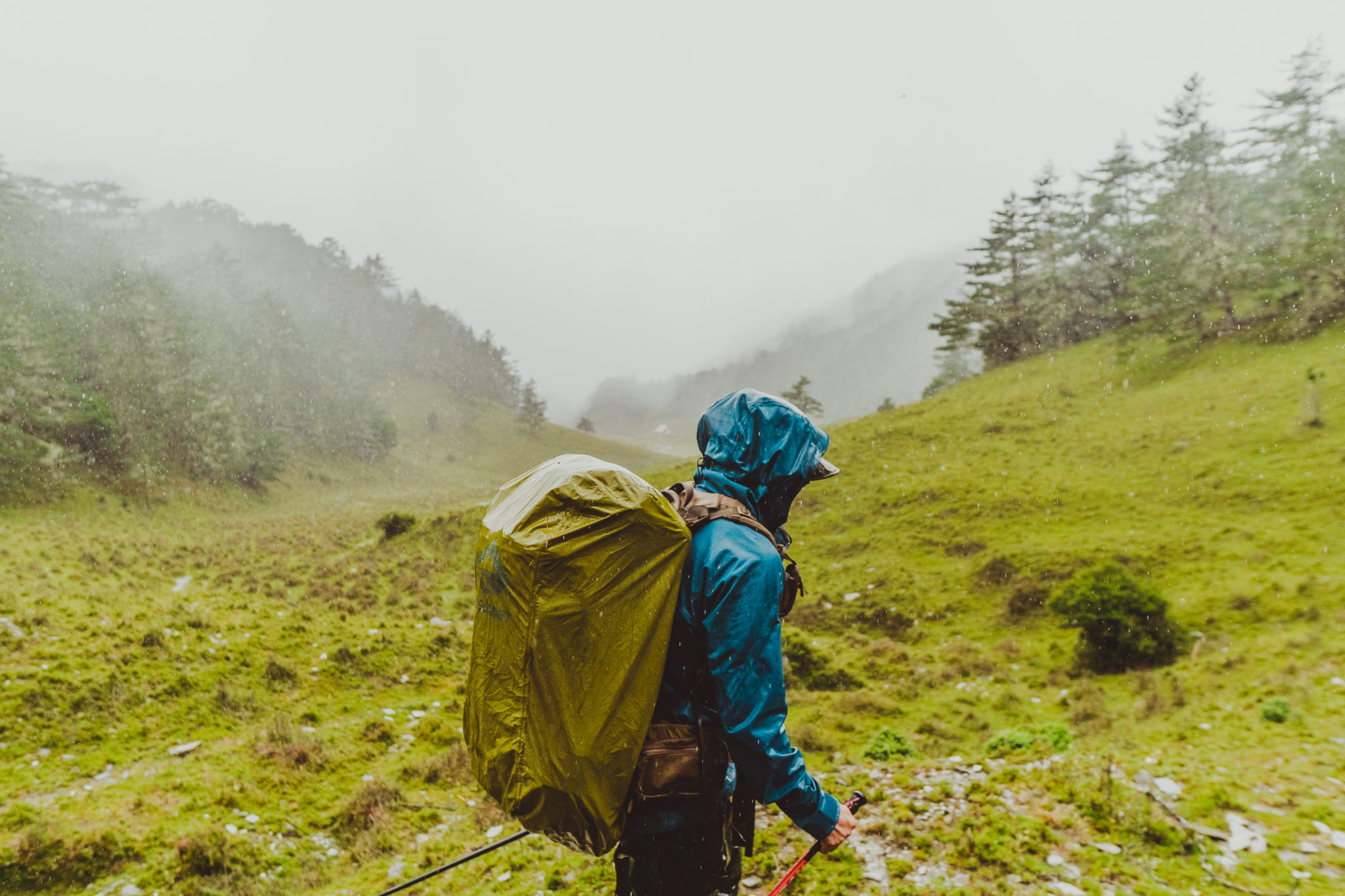
It should be noted that completely waterproof and completely breathable jackets do not exist at the same time. There must be a trade-off between the two. Even a waterproof jacket with a high waterproof coefficient will continue to be exposed to heavy rain all day long. It is still possible to get wet unless you choose to wear a material that is completely non-breathable but completely waterproof like a plastic raincoat, but if it is not breathable, it is not suitable for outdoor sports.
2. Select according to the breathability of the jacket
The breathability of the jackets on the market is divided into two different calculated values:
1. Air permeability (g/m2‧24hrs): refers to how much water vapor can be transmitted through 1 square meter of fabric in 24 hours. The larger the value, the greater the breathability. For example, a jacket with a breathability coefficient of 1000 g/m2 means that 1 square meter of fabric can transmit 1000g of water vapor in 24 hours.
2. Air permeability (Ret): refers to the resistance of moisture to penetrate the fabric material. The smaller the value, the smaller the resistance and the better the breathability.
Breathability (Ret)
Grade
Ret<9
Best/Extremely Breathable
9Ret <12
Good/very breathable
12Ret<20
Normal/breathable
Ret<20
Not very breathable
Some high-performance waterproof and breathable jackets will have waterproof stripping on the seams to improve the waterproof effect. In order to provide faster breathability, some will have waterproof strips on the armpits. Breathable zipper design throughout.
3. Consider the wear resistance of the jacket
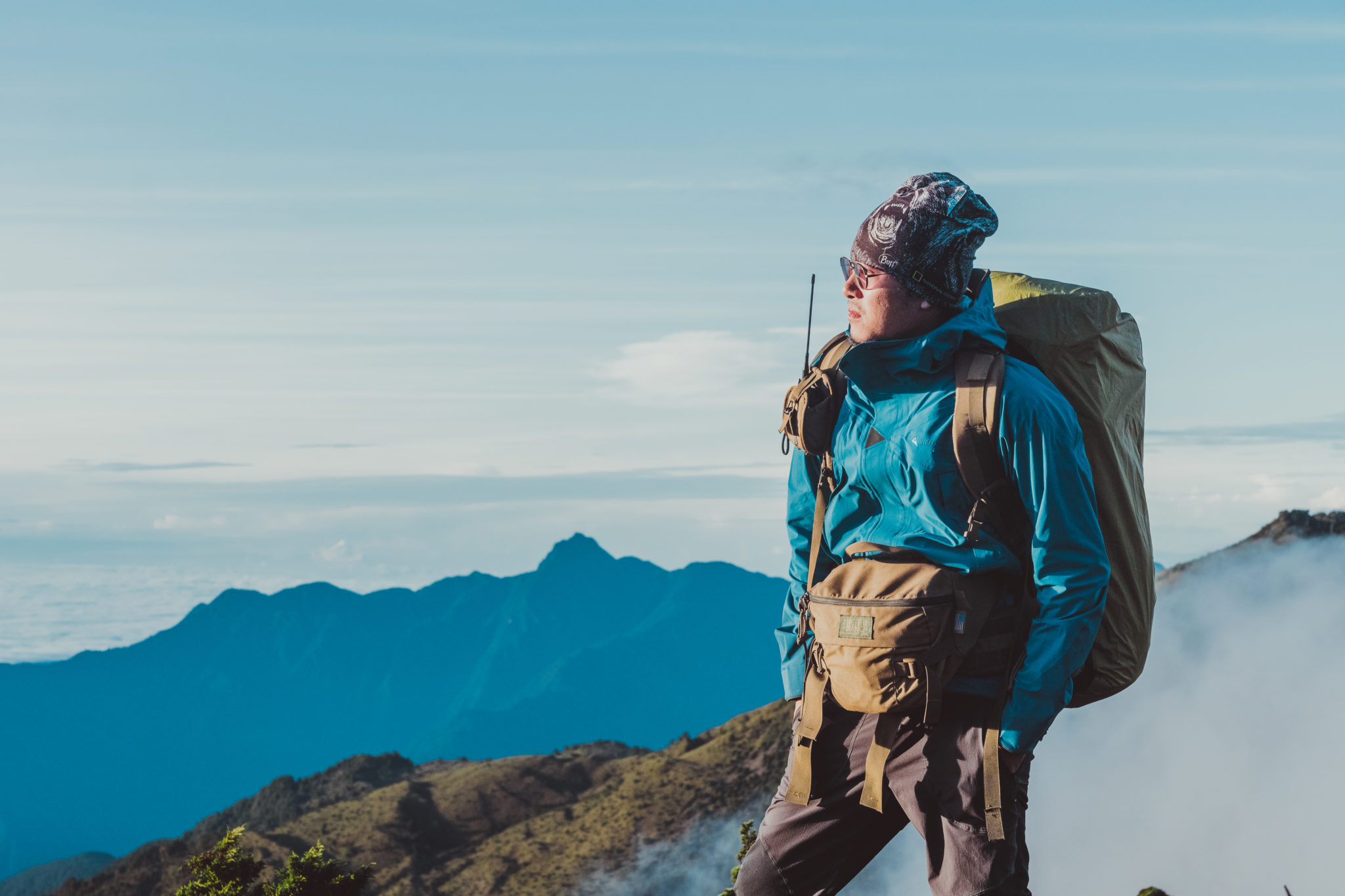
In addition to the waterproof coefficient and breathability of the jacket, we can also adjust the jacket fabric according to the When choosing the wear resistance, you can look at your personal mountaineering trip as the evaluation criterion for purchasing a jacket. If your mountaineering trip often involves traveling through bamboo forests, climbing ropes, rubbing against rock walls, etc., it is recommended that the fabric should be used when purchasing a jacket. Wear resistance and durability are taken into consideration.
4. The interior details of the jacket

When choosing a jacket, the design of the clothing is also very important, often high-quality mountaineering outdoor clothing Many thoughtful designs that are beneficial to outdoor sports are added to the details. Take Klattermusen’s Allgron jacket as an example: (Waterproof coefficient>
20,000 mm/Air permeability > 20,000 g/m2/Windproof grade MFR 10)
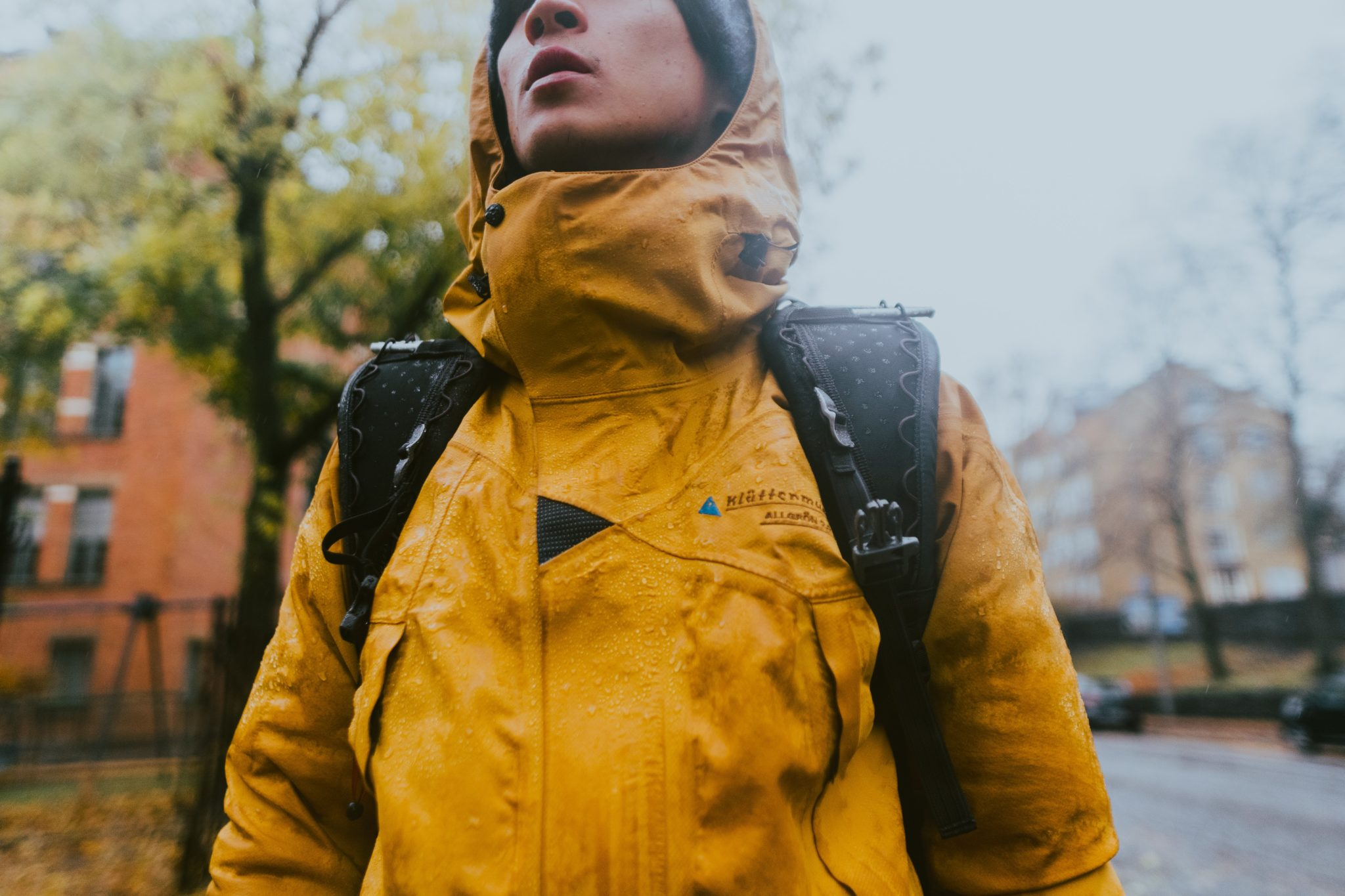
3D three-dimensional hood design, front and rear can be adjusted with one hand, drawstring Can be stored behind the hood, away from the face.
The wings on the forehead mean that the hood fits the face more closely, and the space in the hood can accommodate a helmet.
The small storm flap above the brim prevents water droplets from dripping onto the face.
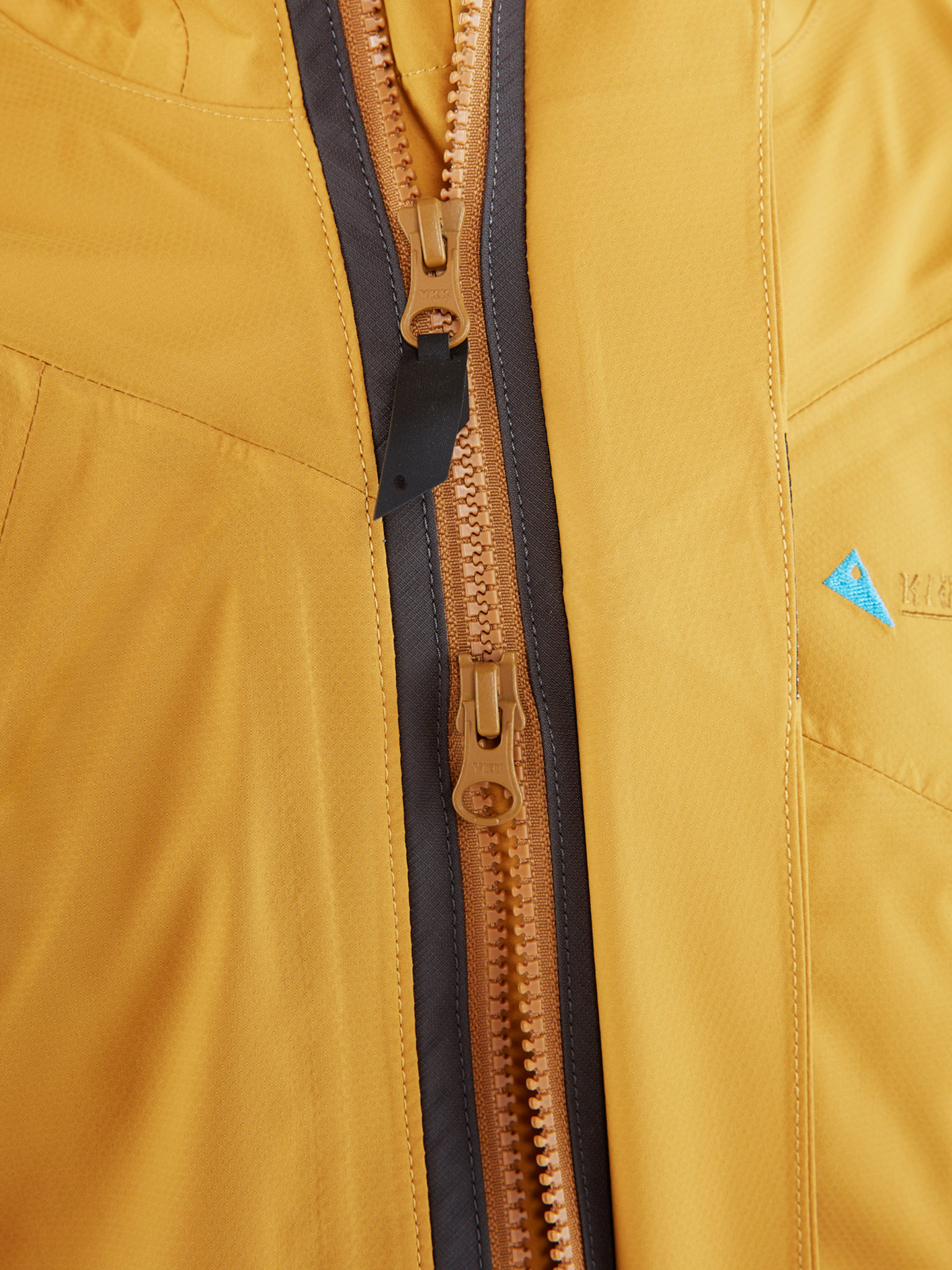
The waterproof flap on the inside of the zipper acts like a small channel, allowing water to drain downwards to prevent water droplets from penetrating into the zipper under harsh weather conditions. .
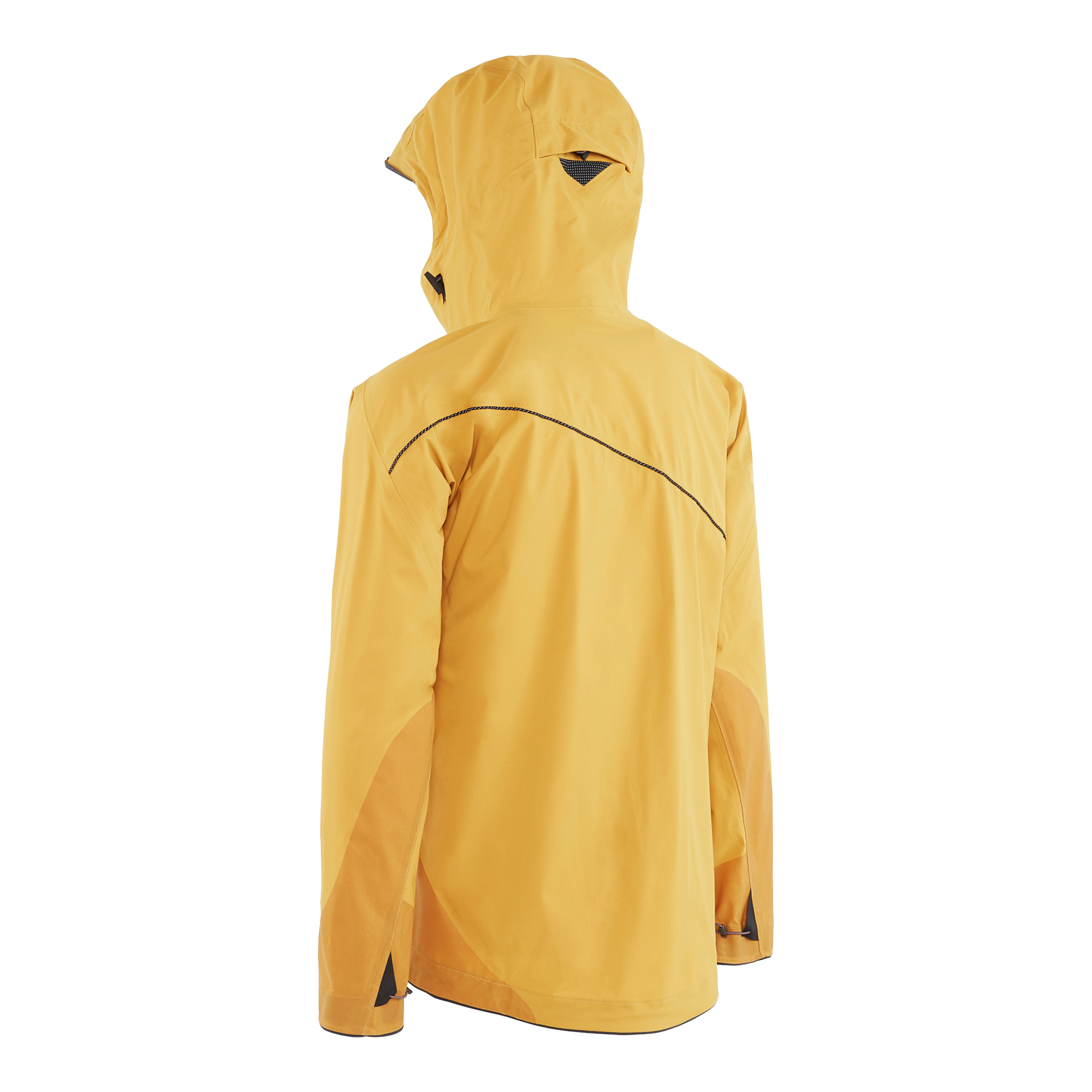
Enhanced wear resistance on hips, elbows, and under arms.
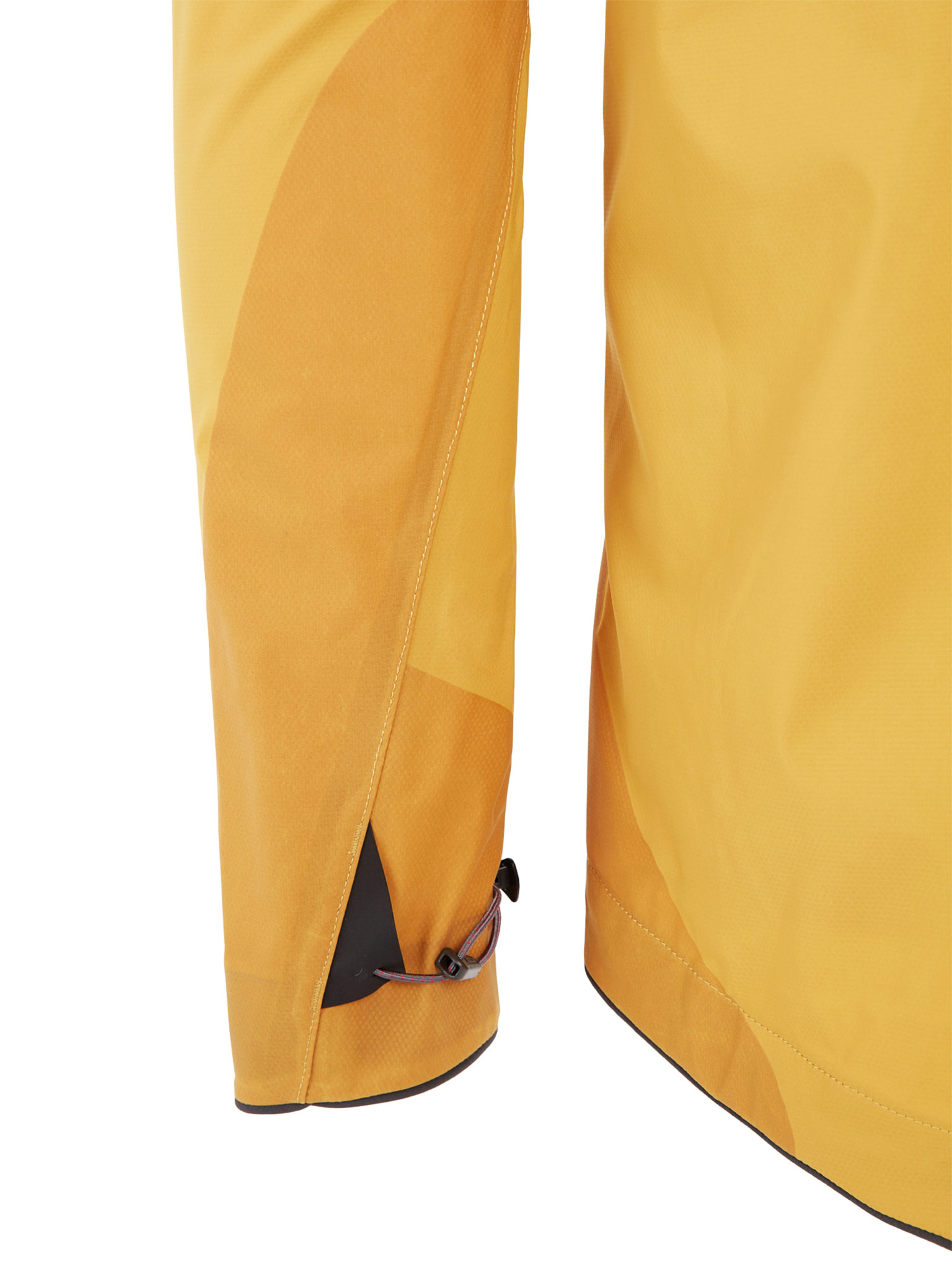
The sleeves can cover the back of the palms, providing extra comfort and protection, and there are breathable zippers under the arms on both sides that can be fully opened. The hem is short in the front and long in the back.
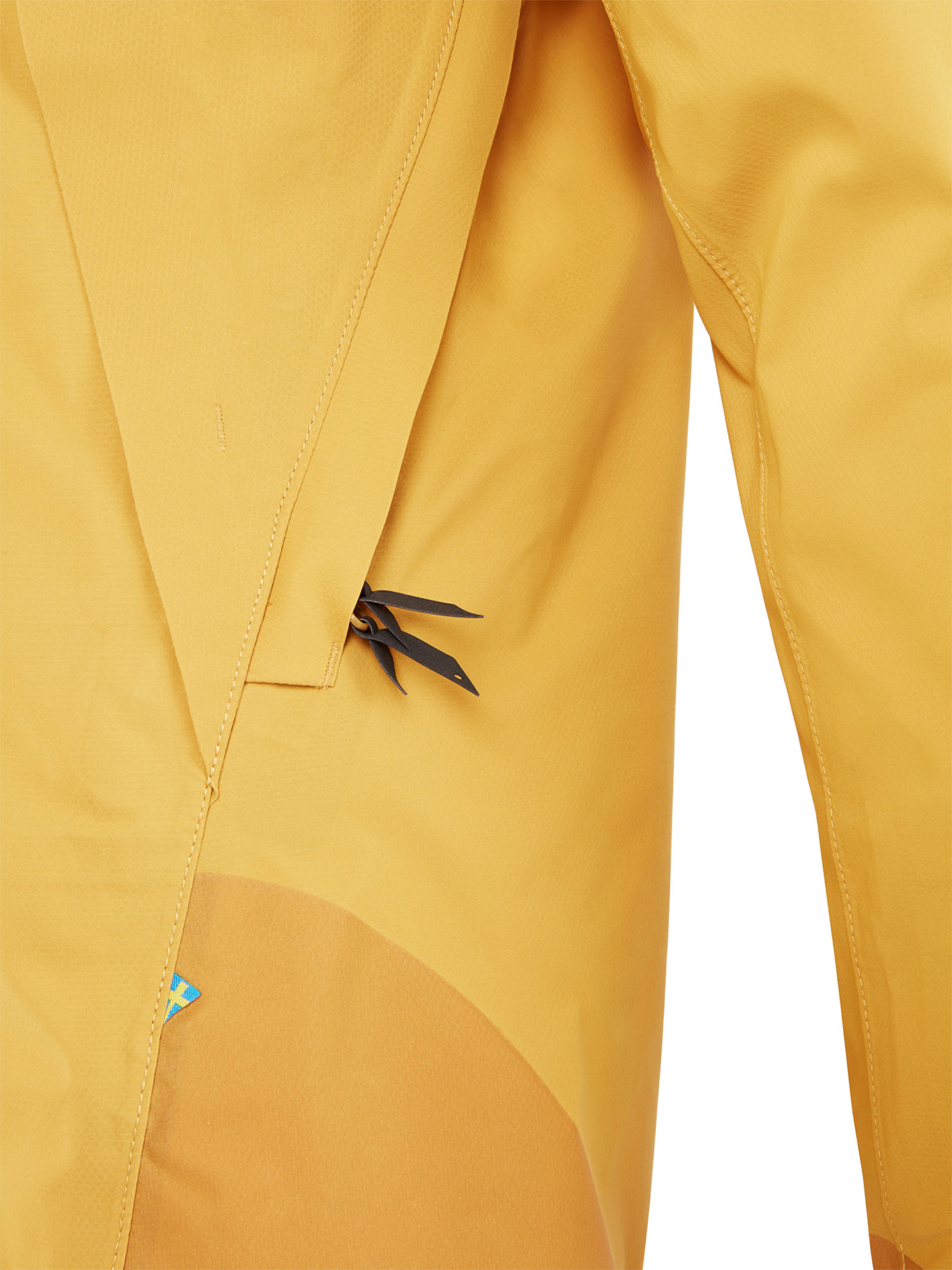
The position of the pocket design will not be blocked by the backpack belt and safety belt.
There are zipper pockets on the inside of the clothes, and elastic adjustment cords on the hem and sleeves.
The sewing lines are all treated with waterproof strips.
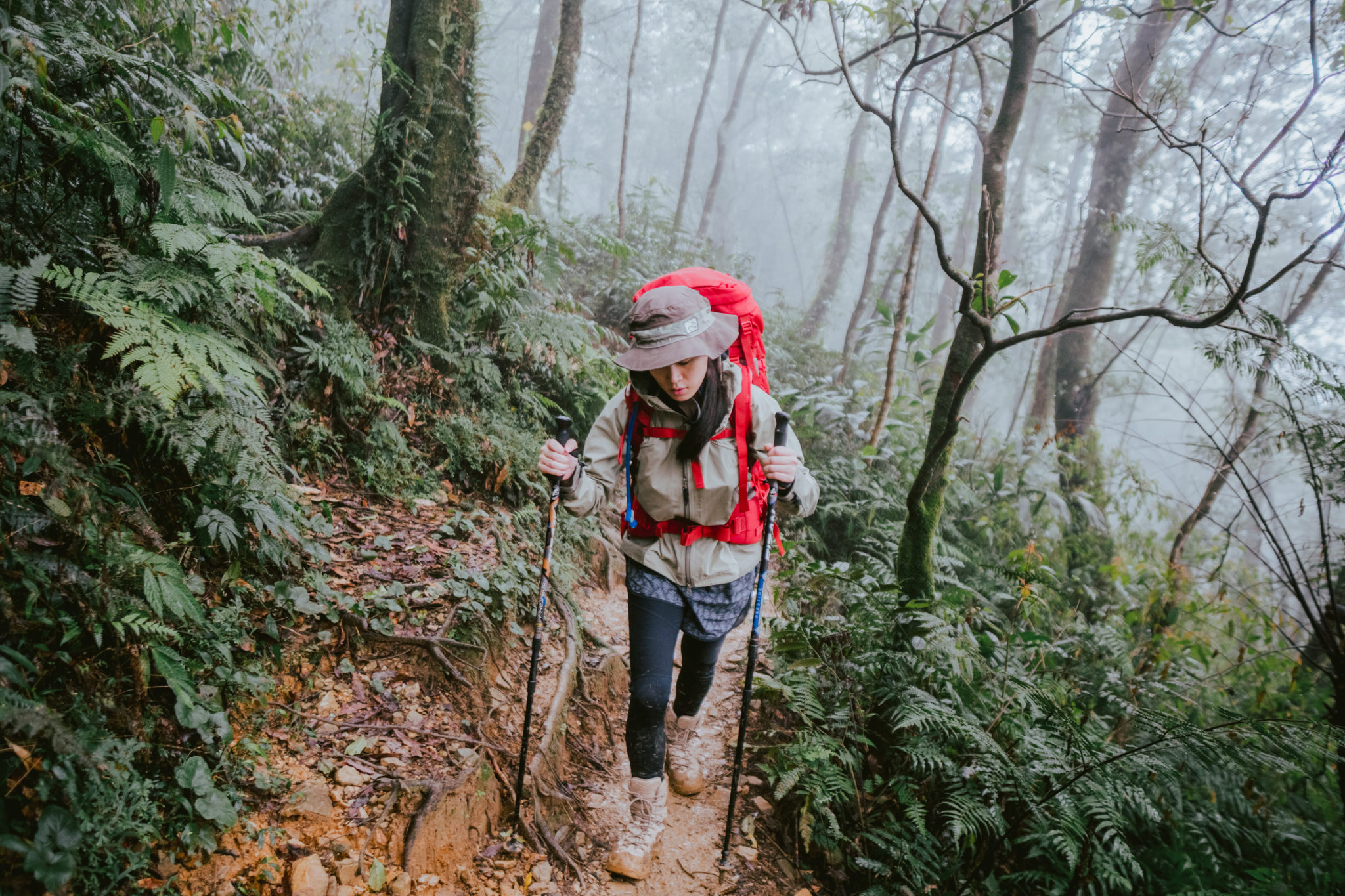
Clothing is a consumable product. The waterproof ability of the jacket will gradually lose its effectiveness after being used for a long time. However, some people still have problems with the more expensive the equipment. The higher the level of confusion, but this is not necessarily the case. After learning how to see the differences in various coefficients, you might as well read the clothing labels before buying clothes next time!