
Abstract: In the hot summer, pure cotton fabrics are particularly easy to fit and make people feel uncomfortable and unnatural. , so many people will choose some mixed fabrics to give themselves the most comfortable clothing in summer. Cotton and linen fabrics are such a fabric that not only has good breathability, is soft and comfortable, but can also remove some sweat from the human body as quickly as possible, giving people a comfortable feeling. So what are the special techniques for processing cotton and linen?
In recent years, cotton and linen fabrics have become increasingly popular. Many people feel comfortable and comfortable with this fabric, and the clothes that can be made from cotton and linen are also very diverse. What are the design combinations and processing techniques of cotton and linen fabrics?
Characteristics of cotton and linen
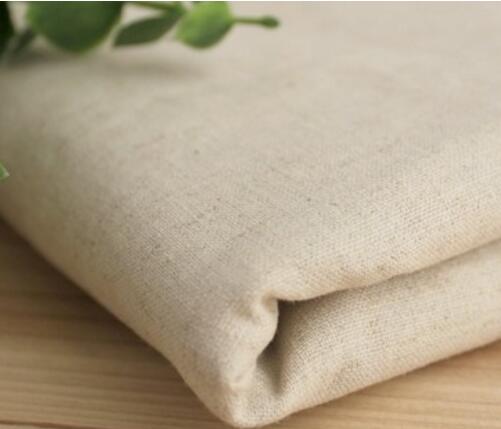
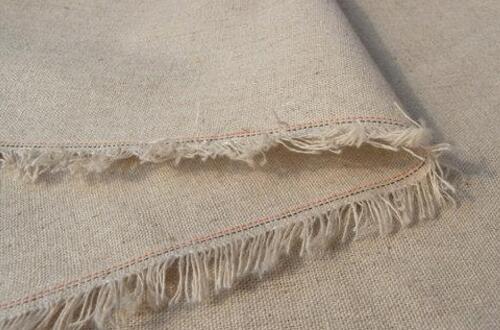
Cotton and linen fabrics are made of half linen and half A half-cotton blended fabric that has the characteristics of both linen and cotton. Generally, clothes made of pure linen material feel rough and hard, and the friction on the skin is obvious when worn close to the body, and they are more likely to pill over time; while pure cotton clothes have the disadvantage of being too light, making them feel soft and uncomfortable when worn. Numb firm feeling. Cotton and linen mixed fabrics effectively avoid the shortcomings of linen and cotton. The advantages and disadvantages of the two complement each other, making it the best choice for summer clothes.
Advantages and Disadvantages of Cotton and Linen
Advantages:
1. Antistatic, no pilling, no buckling, no curling. Cotton and linen are made of pure Cotton is sewn and has no free charge. Cotton fibers are not easily deformed and do not pill.
2. Natural and environmentally friendly, from planting to hand-woven cloth and sewing into sheets, no pesticides and chemical dyes are used. The textiles do not contain formaldehyde, azo and other chemical heavy metal ions, and are fully in line with the European Community textiles The requirement of “banning carcinogenic azo dyes” stipulated in biochemical standards makes it a true green ecological textile treasure.
3. It has good breathability and sweat permeability. Cotton and linen cloth can absorb sweat and micro-perspiration on human skin, quickly return the body temperature to normal, truly achieve the effect of breathability and sweat absorption, warm in winter and cool in summer, suitable for For personal use.
4. Comfortable, anti-itching, skin-friendly, acidic PH value, non-irritating to the skin, and meets environmental protection and human health requirements.
5. It can improve sleep. The use of cotton and linen cloth can produce a warming effect on the human body, increase the body’s microcirculatory blood flow, effectively regulate the nervous system, clear the meridians, and improve sleep quality.
6. Use cotton and linen bags to make bunch bags, which are now suitable for packaging electronic products, jewelry, and precious medicinal materials. They are safer and more secure.
Disadvantages:
1. Not anti-wrinkle. Linen products, like cotton products, are purely natural and less wrinkle-resistant, which is an obvious disadvantage. Of course, it is undeniable that the random folds are the temperament of cotton and linen. Although cotton and linen are prone to wrinkles, it is actually best to take care of them. Just spray some water on the area, because linen has a good drape, and the clothes will be smooth after the water dries.
2. It feels a bit prickly when you wear it for the first time. Multi-color dyed linen/cotton will be tougher than other fabrics. This is caused by multiple dyeing processes. As long as you patiently accept the initial touch, as the number of washes increases, it will become closer and closer to the skin’s requirements. Soft and elegant. If the unwashed fabric is smooth and not rough, it is not necessarily linen, or the linen content is less than 30%.
3. The fabric feels rough. High-quality linen fabrics, or fabrics with high flax content, will feel rough to the touch if they have not been washed many times. They will become softer after being washed a few times.
4. The dyeing tone of cotton and linen is darker and belongs to the dark color series. The effect of dyed linen is different from other dyed fabrics. Both gloss and saturation are relatively dull. Due to the limited ability of the camera to distinguish color, this dull effect cannot be truly reflected in product photos, so the photos are generally Brighter than real thing.
Although cotton and linen fabrics have many benefits, cotton and linen fabrics can also prevent radiation and inhibit the growth of bacteria, so wearing this material for a long time can only be beneficial and harmless.