
When many people buy clothes, manufacturers often mention the names of some fabrics. In addition to the familiar natural fabrics, many fabrics do not know what their characteristics are, so they bring some unknowns to selling clothes. Are you also thinking about it? Are you worried about this?
The New Year’s Eve sale with huge sales is here. In such an important season, how can you do it if you are not familiar with fabric knowledge? Okay, let’s learn some fabric knowledge together today!
1. Wool
Wool feels plump and has the advantages of good elasticity, strong hygroscopicity, and good warmth retention.
The biggest disadvantage is pilling, which is unavoidable for all pure wool clothing, so caring for wool clothing requires some attention.
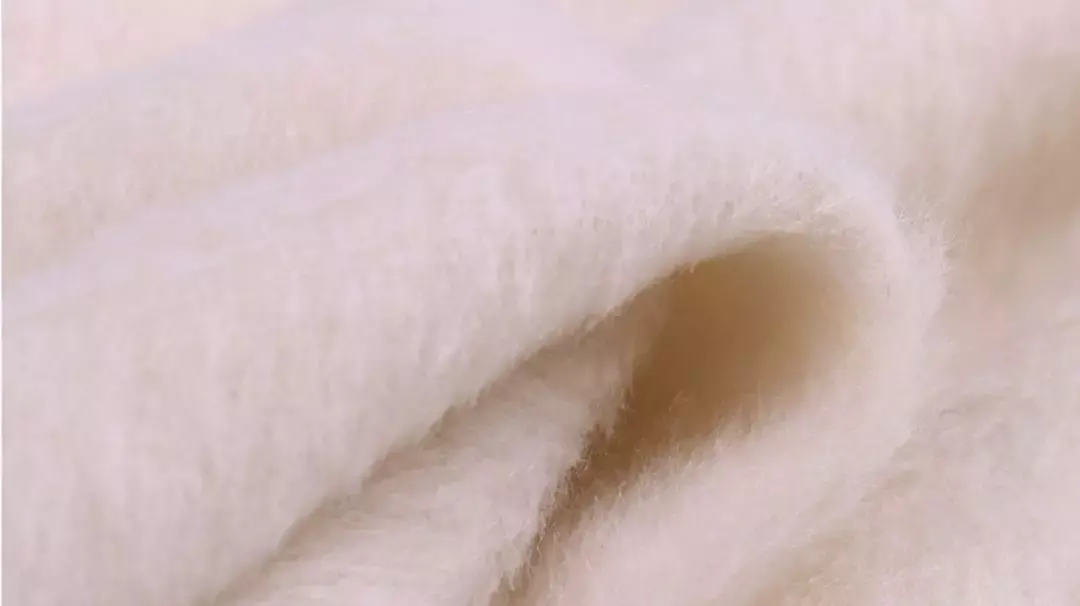
2. Cashmere
Cashmere is 8 times warmer than wool and weighs less But it only accounts for one-fifth of it. It is the best choice for winter clothing fabrics, but it is also more delicate and less durable than wool.
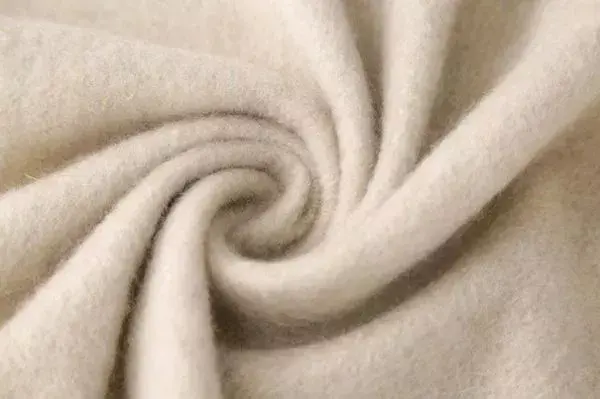
Cashmere is light in texture, extremely skin-friendly and breathable. It is thin, soft and warm, and has natural Soft color.
Moreover, cashmere sweaters have the strongest water absorption among all textile fibers, do not shrink after washing, and have good shape retention.
3. Velvet
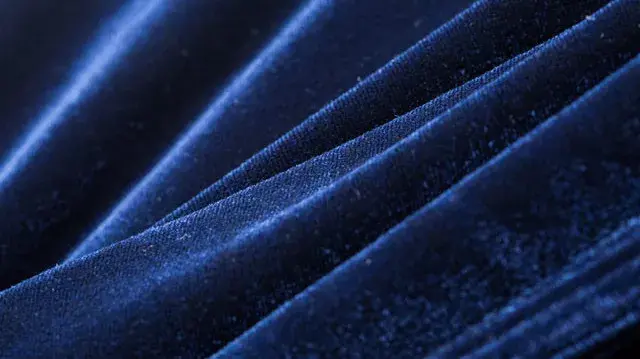
Velvet fabric feels silky, tough, has good wrinkle resistance and elasticity.
Although it will shed some hair, it is soft and skin-friendly after washing. Velvet fabric actually has many advantages, such as heat insulation, UV protection, moisture resistance, easy cleaning, etc.
4. Melton
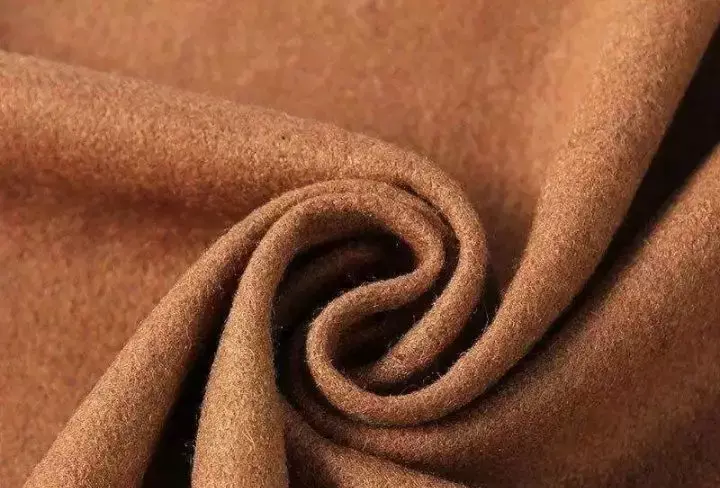
Melton was originally a woolen woven fabric , is one of the high-end products in woolen woolen fabrics.
It has a fine, smooth surface, is elastic, stiff and wrinkle-resistant, wear-resistant and, most importantly, non-pilling. It is mainly used as a fabric for winter clothing.
5. Nylon
That is, nylon. The most prominent advantage is its wear resistance, which is 10 times higher than cotton and 20 times higher than wool.
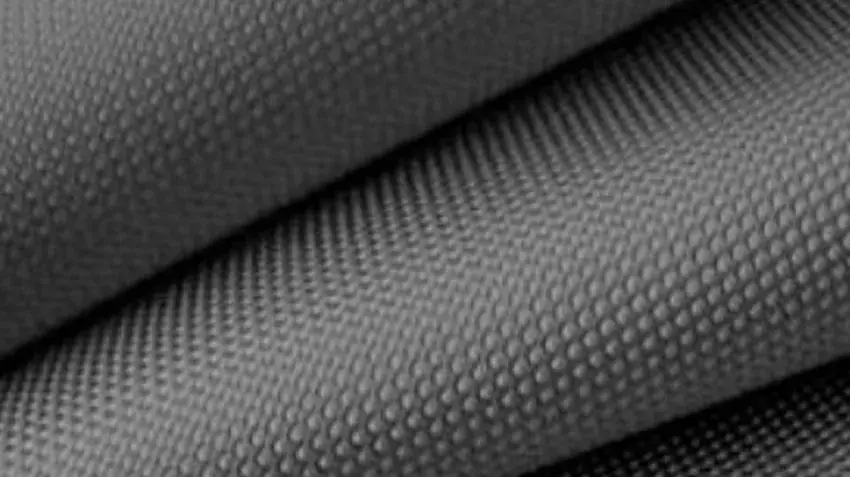
It has good anti-moth and anti-corrosion properties and is easy to store.
And it is windproof, elastic and has particularly good elastic recovery capabilities, but it is prone to wrinkles and deformation. Ventilation and breathability are poor, and static electricity is easily generated.
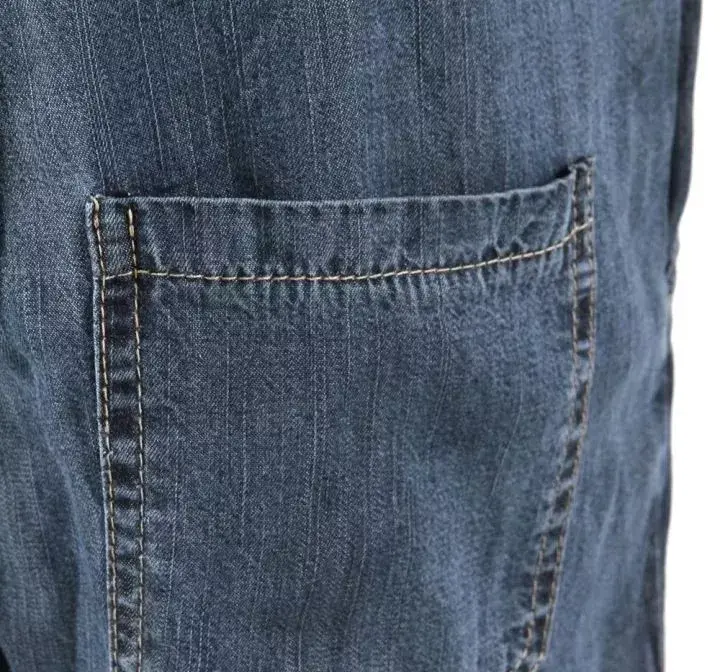
6. Denim
Denim/coarse twill, commonly known as denim.
A fabric made of pure cotton indigo-dyed warp yarns and natural weft yarns interwoven with a three-up and one-down right twill weave. The texture is thick, moisture-permeable, breathable and comfortable to wear.
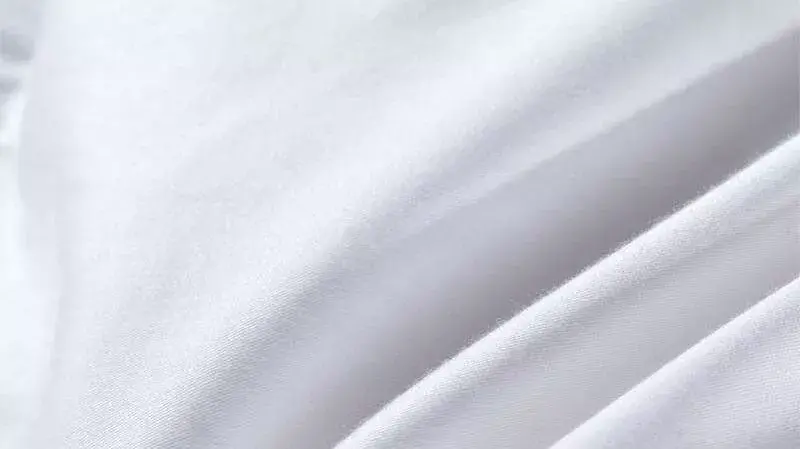
7. Pure cotton
Used cotton as raw material and produced through textile technology The fabric has the characteristics of moisture absorption, moisturizing, heat resistance, alkali resistance, and hygiene. It has good moisture absorption and heat resistance, and is comfortable to wear.
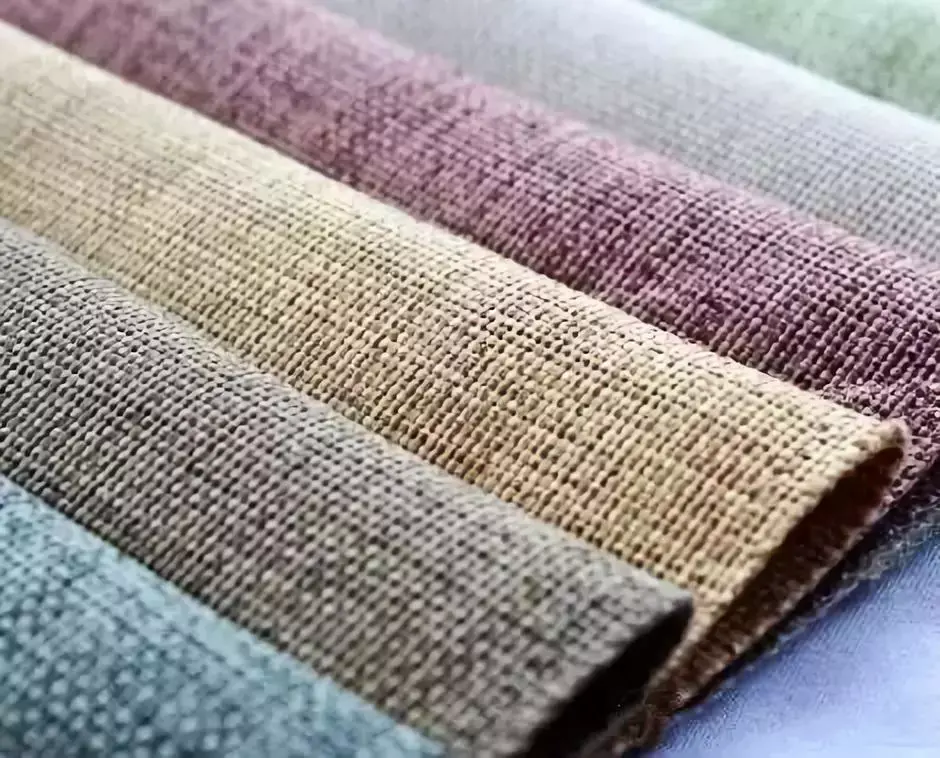
8. Hemp
is a kind of plant fiber, known as cool and noble Made of fiber, it has good hygroscopicity, releases moisture quickly, is not prone to static electricity, has large heat conduction, quickly dissipates heat, is cool to wear, does not stick to the body after sweating, is more resistant to washing, and has good heat resistance.
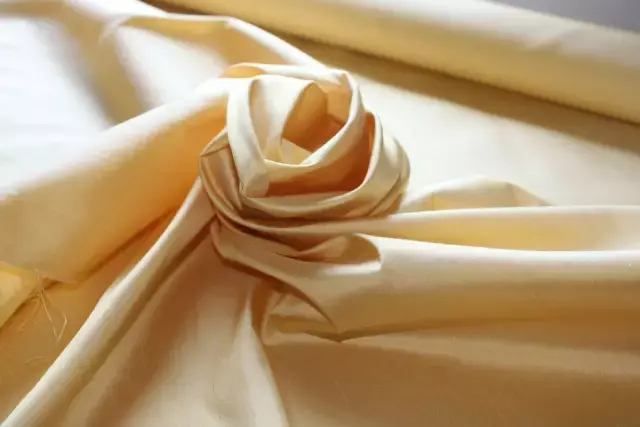
9. Mulberry silk
Natural animal protein fiber, smooth, soft and rich Glossy, warm in winter and cool in summer.
It has a unique “silky sound” phenomenon when rubbed, has good extensibility, good heat resistance, is not resistant to salt water corrosion, and should not be treated with chlorine bleach or detergent.
10. Viscose
Contains wood, cotton linters, reeds, etc. It is processed from natural cellulose materials and is also often called artificial cotton.
It has the basic properties of natural fibers, good dyeing performance, good fastness, soft fabric, heavy specific gravity, good drape, good hygroscopicity, cool to wear, and not prone to static electricity, fluffing and pilling.
41.Linen-cottonblend
Cottonhasgoodhygroscopicity,gooddyeability,andgoodwarmthretention.Linenhashighstrengthandgoodnaturalluster.
Brightlydyed,noteasytofade,goodheatresistance,linen-cottonblend,notascleanaspurecottonfabricinappearancebutgoodinluster,soft,comfortable,goodheatdissipation,noteasytofade.
42. Polyester and linen blends
Polyester is not easy to deform, lint-free, and has hemp strength Good, good gloss, not easy to fade, polyester and linen blends make up for some deficiencies, making the fabric crisp, good hygroscopicity, comfortable to wear, easy to wash and quick to dry, reducing wrinkles and fluffing.
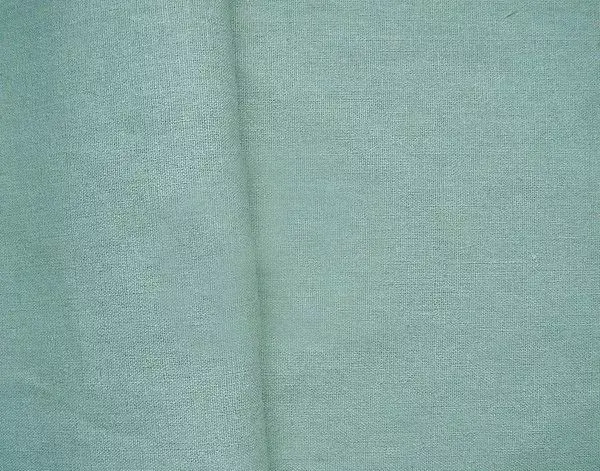
43. Imported long-staple cotton
Effective moisture absorption and perspiration, protecting the skin , good coloring, good strength, good stretchability and other characteristics, soft touch, soft luster, rustic, good warmth retention.
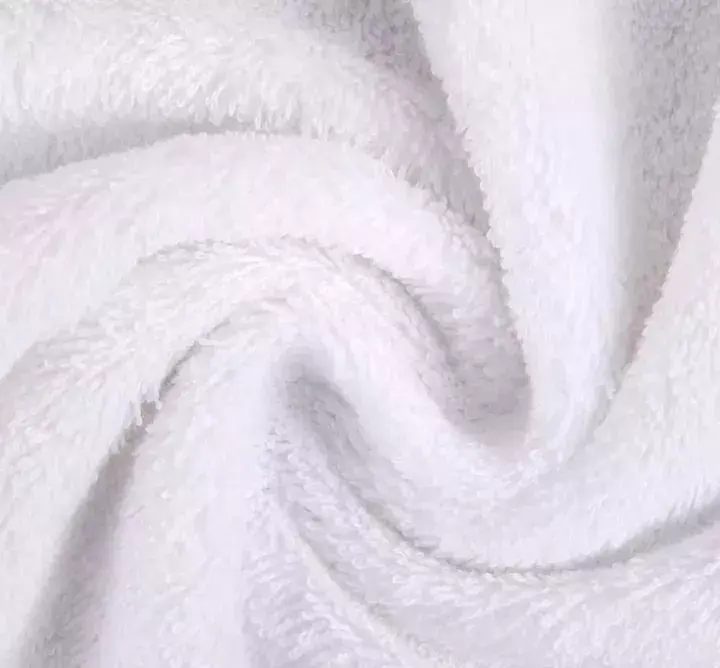
44. Spun silk
A luxurious natural fiber recognized around the world as a high-end Textile raw materials have high strength and elongation, the fibers are thin and soft, smooth and elastic, and have good hygroscopicity. The fabric is shiny and has a unique “silky” feeling. It is smooth, comfortable, elegant and luxurious when worn on the body.
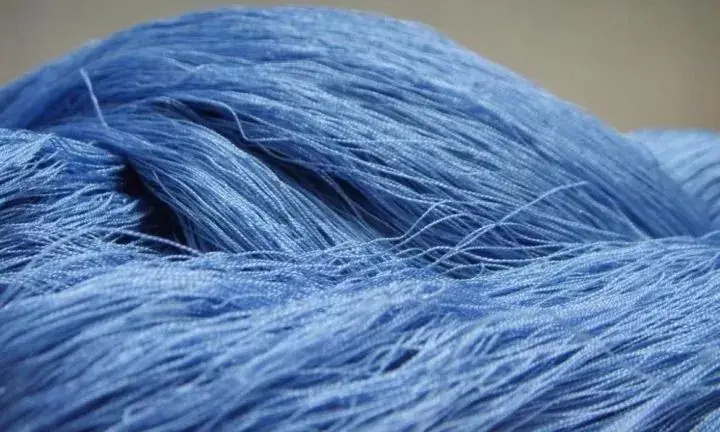
45. Real silk
Bright and noble, with a certain straight silk content, it can The product feels smoother, has a denser texture, is shiny, comfortable, elegant, luxurious, has good elasticity and strength, has good hygroscopicity, is breathable and comfortable to wear.
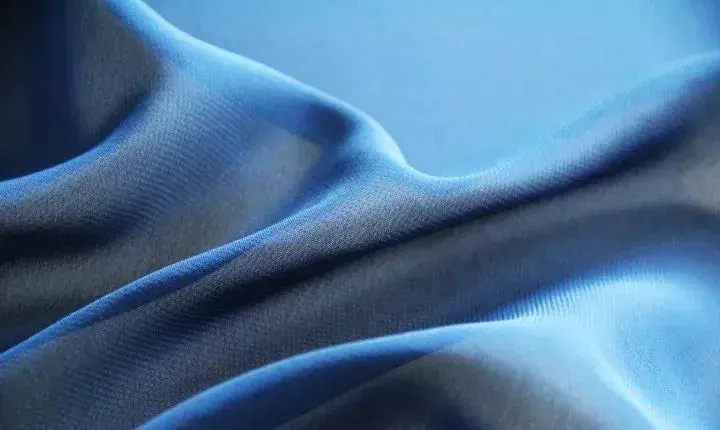
46. Tencel
is an environmentally friendly fiber that is used in purification and spinning During the process, high-tech processes are used to protect all the properties of natural fibers, including strong moisture absorption and breathability, fabric drape, silky smoothness, and bright dyeing. It retains its many health-care functions despite repeated washing and exposure to the sun, and is not prone to pilling.
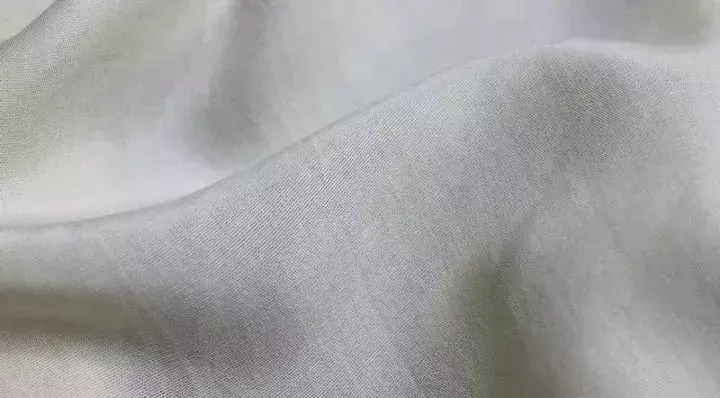
47. Mercerized cotton yarn
Has silk-like bright luster, high grade It has excellent color fastness and good hand feel, has the breathability, softness and hygroscopicity of cotton, and has the smooth and bright characteristics of silk.
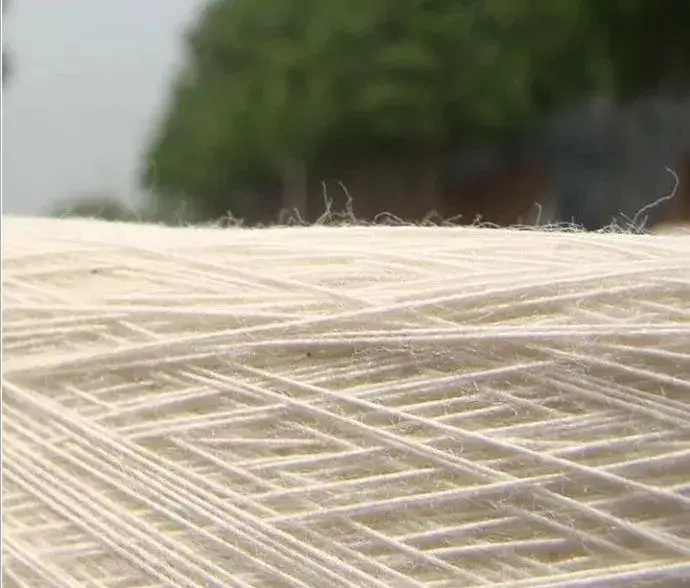
48. Bamboo fiber
An environmentally friendly fiber, bamboo has antibacterial and anti-violet properties Features: High-tech technology is used to protect natural antibacterial and antibacterial properties during the fiber purification process.
Deodorizing and anti-UV substances have many functions such as strong breathability, fabric drape, smooth silk, bright dyeing, antibacterial, deodorizing, anti-UV, and can be washed and dried repeatedly.
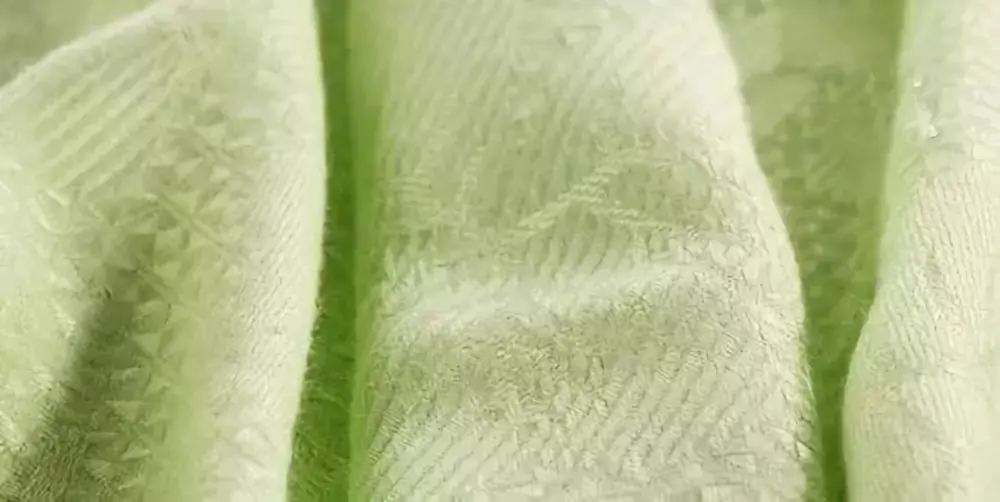
49. Acrylic
Commonly known as “artificial wool”, it is soft, warm and strong Good characteristics, smooth surface, tight structure, not easy to deform, minimal shrinkage after washing.
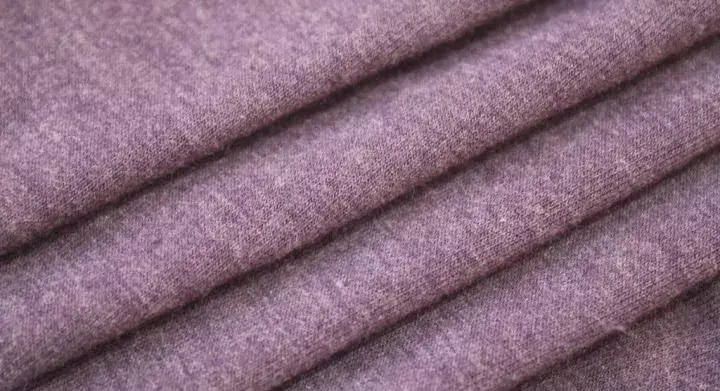
50, vinylon
The fabric looks and feels like cotton, but has poor elasticity. It has good hygroscopicity, small specific gravity and thermal conductivity, is light and warm to wear, has good strength and wear resistance, is strong and durable, and has excellent resistance to chemicals, sunlight and other properties.
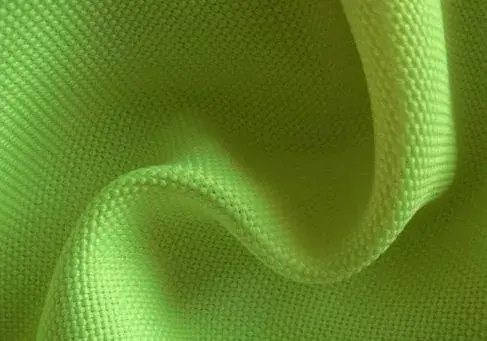
51. Mercerized wool
Glossy, delicate and soft, with strong hygroscopicity. It has good breathability, is comfortable and non-sticky, has a general warmth-keeping function and keeps the human body fresh, and has good heat resistance.
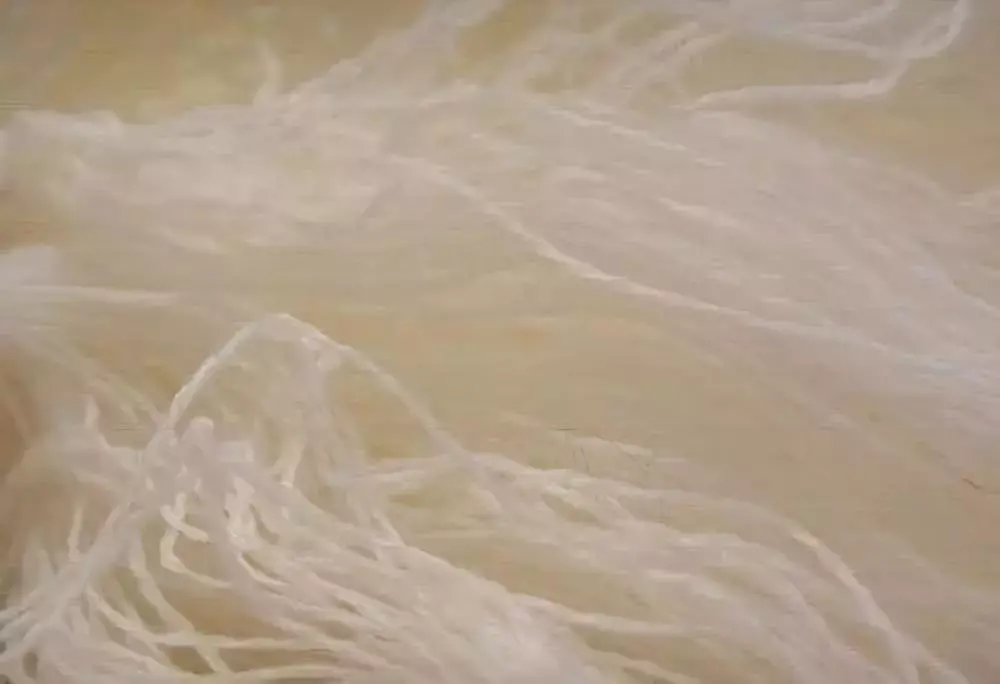
52. Wool viscose blended fabric
Has an appearance similar to pure wool fabric style and basic features, with a more refined appearance.
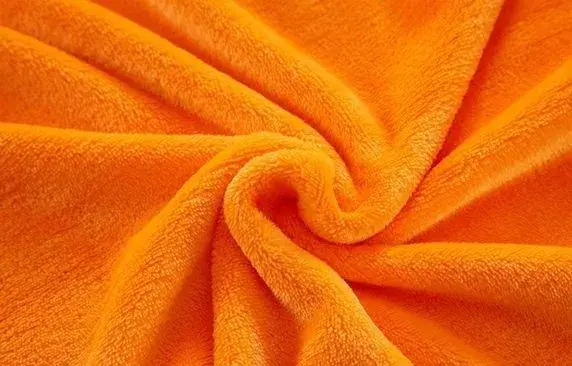
53, Tencel, linen blended fabric
The fabric feels plump, smooth and waxy, It has a silky luster, good drape, and is firm and comfortable.
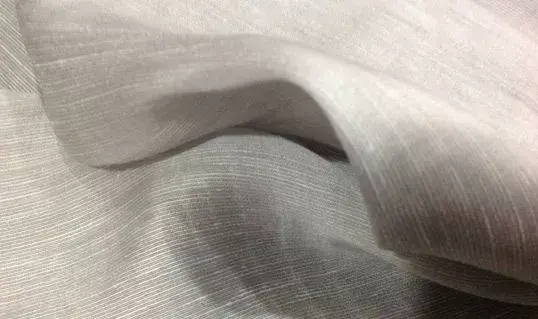
54. Polyester-cotton blends
can make up for the low hygroscopicity, breathability and comfort of polyester Its beauty is that it has a smooth appearance, thick feel, elasticity, solid durability and good shape retention.
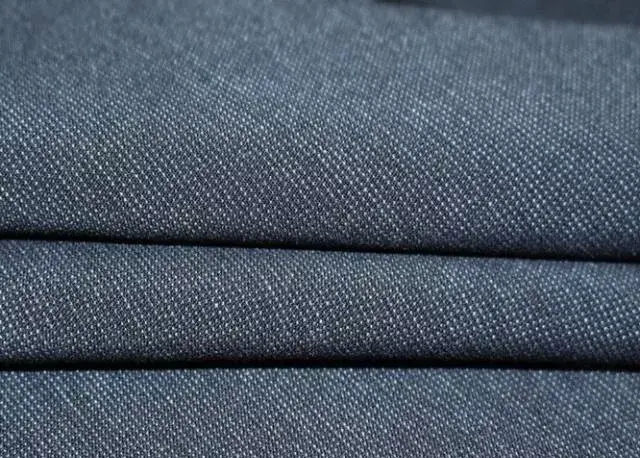
55. Polyester and silk blended fabric
It has both the softness and softness of wool type. Silk is smooth, soft and bright, crisp, easy to iron, durable. It is elastic and has less shrinkage than pure silk.
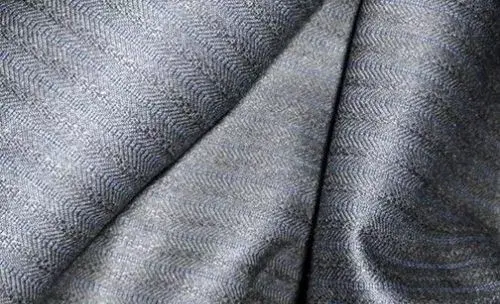
56. Polyester-viscose gabardine
Characteristics: crisp, easy to iron, and hairy Style and elasticity.
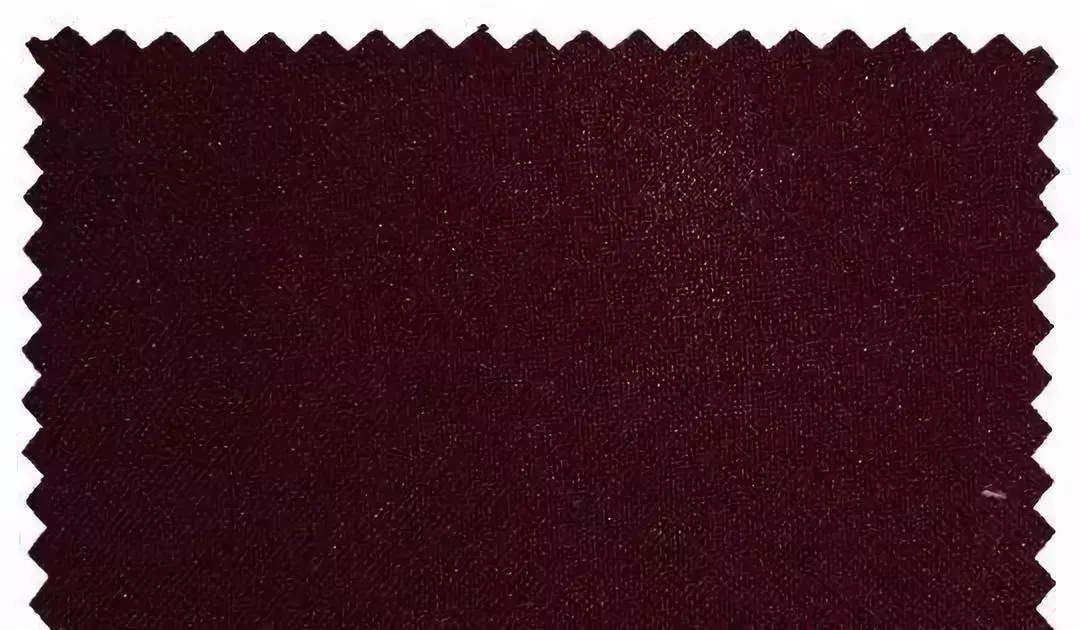
How about it? How many do you remember after reading it? Hurry up and collect it, get in touch with it and study it slowly
/20230128/1-23012QQ520594.jpg” class=”syl-page-img” style=”height: auto;”/>
54. Polyester-cotton blends
can make up for the shortcomings of polyester in terms of low hygroscopicity, breathability and comfort. It has a smooth appearance, thick feel, elasticity, solid durability and good shape retention.
55. Polyester and silk blended fabric
It has both the softness and softness of wool type. Silk is smooth, with a soft and bright luster, crisp, easy to iron, strong and durable. It is elastic and has less shrinkage than pure silk.
56. Polyester-viscose gabardine
Characteristics are stiff, easy to iron, hairy and elastic.
How about it? How many do you remember after reading it? Hurry up and save it, get in touch and study it slowly