
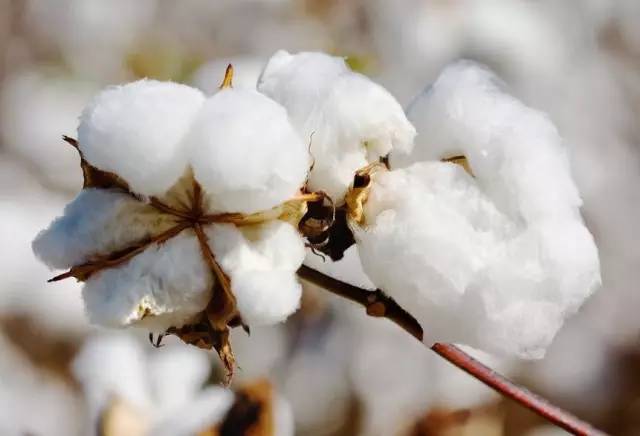
The difference between combed cotton and pure cotton
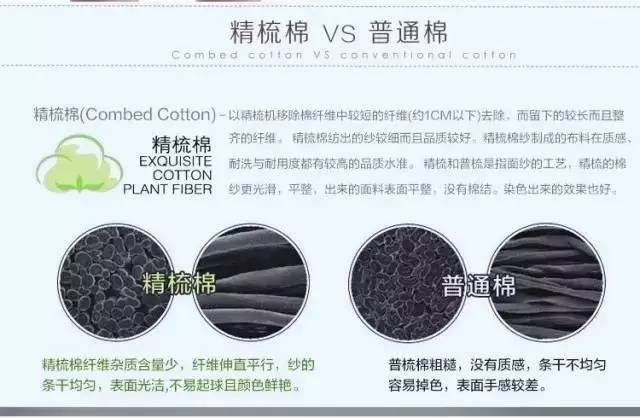
On the surface, there is no difference between the two types of cotton. The color is also white and looks soft and soft. Both pure cotton and combed cotton are originally made of cotton, so is there any difference in workmanship? After the editor made inquiries, an employee of a clothing factory told me. The characteristics of combed cotton are already different from those of pure cotton in terms of technology.
The difference between combed cotton and pure cotton. In terms of technology, combed cotton will clean out excess impurities during the production process, making the woven items look smoother and high-end. Compared with pure cotton, combed cotton is less prone to fluffing and pilling. Pure cotton clothes are good, but for many people, although cotton is not easy to pill, it is easy to shrink and deform.
As can be seen from the above, combed cotton fabrics are more comfortable and breathable than pure cotton fabrics. However, the difference between combed cotton and pure cotton is that pure cotton fabrics are more comfortable to wear and breathable. The cotton texture is more careful and of higher quality. The texture, washability, deformation and durability of combed cotton fabrics are much higher.
What is knitted cotton?
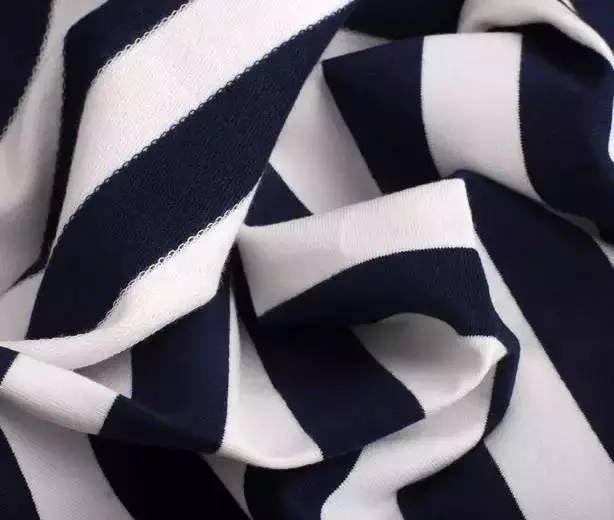
There are also many classifications of knitted cotton. Generally, knitted clothing fabrics on the market are divided into two types according to the production method. One is called longitude deviation and the other is called latitudinal deviation.
In terms of fabric, it is machine-woven cloth. Compared with other fabrics, knitted cotton has better elasticity, softer feel, and the fabric is also very breathable. There are also many patterns and varieties, they are easy to clean, and they are less likely to generate static electricity than sweaters.
The only disadvantage of knitted cotton is that the fabric is easy to dye. Therefore, when cleaning, you must pay attention to washing it separately from other clothes that are easy to discolor. In addition, although knitted cotton has good elasticity, it is also easy to deform, so you should also pay attention to its maintenance in daily life.
The difference between pure cotton and pure cotton
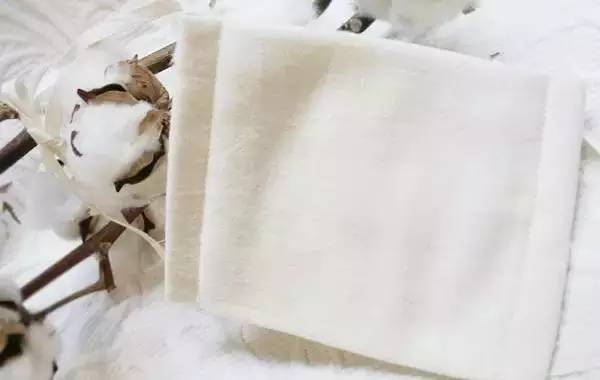
Pure cotton fabric is made of cotton and has a high cotton content and is comfortable to wear. When the cotton content is above 70%, it is called Pure cotton. When I saw 100% cotton when shopping, many friends had doubts about 100% cotton and pure cotton.
Cotton is a proper term for clothes and other fabric materials. Cotton clothes and cotton bedding are common. There are as many as 20 types including plain cloth, poplin, linen, twill, khaki, gusset, gabardine, Henggong, denim, Oxford cloth, chambray, linen, velveteen, corduroy, velvet, etc. Therefore, cotton means that the fabric is made of 100% cotton.
Pure cotton fabric is a textile made of cotton as the raw material and interwoven with warp and weft yarns. Cotton containing more than 75% cotton is pure cotton. It is divided into pure cotton yarn card, pure cotton poplin, pure cotton fabric and pure cotton fabric. There are more than 20 kinds of fabrics that can be subdivided according to type.
In fact, according to the above explanation of 100% cotton and 100% cotton, careful friends already know that pure cotton is 100% cotton, and 100% cotton is also pure cotton. A product containing more than 75% cotton can be called 100% cotton, so pure cotton and 100% cotton are the same in terms of cotton content. The difference is that the names or expressions are different. Pure cotton simply means that the fabric is 100% cotton, but cotton means that all the fabrics of the entire garment are 100% cotton.
Depending on different processing procedures and techniques, there are certain differences in the clothes produced. For example, pure cotton clothes are easy to wrinkle, while some 100% cotton clothes are not easy to wrinkle because of the different fabrics processed. That’s all it takes to find the difference!
The difference between knitted cotton and pure cotton
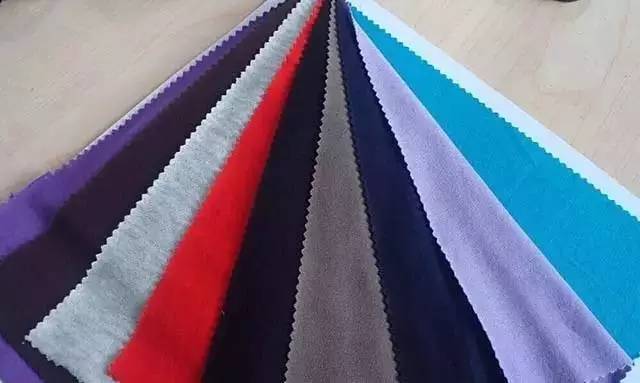
When buying a T-shirt, you will often see the fabric indicated as knitted cotton or pure cotton. For friends who don’t know the characteristics of fabrics, it must be easy to confuse two fabrics with “cotton” in them.
Knitted cotton looks like pure cotton. Cotton fibers have good hygroscopicity. Under normal circumstances, cotton fibers can absorb moisture in the air, which is why both knitted cotton and pure cotton make people feel comfortable when wearing them. But the heat resistance of pure cotton fabric is better. Due to the use of textile technology, knitted cotton has a smooth surface and is less prone to pilling than pure cotton.
Looking at the characteristics of the two fabrics: knitted cotton is characterized by good dyeability, high color brightness and fastness, and the wearing comfort and hygroscopicity are very close to pure cotton. The disadvantage is that it is not acid-resistant and has poor elasticity. Pure cotton is characterized by good moisture absorption and high wearing comfort.
In terms of material selection, there is no difference between the two fabrics. Knitted cotton is actually made of cotton thread through knitting technology. They are all made of cotton, and there is not much difference in wearing comfort and health. The difference is that knitted cotton has good dyeing technology. As for the quality of the dyeing process, it is another matter.
The above characteristics and advantages of the two fabrics illustrate that there is not much difference between knitted cotton and pure cotton. �The important differences are the dyeing process, durability and moisture absorption of the fabric. Both fabrics are made of cotton. Due to differences in craftsmanship and fabric surface, the difference is only in comfort and moisture absorption.
Will pure cotton shrink?

Good hygroscopicity, high moisturizing, good heat resistance, strong alkali resistance and good hygiene are the reasons why you are willing to buy pure cotton clothing.
Shrinkage is an inevitable disadvantage of pure cotton clothes. The general shrinkage rate is 2% to 5%. Of course, those that have been specially processed and washed will not shrink. If you buy pure cotton clothes that have not been specially treated, how should you maintain them to prevent or reduce shrinkage?
Because pure cotton has the disadvantage of shrinking easily, the pure cotton clothes you buy home must be carefully maintained. Only proper maintenance and washing can prevent or reduce shrinkage. Everyone should realize that incorrect use of hot water for washing will cause multiple shrinkage. Incorrect washing methods and incorrect drying methods will cause pure cotton clothes to shrink or shrink multiple times. All correct laundering care is the best way to reduce or prevent shrinkage of cotton.