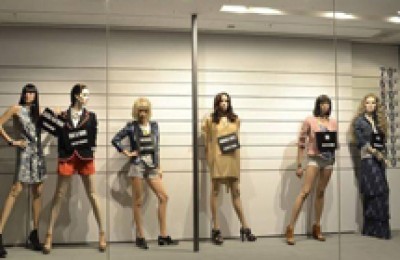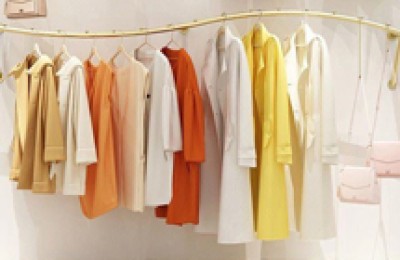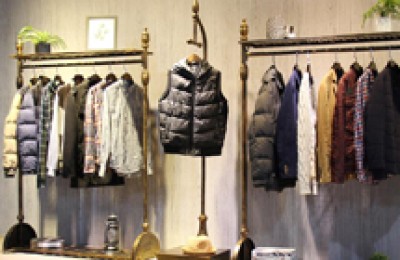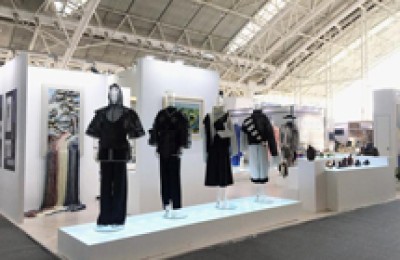

In today’s society, different groups of people wear different work clothes. A pink gauze dress embellished with feather ornaments will make the wearer dazzling at a ball; but if it is worn to flash around on the basketball court, it will be considered a performance art with a special purpose – wearing It is the change in the meaning of clothing caused by the environment. However, even if the general attire is regarded as “performance art”, it only represents personal preferences and emotions and can be tolerated by people; however, professional attire has subjective requirements and judgments for the environment, and its choice of environment must be Much more serious and prudent. Mainly manifested in the following five aspects:
a. The style has a low stretch range
The clothing styles of higher-status cities are even less conducive to large-scale movements. For example, workers in the workshop wear loose jackets that are suitable for activities, while managers outside the office can only wear tight sleeves and narrow chests. The waist circumference has a small amount of looseness. b. Use the highest quality fabrics and accessories
Except for some special industries and working environments, or the need to wear special work clothes that lead to uniform uniforms between superiors and subordinates, most work clothes can reflect the quality of the surface and auxiliary materials. Differences, for example, if professional uniforms are made of concrete spun woolen fabrics, manager uniforms will generally be made of all-wool worsted fabric. Staff uniforms are usually equipped with simple, inexpensive resin buttons, while manager uniforms are made of The selection of auxiliary materials and accessories will be more sophisticated, and the process requirements will be higher.
c. Fashion sense can be improved or reduced
This is a complex and ever-changing issue. The choice of fashion elements will vary depending on the professional characteristics of different industries. An obvious example: For groups with a high rate of product obsolescence due to fashion, the uniforms of superiors usually contain more fashion elements than those of lower-level employees, such as the IT industry or advertising industry; while the management of organizations with stable intrinsic product quality often have more fashionable elements in their uniforms than those of subordinates. Deliberately wearing conservative and outdated uniforms is to mark their long and orthodox bloodline or to show their increasingly profound professional skills, such as the manager of an orb sales company or the director of a financial company.
d. Clothing accessories convey clear grade difference information
Differences in clothing accessories such as ties, scarves, badges, epaulettes, and armbands are a direct reflection of the hierarchy of professional attire. These details have become signals that can help people accurately and quickly judge the wearer’s status in the group. Regarding identity and status, just look at the various badges on the uniforms of team members, security guards and government personnel to feel the magical power of these subtle details.
e. The color of clothing is more subtle
For example, ordinary waiters in a restaurant can wear red and green, while the colors of the foreman’s clothing are generally more simple and elegant, and most of them prefer cool and neutral colors. To reflect solemnity and credibility.
Tag: