
High-count cotton represents the fineness of cotton yarn. The higher the count of cotton yarn, the finer the yarn. The requirements are The better the quality, the more expensive the price. It is generally believed that yarns with a count of 40 or more are considered higher count yarns. Therefore, high-count cotton, both pure cotton and non-pure cotton, is better at anti-static. Only special materials can be completely anti-static.
High-count cotton is made of 100% cotton, no polyester cotton, no chemical fiber fabrics, generally 30-count, 40-count, 60-count, etc. For example, 30 pieces of 78*65 means that the latitude and longitude density in 1 square centimeter is 143 (78+65). 40 pieces of 110*90 represent 1 square meter
The longitude and latitude density in centimeters is 200 (110+90). The duvet covers of high-end bedding such as wool quilts, down quilts, etc. generally use 40-count 133*72 fabric to prevent lint from running away.
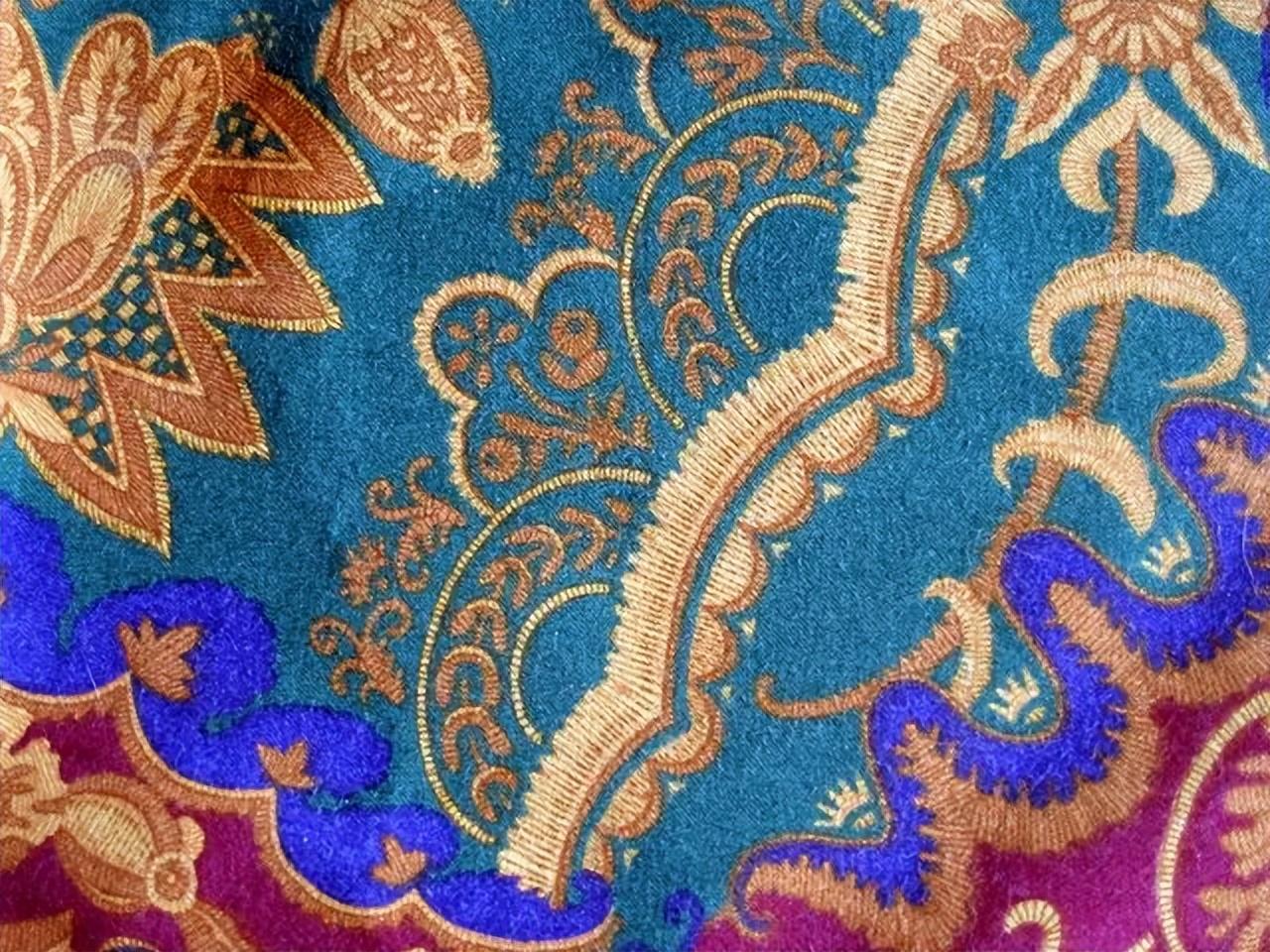
High count cotton fabric Shirts are comfortable to wear, soft, sweat-absorbent, and easily wrinkled, deformed, dyed or discolored. A high-quality shirt should at least be made of pure cotton. As a person who really knows how to dress, you should know what kind of cotton fabric is truly good.
The focus of good fabrics is the wearing life, washing life, visual appearance, wearing skin feel, etc. Various characteristics are expressed. The indicator of count can only affect the characteristics of raw materials at most, and the characteristics of raw materials are also affected by various indicators such as the number of strands and the weight. It is confusing to only use the count as the main parameter to measure the quality of fabrics. Audiovisual practices.
Count is a way of expressing yarn, that is, in a spun yarn weighing one pound (about 453.59g) under the common moisture regain condition (8.5%), The number of skeins with a length of 840 yards (about 0.9144 meters) per skein is the count. To put it simply, one pound of cotton is made into 40 pieces of yarn with a length of 840 yards per skein, which is 40 pieces; it is made into 60 pieces, which is 60 pieces. The larger the number, the finer the cotton yarn. Obviously, the higher the count, the higher the quality of the raw material (cotton) required for the fabric, and the higher the requirements for the spinners and weaving mills, so the cost of the fabric will be higher.
Density refers to the number of warp and weft yarns arranged per square inch. Common densities include 110*90, 128*68, 65*78, and 133*73, that is, 110 warp threads per square inch correspond to 90 weft threads, 128 warp threads correspond to 68 weft threads, and so on. Different from domestic 40-count and 60-count cotton, Egyptian cotton is divided into 200t and 500t. The larger the t number, the better the quality.
Fabrics also have several organizational forms, which are divided into: plain weave, twill weave, satin weave and satin weave. Different textures will also have different thicknesses and feel.