
We talked about acetic acid and cotton cloth earlier. Today we will take a look at another common fabric – linen.
Advantages of linen fabrics
As we mentioned in the last issue, cotton and hemp are both natural fibers, but hemp is the only bundled fiber among natural fibers.
Its function is similar to human skin, with natural properties such as skin protection and temperature regulation. Therefore, we sweat less when wearing linen fabrics.
The fiber of hemp is strong, soft and fine, with good color. Hemp is not easy to rot in water and has waterproof effect.
The water absorption function of linen is also several times faster than that of satin, rayon fabrics, and even cotton, which means that linen can absorb sweat better.
So wearing linen fabrics will feel very comfortable.
Some people may feel itchy when wearing linen fabrics. This is due to the lack of sand washing and washing them a few times will cause them to itch. Okay, the more you wash it, the softer it gets.
In addition, hemp also has unique advantages such as friction resistance, high temperature resistance, fast heat dissipation, not easy to tear, not easy to burn, and no static electricity.
Now do you know why hemp is so popular now?
However, we have talked about so many advantages of hemp fabrics, which does not mean that hemp is perfect. It still has several shortcomings. ▼
Just like its distinct advantages, the disadvantages of hemp are also obvious.
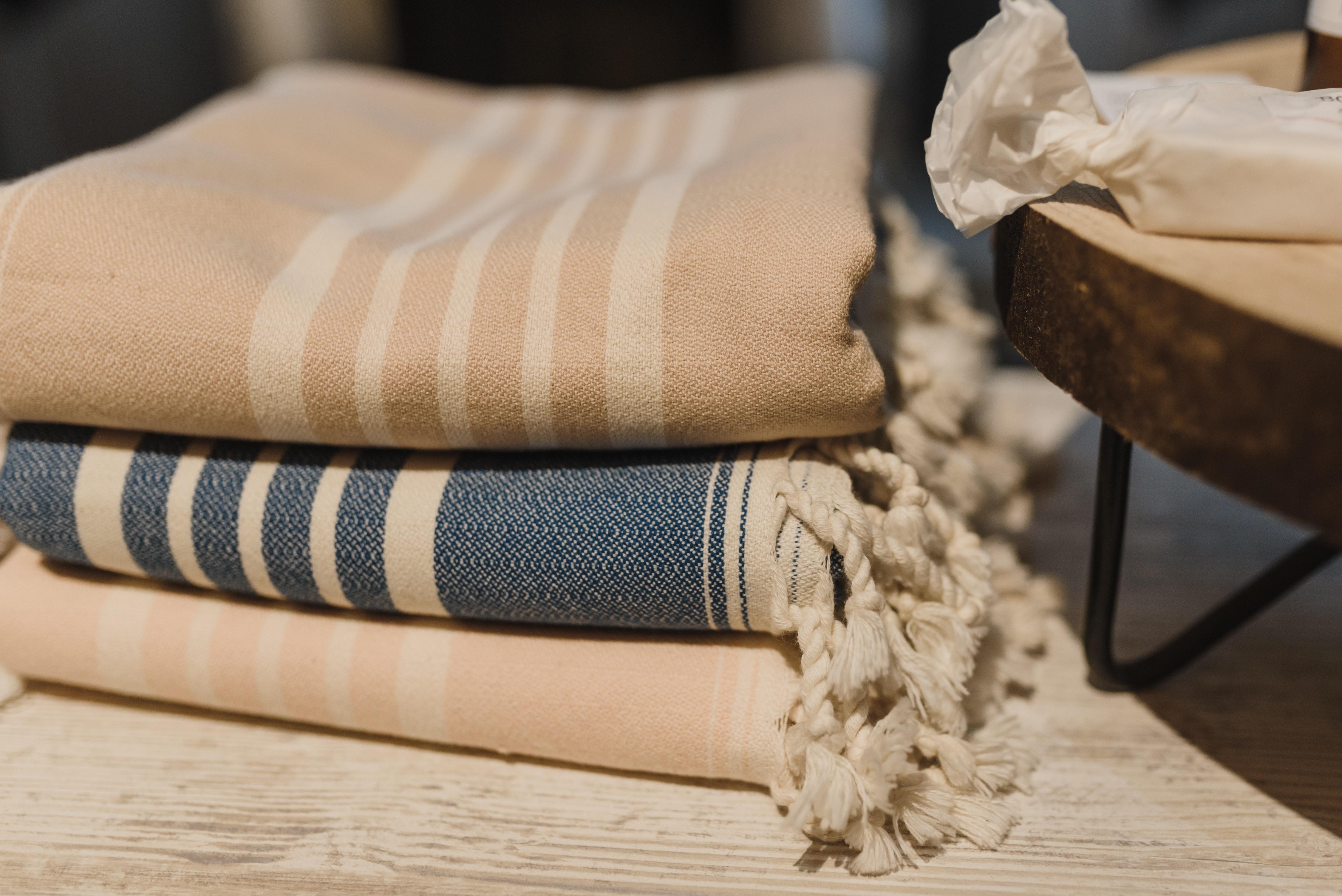
For example, linen feels rough, wrinkles easily, has poor drape, etc.
Line fabric classification
Just like there are many types of cotton, hemp also has different characteristics depending on the plant from which it is extracted.
Line fabrics are generally divided into two categories: pure linen fabrics and linen blended fabrics.
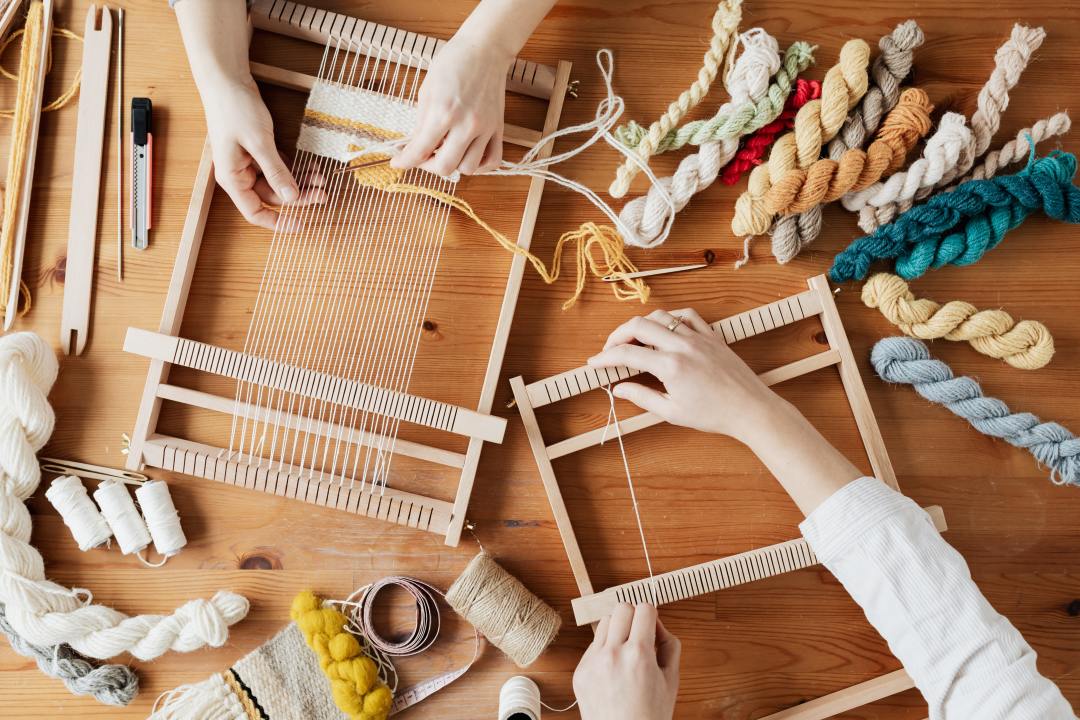
Pure linen fabrics are divided into three categories: linen fabrics, ramie fabrics and other linen fabrics.
As you can see from the name, linen fabric is processed from flax fiber and is divided into two types: original color and bleached.
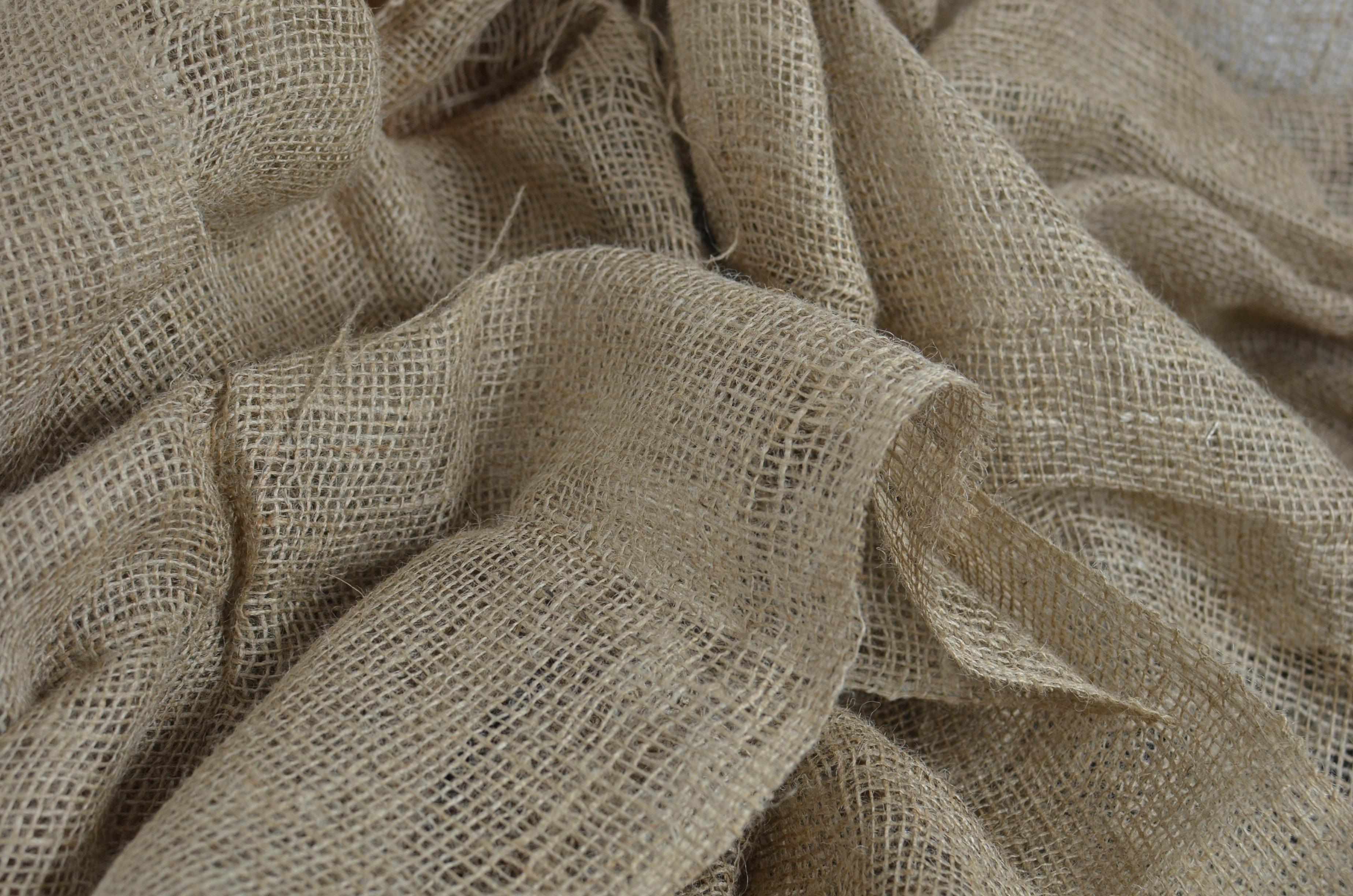
Original color linen has a natural color. Bleached linen has undergone bleaching, mercerization and other processes to make it softer, smoother, whiter and more elastic. .
Linen and ramie have become common fabrics for various summer fashions because they are flat and soft, cool to wear, and not close to the body when sweating occurs.
In addition to flax and ramie, common hemps include jute, sisal and abaca.
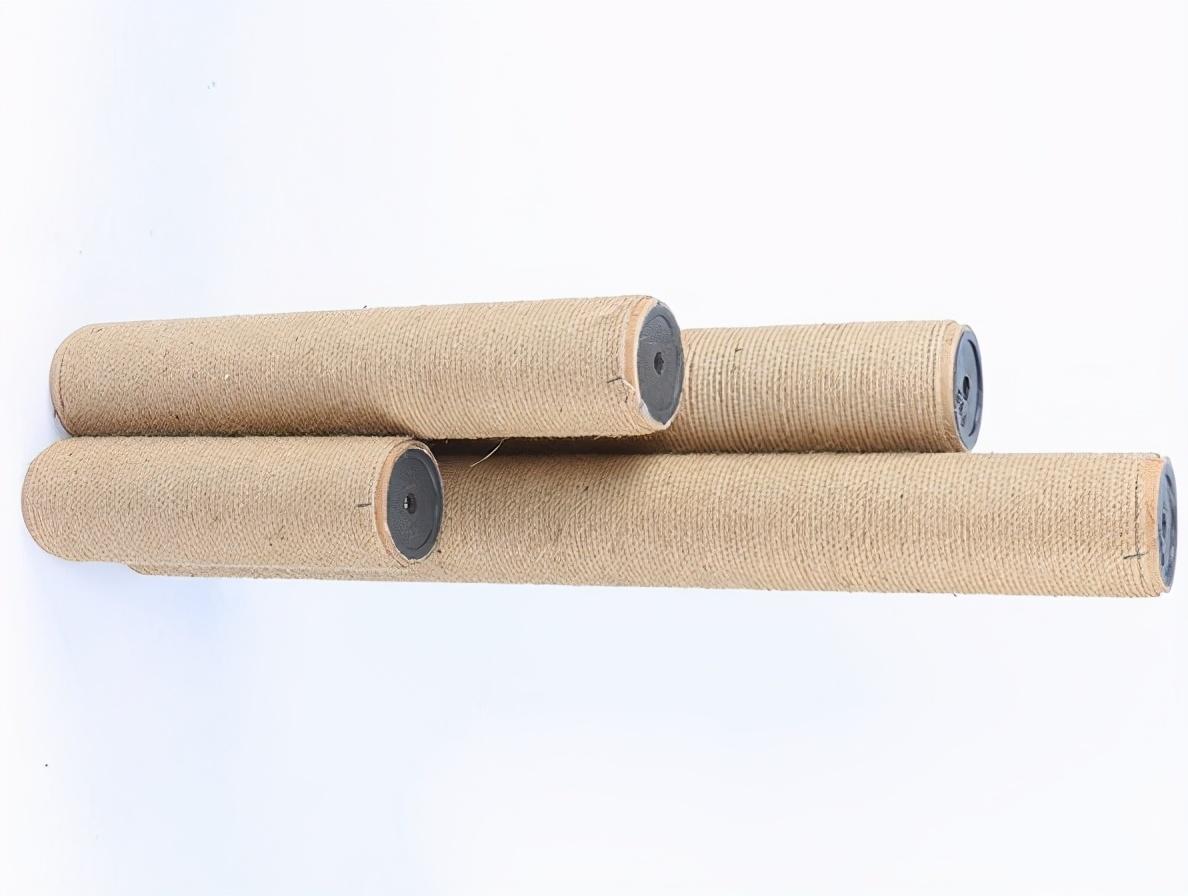
Anyone who has cats at home should have heard of sisal. Sisal fiber is tough, wear-resistant, salt-alkali-resistant, and corrosion-resistant, so it is basically used in industry.
Line blended fabric is a fabric blended with ramie, flax fiber and other fibers.
Among them, the thickness and length of fibers such as ramie, flax and apocynum are similar to cotton, so they can be blended with cotton, wool, silk or chemical fibers to enhance the performance of the fabric and reduce the cost of the fabric.
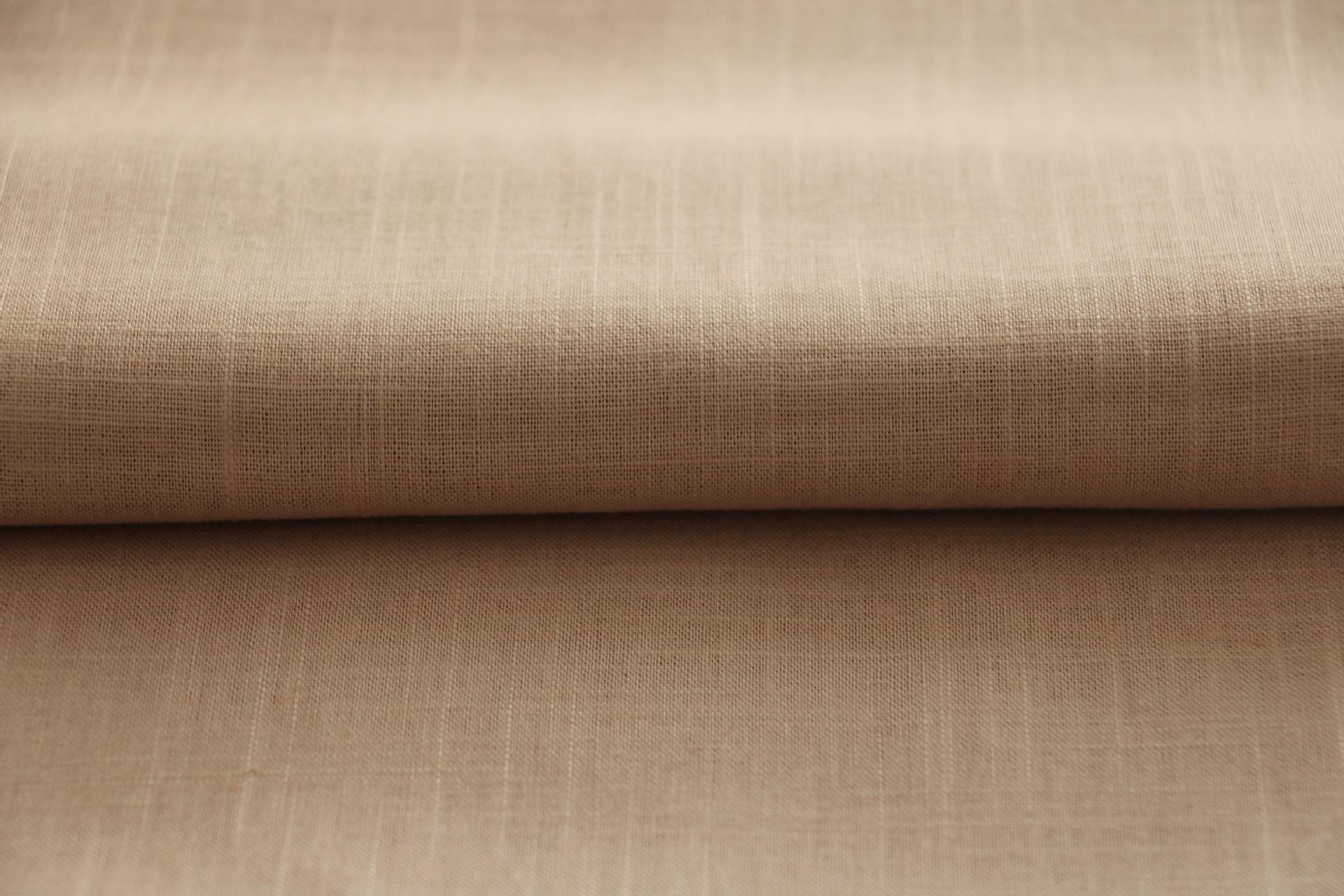
The most common is cotton and linen blended interwoven fabric, which retains the unique crisp style of linen fabric in appearance. , and has the soft characteristics of cotton fabrics, which improves the shortcomings of traditional linen fabrics that are not delicate enough and prone to fluffing.
Line fabric maintenance
Having said so many advantages of hemp, let’s now take a look at how to maintain hemp fabric clothing.
Hemp fiber is stiff and has poor cohesion, so it is gentler than cotton fabric when washed. If you are short of time and cannot wash by hand, it is best to put the clothes in a laundry bag and wash them in the gentle setting of the washing machine.
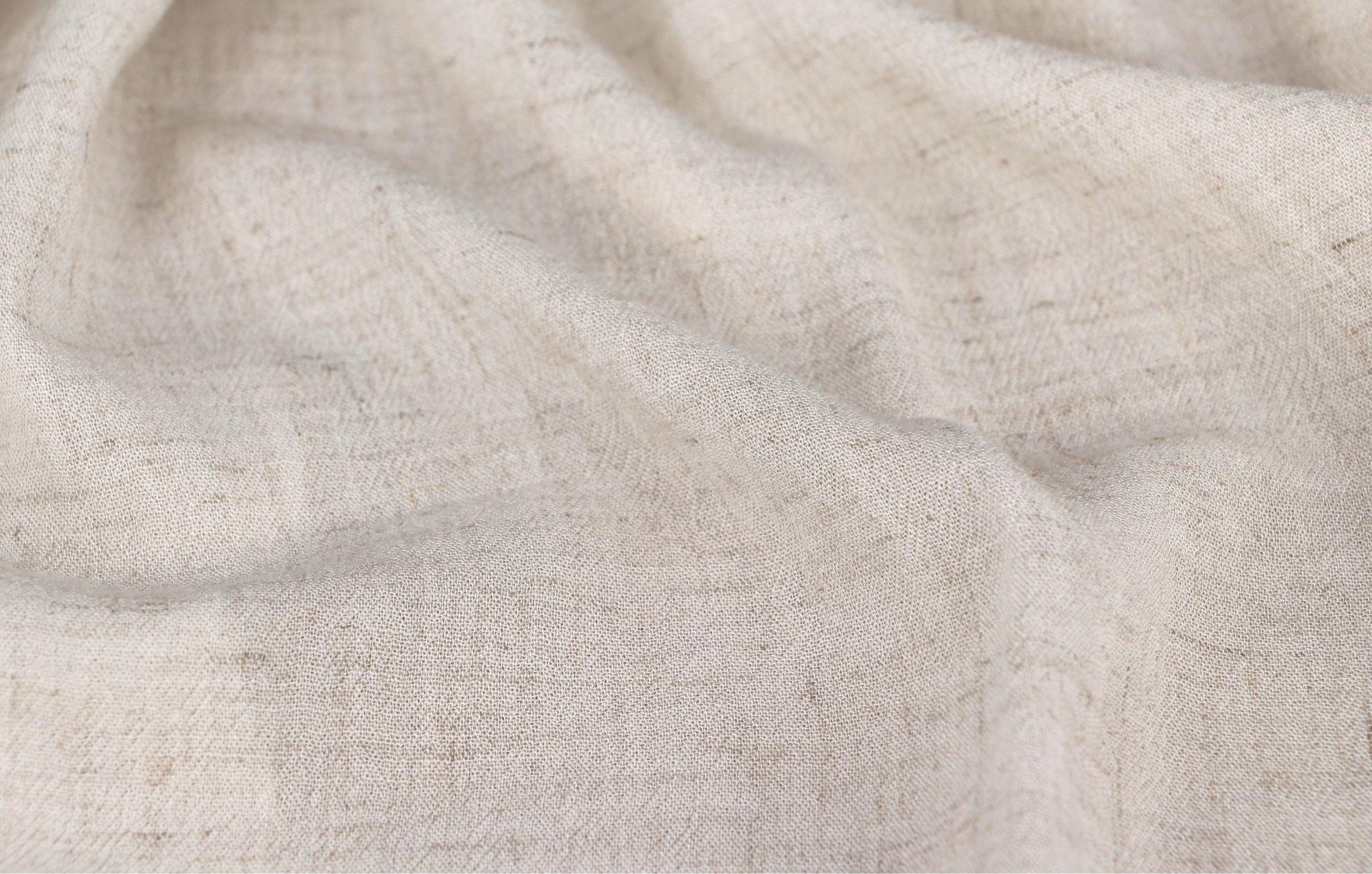
Do not use a hard brush or rub the linen fabric hard to avoid fluffing on the cloth surface. Do not wring it out hard after washing, and it will hang naturally. Drop it to dry.
Colored fabrics should not be soaked in hot water or exposed to the sun to avoid fading.