
Many people don’t know much about buying clothes. Most of them are about beautiful pictures, but in fact the fabric is also very important. Fabric is not only related to body feel, good fabric is actually more important than style. It can show a person’s taste.
So, what kinds of good fabrics are there? Everyone must have summarized these when buying clothes. Fabrics are roughly divided into: natural fibers, regenerated cellulose fibers and synthetic fibers.
But in fact, each type is quite sophisticated.
Natural fibers include: cotton, linen, wool, and silk. These are the four traditional natural fibers, which belong to plant fibers and animal fibers respectively.
Plant fiber is composed of cellulose and lignin arranged in an arrangement. It is generally afraid of acid but not alkali. Alkaline soap or neutral detergent can be used when washing.
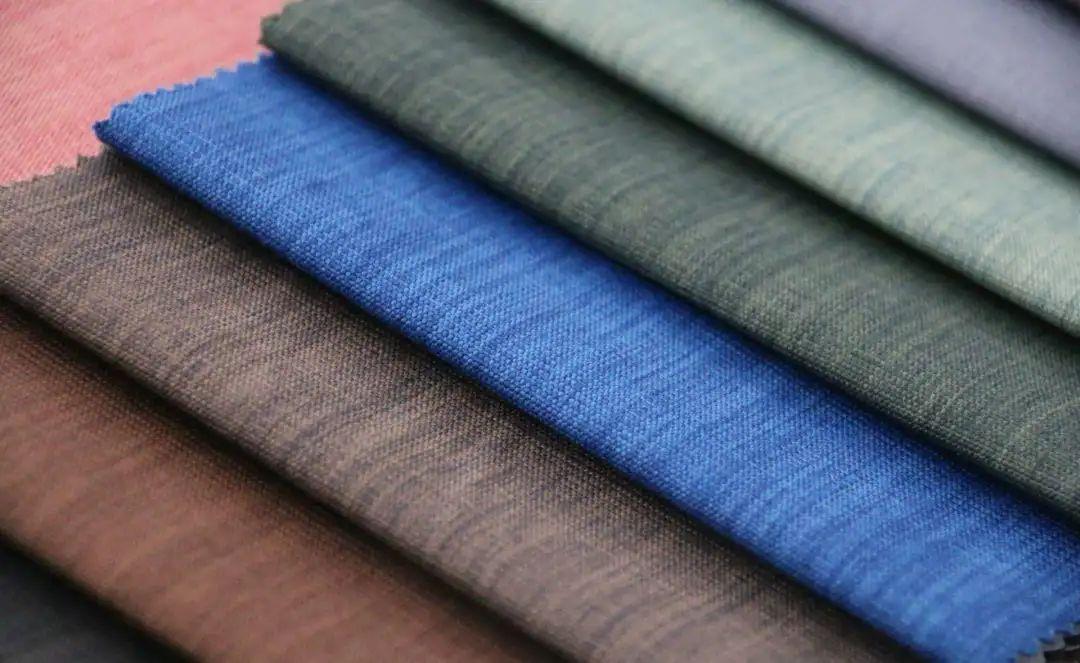
Animal fiber is mainly composed of protein and is easily denatured in acid and alkali environments. Therefore, animal fibers are not suitable for cleaning with acid and alkali detergents. It is best to dry clean or use neutral detergents. Detergent, and no bleach.
Cellulose fabrics such as cotton, linen, and wool are hydrophilic. During the dyeing process, they are affected by tension, causing skewing in form. After washing, , prone to swelling and shrinkage.
Plant fibers include cotton (CO), jute Jute, flax Flax/Linen, and ramie Ramie, each with its own advantages and disadvantages.
Animal fibers include wool fiber, silk (SE) and so on.
The second category is regenerated cellulose fiber. Regenerated cellulose fiber is a regenerated fiber made by chemical methods using natural cellulose as raw material.
In the US FTC fiber classification, any product that uses regenerated fiber molecules as raw materials and the hydrogen content in the hydroxyl group does not exceed 15% belongs to Rayon.
The third category is synthetic fibers; in synthetic fibers, there are many hydrophobic substances. Static electricity will be generated due to friction during wearing, and dust in the air will be attracted by static electricity, so Vulnerable to contamination.
Synthetic fibers generally include: nylon, polyester, acrylic, vinylon, spandex, and aramid.
Based on the above, good fabrics must take into account both comfort and texture. As for achieving these two goals at the same time, it depends on the individual, but one can advance “Thunderstorm”; “Silk products” are the hardest hit area in fabric fraud. China supplies more than 70% of the world’s silk production, but it is possible that you have never bought real silk.
So, it’s okay to buy other fabrics, but be extremely careful if you want to buy silk products.