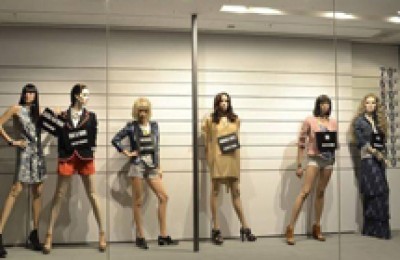

Nothing sells easier than a graphic tee. Graphic tees are a must-have for family gatherings, special events, and teams of all kinds. There is no shortage of both supply and demand in the graphic t-shirt industry, as shirts, sweaters, and other tops are an easy way to display information, art, or various or related phrases.
With such a wide range of possibilities and a plethora of graphic designers currently in the industry, you might think the process is easy. Surely making graphic tees and sweaters only requires some vague basics of graphic design, right?
This is far from the truth. On the one hand, this is a business, and those who wish to make a living designing and selling clothing must treat it as such. For example, they need to know where to buy blank t-shirts and wholesale crew neck sweatshirts in bulk at the best prices. What’s more, they have to make sure the clothes they order are durable and won’t fade or fall apart after the recommended three wash cycles. The same concerns can extend to the inks and paints used in designs. Finally, they must find the best shipping rates and track business expenses.
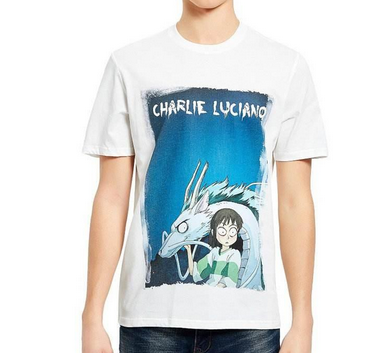
After you have organized all your business content, it’s time to get to work. Graphic design is a highly specialized industry that requires extensive technical skills and a keen eye for designing products and apparel. Whether a designer is self-taught or has a formal education, staying relevant in such a competitive market while knowing how to create a unique-looking sweater requires more effort and expertise than some might imagine. many.
Drafting and Design
One aspect of designing graphic t-shirts is knowing how to sketch and refine the design. Most designers will have an idea, make a quick sketch, and then work from the original sketch
10 to 15
thumbnails. While this sounds simple in theory, creating sketches that are easy to “read” (or understand) for an audience requires a deep understanding of balance and symmetry, shading and lighting, and often a thorough understanding of type.
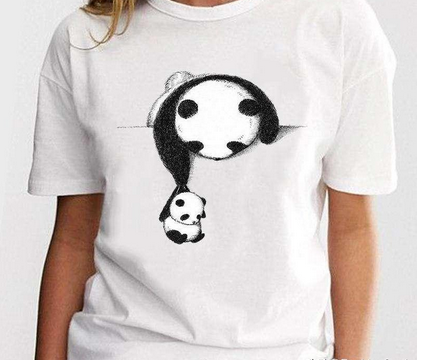
The science behind fonts, called typography, is a Techniques for properly formatting fonts, line spacing, and kerning. to open
Microsoft Word
Take the different fonts you see while waiting for the program as an example. Someone had to design every font style you see. The designer’s job is to understand how to imitate these font styles while finding ways to make the text look eye-catching and unique. Finding the right balance between a cleanly executed format and creative flourish can actually be a very challenging task.
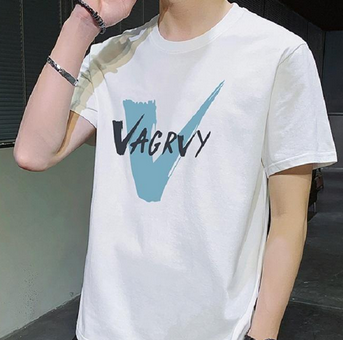
Once a designer creates something on paper, the design is usually Scan so that it can be scanned in a computer program such as
Adobe Illustrator or Paint Tool
Sai) further improved. Using these programs requires knowing how to properly use paths, layers, and other tools so that the design can be easily changed or manipulated when some color or text changes are needed. Without this step, the design usually won’t be as clean as needed for printing, so experience using these programs is a must.
Execute and print
Once we have the design properly formatted and saved, the next step is to print it on the shirt. There are a variety of printing processes you can use when making t-shirts, but it’s important to understand the textures and materials you’re printing on.
For example, sublimation is a process best suited for nylon and other synthetic materials, while the simpler Heat transfer printing can be used on white shirts to avoid discoloration. Printing may seem easy, but it still requires understanding how to operate different types of presses properly, and if the person controlling the screen doesn’t know how, this can go terribly wrong or result in shirts being printed incorrectly.
Direct-to-garment is another printing process. DTG
Works best on natural fibers like cotton, canvas or denim. The DTG printing process involves pre-treating the fabric and then using Direct-to-Garment
A specialized printer prints the design directly onto the fabric. If you choose this method, be sure to purchase the correct ink for your printer so print quality is not affected. For example, if you purchased an Epson
SureColor F3070, you will need to purchase F3070 ink and other consumables from a reputable retailer. Any deficiency may result in malfunctions and poor print quality.
These are just some of the graphics you need to know when printing
T-shirt design basics. If you feel discouraged, remember that every designer has to start somewhere. Although the design pattern T
It’s not a skill that can be mastered overnight, but it can give you hands-on experience in a job that encourages creative freedom. Ultimately, this is an area that requires a lot of effort, but the end result is satisfying!