
The definition of cupro fiber
Cupro fiber is a regenerated cellulose fiber. The English name is Cupro. It is made of loose Natural cellulose materials such as cotton linters are dissolved in a concentrated ammonia solution of copper hydroxide or alkaline copper salt to form a spinning solution, and then the regenerated cellulose fiber is obtained through the cupro-ammonia process. Because ammonia and ammonia are used in the manufacturing process It is named after copper hydroxide treatment.
Performance characteristics of cupro fiber
1. Good dyeing performance
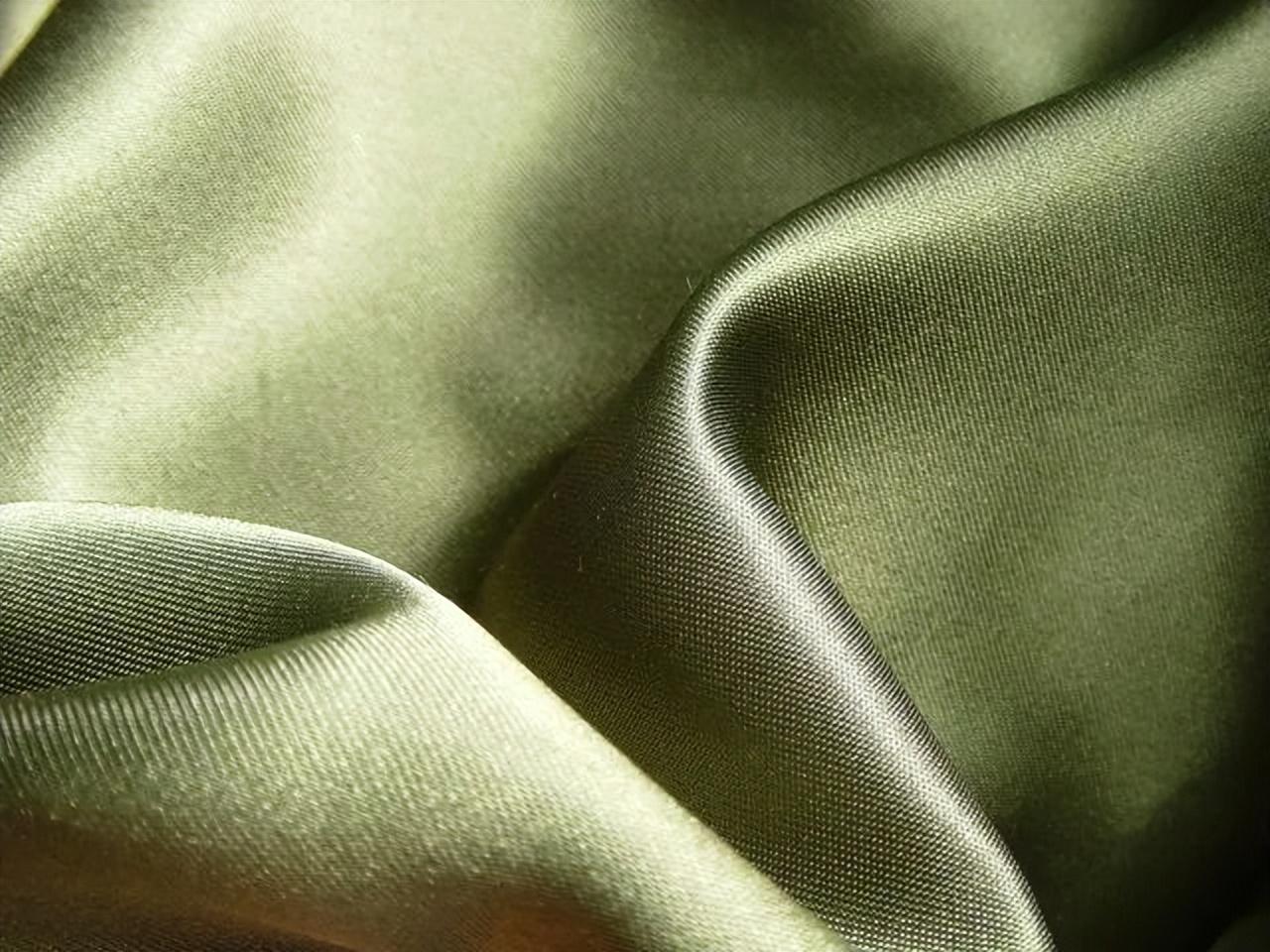
Dye used for viscose fiber can be used for cupro ammonia fiber, which has bright dyeing, good color fastness, high dye uptake rate, not easy to fade and good stability. Its fiber density is higher than silk, polyester, etc., and it has a drapey feel.
2. Good hygroscopicity
Can quickly absorb and discharge moisture emitted from the human body, suppressing the feeling of stuffiness and sticky feeling, and can be adjusted to a comfortable humidity. It has a high moisture regain and its hygroscopicity is close to that of viscose fiber. The official moisture regain is 11%.
3. Good stretch performance
Good tensile elasticity and compression elasticity, large elastic recovery rate, and good fiber fluffiness , the processed products have good elasticity, full hand feel, good stiffness and anti-wrinkle properties, good shape retention after washing, and good dimensional stability.
4. Good antistatic effect
High efficiency of moisture absorption and release, low resistance, more comfortable to wear .
5. Delicate feel
When cupro fiber comes into contact with human skin, it feels soft, delicate and silky. After washing, detergent is not easy to remain on the surface of the fiber. It is safe and harmless to the human body, has little skin irritation, and is soft and gentle to the skin. The processed imitation silk products have a soft luster, bright colors, elegant and unrestrained, smooth feel, and elegant style.
6. Good durability
Cupro ammonia fiber has an approximately circular cross-section, no skin-core structure, and the fiber can withstand height After stretching, the resulting monofilament is thinner, generally below 1.33dtex (1.2 denier) and up to 0.44dtex (0.4 denier). The surface is smooth and the friction with the skin is small. The processed products have greater resistance to deformation and bending.
7. More environmentally friendly
Cupper ammonia fiber is 100% cellulose fiber, which is green and environmentally friendly. Break down fiber. Its raw material is extracted from the short fluff of cotton seeds in cotton. Non-petroleum raw materials are used during the processing. In the natural environment, the finished products and waste are easily decomposed by bacteria in soil and water, and no toxic gases are released when burned. More environmentally friendly performance.
Cupramine fiber Washing and maintenance
1. Can be dry cleaned or washed.
2. Hand washing is required when washing. It is appropriate to use neutral or special detergent, and the water temperature should be controlled below 40 degrees. Rub gently or scrub with a soft brush. After cleaning, use white vinegar or diluted glacial acetic acid (concentration less than 2%) peracid.
3. Do not twist it hard after washing to prevent wrinkles from affecting the appearance. Do not expose to the sun, dry in the shade in a ventilated place.
4. When ironing, it is not advisable to press the iron directly on the cloth surface. Use a steam iron to avoid producing aurora and damaging the fabric.