
Cotton and its blended fabrics are both fabrics. Unqualified fabrics will cause serious losses to fabric and clothing buyers and retailers.
1 Classification according to raw materials
(1) Pure woven fabric Pure woven fabric is a fabric woven from a kind of fiber spinning. Such fabrics reflect the essential properties of the fibers that make up the fabric. For example: pure cotton cloth.
(2) Blended fabric Blended fabric is a fabric woven by blending two or more fibers into yarn. This type of fabric can reflect the performance of different fibers that make up the fabric and optimize its performance by changing its blending ratio to adapt to different needs of clothing. For example: polyester/cotton muslin.
(3) Interwoven fabric Interwoven fabric refers to a fabric woven from two sets of yarns with different raw materials or different structures. This kind of fabric can have different characteristics in the warp and weft directions, and can also have surface texture characteristics. For example: beautiful silk made of rayon for the warp and cotton for the weft.
2 Classification based on yarn structure
(1) Single yarn fabric Single yarn fabric is a fabric woven from a single yarn. This type of fabric has a soft hand feel and is easy to have a nap finish on the surface. For example: cotton velvet, voile, flannel, etc. This type of fabric is the largest in textiles, especially cotton fabrics. Some high-quality or high-strength cotton-type fabrics can be woven with full threads.
(2) Whole-thread fabric Full-thread fabric is a fabric woven from strands. These fabrics have a stiff feel and are strong and durable, such as all-over khaki.
(3) Half-thread fabric Half-thread fabric is a fabric interwoven with single yarns and strands. Most of this kind of fabrics are made of strands in the warp and single threads in the weft, which reflects the high strength and stiffness of the fabric in the warp direction, such as semi-khaki.
(4) Filament fabric Filament fabric is a fabric woven from natural fiber filaments or chemical fiber filaments. This type of fabric feels soft, smooth, bright and shiny, does not lint or pill, has high tensile strength, is light and elegant.
3 Classification according to the structural characteristics of fabrics
According to the structural characteristics of fabrics, there are mainly woven fabrics, knitted fabrics and non-manufactured fabrics. The fabrics that are treated with resin are mainly woven fabrics.
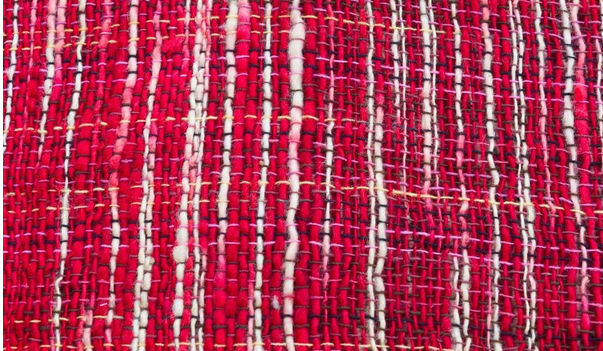
Woven fabric is a fabric made of two sets of mutually perpendicular yarns (warp yarns and weft yarns) interwoven. The characteristics of this kind of fabric are that it has a relatively tight structure, is not easy to fall apart, is easy to cut, has a smooth surface, and has small warp and weft stretch deformation. It is convenient for surface coating, cladding, and hot-pressing shaping. It is a variety of functional fabrics. Ideal backing material. Due to the changes in the raw materials, structure, density, color matching and fabric structure of its interwoven yarns, it can form a variety of different appearance styles and is the most commonly used fabric type in clothing outerwear fabrics. According to its fabric structure, it can be divided into: plain weave fabric, twill weave fabric, satin weave fabric, small pattern fabric, jacquard fabric and fleece fabric, etc.
4 Logo of cotton textiles
The common characteristics of cotton fabrics are good moisture absorption and breathability, easy to clean, less static electricity, soft hand feeling, It is casual and comfortable to wear; its disadvantages are poor elasticity, easy to wrinkle, poor ironing resistance, and poorer fastness than synthetic fiber fabrics. Cotton fabric can be divided into plain weave, twill weave and satin weave according to fabric weave.
(1) Plain weave: Cotton plain weave is a general term for plain weave cotton of various specifications. These include various cotton plain weaves with plain weave and plain weave variations, different specifications, and different styles. Such as: coarse plain cloth, medium plain cloth, fine plain cloth, gauze poplin, half-line poplin, full-line poplin, linen yarn and brushed plain cloth, etc. 65 kinds.
(2) Twill fabric: Cotton twill fabric is a general term for cotton fabrics with various specifications of twill weave. These include various cotton twills with twill changes, specifications, and styles. For example: yarn twill, yarn twill, half-thread twill, yarn khaki, half-thread khaki, full-thread khaki, brushed twill, etc., a total of 44 types.
(3) Satin weave cloth: Cotton satin weave is the general name for satin weave cotton cloth of various specifications. The base includes various cotton sateen fabrics with satin and satin changes, different specifications, and different styles. For example: Shazhigong, Half-line Zhigong, Henggong, etc., there are 9 types in total.