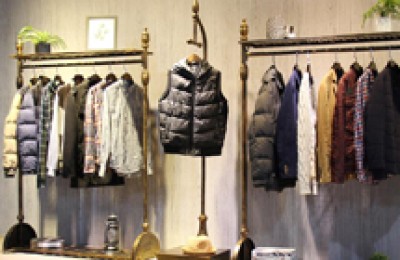

When purchasing mulberry silk fabrics, we often see descriptions such as “30mm heavyweight plain crepe satin shirt” and “14mm 100% mulberry silk scarf”, then What is the relationship between mmi number and mulberry silk fabric? The larger the mm number, the better the fabric?
In addition to the type of fabric, the momi number is also an important indicator we use to measure the quality of mulberry silk fabrics. Simply put, millimeter is the unit for measuring fabric weight. The calculation method is as follows:
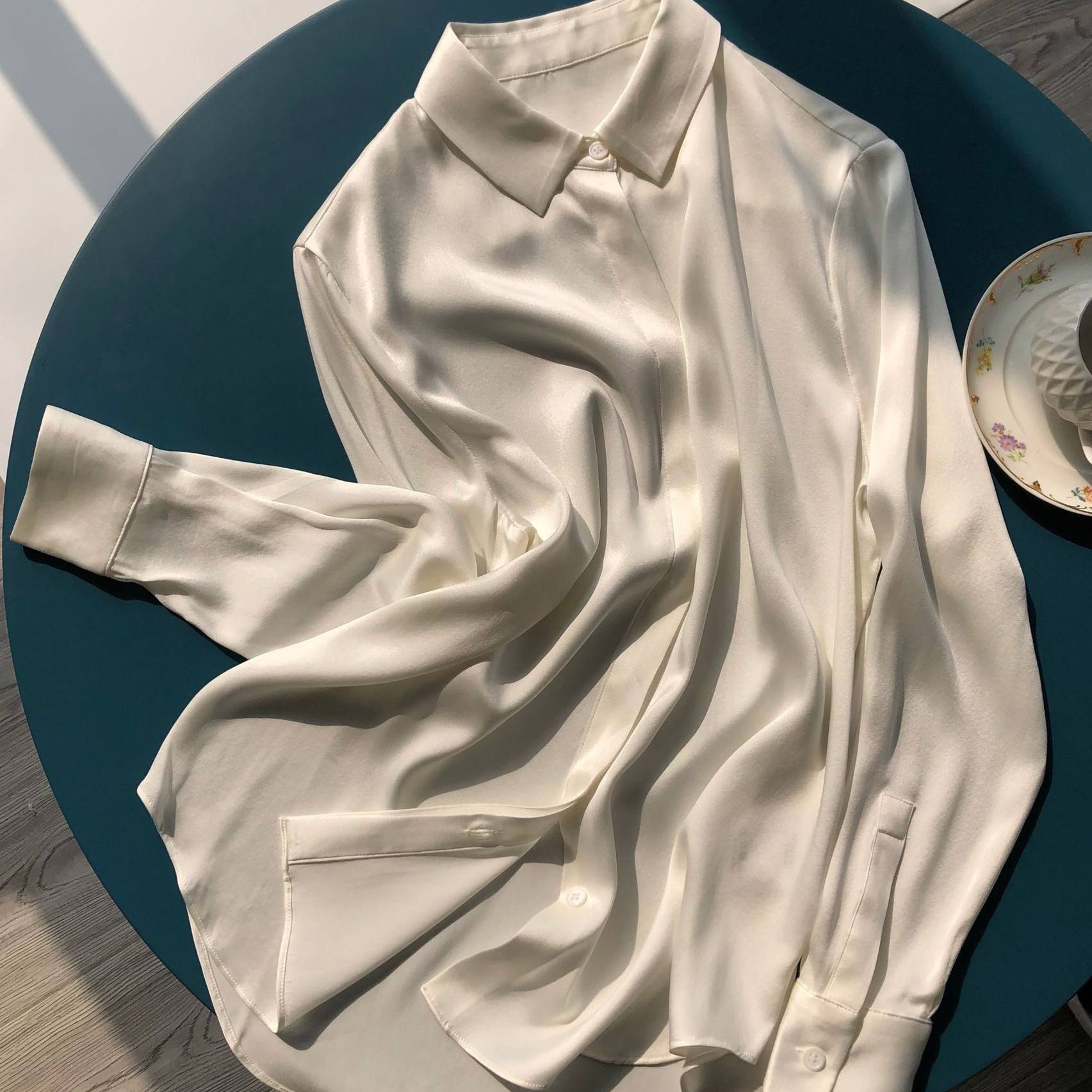
1 mmi=4.3056 grams/square meter
Assuming that the width of a material is 1.40 meters and the weight per meter is 100 grams, then the number of millimeters of this piece of material can be calculated: 100/(1.40*1)/4.3056≈16 millimeters
But this calculation method is only suitable for calculating fabrics. It is not practical or necessary to use this method to calculate the momi number of a piece of clothing. We only need to understand the momi number as thickness. . When the fabric type is the same, the larger the millimeter number, the thicker the fabric and the better the quality.
But when it comes to choosing mulberry silk fabrics, you must not blindly pursue high millimeters. For example, the texture of a 30mm heavy plain crepe satin shirt must be better than that of a 16mm plain crepe satin shirt, but if you wear a 30mm shirt in summer, you will definitely feel stuffy. This is something that the good breathability and moisture release properties of mulberry silk cannot make up for.
So generally speaking, you should choose thinner fabrics in summer, 16~19mm is suitable, and thicker fabrics 25~30mm are suitable in winter. You can choose the right material according to the climate.
In addition, a larger momi number also means a more expensive price, so everyone should consider more when choosing.
The common millimeter applications of silk (mulberry silk) fabrics are as follows:
1. Shirts
Silk Shirts need to be made of fabrics of at least 19mm. Relatively speaking, ready-made clothes must not only ensure quality but also take into account the elegant and soft characteristics of silk clothing.
2. Pajamas
Silk pajamas are commonly made of 16, 19, and 22 mmi fabrics, among which 19 mmi The fabric is most suitable for making pajamas, with moderate thickness and the best feel
3. Silk scarves
Generally, silk scarves are Using silk fabrics of 12 to 14 mmi, the ones sold in physical stores in shopping malls and online flagship stores are basically 12 and 14 mmi. 12~14mm silk is suitable for making silk scarves that are both soft and elegant.
If it is a large square scarf, it is suitable to use 16mm silk fabric, because the large square scarf is used as a shawl and sun protection, and it is better to be slightly thicker.
4. Silk eye masks
Silk eye masks generally use 14, 16, and 22mm silk fabrics. Because the eye mask has the function of blocking light and is mostly used during sleep, the 22 Mumi has the best texture, but it may feel a bit oppressive due to its heavy weight.
5. Four-piece bed set
The most common ones are usually made of 16, 19 or 22mm silk crepe satin of. Heavy industry ones are also made of 30mm.
Because sheets bear the weight and friction of people every day, and need to be replaced and cleaned frequently, 22 mmi has the most moderate texture, and overall the best thickness, so it is the most recommended.