

Winter is getting colder and colder. In order to travel warmly, both men, women and children will stock up on a few pieces of light and warm thermal underwear.
The ideal thermal underwear should be like this: skin-friendly and warm, moisture-absorbent and breathable, non-static, not easy to pill, and the sweat produced can be discharged in time to keep the body dry and comfortable. What can determine these effects is the fabric of the clothes.
What materials are thermal clothes made of? How to choose different materials?
01-
Characteristics of different thermal clothing materials
At present, the main fabrics of thermal underwear include wool, cashmere, cotton, acrylic, modal, viscose, polyester, spandex, nylon, etc. Each of these fabrics has their own advantages and characteristics.
1. Cashmere: delicate and soft, moisture-absorbent and breathable with good thermal insulation effect. It can be said to be an impeccable thermal insulation material, but the price of high-quality imitation pure cashmere sweaters is also relatively high. Expensive, ranging from thousands to tens of thousands.
2. Wool: The thermal insulation effect is also very good, but if the wool count is low, it will feel itchy when worn next to the body, and high-count woolen sweaters are generally more expensive. high.
3. Acrylic fiber (polyacrylonitrile fiber): The thermal insulation effect is second only to cashmere and wool. The essence of “Germany” that has become popular in recent years is acrylic fiber. However, acrylic fiber has poor moisture absorption and breathability, making it difficult to discharge sweat and easily generate static electricity.
4. Cotton: good thermal insulation effect. However, because it has good hygroscopicity but poor moisture removal, it can easily make people feel clammy after sweating. Some pure cotton thermal clothing will have the fabric brushed to enhance the thermal insulation effect.
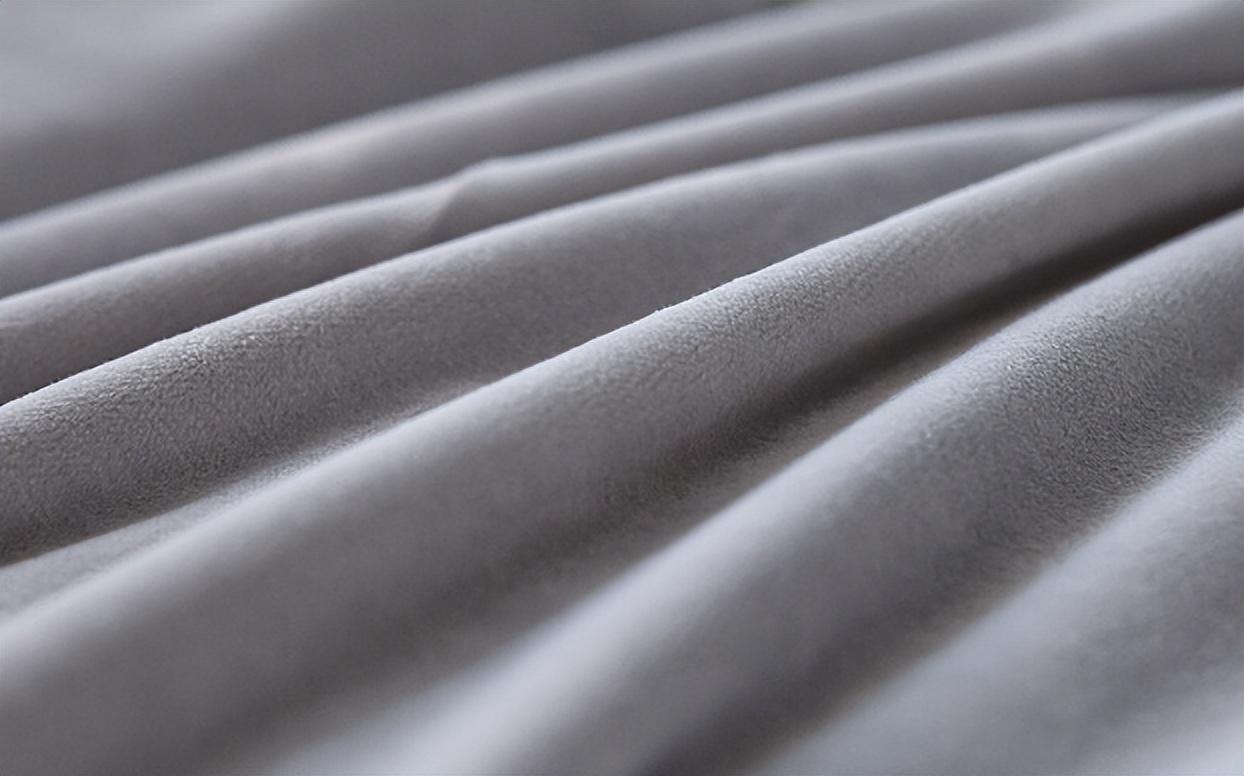
5. Regenerated cellulose fibers such as modal and viscose: poor warmth retention, but very good moisture absorption and breathability, and high comfort.
6. Polyester (polyester fiber): The thermal insulation effect is also good, but it has poor moisture absorption and breathability and is prone to static electricity. Its biggest advantage is that it has good acid and alkali resistance and is washable. Wear-resistant and relatively affordable, you can buy it on e-commerce platforms for around 50 yuan.
7. Spandex (polyurethane fiber): The thermal insulation effect is average, and the biggest advantage is its good elasticity.
8. Nylon (polyamide fiber): Nylon has the worst warmth retention among these materials, but its comfort is higher than polyester fiber and spandex, which is the biggest advantage It is wear-resistant and not easy to pill.
The advantages and characteristics of several materials are summarized as follows:
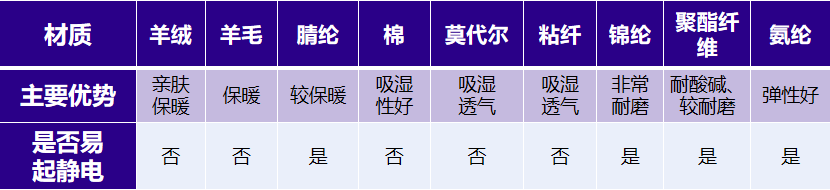
Understand the characteristics of different materials, next Let’s take a look at how to choose between thermal clothing made of different materials.
02-
How to choose Thermal clothing that suits you?
1. Choose from different budgets
With a budget of around 1,000, you can buy high-count wool sweaters and cashmere sweaters that are both warm and comfortable;
With a budget of around 500, you can buy cashmere and wool blend sweaters;
With a budget of around 500, you can buy cashmere and wool blended sweaters;
p>
With a budget of around 150, you can buy pure cotton brushed fabrics and acrylic blended fabrics;
With a budget of around 50, you need to be economical and warm. Then buy polyester fabric.
No matter what material the thermal underwear is made of, since it is close-fitting clothing, it is best to buy one with a safety level of B or above.
2. Choose from different physiques
People with cold hands and feet who are afraid of the cold: choose cashmere, Wool, brushed cotton, acrylic blends, plush/brushed polyester fabrics.
People who love sports and sweat easily: choose viscose, modal, and nylon blended fabrics to keep warm. It is not recommended to choose acrylic and velvet materials. Most of the velvet layers are polyester. Ester fiber has poor moisture absorption and breathability.
Elderly people, people with dry skin, and people who are afraid of static electricity: choose cashmere, wool, cotton, modal, and viscose materials.
People with sensitive skin: You can choose fine imitation cashmere, pure cotton, viscose, or modal fabrics.
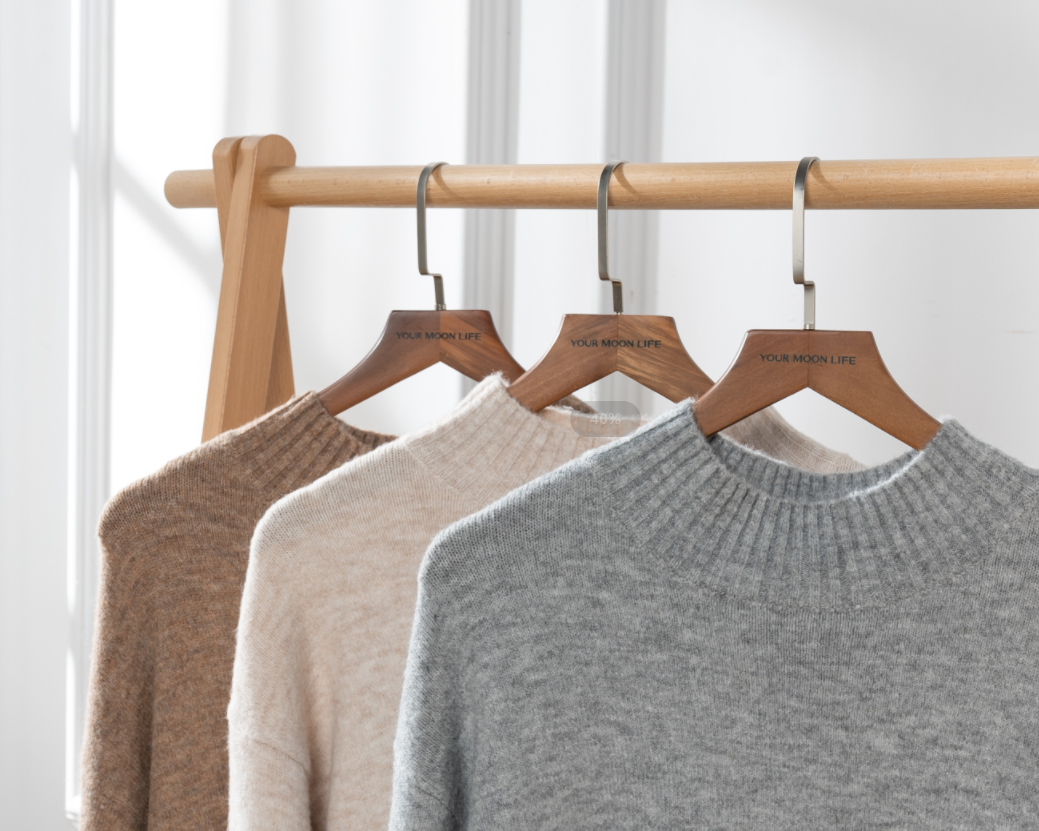
3. Choose blended fabrics
In addition to pure cotton, pure cashmere sweaters, and pure wool In addition to shirts, thermal underwear made of other materials are basically blended from different materials. Therefore, when buying thermal clothing, you should pay attention to the product parameters and the ratio of different fiber materials on the product ingredient label/wash label.
No matter what kind of material is blended, the more comfortable and reasonable ratio should be: more than 40% of materials with good warmth retention properties (such as cashmere, wool, acrylic) + 30% The left and right materials with good hygroscopicity (such as cotton, viscose, modal), and the remaining 30% can be blended with any other material. For example, to increase the elasticity of the clothes, a certain proportion of spandex can be added.For wear resistance, acrylic and polyester fibers can be used. To improve comfort and texture, silk can be added…
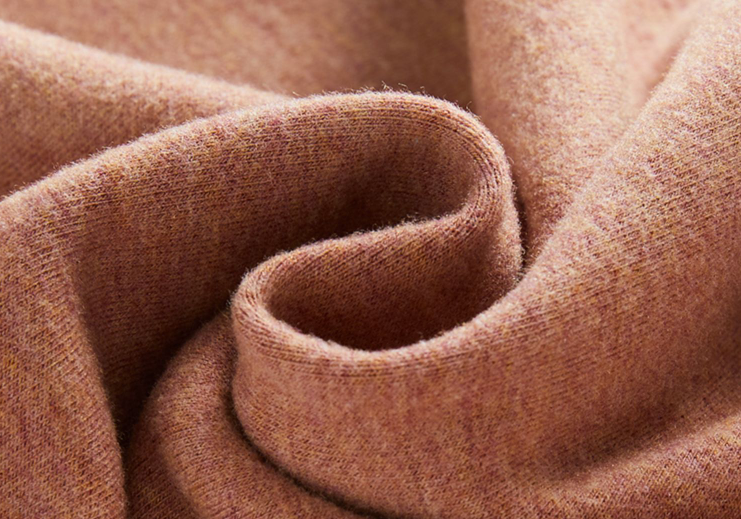
Blended fabrics with such a ratio , which not only ensures the thermal insulation effect, but also absorbs moisture and is breathable, improving comfort and making the clothes closer to the body and warmer.
The same is true for dressing more fashionably and comfortably in winter. The innermost layer should have good moisture absorption performance, the second layer should keep warm, and the outermost layer should be windproof. You can spend the whole winter warm.