
Everyone has clothes, right?
The question is, apart from the brand, is there any other way you can know the material of the clothes? There are only a few types of clothing materials currently on the market, such as silk, pure cotton and polyester. It seems that which fabric is the best?
Some people will say that of course it is a natural fabric, and artificial synthesis is not good, but it is not the case!
Let’s rank everyone!
S level fabric: triacetate fabric
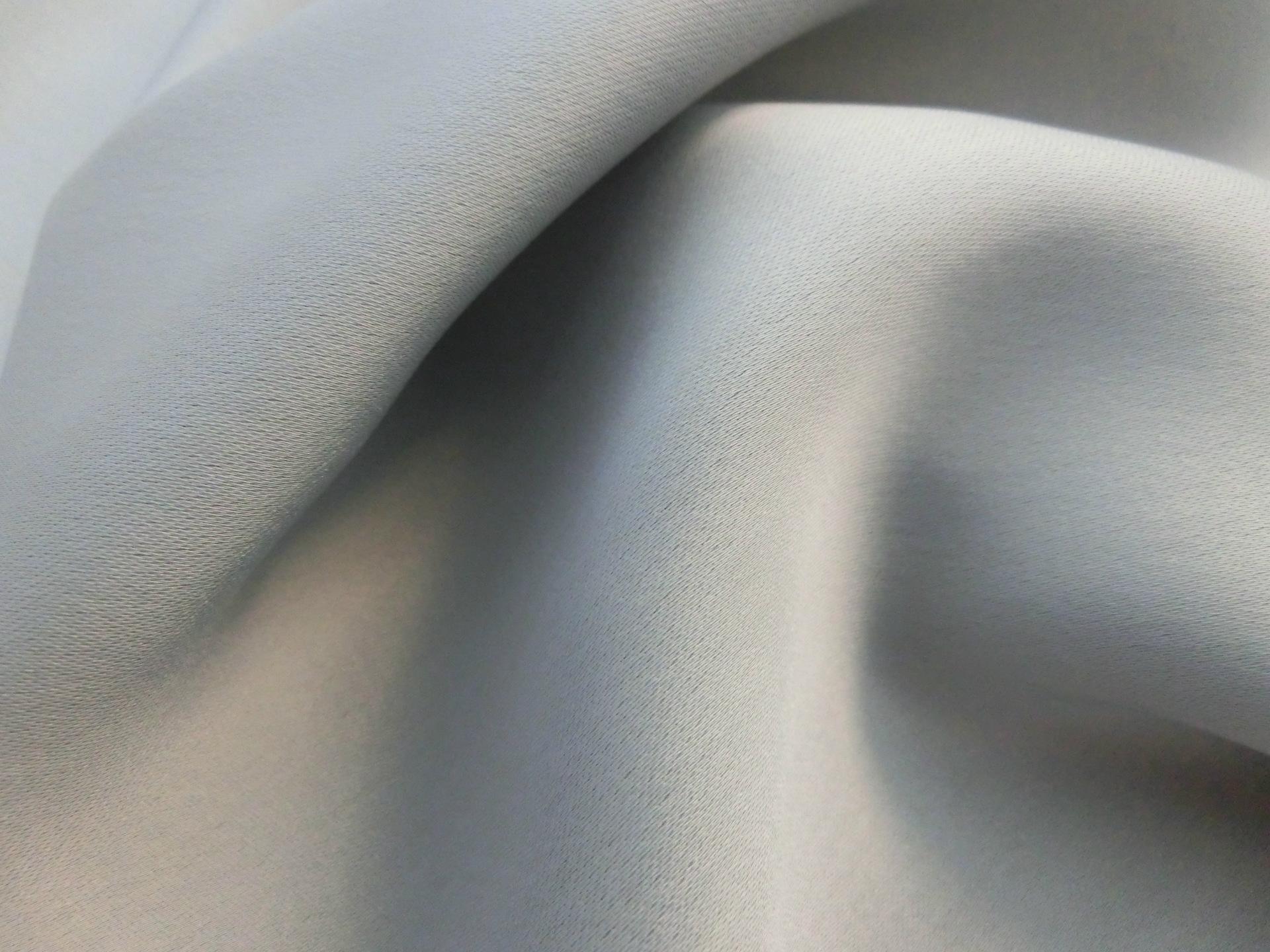
Acetate fabric, commonly known as acetate cloth. It is a new type of fabric invented by Japan’s Mitsubishi Chemical Company that combines nature and high technology. It is a semi-synthetic fiber made of natural wood pulp. Acetate fiber, which belongs to the man-made fiber family, is manufactured using advanced textile technology. It has bright colors, bright appearance, smooth and comfortable touch, and its gloss and performance are close to mulberry silk.
And it has a variety of properties that surpass cotton and linen fabrics, such as moisture absorption and breathability, sweat-free, easy to wash and dry, mildew-free, and comfortable against the skin. Environmental protection and other characteristics.
A-level fabric: natural silk
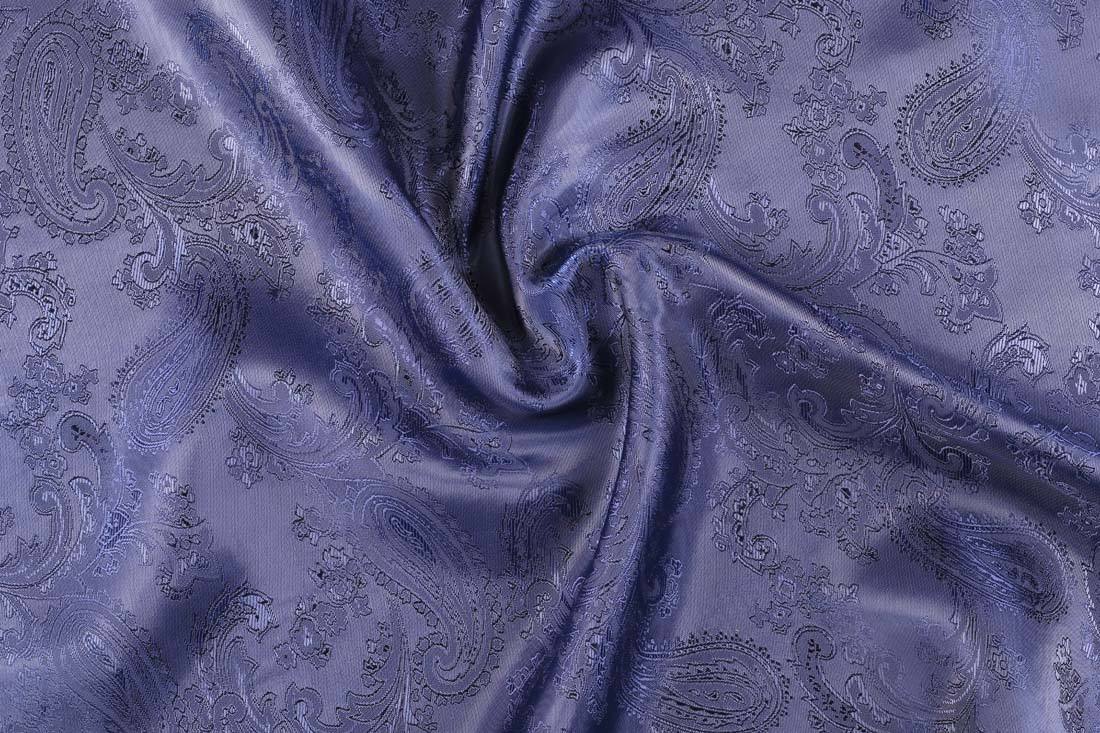
Silk fabric is pure mulberry silk fabric, which has a long history A kind of fabric, the origins of silk can be traced back to the Neolithic Age 5,000 years ago. During the Shang and Zhou dynasties, varieties such as Luo, Qi, brocade, and embroidery appeared. After the Qin and Han Dynasties, silk production formed a complete technical system.
But until now, the price of silk fabrics has been very expensive. The reason is that it feels soft and light, has bright colors, and is unparalleled in skin-friendliness.
B level fabric: wool
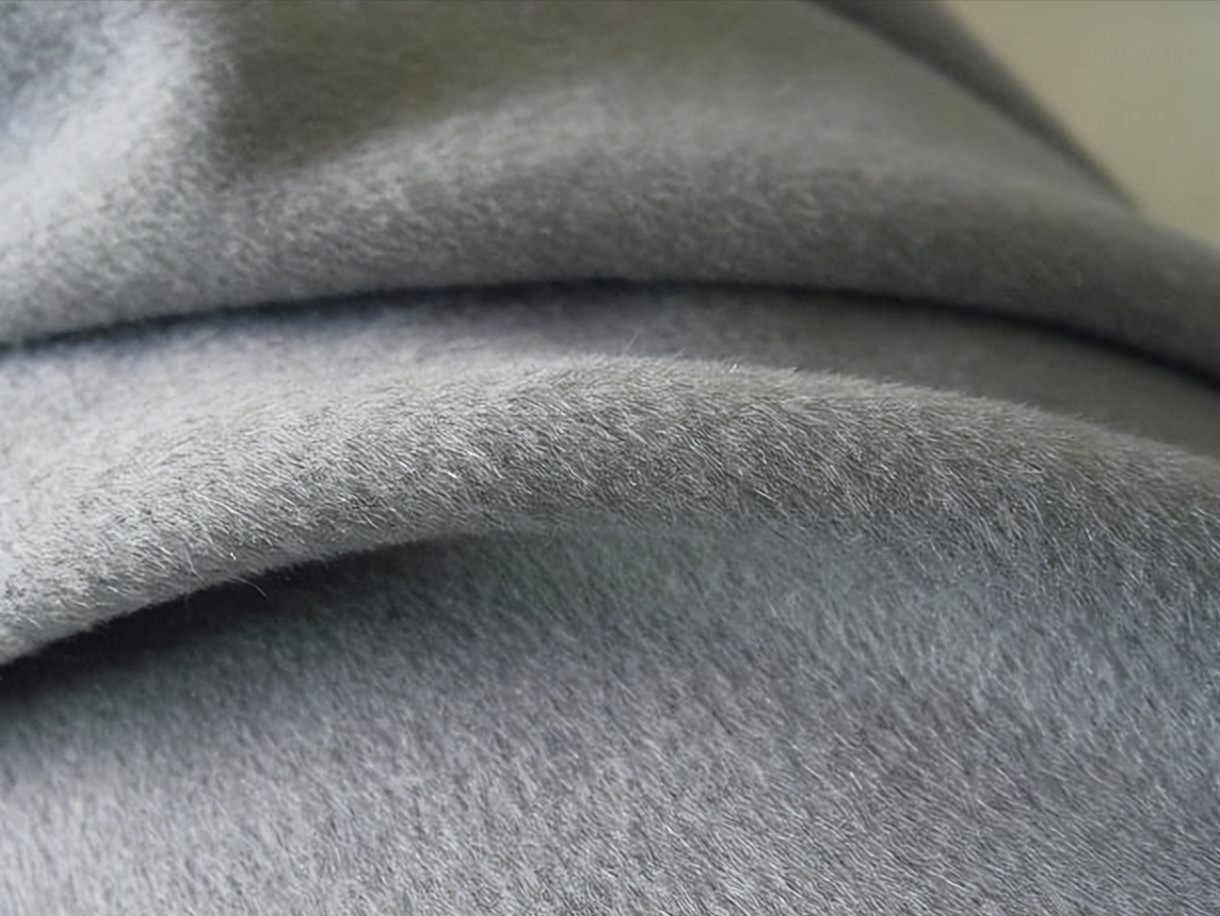
Wool is mainly composed of protein. The history of human use of wool , can be traced back to the Neolithic Age, spread from Central Asia to the Mediterranean and other parts of the world, and gradually became the main textile raw material in Asia and Europe. As a natural animal fiber, wool is soft and elastic. Wool is added to many textiles.
C-level fabric: natural cotton and linen
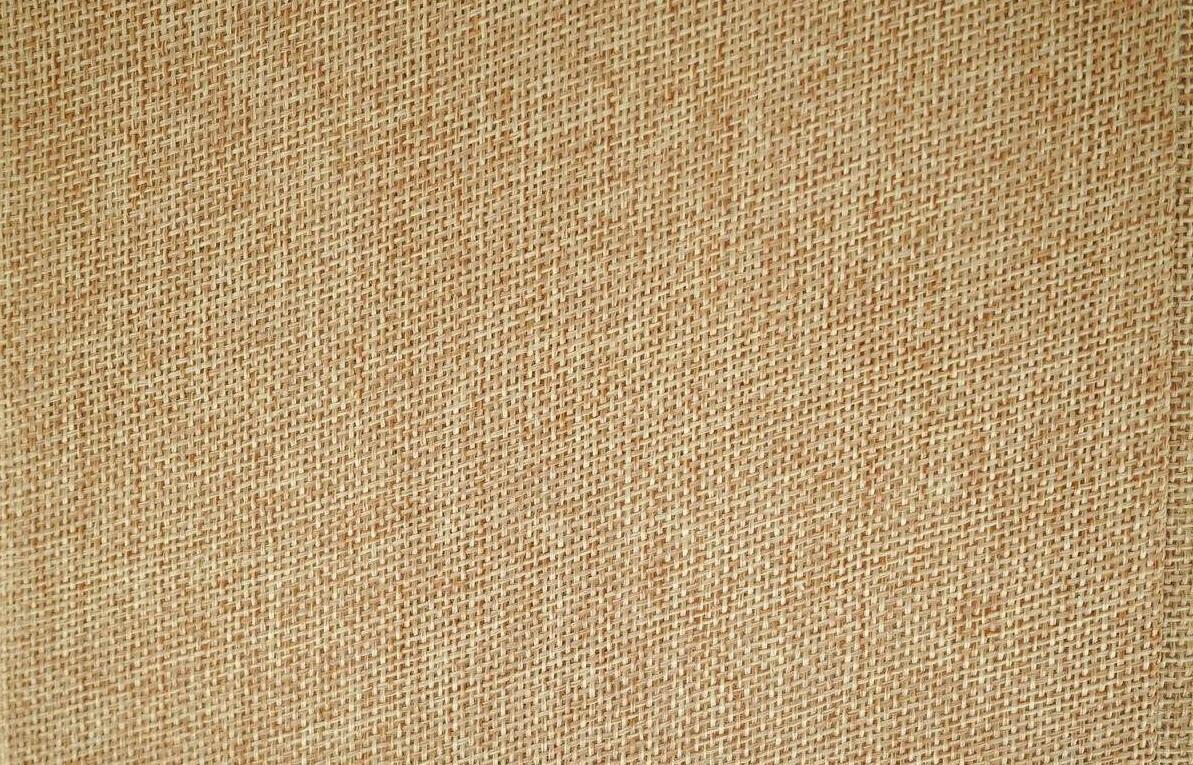
Lax fabric is mainly woven from natural fibers of plants It has the advantages of high strength, good moisture absorption and breathability, strong heat dissipation, effective antibacterial, effective antistatic, and ultraviolet absorption. Pure cotton fabrics are made from cotton and are manufactured through textile processes. They have the characteristics of moisture absorption, warmth retention, heat resistance, alkali resistance, and hygiene. Generally speaking, pure cotton fabrics have good moisture absorption and heat resistance, and are comfortable to wear.
D level fabric: chemical fiber fabric
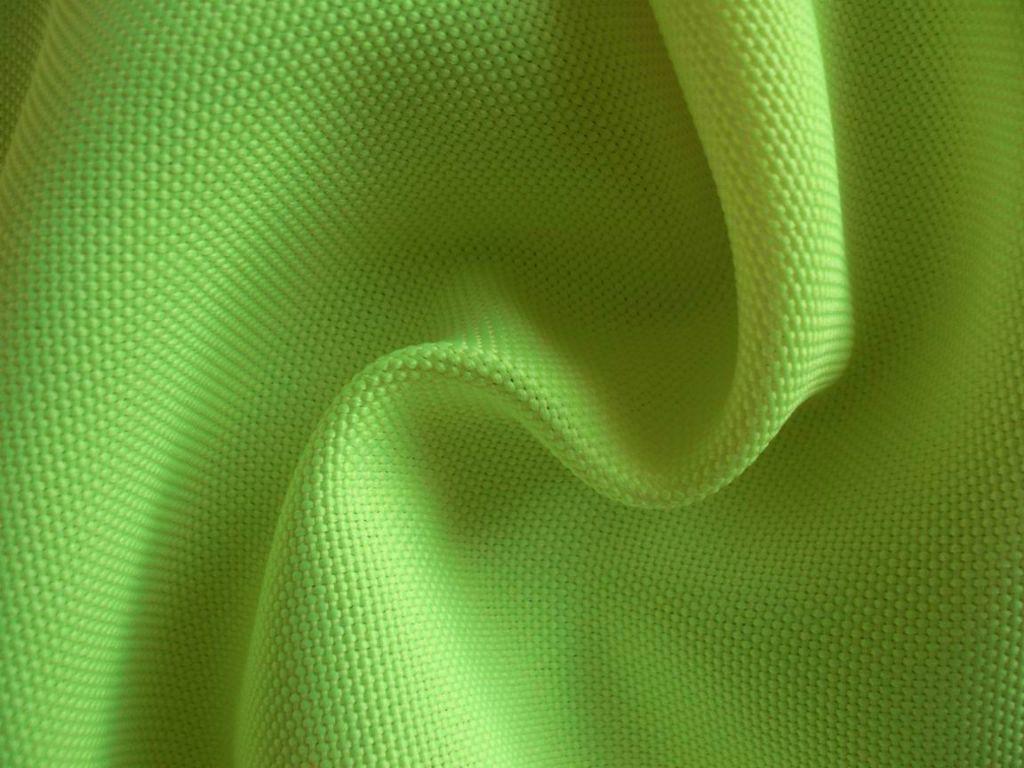
Chemical fiber fabric is a new type of clothing material developed in modern times. More variety. This mainly refers to pure spun, blended or intertwined fabrics processed from chemical fibers, that is to say, fabrics woven from pure fibers, excluding blends and intertwined fabrics with natural fibers. The characteristics of chemical fiber fabrics are determined by the woven fabrics into which they are woven. Determined by the characteristics of the chemical fiber itself.
Commonly used chemical fibers include polyester, nylon, acrylic, chlorine, vinylon, spandex, etc.
E-level fabric: recycled cotton fabric
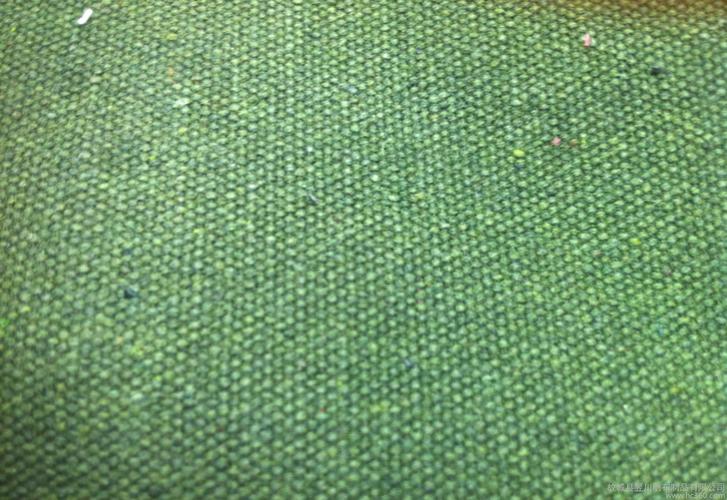
Recycled cotton is made from discarded cotton and industrial waste It is made by recycling cloth and yarn ends from materials and textile enterprises. According to the “Quality Supervision and Management Measures for Cotton Fiber Products”, recycled cotton must not be used for daily necessities and must be labeled accordingly.
That is to say, after recycling the used clothes that cannot be exported to Africa, they can be made into this lowest level of recycled cotton, which can only be used for industrial production and cannot be used as For daily use.