
Long before the arrival of the COVID-19 epidemic, sustainable development strategies and commitments were common actions for companies related to luxury accessories, sports, and fast fashion. Among them, zero carbon is the main focus issue. Recently, “promoting green development and promoting the harmonious coexistence of man and nature” has been emphasized and valued again. Respecting nature, complying with nature and protecting nature are the foundation of human survival and development. The wave of carbon reduction in the fashion industry is coming as expected.
Sustainable management of the entire product life cycle has become a trend
Every detail and decision in product material selection will have a great impact on sustainability. Boutique fashion brands use natural fibers and modify them to suit consumer needs.
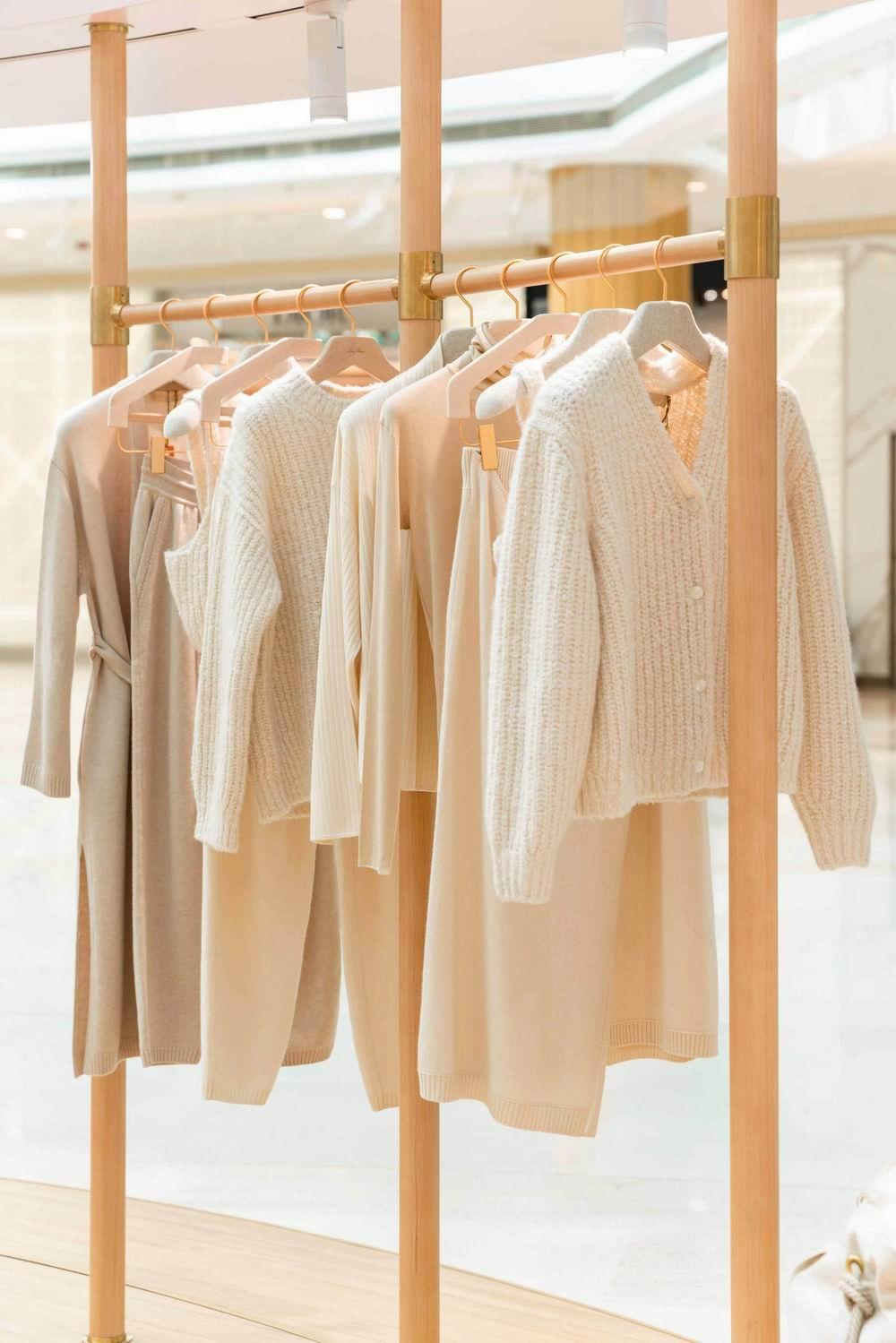
Loro
The items in the Piana Cocooning series are all made of cashmere, Baby
Made from natural fibers such as Cashmere, cashmere and silk blends and cashmere jersey. The brand spends time looking for precious fabrics and rare raw materials, collects them in a moderate way, and then patiently weaves them using traditional manual methods. Just the process of spinning raw materials into fabrics requires craftsmen to go through many procedures such as material selection, carding, warping, rinsing, thistle combing and hand feeling testing.
In view of the comprehensive consideration of various costs and market pricing, in terms of carbon reduction, the use of recyclable materials and management from the entire product life cycle is an emerging trend. Skechers uses recyclable materials and washable technology in product production, launches Our Plant Matters sustainable products, and proposes “long-lasting, durable, renewable” solutions.

Wood is a natural energy source and is often used as a material in daily life, such as paper and packaging. Now, wood has become the main source of environmentally friendly innovative fibers. adidas
TERREX launches the HS1 outdoor hoodie containing wood-based fiber. According to official data, at least 30% of the material of this mid-layer hoodie comes from wood-based SPINNOVA® fiber (new cellulose fiber). At the same time, it also uses materials in its production The natural color itself uses less water than standard dyeing processes.
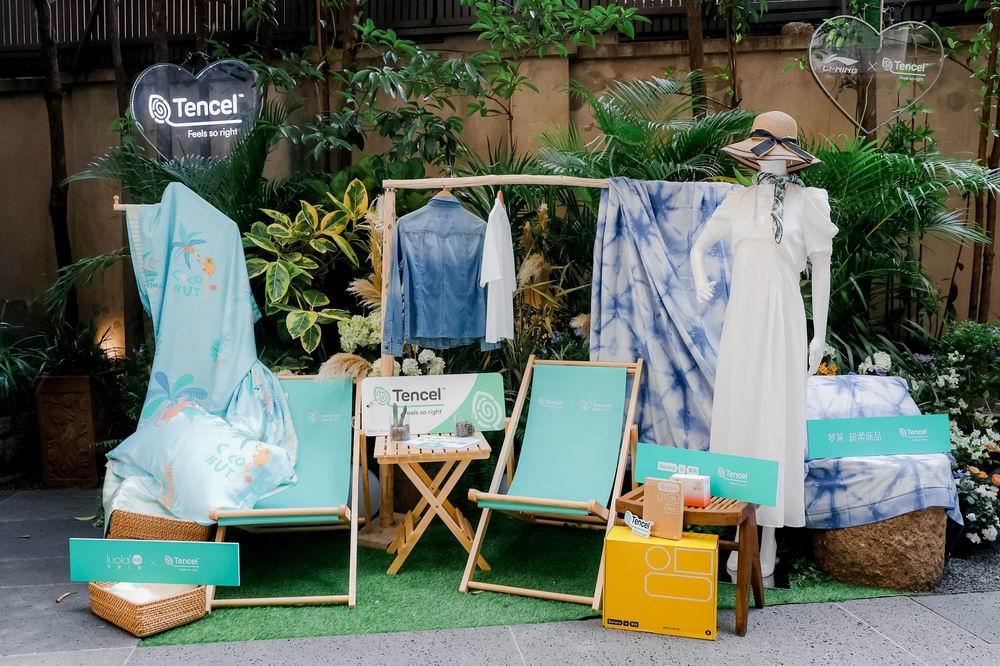
TENCEL™ brand fiber is also extracted from renewable wood sources. In the field of recycled fibers, REFIBRA™ technology will upcycle a considerable proportion of waste cotton left over from the production of clothing, and together with wood pulp, become raw materials for the production of new Tencel™ Lyocell fiber to manufacture fabrics and clothing to promote a circular economy. This mixed material basically achieves a balance between fabric performance and softness.
The concept of recycling is accelerating to stimulate green innovation in product design and raw materials, thereby reducing the carbon footprint of products. The 3D down fabric independently developed by Bosideng is made of recycled polyamide re-melted yarn and spinneret. The recycling of polyamide helps reduce product production’s dependence on fossil-based raw materials and reduce waste. In the past two years, DupontTM has been widely used in Bosideng clothing.
Sorona® fiber, a new environmentally friendly fabric, also uses pure natural plant ingredients as its core raw material. thereby reducing dependence on petroleum resources.

The textile industry wants to fundamentally reduce carbon emissions, but companies need to produce more and more products. To some extent, this is one of the core paradoxes of sustainable fashion management. By absorbing industrial carbon emissions and recycling them into raw materials, this technology could become another solution for sustainable fashion. Companies such as Zara, Pangaia and Lululemon are already experimenting with producing materials and dyes from captured carbon emissions.
The slow and long value chain needs to be seen more
The concept of “green sustainability” emphasizes both hardness and softness, collides with each other, and is full of a sense of the future. But this value chain is long and invisible, and it needs to be revealed more so that practitioners can see each other and gain inspiration from it. It is the 20th anniversary of the establishment of Shanghai Fashion Week. This season’s 2023 Spring and Summer Shanghai Fashion Week SIFS is based on the theme of “Born and Natural”.
The theme of “Future Environment” inspires the public to reflect on the logic of material desires and people, materials, and the environment, thereby promoting the development opportunities of overall sustainable and circular fashion.

One is born with two, two begets three, three begets all things, all things have the same root and origin , but it is constantly changing and transforming. When the original ecology collides with the digital age, Bibilee
Studio designers want to convey that no matter how many new subjectivity models appear in the field of artificial intelligence, we should stick to the same “spirit of all things”, that is, “self-awareness”, which can drive us to reconcile with nature and rebuild our own self. world. brand
The 2023 spring and summer series is titled “Futuristic Oriental Girl”, awakening the strong desire to return to the original and the power of self-salvation in the wilderness.

“Almost all things in nature emerge from the ground in the shape of a Y-shaped bud, including human beings.”Exploration of the unknown, the why of English letters…” Designer Ye Qian has designated the “Y-Letter of Romance” as a symbolic memory point in the brand’s 2023 spring and summer series. The return of offline fashion week is surprising. Ye Qian Qian believes that “the texture and feel of the clothes, including every model, even the details of the breeze when walking, and the depiction of human group portraits cannot be conveyed through the screen. “Because the intimate communication between people and between people and nature is the romantic beginning of all our relationships.