
There are three elements in clothing design: style, fabric, and color. We can see that the clothes of big brands are of high quality, and the styles and styles of big brands are excellent in workmanship. However, this is by no means the only factor that determines success. It is more about the fabrics (and of course the marketing efforts and methods). With the development of fabric technology and the integration of various fabric components, what kind of material is suitable for what kind of style, and it can also be skin-friendly, healthy, comfortable and environmentally friendly.
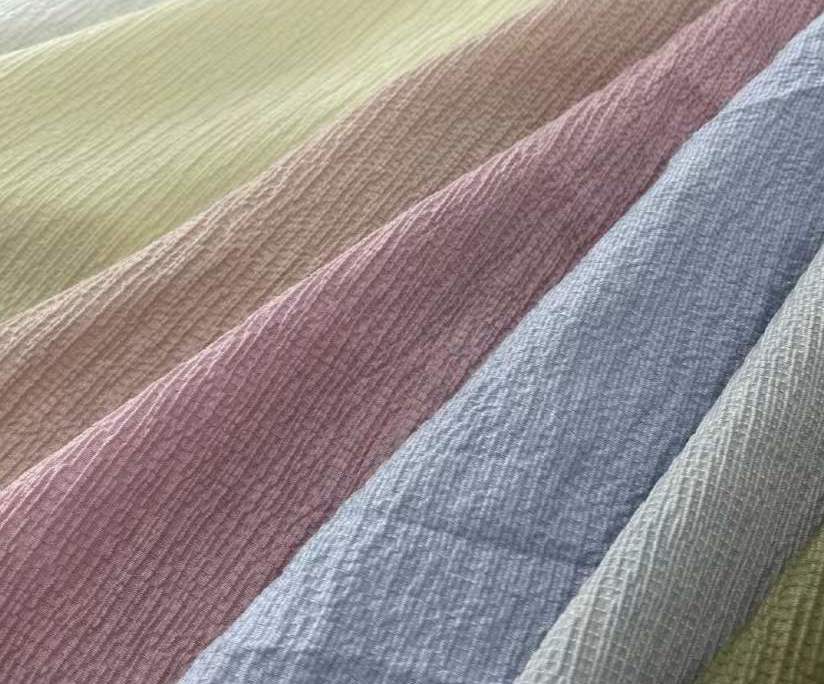
Fabric is the most basic material basis of clothing. The fabric’s softness, hardness, thickness, elasticity, smoothness, elasticity, etc. Directly affects the style of clothing. In addition to single-component pure natural fabrics, pure cotton, and pure wool, most of the fabrics currently on the market adopt the 1+1=excellent treatment method of synthetic natural fabrics and natural synthetic fabrics.
Let me first tell you about the characteristics of some fabrics. Commonly used fabrics have the following name categories: cotton, wool, rabbit hair, alpaca hair, mulberry silk, linen, polyester , nylon, acrylic, spandex, viscose, acetate, etc. for your reference when purchasing clothing or customizing clothing.
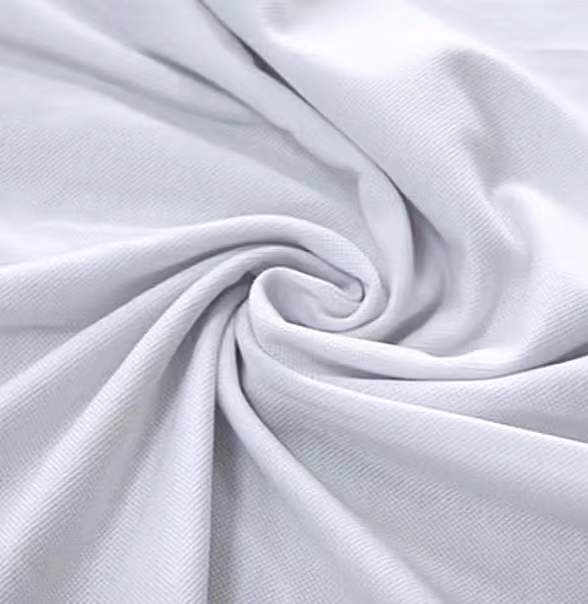
Cotton
Advantages: good skin-friendly, sweat-absorbent, moisture-absorbent, comfortable, soft
Disadvantages: easy to shrink, wrinkle, and deform
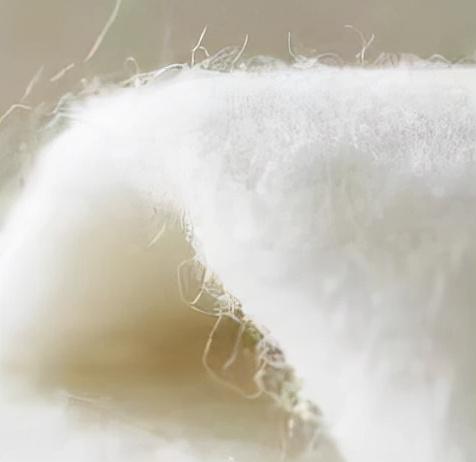
Wool
Advantages : Comfortable feel, good elasticity, strong hygroscopicity, good warmth retention,
Disadvantages: Easy to pill, shrink, felt reaction
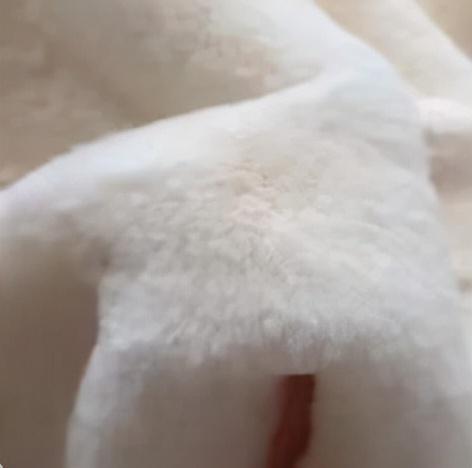
Rabbit fur
Advantages: good gloss, smooth surface, soft and elastic
Disadvantages: Easy to deform after washing
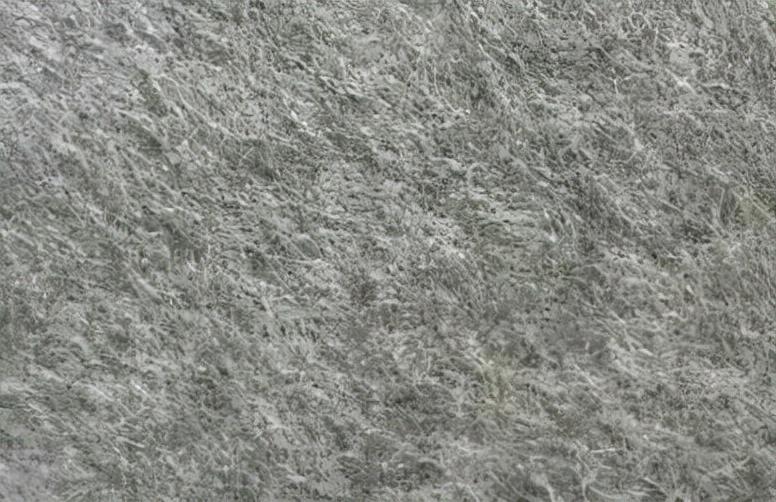
Alpaca wool
Alpaca, also called alpaca, belongs to camel fiber. Alpaca hair is thinner and softer than seahorse hair, and longer than wool. It is bright in color and elastic. Its thermal insulation performance is much better than that of wool. It is thin and elastic, and it is not easy to deform when pressed for a long time. Not easy to accumulate dust, no odor, easier to care, hypoallergenic
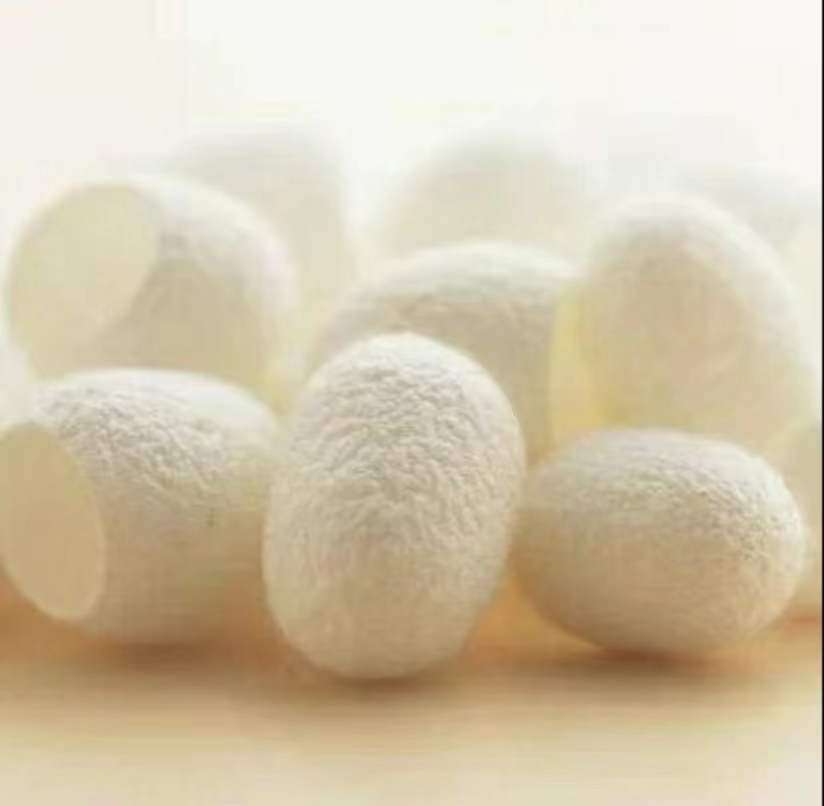
Mulberry silk
Smooth, soft, Rich in luster, warm in winter and cool in summer, good extensibility, good heat resistance, easy to discolor, not resistant to salt water, light food, not intended for use, contains bleach or detergent, cannot be machine washed
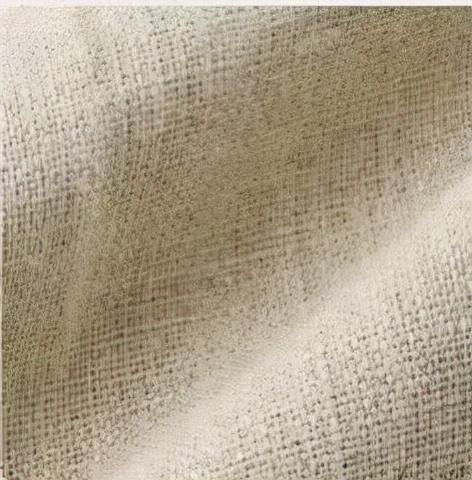
Linen
Advantages: good hygroscopicity, quick moisture release, not easy to generate static electricity, large heat conduction, rapid heat dissipation, easy to wear Cool, not close to the body after sweating, good heat resistance,
Disadvantages: easy to wrinkle, rough feel
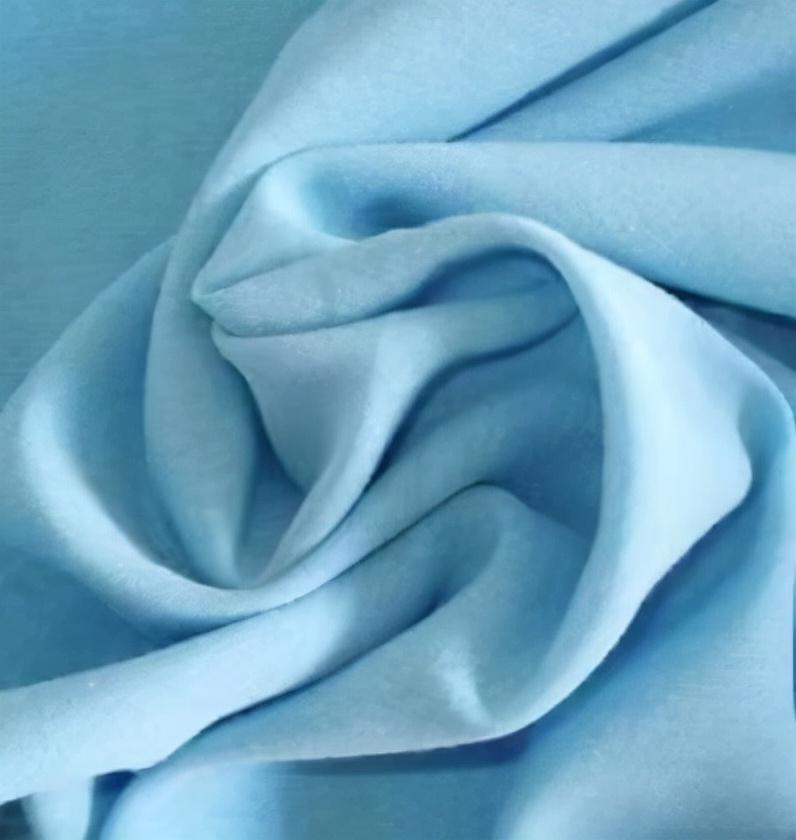
Polyester
Advantages: good elasticity and recovery, relatively wide fabric, not easy to wrinkle, good shape retention, high strength, wear-resistant, good light resistance,
Disadvantages: easy to wash dust, easy to generate static electricity, poor hygroscopicity
nylon
Advantages: Waterproof and windproof, high abrasion resistance, good strength and elasticity,
Disadvantages: poor breathability, not light-resistant, easy to age, easy to wrinkle and difficult to recover
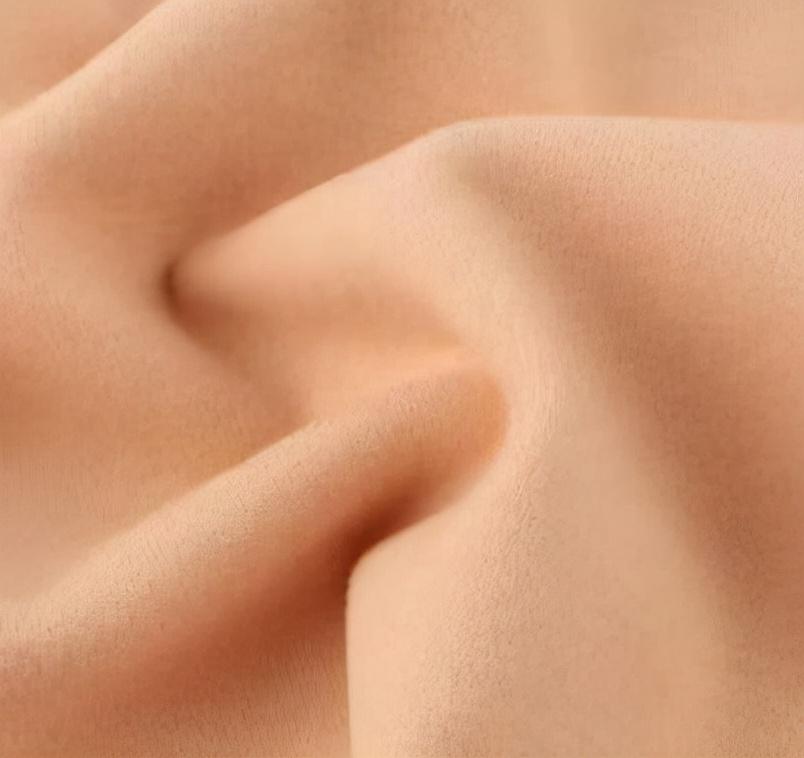
Acrylic fiber
Advantages: good fluffiness, fur feel, appearance, feel, elasticity, warmth, etc. similar to wool, with “synthetic Known as “wool”, it is easy to wash and dry, and is not afraid of insects and mildew
Disadvantages: poor wear resistance and poor hygroscopicity
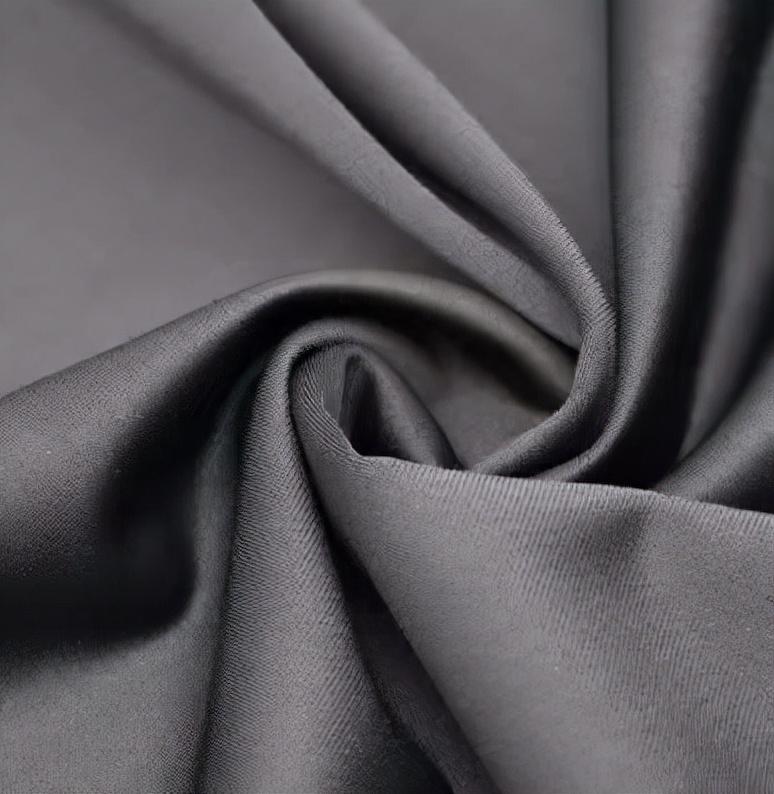
Spandex
Advantages: It is called elastic fiber and has excellent elasticity. It is also called “Lycra”. It has good elasticity and smooth feel.
Disadvantages: Poor heat resistance, poor hygroscopicity, poor strength
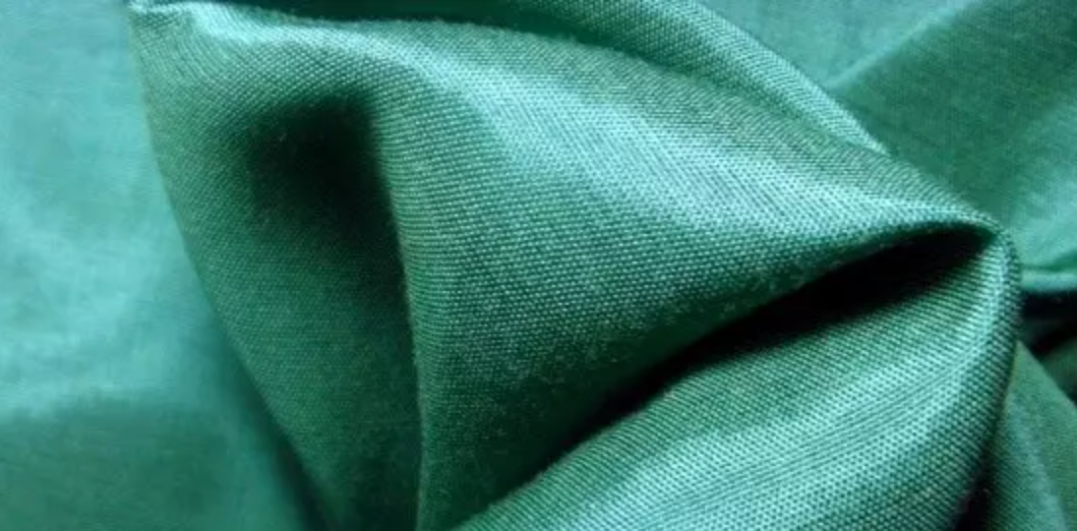
Viscose
Advantages: Also called artificial cotton, it is synthesized from wood, short-staple cotton, and other materials containing natural cellulose and chemical materials.��Basic properties of natural fibers, good dyeing performance, good color fastness, soft fabric, good hygroscopicity, cool to wear, not prone to static electricity and pilling
Disadvantages: easy to shrink, easy to deform, Not wear-resistant, poor wrinkle resistance, suitable for sun exposure
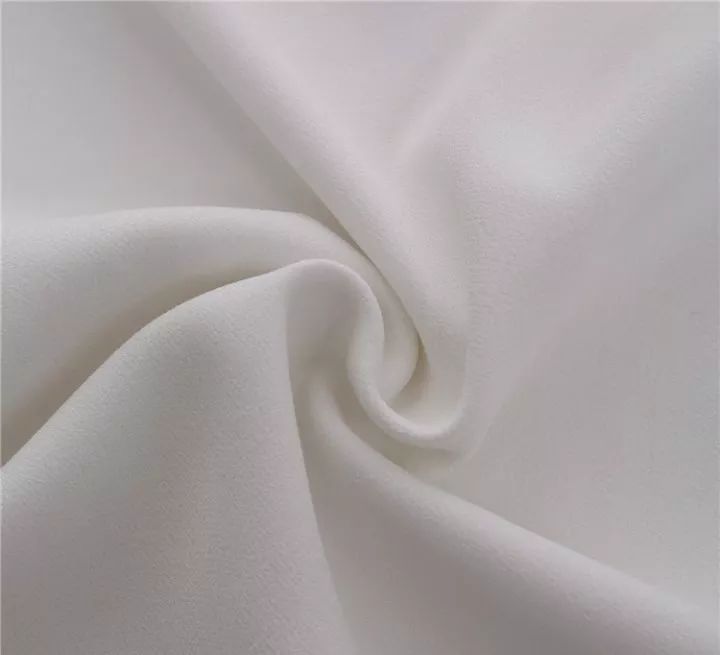
Fiber acetate
is made of natural fiber containing natural cellulose Material, chemically processed, with silk style, excellent elasticity
good recovery performance