
Colored cotton
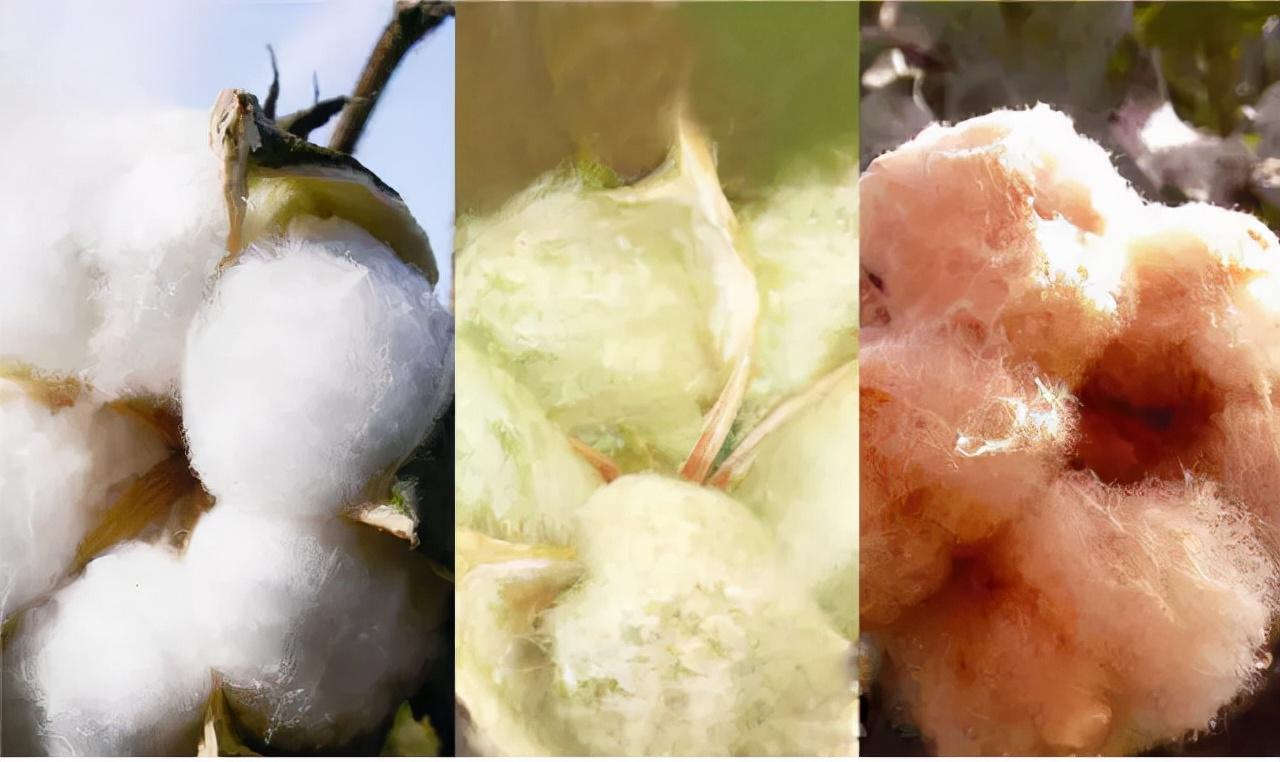
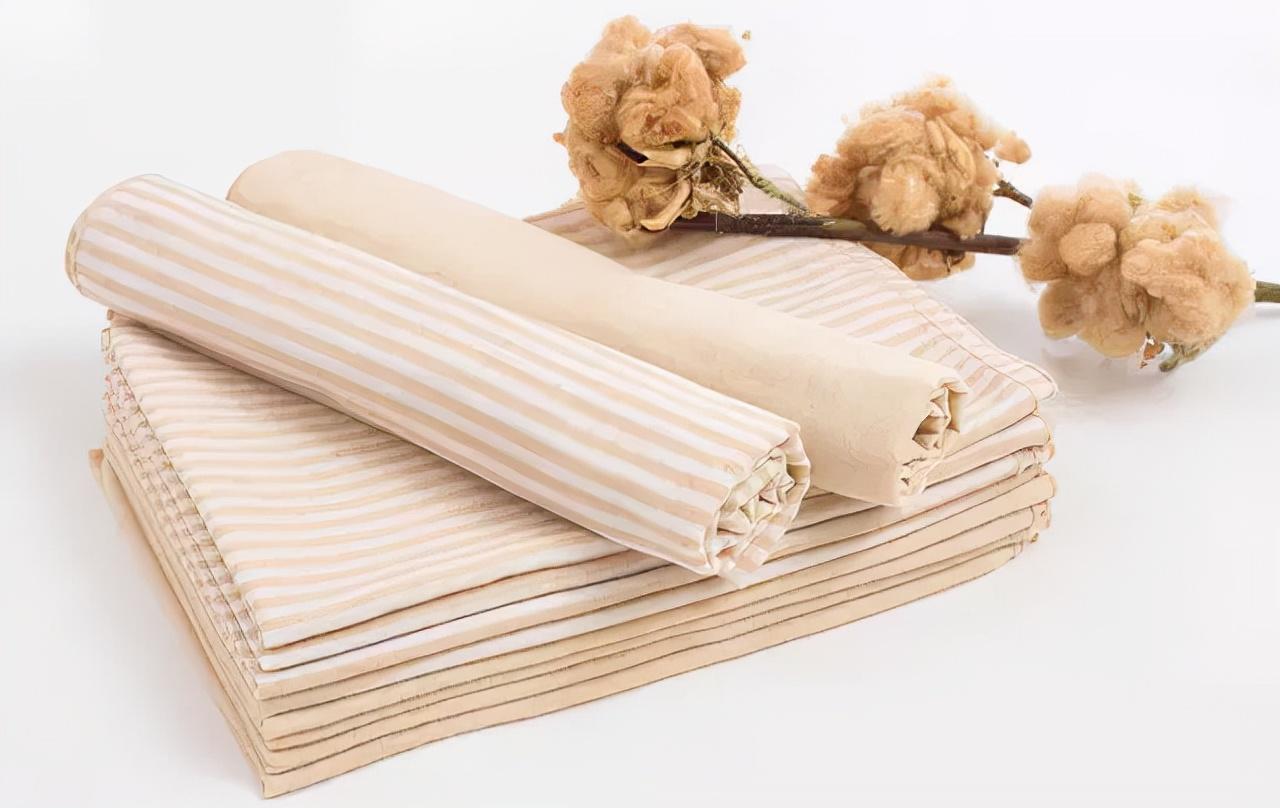
Natural colored cotton is made of biological genetic engineering, etc. The new type of cotton cultivated by modern science and technology has various natural colors when the cotton fiber is spun in the field, so it is called “natural colored cotton”. It complies with the consumer fashion and requirements of consumers who are constantly pursuing health care, comfort and high-end, and has attracted great attention from many countries in the world.
History of colored cotton
The cultivation and use of original natural colored cotton is earlier than that of white cotton. According to reports, the original natural colored cotton is native to the American continent. The indigenous peoples of Peru planted and used colored cotton thousands of years ago. The earliest record of planting colored cotton in my country was in 1819 in Jiangsu and Zhejiang areas where cloth woven from purple cotton (brown) was exported to Europe.
However, with the rapid development of the textile and printing and dyeing industries and the maturity of breeding technology, people have The fibers of the cultivated white cotton with good fiber quality and high yield are specially dyed and spun into gorgeous and colorful fabrics. However, the original natural colored cotton has been neglected due to shortcomings such as unstable color, poor fiber quality, and low yield, and has been used with great value. replaced by white cotton.
Since the 1970s, as the international community has paid increasing attention to environmental protection issues The rise of people advocating nature and returning to nature, as well as the rapid development of biotechnology, have created conditions and opportunities for the development and utilization of colored cotton. Therefore, major cotton-producing countries in the world have used biotechnology to carry out research on colored cotton, and have achieved preliminary results.
Morphological characteristics
Let’s take a look at the different colors first Comparison between colored cotton and white cotton:
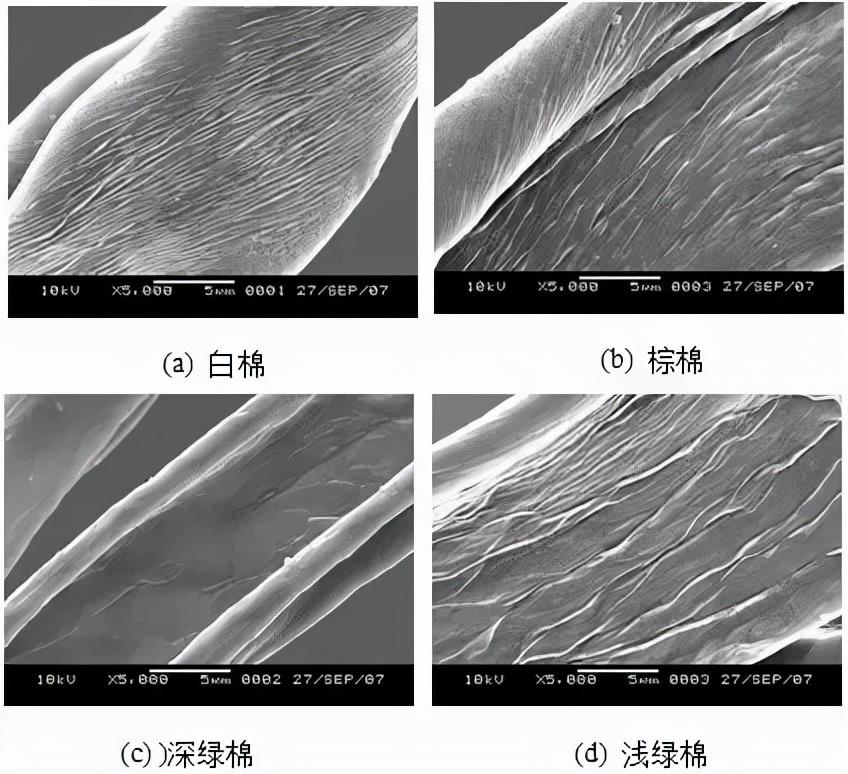
△Figure 1: Surface morphology of colored cotton and white fibers (magnification 500 times)
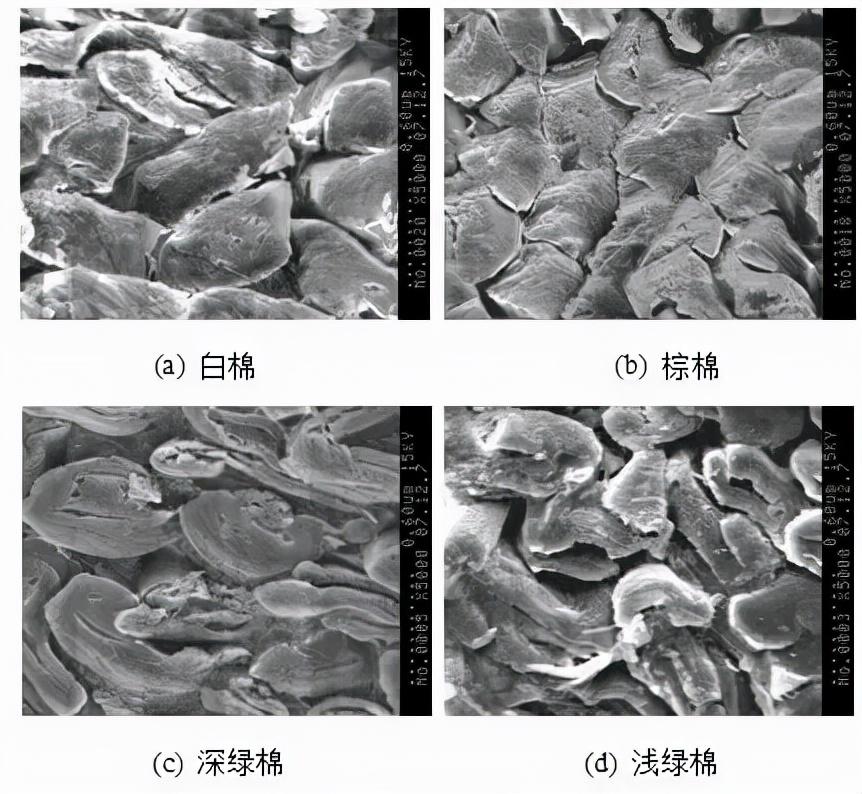
△Figure 2: Cross-section of colored cotton and white cotton fibers (magnification 5000 times)
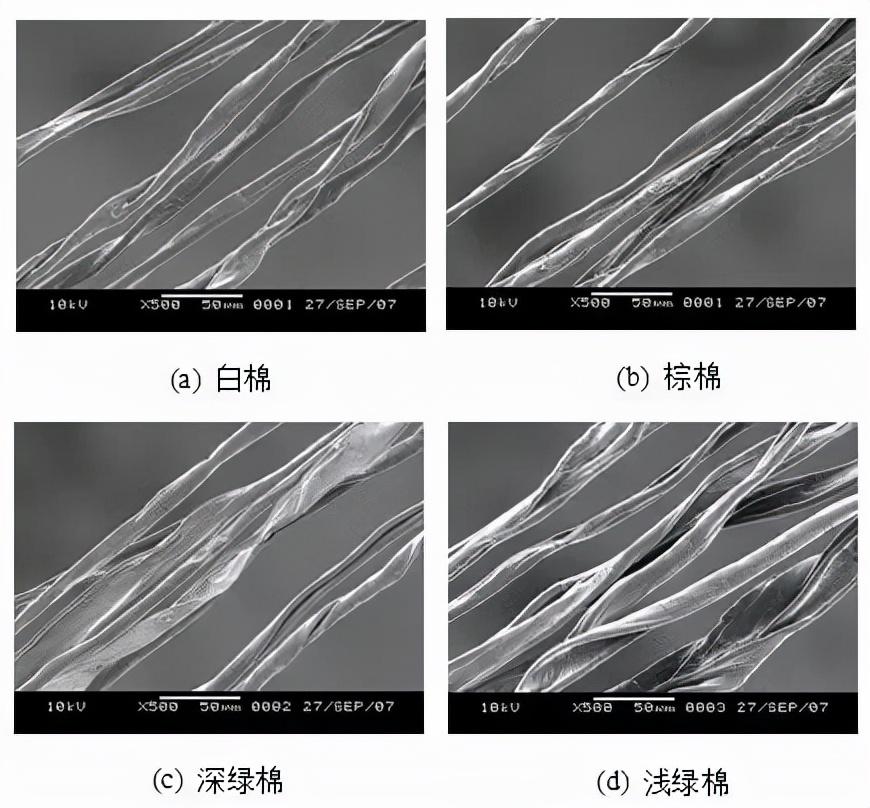
△Figure 3: SEM photos of the longitudinal morphology of colored cotton and white fibers (magnification 500 times)
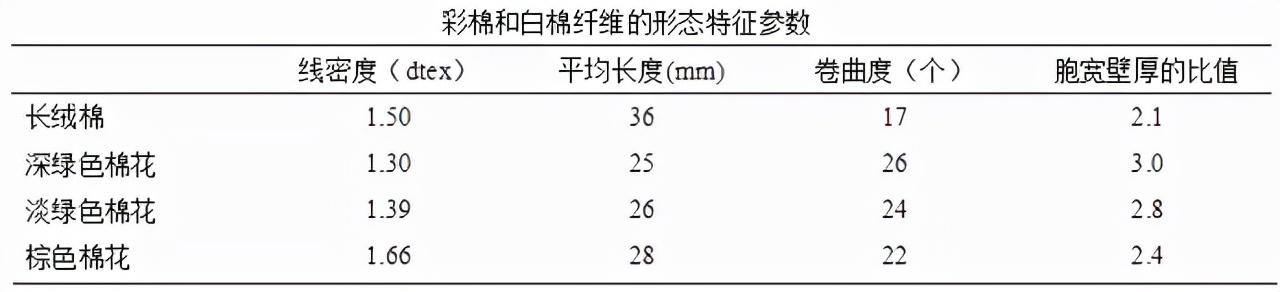
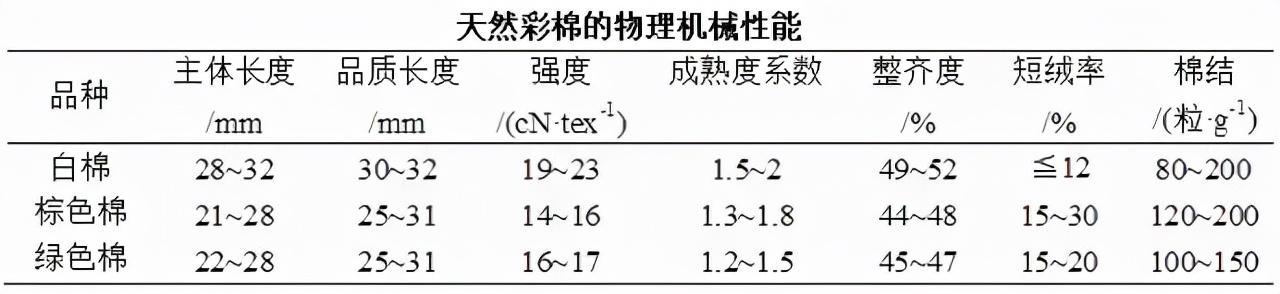
It can be seen from the above picture and table:
The longitudinal and white color of natural colored cotton Cotton is similar in that it is an irregularly curved flat body, thicker in the middle, slightly thinner at the root, and thinnest at the tip. Fibers with good maturity are in the shape of twisted ribbons longitudinally, with more twists; fibers with poor maturity are in the shape of thin ribbons, with few curls.
The cross-section of colored cotton fibers is similar to that of white cotton, with a round waist and a middle band. Has a cell cavity. The difference is that the cross-sectional area of green cotton is smaller than that of white cotton, that is, the fibers are thinner than white cotton, the secondary cell wall is much thinner than that of white cotton, and the cell cavity is much larger than that of white cotton, and is U-shaped. The cross-section of brown cotton is similar to that of white cotton. The fiber secondary cell wall and cross-sectional area are plumper than green cotton, but the cell cavity is larger than that of white cotton.
Colored cotton performance
01 Colored Cotton Advantages
Comfortable: skin-friendly and non-toxic Stimulating, meets environmental protection and human health requirements.
Anti-static: Due to the high moisture regain of cotton fiber, it does not produce static electricity or pilling.
Good sweat permeability: it absorbs sweat and micro-sweat on human skin, quickly returning the body temperature to normal, and truly achieving breathable and sweat-absorbing effects.
The environmental protection characteristics and natural color of colored cotton are very in line with the taste needs of modern people’s life. It has not been treated with any chemicals, and some types of yarns and fabrics still retain some cotton seed shells, reflecting its return to nature.
Therefore, product development makes full use of these characteristics to achieve soft, natural and elegant colors, with the style mainly casual, and then penetrate into the fashion trends of the season.
The image of clothing products embodies solemnity and elegance yet relaxed and natural, while the image of home textiles embodies warmth and comfort while giving people a feeling of returning to nature.
02 Color Cotton Disadvantages
Colored cotton has a single color
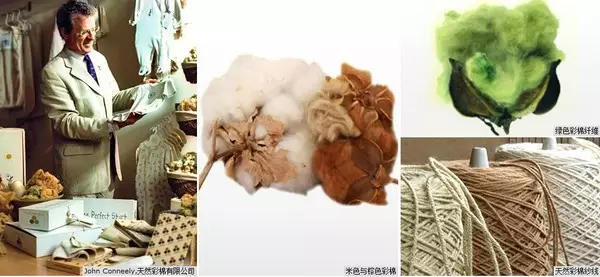
Colored cotton types are usually divided according to fiber color. Currently, there are only two basic types of colored cotton in the world: brown and green. However, due to different color depths, different scholars have large differences in fiber color classification and identification.
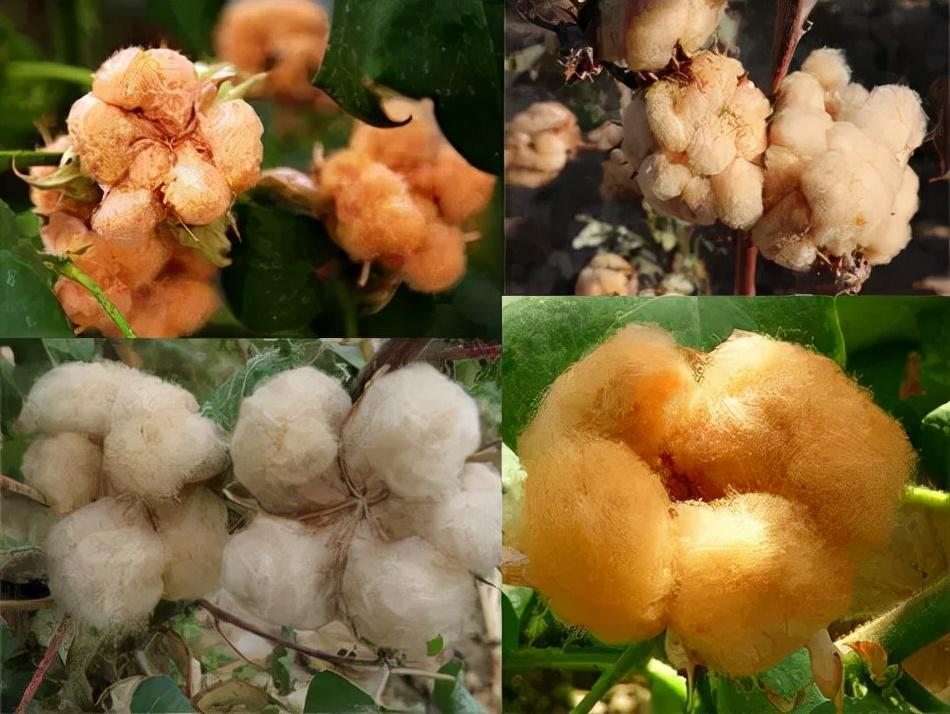
Insufficient color is an important factor restricting the development and promotion of natural colored cotton.
The fiber color is unstable
Since the color of colored cotton is naturally formed, the color of the grown cotton fiber often has subtle differences, and it is impossible to print and dye it like white cotton. So uniform, this will affect the quality of its products.
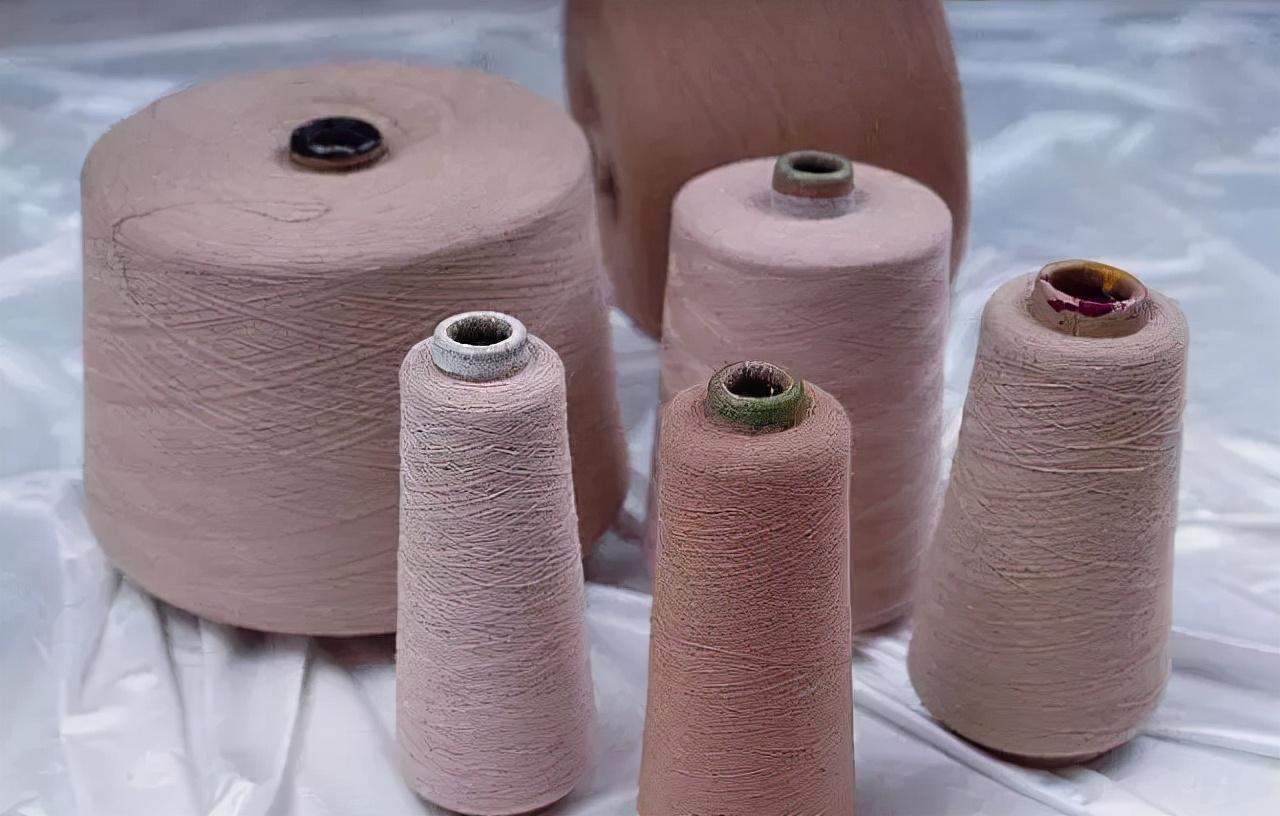
The spinnability is not high
Colored cotton fibers are short and thin with low strength, so the spinnability is lower than that of white cotton, and the cost of spinning is high. This is the crux that restricts the large-scale development and use of natural colored cotton. At present, colored cotton fabrics are generally They are all blended products of colored cotton and long-staple cotton or other fibers, with the purpose of improving their spinnability.
The brightness is not as bright as clothing made of printed and dyed fabrics
There is a layer of wax on the surface of cotton fiber. During the dyeing and finishing of ordinary white cotton, chemicals are used to eliminate wax, pectin, slurry, etc., plus the bright color of the dye, which visually The contrast is large, so it is bright. Colored cotton is not treated with chemicals during processing, and still retains the characteristics of natural fibers, so it produces a hazy visual effect.
Natural colored cotton fiber is soft and feels good. Its clothing has soft color, simple style, pure texture, comfortable and safe feeling, and is in line with people’s return to simplicity. , the mentality of natural colors, so its textiles can be called “the darling of the 21st century” and known as “the second healthy human skin”. It caters to the needs of the market and is the product with the most development potential in the international green textile market in the 21st century. one. The development of natural colored cotton is the development direction of green textiles. Wearing natural colored cotton textiles is a symbol of people’s high-quality life, which is in line with the development trend of people’s clothing needs and the trend of returning to nature.
According to the International Council of Organic Agriculture’s prediction: In the next 30 years, 10% of the total global cotton production will be 30% of the production is replaced by colored cotton and organic cotton. In the 21st century, 60-70% of the world’s population will use natural colored cotton products. Natural colored cotton textiles will enter the homes of ordinary people.