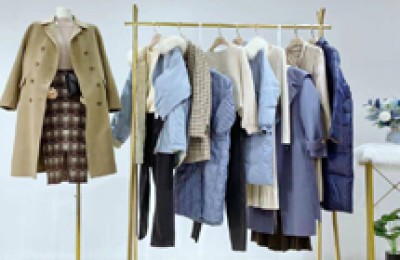

Cuprammonuium fiber is a regenerated cellulose fiber. It is made by dissolving natural cellulose raw materials such as cotton linters in a concentrated ammonia solution of copper hydroxide or alkaline copper salt. , prepared into a spinning liquid, the cuprammonium cellulose molecules are chemically decomposed in the coagulation bath to regenerate cellulose, and the resulting hydrated cellulose is post-processed to obtain cuprammonium fiber.
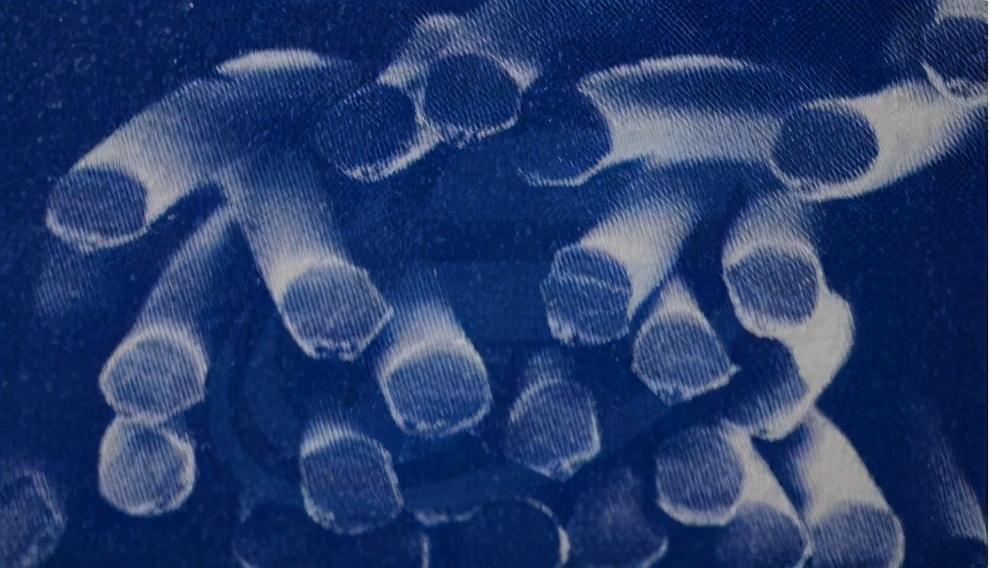
Cupro ammonia fiber has a circular cross-section, no skin-core structure, and the fiber can withstand high After stretching, the produced monofilament is thinner, generally below 1.33dtex (1.2 denier), and can reach 0.44dtex (0.4 denier). Therefore, the fabric feels soft, has a soft luster, and has a silk feel.
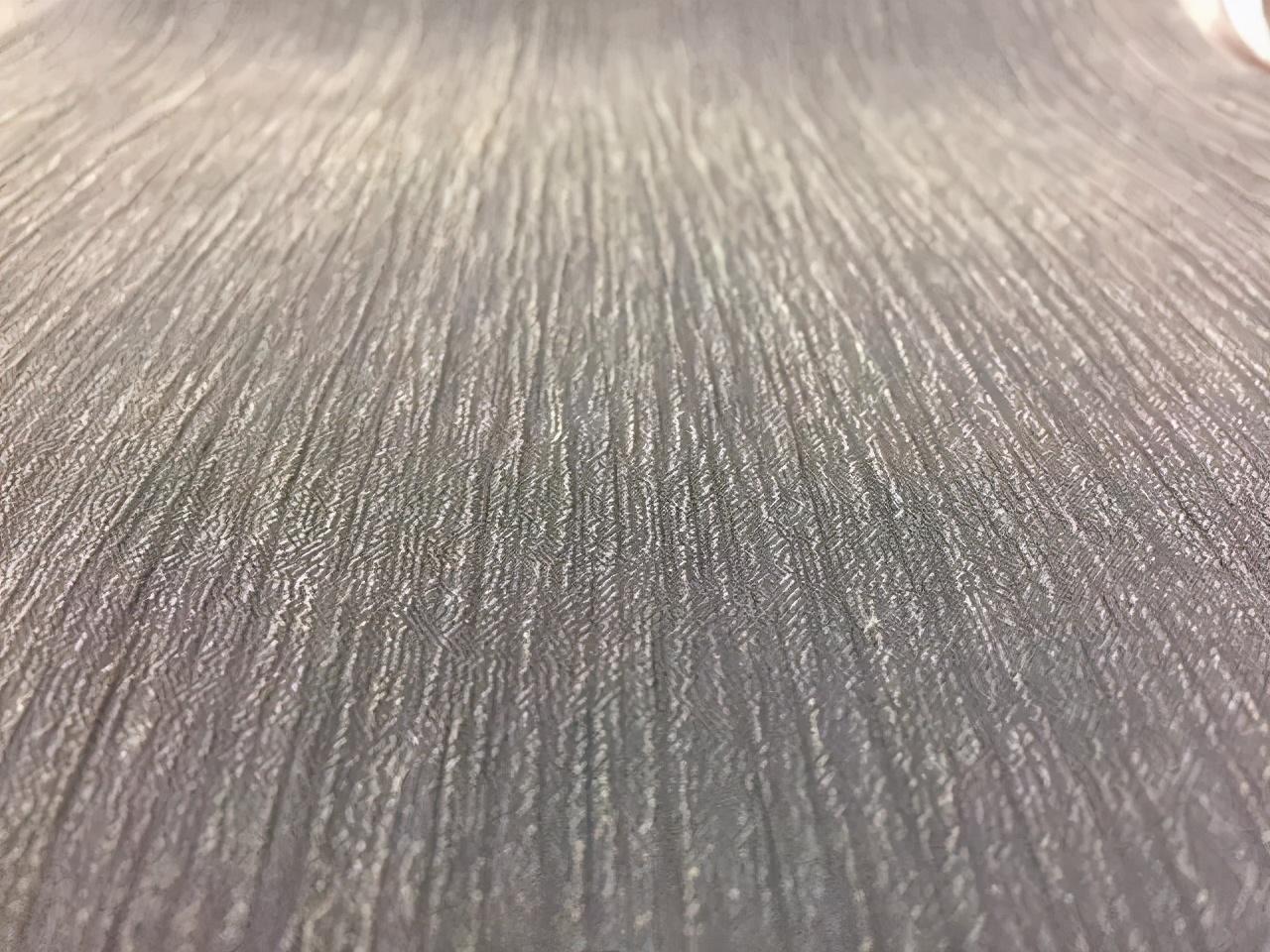
The hygroscopicity of cupro fiber is close to that of viscose fiber, and its official moisture regain is 11%. Under normal atmospheric conditions The moisture regain rate can reach 12%–13%. Under the same dyeing conditions, the dyeing affinity of cupra fiber is greater than that of viscose fiber, and the color is darker.
The dry strength of cupro fiber is close to that of viscose fiber, but the wet strength is higher than that of viscose fiber. Viscose fiber has better wear resistance than viscose fiber.
Because the fiber is soft and has suitable luster, it is often used as high-grade silk or knitted fabrics. Its wearing performance is relatively good, with good hygroscopicity and great drape. Its wearing performance is similar to that of silk, which is in line with the trend of environmentally friendly clothing.
Cupper ammonia fiber is relatively expensive and has the characteristics of breathing, refreshing, antistatic and good drape. Among the four major functions, its most attractive characteristics are that it is a fiber that absorbs and releases moisture, and is a breathable and refreshing fiber. The purpose of cupro fiber is roughly the same as that of viscose fiber, but the single fiber of cupro fiber is thinner than viscose fiber. Its products have excellent wearing properties, similar to silk in performance, and have a great drape feeling. In addition, it has a good anti-static function, and it still has a good touch even when worn in dry areas, which can avoid the uncomfortable feeling of stuffiness. This is an important reason why it has become a popular underwear lining. It is still in an irreplaceable position.
Currently cupro fiber has been pushed from lining to fabric, becoming the best material for high-end suits. As a fabric, it has a soft feel and soft luster, and is in line with the trend of environmentally friendly clothing. Therefore, it is often used as a raw material for high-end fabrics. It is especially suitable for blending or pure spinning with wool and synthetic fibers to make high-end knitted fabrics, such as knitted and woven underwear, and women’s socks. As well as silk satin women’s shirts, windbreakers, trousers, jackets, etc.
Currently, the United States, Britain, Japan, Germany, Italy and other countries in the world produce copper. Ammonia fiber products. A cuprammonium fiber developed by Japan’s Asahi Kasei Industries. The cellulose cuprammonium complex contains evenly dispersed tourmaline. The cuprammonium fiber is made by glucose treatment. This fiber increases the emission of active electrons and provides high activation to body cells.
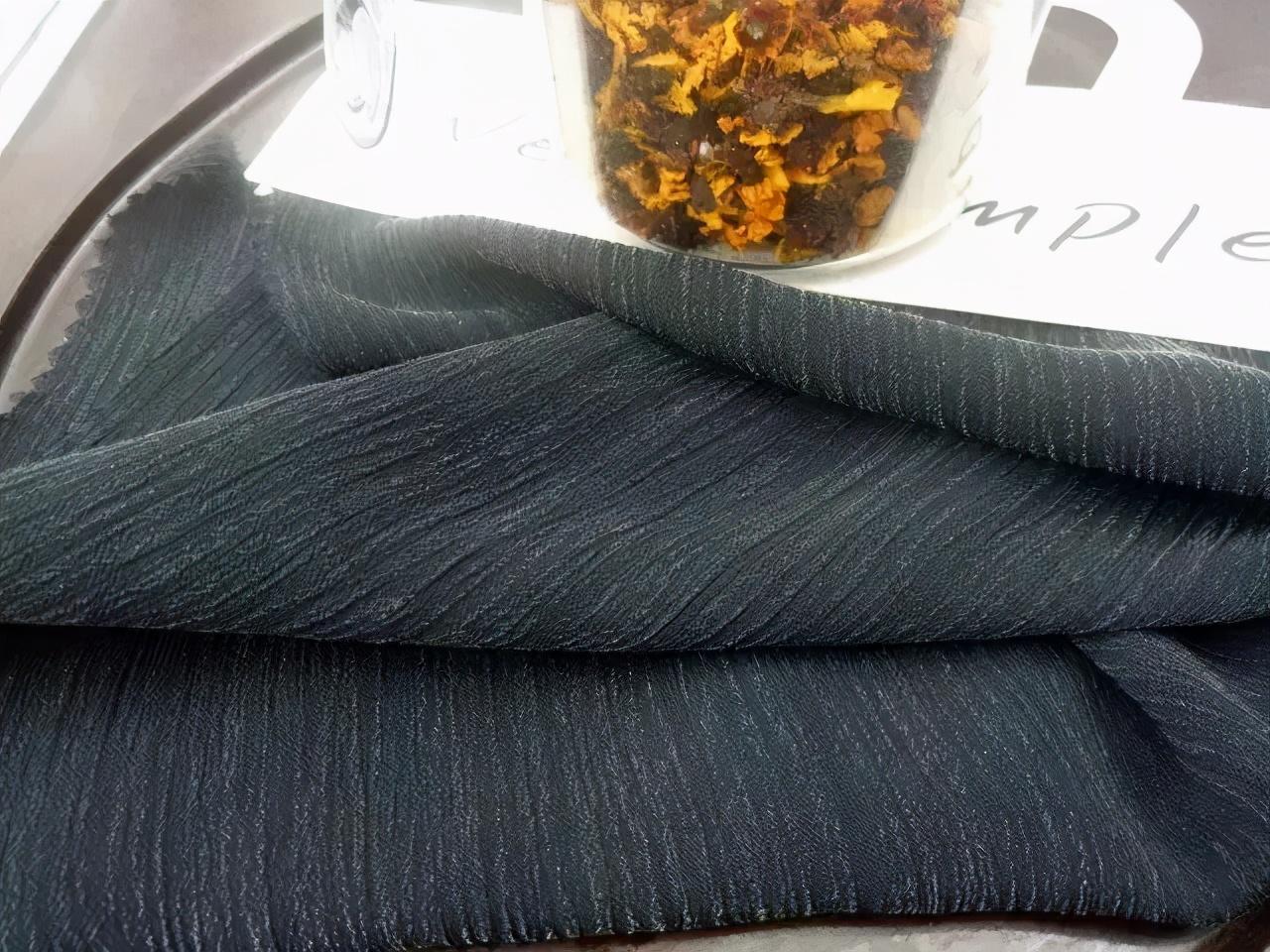
Cupper ammonia short fiber and viscose fiber have similar properties. In the spinning process, as long as the key processes of each process are mastered, High quality yarn can be spun. Baoding Yimian can produce short fiber pure or blended yarn with a count of 10 to 80; Shandong Jide Ecological Technology Co., Ltd. successfully produced a 20-count woven yarn blended with cupro ammonia fiber and rich viscose fiber. Jiangsu Province The quality of the cupro ammonia staple fiber yarn produced by Nantong Ermian Group Co., Ltd. has met the developer’s expected requirements, and the price is lower than Tencel fiber yarn, which has certain market promotion value.