
1
What is twisted silk?
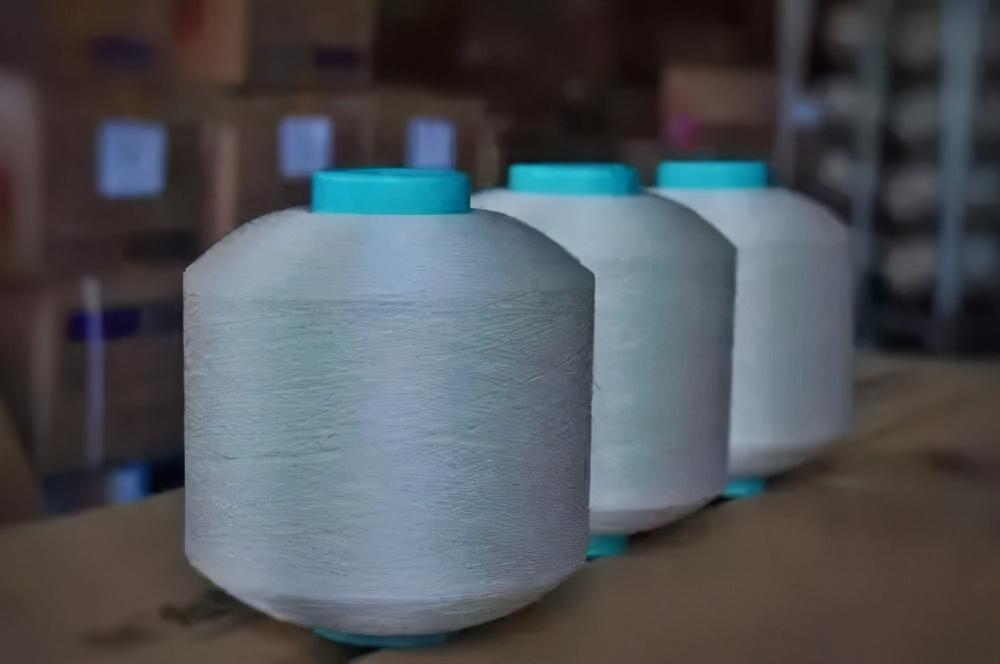
Twisting is a process of twisting a single wire or strand (multiple wires are entangled with each other) to obtain a certain twist direction and number of twists. .
According to the specifications of the finished silk fabric, changing the appearance effect or physical and mechanical properties of the silk thread through the twisting process can not only improve the weaving processing performance of the silk thread, but also It can meet the requirements of fabric appearance and different uses.
2
What is the twist direction?
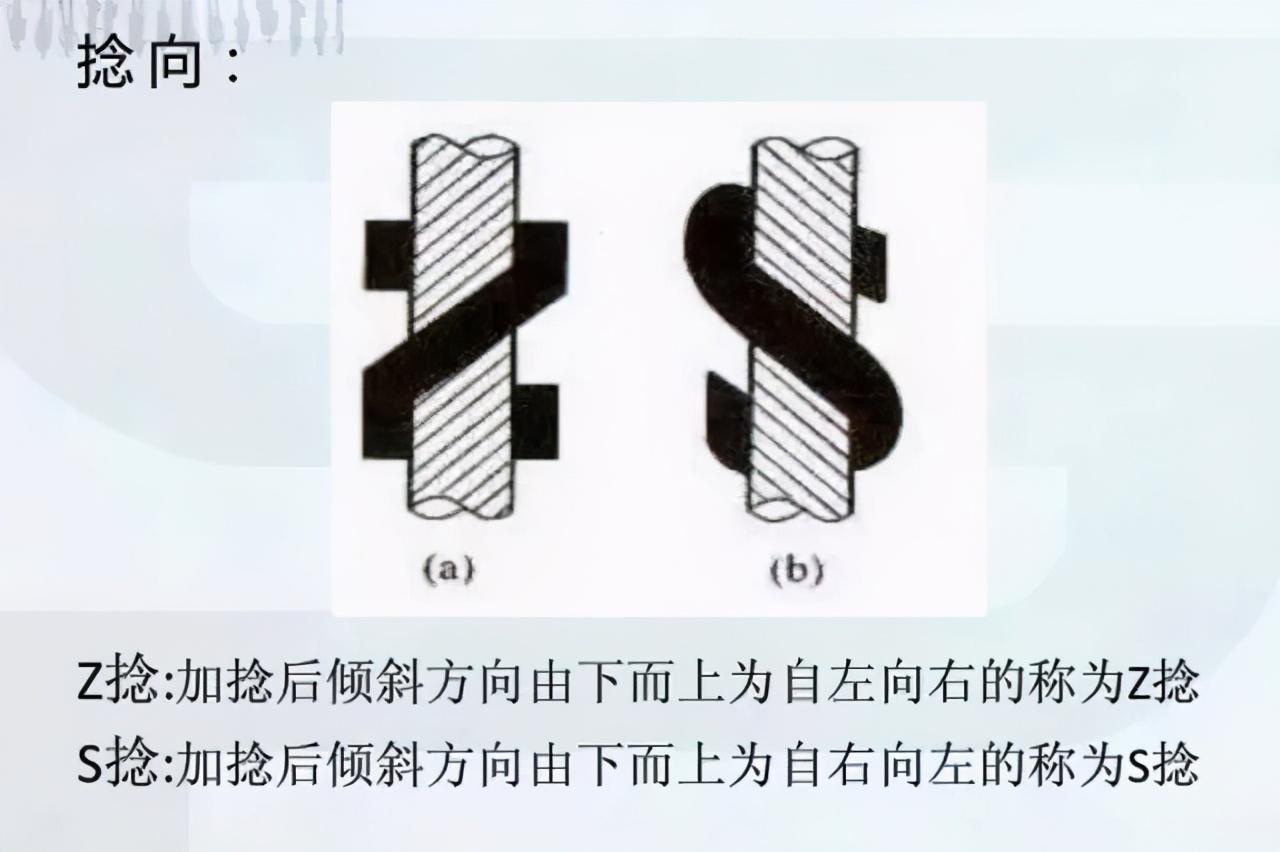
In the textile industry, twist direction refers to the direction in which the yarn is twisted. The twist direction is divided into left twist and right twist, and can also be divided into S twist or Z twist.
3
What are the functions of twisting silk?
(1) Increase the strength and wear resistance of silk threads (within the critical twist range) to reduce fluffing and breakage and improve the fastness of silk fabrics .
(2) Give the silk thread a certain shape or color, and give the fabric the appearance of refraction, crepe, loops, knots and other effects.
(3) Increase the elasticity of silk threads, improve the anti-wrinkle performance and breathability of fabrics, and make the fabrics cool and comfortable to wear.
4
What issues should be paid attention to during production?
(1) There are two twisting methods: dry twisting and wet twisting. Conventional twisting uses dry twisting, but for some multi-strand strong-twisted mulberries Silk must be wet-twisted to meet process requirements.
(2) Dry twisting processing uses ordinary twisting machines and double twisting machines, while wet twisting processing uses wet twisting twisting machines.
(3) To make the yarn surface have fancy effects such as hairiness and knots, a fancy twisting machine must be used.
(4) When the yarn is re-twisted, the twist direction adopted is generally opposite to the initial twist direction.
(5) Whether the warp and weft yarn raw materials need to be twisted, what twist direction to add, and how much twist to add should be set according to the requirements of the fabric variety specifications. Except for fancy twisting machines, other twisting processes require good winding formation, easy unwinding, uniform tension, appropriate size, and uniform twist.
On the premise of meeting the process requirements, appropriately increase the package to improve the output and quality of twisting silk processing.