

Washing clothes is a basic skill in daily life, but in fact, washing clothes also requires a lot of attention, and it is not as simple as imagined!
Improper washing methods will not only make the clothes harder and older with more washing, but may also lead to many skin diseases such as tinea corporis, tinea manuum and pedis!
7 Common Laundry Misunderstandings
How many have you fallen into?
Check yourself quickly!
Myth ①
The more detergent, the cleaner the wash?
Many people like to put a lot of laundry detergent and washing powder when washing clothes, thinking that more laundry detergent will make the washing cleaner, but this is not the case.
The amount of detergent is not directly proportional to the cleaning ability. If you pour too much, it will be difficult to rinse and easy to leave residue. As time goes by, the clothes will become harder and older.
Recommendations
Generally, the laundry detergent or washing powder you purchase will be marked with the corresponding usage amount, so everyone should use detergent reasonably according to the amount of clothes to be washed.
Myth ②
Is laundry detergent better than washing powder and soap?
In the past, more people used laundry detergent and soap, but now many people prefer laundry detergent because they find it convenient and not harmful to their hands. In fact, each of the three has its own advantages and disadvantages.
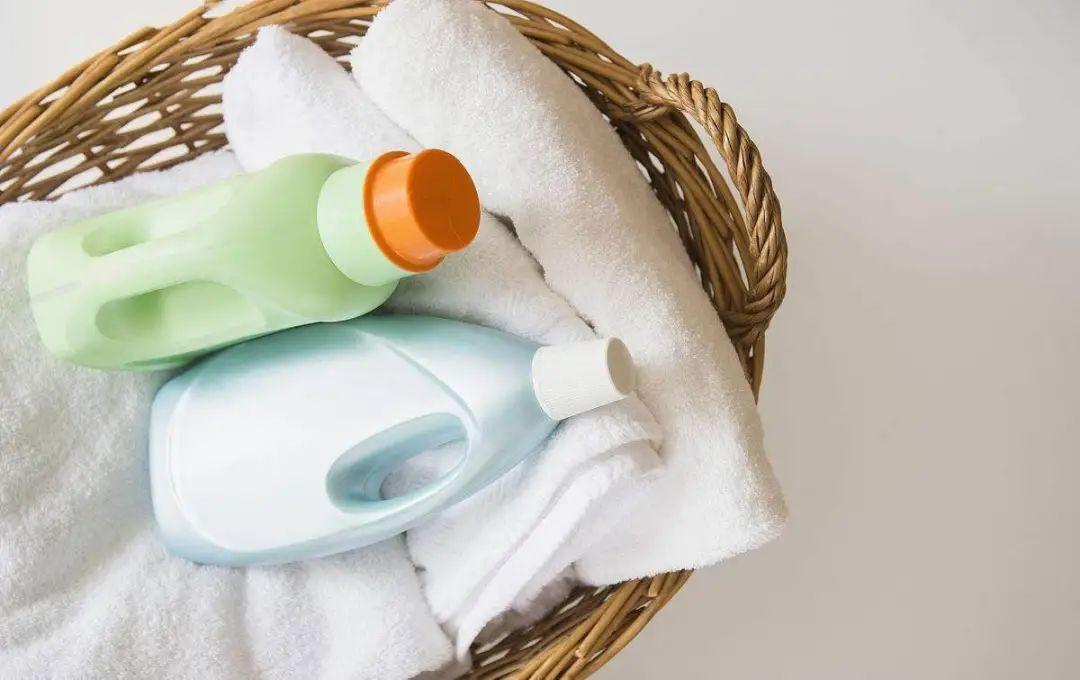
Recommendations
Use different detergents for clothes of different materials.
①Washing powder: strong in decontamination
Washing powder has relatively strong decontamination ability. However, due to its solid form, it cannot be completely dissolved in water, leaving residue when cleaning, and it can easily hurt hands and skin.
It is relatively more suitable to come into contact with dusty coats, jeans, down jackets, sofa covers, curtains and other items.
②Laundry detergent: Strong hydrophilicity
The composition of laundry detergent is similar to that of washing powder, but its decontamination ability is not as good as that of washing powder, but it is highly hydrophilic, easily soluble in water and easy to Rinse to make clothes softer after washing.
Laundry detergents are also divided into ordinary and special ones. For clothes made of special materials such as woolen sweaters and silk, it is best to choose special laundry detergent, which can reduce the damage of detergent to clothes; for clothes made of other materials, use ordinary laundry detergent. That’s it.
③Soap: low irritation
The ingredients of soap are renewable vegetable oils, which are low irritation to the skin and have the effect of protecting fabrics, saving water and time.
Infants’ clothing, underwear, etc. are more suitable for hand washing + soap, which is gentle and does not hurt the hands. It can also prevent the material from becoming hard and increase comfort.
Myth ③
If you get stains, you have to scrub hard?
When clothes are stained with juice, vegetable soup and other stains, many people will subconsciously rub them vigorously when cleaning, but this often has the opposite effect, and the stains on the clothes may become larger and larger.
Recommendations
Different types of stains require different cleaning methods.
① Blood stains: starch + salt + soap
Sprinkle starch and salt on the stained area, apply and press, wait for a few minutes for the starch to absorb the stain; then wet it with cold water. Apply some soap and rub, and the stain will be easier to remove.
②Fruit stains and coffee stains: toothpaste + water
Once fruit stains or coffee stains are stained, you should immediately apply toothpaste to the dirty area, then dip your toothbrush in water and gently remove it. Just scrub the dirty area lightly and it will become clean.
③Sweat stains: baking soda + lemon
When you sweat a lot, your clothes are easily stained with sweat stains. If they are not cleaned for a long time, the clothes will turn yellow. Mix baking soda and water into a paste and apply it to sweat-stained areas of clothing. It can emulsify with oil and grease to remove sweat stains.
If the yellowing of the clothes is serious, you can add some lemon juice to mix and soak. Acidic lemon juice can neutralize alkaline stains and clean them faster.
④ Mildew stains: bleach + hot water
Prepare a basin of hot water, mix a small cup of bleach, put the moldy clothes in and soak for 1 hour. The mildew stains will be dissolved quickly under the action of bleach, and then you can wash them off with clean water.
Myth ④
When washing clothes, warm water is better than cold water?
The decontamination effect of warm water will be better than that of cold water, but it cannot be completely considered that warm water is better for washing. Improper water temperature washing will cause problems such as deformation, shrinkage, and fading of clothes.
Recommendations
The water temperature for washing clothes depends on the fabric material of the clothes.
-
The optimal water temperature for cotton fabrics is 40℃-50℃
-
Wool fabrics The optimal water temperature for clothing is around 35℃
-
The optimal water temperature for hemp clothing is 30℃ or below
Myth ⑤
Would it be easier to clean the clothes if you soak them in a soak?
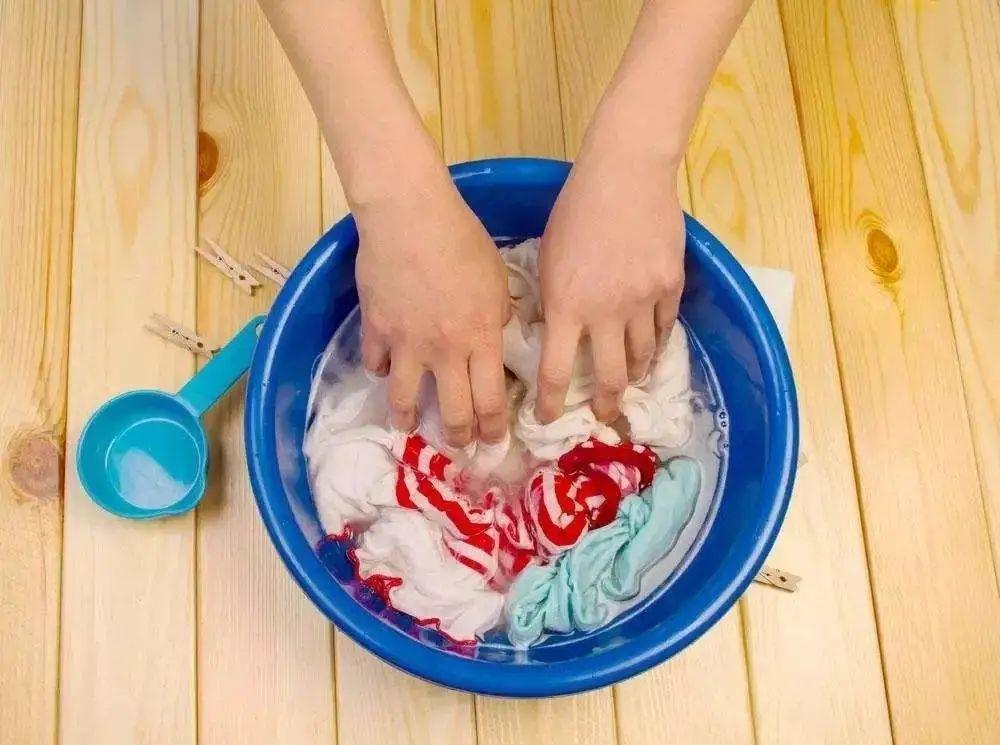
It is said that dirty clothes can be easily cleaned by soaking them in a soak, but if you soak them for too long, the dirt dissolved in the water will re-enter the clothes, which is more likely to cause the clothes to fade!
Recommendations
The best time to soak clothes is generally about 15 minutes. Even for heavy clothes, it should not exceed 30 minutes.
Myth ⑥
After using the washing machine, should you close the washing machine cover immediately?
After washing the clothes in the washing machine, there will be some residual water stains inside. If they are not dried in time, the humid environment inside the washing machine will easily become a breeding ground for bacteria and mold.
Recommendations
After washing clothes, open the lid and ventilate it for 30 minutes to 1 hour. Wait for the water vapor to dissipate and dry the bucket before closing the lid. In addition, the washing machine should also pay attention to sterilization and disinfection.Purchase a special cleaning agent and clean it every 2 months or so.
Myth ⑦
Throw all the clothes into the washing machine?
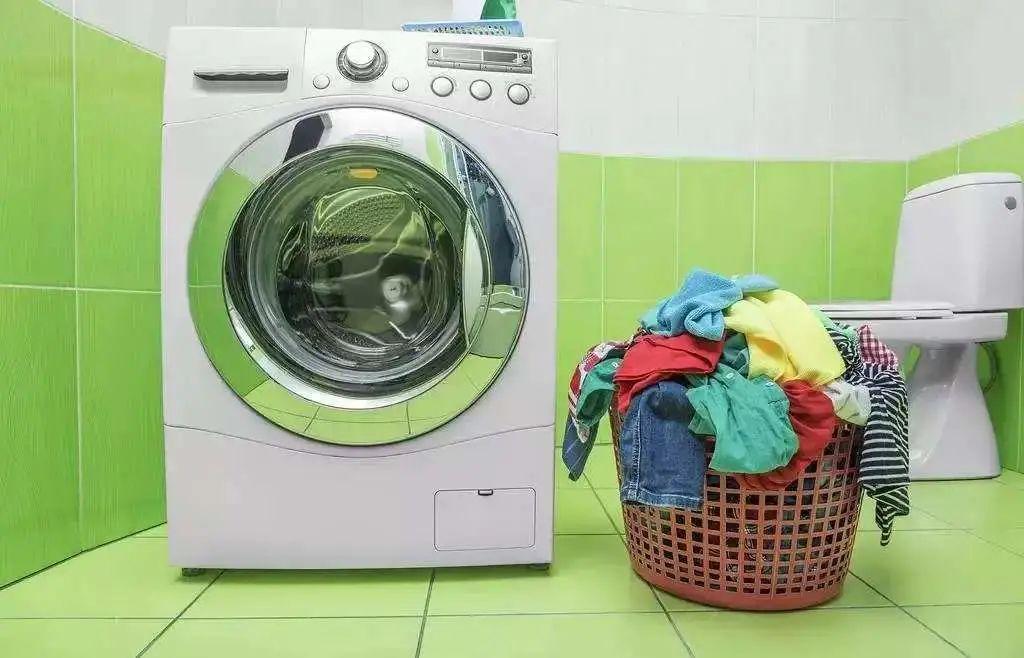
Many people are afraid of trouble and throw all their clothes, socks, and underwear into the washing machine for cleaning. However, this habit of washing without sorting will not only cause staining of clothes, but also cause staining of clothes if they encounter people with skin diseases. People can easily cause cross-infection.
Recommendations
Be very particular about washing clothes. Follow these 6 precautions to make laundry clean and hygienic –
① Separate dark and light clothes.
②Hand wash underwear.
③Look at the washing label. It will indicate whether it can be dry-cleaned, bleached, ironed, etc. Washing as required can avoid damage to the clothes.
④ When machine washing, it is recommended to use a laundry bag, which can reduce the pulling on the clothing and prevent the neckline from becoming larger and the clothing from deforming.
⑤ If the newly purchased clothes are in bright colors, prevent them from fading – if they are pure cotton clothes and knitwear with bright colors, you can soak them in water with white vinegar or lemon juice for a while; if they are jeans, Clothes can be soaked in salt water.
⑥ Clothes that have been machine washed and dehydrated should be dried in time and do not be left in the washing machine for a long time.